





By Game Developer News Desk
Published September 17, 2026
Executive Overview
In a devastating blow to the independent game development community, Heart Machine—the critically acclaimed studio behind Hyper Light Drifter and Solar Ash—has been forced to lay off nearly its entire workforce. The catastrophic downsizing comes on the heels of an unnamed publisher abruptly pulling funding for an unannounced title that served as the studio’s primary financial lifeline.
Alx Preston, founder and creative director of Heart Machine, broke the news via a somber LinkedIn post, casting substantial doubt on the studio’s ability to survive this latest crisis. This sweeping reduction in staff marks the culmination of a protracted and punishing downward financial spiral that has plagued the independent developer over the last several years. Hit by repeated publisher pullouts, early access shifts, and a volatile macroeconomic climate within the broader interactive entertainment sector, Heart Machine now stands on the precipice of closure.
Industry observers note that this tragedy underscores a terrifying systemic vulnerability shared by independent studios globally: an acute, over-reliance on single-publisher funding models that can vanish overnight due to shifting corporate priorities, risk aversion, or macroeconomic pressures. As Preston and his remaining core leadership work to find potential landing spots for displaced developers, the future of one of the indie scene’s most distinctive creative voices remains profoundly uncertain.
Detailed Chronology: The Anatomy of a Studio’s Collapse
To understand how Heart Machine arrived at this precipice, one must examine the cascading series of financial shocks, project pivots, and structural contractions that have battered the studio since late 2024. What was once a thriving, ambitious independent developer has been systematically whittled down by market volatility and fractured publishing partnerships.
The November 2024 Contrenchment
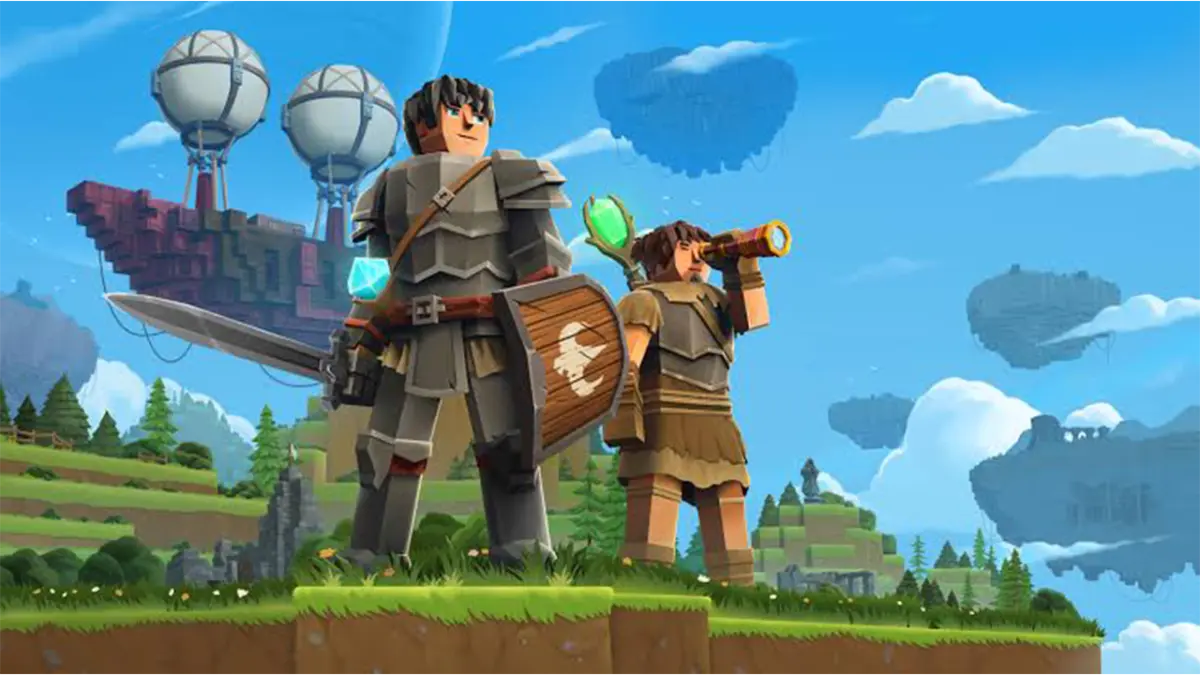
The warning signs began to manifest publicly in November 2024. Facing mounting development costs and a tightening venture capital market, Heart Machine confirmed a round of layoffs affecting a notable portion of its workforce. At the time, studio leadership attempted to frame the restructuring as a necessary tactical retreat to focus resources on the finish line of their then-flagship early access title, Hyper Light Breaker.
Management expressed optimism that the eventual launch of Hyper Light Breaker would perform strongly enough to stabilize the company’s finances and potentially create pathways to rehire or support affected personnel. However, the modern early access ecosystem has grown ruthlessly competitive, and consumer spending habits have shifted dramatically toward established live-service giants and risk-averse mega-releases.
The October 2025 Early Access Fracture
Hopes that Hyper Light Breaker would serve as a silver bullet were ultimately dashed. Rather than achieving the runaway commercial success required to sustain a mid-sized independent studio, the trajectory of the game hit severe turbulence.
In a critical strategic retreat, the studio cut the game loose before it could even graduate from its early access incubation phase. This premature curtailment of the project triggered a devastating domino effect. Within a span of weeks in October 2025, Heart Machine was forced to execute two consecutive rounds of layoffs, shedding additional development talent as revenues failed to materialize and operational runway evaporated.
The September 2026 Fatal Blow
Despite the wreckage of 2024 and 2025, Preston and the remaining Heart Machine team buckled down, securing a new publishing partnership to develop an unannounced title. This project functioned as the studio’s financial oxygen, keeping the lights on and sustaining a skeleton crew through the grueling reconstruction phase.
That lifeline snapped in mid-September 2026. Without warning, the anonymous partner pulled out of the funding agreement, refusing to move forward with the unannounced project. Because Heart Machine lacked alternative funding sources, secondary venture capital, or an immediate pipeline of incoming revenue, the withdrawal proved fatal. With the stroke of a corporate pen, the studio’s financial architecture collapsed, forcing Preston to pull the plug and lay off nearly everyone remaining at the company.
Supporting Context & Metrics: A Broader Industry Crisis
The collapse of Heart Machine is not an isolated tragedy; rather, it is a glaring symptom of a systemic disease infecting the contemporary video game industry. Over the past four years, the games sector has experienced a profound market correction following the hyper-inflated, pandemic-era investment boom.
The End of Easy Capital
During the peak years of 2020 and 2021, low interest rates and a captive, homebound consumer base fueled a gold rush of venture capital and publisher acquisitions. Independent developers found it relatively easy to secure upfront funding, milestones, and generous budgets for ambitious mid-tier games.
As central banks worldwide raised interest rates to combat inflation, the financial calculus shifted overnight. Publishers, venture capitalists, and private equity firms rapidly pivoted toward extreme risk aversion. Budgets were slashed, greenlit projects were canceled mid-development, and publishers began demanding immediate, predictable returns on investment—a luxury that experimental, artistic indie studios like Heart Machine have historically struggled to guarantee on strict corporate timelines.
The Mid-Tier Squeeze
Industry analysts frequently point to the "death of the middle" in video game development. While mega-corporations continue to release multi-hundred-million-dollar blockbusters, and micro-indies developed by solo creators or tiny teams can thrive on minuscule overhead, mid-sized independent studios (typically employing 30 to 100 people) face an existential squeeze.
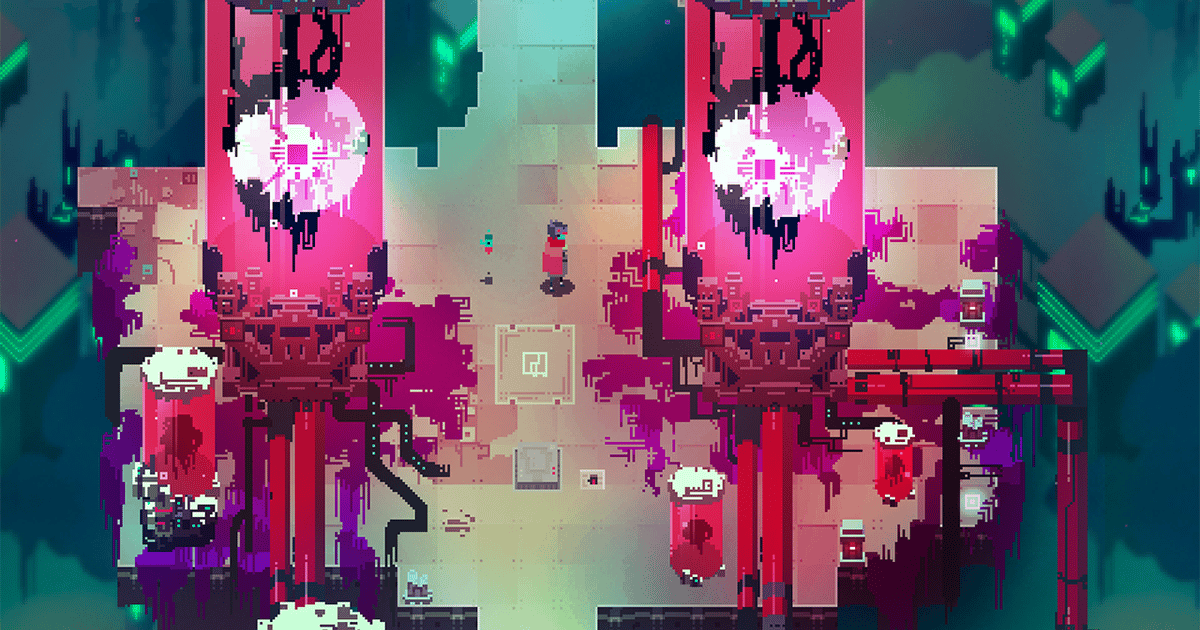
These studios carry the high payroll and infrastructure overhead required to build visually rich, complex 3D action games—such as Heart Machine’s stylized catalog—yet they lack the balance sheets or corporate safety nets of a Sony, Microsoft, or Electronic Arts. When a single publisher pulls funding from a mid-tier studio, there is rarely a cash reserve deep enough to absorb the blow.
A Year of Devastating Precedents
Heart Machine’s crisis mirrors a broader wave of industry casualties occurring concurrently in late 2026. Reports across the sector indicate widespread studio closures and sudden bankruptcies. For instance, recent industry tracking highlights companies like Build a Rocket Boy—the studio behind the ambitious project MindsEye—facing similar structural threats and imminent closures following rounds of deep layoffs. The compounding job losses have left thousands of veteran designers, programmers, artists, and writers competing for a rapidly shrinking pool of open positions.
Official Statements and Industry Reaction
The human cost of Heart Machine’s collapse was articulated with raw vulnerability by studio founder Alx Preston in his public statements. Eschewing sterile corporate PR speak, Preston took to LinkedIn to lay bare the harsh realities facing independent developers today.
"I have very difficult news today," Preston wrote in his announcement. "We had been working on an unannounced title, funded by a publisher. This week, they decided to no longer move forward with it. Without this key income for the studio, any other immediate prospects or other funds, nearly everyone at the studio had to be laid off. It’s devastating."
Recognizing the acute anxiety facing his displaced employees, Preston pivoted immediately to advocacy and mutual aid, urging his professional network to step up and offer assistance:
"Everyone will be provided with as much support as possible, including assisting with placement. If you know of any roles for extraordinarily talented, kind people, please reach out and we will coordinate."
Reflecting on the psychological and operational toll of running an indie studio in the current climate, Preston expressed deep skepticism regarding the immediate viability of the industry for creators of his scale:
"Navigating the video game industry has become extremely difficult. I’m not sure yet what’s next for Heart Machine to survive. However, we’ll keep pushing to build a path while we are still here."
The response from the broader game development community was swift and sympathetic. Scores of industry veterans, creative directors, and HR professionals flooded Preston’s post and related threads with offers of portfolio reviews, freelance leads, and open job requisitions. Yet, beneath the solidarity lies a pervasive sense of grief for a studio that defined a generation of indie art direction and gameplay feel.
Future Outlook: What Lies Ahead for Heart Machine and the Indie Scene?
As the dust settles on mid-September 2026, the immediate future of Heart Machine looks bleak. With "nearly everyone" let go, the studio exists primarily in name and spirit, managed by a microscopic core leadership team desperately searching for a miracle.
Can Heart Machine Bounce Back?
Rebuilding from total structural collapse is exceptionally rare in the independent games space. While founding IPs like Hyper Light Drifter retain immense cultural cachet and devoted fanbases, brand recognition alone cannot pay back rent, server costs, or back wages. For Heart Machine to resurrect itself, it would require either an unorthodox self-publishing pivot for existing assets, a sudden influx of philanthropic investor capital, or a completely restructured micro-studio approach akin to a reset button.
However, given Preston’s own frank admissions that he is unsure how the company can survive, a permanent shutdown or indefinite hiatus appears far more probable than a triumphant comeback.
A Call for Structural Reform
Beyond the fate of a single studio, Heart Machine’s tragedy serves as a stark warning flare for the entire independent games ecosystem. It forces difficult conversations regarding:
- Publishing Contract Protections: The ease with which publishers can terminate funding agreements mid-stream without adequate kill-fees or transitional runways leaves dependent developers dangerously exposed.
- Diversified Revenue Streams: The vulnerability of relying on single-publisher milestones highlights the necessity for indie studios to explore alternative funding, such as self-publishing reserves, government cultural grants, or crowdfunding models—though these paths are increasingly difficult in a capital-starved market.
- Mental Health and Labor Sustainability: The constant cycle of crunch, launch, restructuring, and layoff exacts an unsustainable psychological toll on the creative talent that powers the medium.
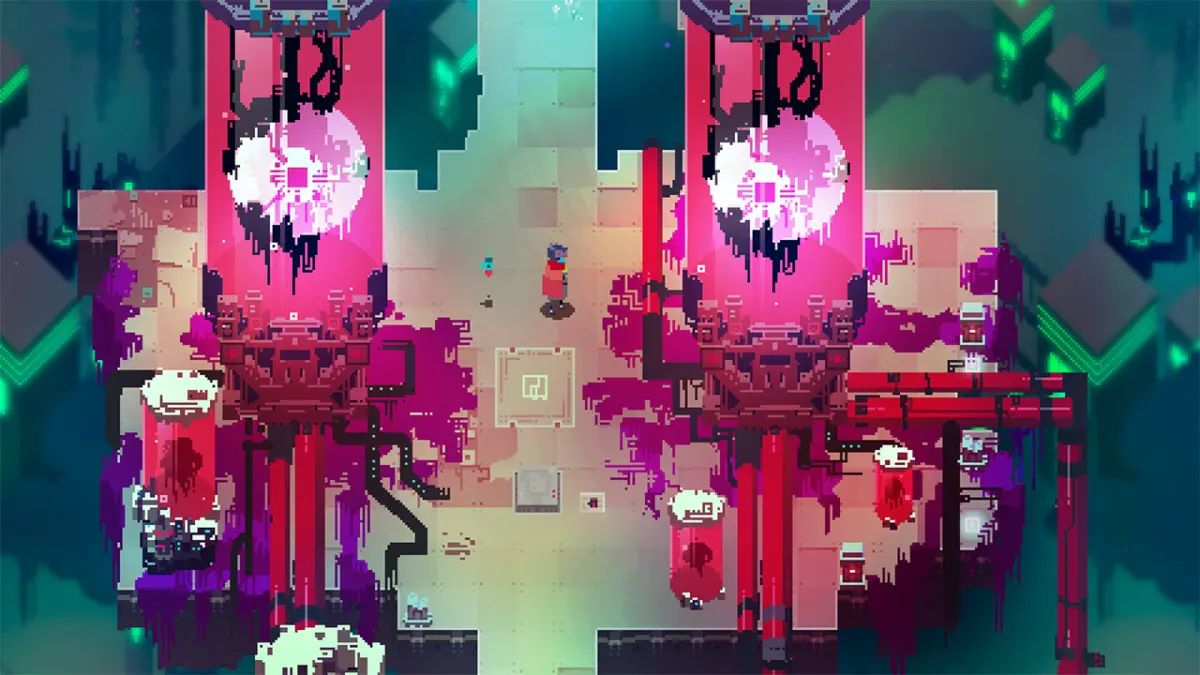
For now, the legacy of Heart Machine remains cemented in the gorgeous pixel art of Hyper Light Drifter, the kinetic three-dimensional movement of Solar Ash, and the ambitious conceptual boundaries pushed by Hyper Light Breaker. Whether the studio name survives the month or fades into the history books alongside dozens of other victims of the 2024–2026 industry contraction, its story will long be studied as a definitive cautionary tale of the modern creative economy.