Executive Overview
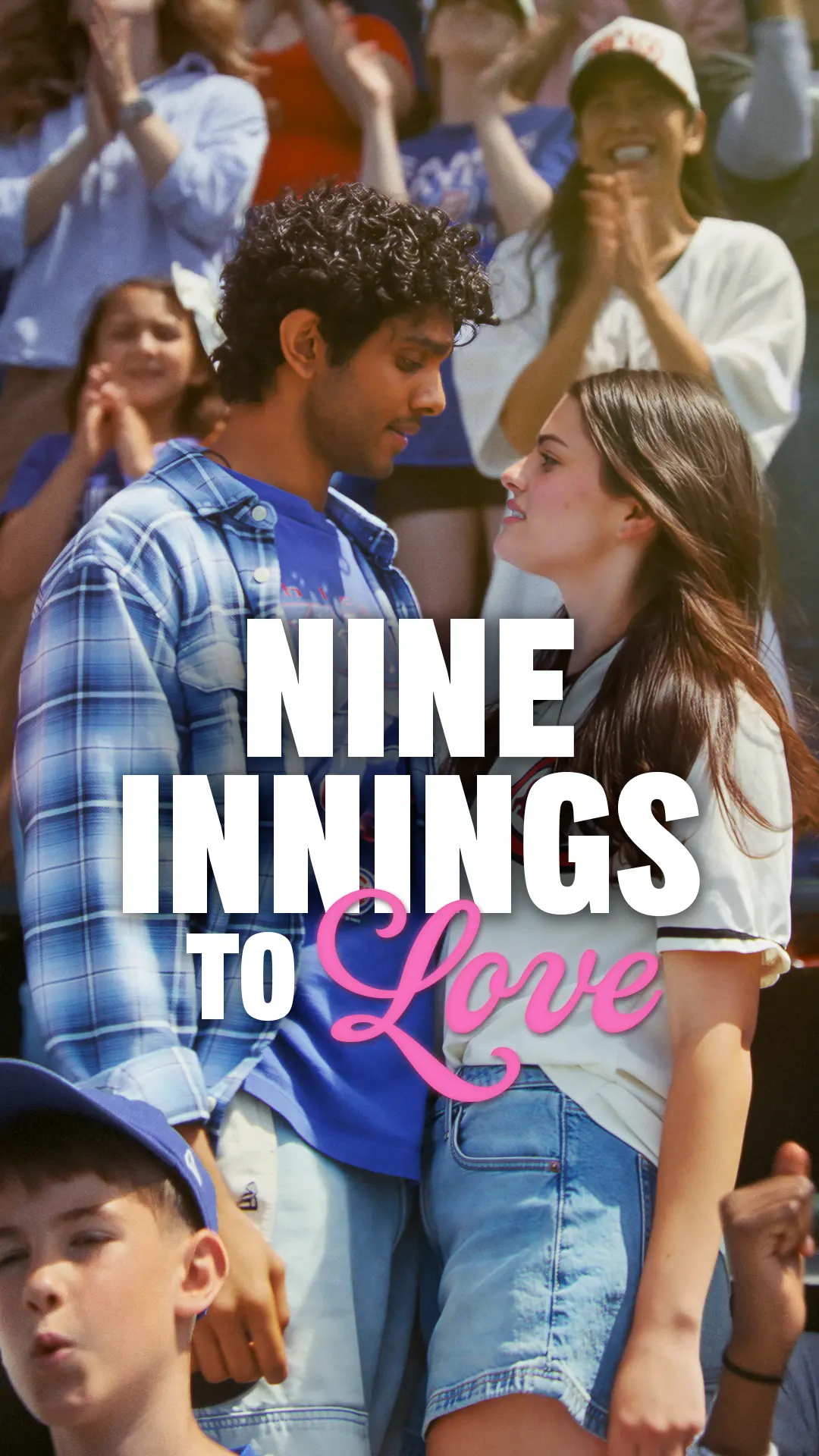
In a bold blurring of the lines between professional sports entertainment and modern digital media, the Chicago Cubs are stepping up to the plate to launch an entirely new kind of content strategy. Moving far beyond traditional highlight reels, behind-the-scenes player vlogs, and standard promotional campaigns, the historic Major League Baseball franchise has announced the upcoming debut of “Nine Innings to Love.”
Set to premiere on the team’s official TikTok account on September 4, the project is a fully scripted, short-form romantic comedy series. Inspired by the genuine, real-life phenomena of romance, serendipity, and connection that have blossomed in the iconic bleachers of Wrigley Field for generations, the series marks a monumental shift in how sports organizations leverage social media platforms to capture younger demographics.
Stretching across a structured narrative framework mirroring a standard baseball game, “Nine Innings to Love” is told over the course of nine innings and comprises 17 bite-sized, social-first episodes. Created and written by the Cubs’ in-house creative division, Cubs Productions—with production services provided by Chicago-based Coyote Sun Productions and direction by Adam Sobel—the series represents a sophisticated fusion of traditional Hollywood rom-com tropes and the hyper-engaged, highly visual culture of modern vertical video.
By strategically weaving together the beloved aesthetics of classic romantic comedies with the viral momentum of "BookTok" fandom, the Chicago Cubs are not merely promoting a baseball team; they are positioning Wrigley Field as a cinematic universe of its own. This comprehensive report explores the genesis of the project, the creative minds and cast behind it, the strategic marketing imperatives driving its creation, and what this innovative pivot means for the future of sports entertainment and digital content syndication.
Detailed Chronology: From Bleacher Lore to Vertical Screen
The journey of “Nine Innings to Love” from an ephemeral ballpark observation to a fully realized scripted production underscores a growing appetite within professional sports franchises for narrative-driven intellectual property.
The Spark of Inspiration
For decades, the historic Budweiser Bleachers at Wrigley Field have operated under a distinct social ecosystem. Unlike reserved grandstand seating, the general-admission nature of the bleachers forces a communal proximity, transforming strangers into temporary neighbors, drinking buddies, and—as the Cubs’ marketing department frequently observed—romantic partners. It was this casual, unpredictable alchemy that sparked the original concept for the series.
Adam Sobel, the Cubs’ director of content and production, noted that the core inspiration stemmed from a simple, universally understood truth about catching a game from the bleachers. With general admission dictating the seating arrangements, fans are routinely thrust next to people they have never met, creating a low-stakes, high-potential environment for romance. Recognizing that fans have long flocked to the Friendly Confines not just for the athletic competition on the diamond, but for the vibrant social theater unfolding in the stands, the creative team sought to bottle that magic into a structured narrative.
Production and Development
With the concept approved, the development moved quickly. The organization leaned heavily on its internal creative apparatus, commissioning Cubs Productions to draft a storyline specifically tailored for the vertical, short-form consumption habits of TikTok users. To execute the vision with cinematic polish, the team partnered with Chicago’s Coyote Sun Productions, ensuring that the project retained an authentic local flavor while meeting professional filmmaking standards. Under the direction of Adam Sobel, the production team successfully captured the distinct visual vocabulary of Wrigley Field during the summer months—sun-drenched afternoons, ivy-lined brick walls, the hum of the crowd, and the timeless ambiance of America’s pastime.
Narrative Architecture
The resulting series is ingeniously structured to mimic the rhythm of a baseball game. Divided across nine narrative innings, the 17-episode arc follows the high-stakes, clock-ticking format of a standard rom-com compressed into the tight confines of a single afternoon at the ballpark.
The plot centers on Ava, played by Veronica Garrubbo, an aspiring romance writer currently battling a severe case of writer’s block and creative burnout. Fate intervenes when she experiences an accidental bleacher meet-cute with David, portrayed by Sid Kutikkad. David is characterized as a sweet, love-shy seatmate who harbors a deeply cynical worldview regarding romance, openly refusing to believe that true love stories actually happen outside the pages of fiction.
Following their collision, the two find themselves awkwardly anchored to one another for the duration of the game. Seizing the opportunity, Ava issues a bold challenge: before the final out is recorded and the stadium empties, she promises to help David find a genuine summer fling inside the perimeter of Wrigley Field.
What follows is a whirlwind of classic romantic comedy beats adapted for a modern baseball stadium. Ava transforms the historic ballpark into an unconventional rom-com training ground. The narrative hits all the mandatory genre markers: awkward swings and misses, an impromptu ballpark makeover, the sudden and dramatic reappearance of an unwelcome ex, and a climactic, stadium-spanning ninth-inning chase. However, as the game nears its conclusion and Ava plays the role of matchmaker, she experiences an epiphany—the sweeping romance novel she has been desperately trying to write has been unfolding right in front of her the entire time.
In addition to Garrubbo and Kutikkad, the ensemble cast features performances from Angelina Dávila, Kevin Kantor, Shelby Brown, and Cole Steeves, rounding out a vibrant cast designed to resonate deeply with younger viewers.
Supporting Context & Metrics: Decoding the Gen Z and Millennial Playbook
To fully understand why a storied Major League Baseball franchise is producing a fictional romantic comedy for a video-sharing app, one must examine the shifting demographics of sports consumers and the economics of modern digital attention spans.
The Rise of "BookTok" and Hybrid Fandoms
In recent years, the publishing and entertainment industries have been fundamentally reshaped by BookTok—the vibrant, highly influential subcommunity on TikTok where readers review, analyze, and obsess over romance novels, contemporary fiction, and character tropes. Tropes like "enemies-to-lovers," "forced proximity," and "only one bed" routinely generate billions of views and propel indie and mainstream authors to the top of bestseller lists.
By deliberately aligning “Nine Innings to Love” with the tropes and emotional beats native to BookTok, the Chicago Cubs are executing a masterclass in audience crossover. They are actively targeting an audience—predominantly Gen Z and millennial women—who may not tune into a standard nine-inning baseball broadcast on television, but who will eagerly consume serialized, character-driven romantic storytelling framed within a visually iconic aesthetic.
Vertical Video and Short-Form Dominance
The choice of platform and format is equally calculated. TikTok’s algorithm rewards high engagement, emotional resonance, and serialized pacing that encourages viewers to binge-watch narrative arcs in rapid succession. By breaking the story down into 17 short-form episodes distributed over the team’s official channel (which boasts a massive, pre-existing follower base), the Cubs eliminate friction. Fans do not need to purchase a streaming subscription, download a dedicated app, or carve out two hours of uninterrupted time; the content meets them directly in their personalized "For You" feeds.
Furthermore, this strategy reflects a broader evolution in sports marketing. Traditional metrics of success—such as television ratings and in-stadium ticket sales—are increasingly complemented, and sometimes driven, by digital impressions, cultural relevance, and brand affinity. When a sports team transforms its venue into a character in a fictional narrative, it elevates the physical asset of the stadium into an aspirational lifestyle brand. Wrigley Field ceases to merely be a historic sports venue; it becomes a romantic destination.
Official Statements: Behind the Vision
The strategic rationale behind “Nine Innings to Love” has been articulated clearly by the leadership team orchestrating the project, highlighting a deliberate effort to honor tradition while aggressively modernizing fan outreach.
Jen Martindale, the Chicago Cubs’ executive vice president of marketing and communications, emphasized the deep emotional resonance of the ballpark in an official press release surrounding the announcement:
"For generations, Wrigley Field has been a place where memories are made, friendships begin and love stories start. ‘Nine Innings to Love’ celebrates the magic of a summertime Cubs game through a bite-sized episodic format that’s built for Gen Z and millennial audiences. By blending a game of baseball with BookTok fandom and the vibes of a classic rom-com, we’ve created a story that could only unfold in the Budweiser Bleachers at Wrigley Field."
Echoing these sentiments, Adam Sobel, director of content and production for the team and the director of the series, pointed to the organic, unpredictable nature of the venue as the ultimate creative muse:
"The inspiration for ‘Nine Innings to Love’ came from a simple truth about the Wrigley Field Budweiser Bleachers: with general admission seating, you never know who might end up beside you. That felt like the perfect starting point for a love story. In Ava and David, we wanted to create characters relatable to bleacher fans who come to the ballpark both for the game and for the possibility of what might happen off the field."
These statements reveal an organization acutely aware of its own cultural capital. Rather than resting on the laurels of more than a century of baseball history, the Cubs are actively mining that history for emotional currency, translating the intangible "romance of baseball" into a language that speaks directly to contemporary digital natives.
Future Outlook: A New Inning for Sports Entertainment
As the premiere date of September 4 approaches, the implications of “Nine Innings to Love” extend far beyond a single social media experiment. If the series successfully captures the imagination of TikTok users and drives high engagement, it could serve as a watershed moment for how professional sports franchises approach content creation.
For decades, sports teams have functioned primarily as live-event producers and sports broadcasters. However, as media consumption habits fragment and younger audiences migrate away from linear television toward on-demand, mobile-first platforms, franchises are increasingly viewing themselves as fully fledged media companies and entertainment studios.
We may soon witness other MLB franchises—and teams across the NFL, NBA, NHL, and MLS—launching their own narrative IP. Imagine hockey romance miniseries filmed against the backdrop of an NHL Winter Classic, or soccer-centric dramas timed to rivalry matches. By recognizing that fans connect with sports not just through statistics and scores, but through narrative, emotion, and community, the Chicago Cubs have laid down a blueprint for the future.
When the first episode drops on TikTok, Ava and David’s fateful meeting in the Budweiser Bleachers will do more than launch a fictional summer fling. It may very well kick off an entirely new era of sports-entertainment storytelling—proving once and for all that in the game of modern media, the best way to capture an audience’s attention is to steal their heart.