







Executive Overview
As the gaming industry braces for a monumental shift in hardware cycles, Nintendo of America is positioning itself firmly in the driver’s seat. Approaching the completion of her first year at the helm, President Devon Pritchard has stepped forward to unveil her strategic master plan for the iconic Japanese gaming titan. At the core of this ambitious roadmap is the relative youth and surging momentum of the Nintendo Switch 2. Released in June 2025, the next-generation console has already surpassed 23 million units sold globally, placing Nintendo in a formidable market advantage over competitors like Microsoft’s Xbox and Sony’s PlayStation—both of which find themselves navigating the twilight years of their older hardware generations.
Pritchard’s vision transcends simple hardware supremacy. By capitalizing on the console’s vastly improved processing power, enhanced graphical fidelity, and architectural flexibility, Nintendo is aggressively courting AAA third-party developers, diversifying its software catalog, and expanding its legendary intellectual properties across multimedia landscapes. From the historic return of major first-person shooters to the monumental 40th-anniversary celebration of The Legend of Zelda, Nintendo is engineering a multi-pronged cultural takeover. This in-depth report explores Pritchard’s strategy, the technical triumphs and market reception of the Switch 2, and the high-stakes cultural milestones defining Nintendo’s immediate future.
Detailed Chronology: From Leadership Transition to Global Dominance
To fully comprehend the trajectory of Nintendo of America under Pritchard, one must examine the timeline of strategic milestones that have defined her tenure thus far, alongside the historical context shaping the brand’s current success.
January 2025: A New Leadership Era
Stepping into the role previously held by longtime Nintendo of America chief Doug Bowser, Devon Pritchard inherited a company standing on the precipice of hardware history. Taking over in January 2025 gave her a critical window to finalize launch preparations for the Nintendo Switch 2. Rather than resting on the unprecedented laurels of the original Switch—which revitalized the company following the struggles of the Wii U era—Pritchard immediately pivoted the organization toward an aggressive, multi-platform expansion strategy aimed at capturing older demographics without alienating core family audiences.
June 2025: The Global Launch of Nintendo Switch 2
The June 2025 launch of the Nintendo Switch 2 shattered internal projections, moving over 23 million units in a remarkably short span. Unlike mid-generation hardware refreshes, the Switch 2 represented a massive leap in processing capabilities and visual architecture. This technological upgrade immediately solved the primary critique of its predecessor: the inability to seamlessly run demanding, high-end third-party software without severe graphical compromises.
Late 2025 to Fall 2026: Bridging the AAA Divide
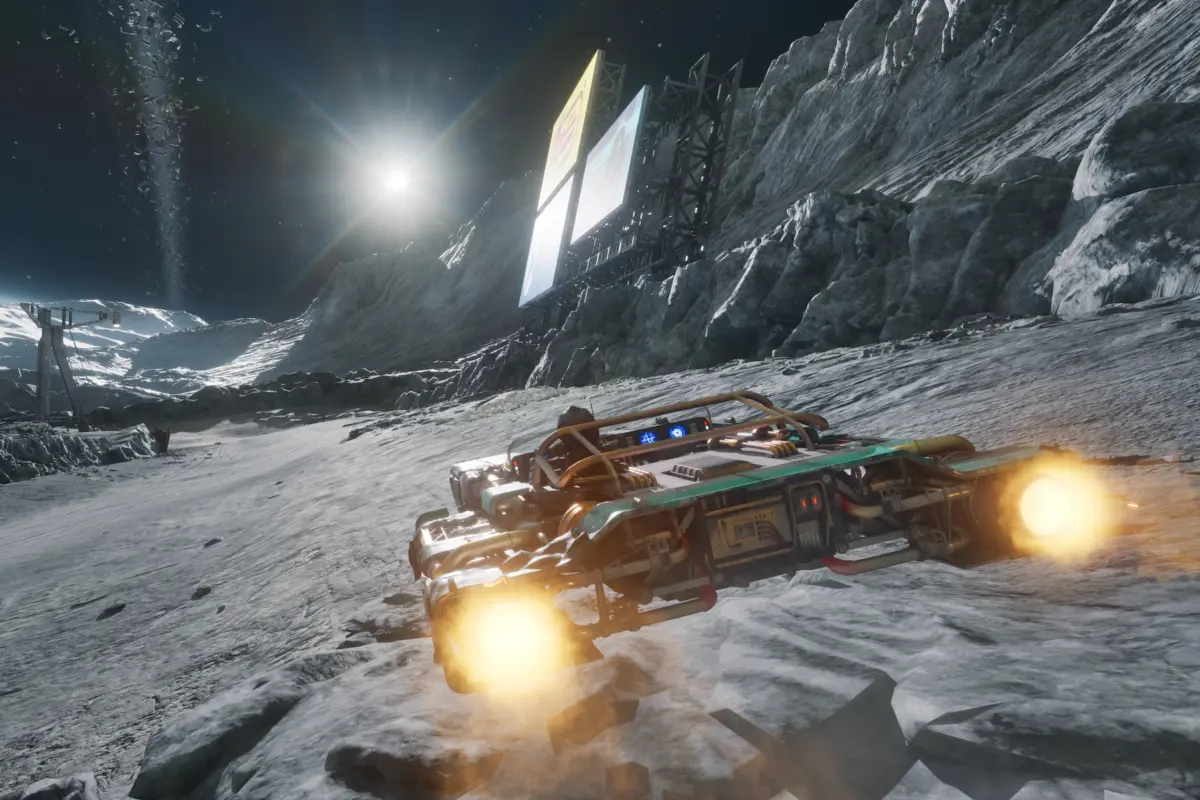
The fruits of Pritchard’s developer-outreach initiatives began to materialize rapidly throughout late 2025 and 2026. Hundreds of titles flooded the platform, bridging the gap between Nintendo’s traditional family-friendly ethos and the gritty demands of core gamers. The watershed moment arrived when Microsoft’s Activision announced that the Call of Duty franchise would officially return to Nintendo hardware for the first time in over a decade. The upcoming autumn 2026 launch of Call of Duty: Modern Warfare 4 on the Switch 2—alongside Xbox and PlayStation releases—stands as definitive proof that Nintendo’s modern architecture can comfortably handle fast-paced, high-fidelity competitive shooters.
Spring 2027 and Beyond: The Zelda 40th Anniversary and Multimedia Expansion
Looking forward, Pritchard’s calendar is anchored by the 40th anniversary of The Legend of Zelda. This milestone campaign is meticulously structured to peak over the coming months, featuring high-profile software releases, global concert tours, and a major live-action feature film debut slated for next April in collaboration with Sony Pictures.
Supporting Context & Metrics: Hardware Power Meets Software Diversity
The staggering commercial success of the Nintendo Switch 2—crossing the 23 million sales threshold rapidly after its June 2025 debut—is underpinned by concrete architectural advancements.
Technical Specifications and Developer Empowerment
Compared to the first-generation Switch, the Switch 2 boasts significantly enhanced graphical fidelity, advanced ray-tracing capabilities, and robust processing power. This technological leap has fundamentally altered how game creators approach the platform.
“We’re just at the beginning of seeing what Nintendo Switch 2 can do,” Devon Pritchard explains. “That opens up a number of different ways for the developers to create experiences that can only be found on Nintendo Switch 2.”
This newfound horsepower has eliminated the technical bottlenecks that historically prevented third-party publishers from porting massive, open-world blockbusters to Nintendo hardware. Software ecosystems that once required dedicated home consoles or high-end PCs can now run natively, expanding the total addressable market for publishers.
A Diverse Catalog: From Cozy to Combat
Nintendo’s historical market positioning—“from ages 5 to 95”—remains the foundational pillar of Pritchard’s demographic strategy. However, the interpretation of this philosophy has expanded. The company is no longer relying solely on evergreen first-party franchises like Mario Kart World; it is cultivating a rich ecosystem of diverse genres designed to appeal to distinct player psychographics.

- Hardcore Action: The inclusion of Call of Duty: Modern Warfare 4 establishes baseline viability for competitive shooters.
- Complex Role-Playing: Titles like Fire Emblem: Fortune’s Weave cater to deep tactical strategists and story-driven gamers.
- Cozy & Casual Gaming: Phenomenons like the relaxing Pokémon Pokopia capture casual audiences looking for low-stress interactive environments.
- Acclaimed Third-Party Support: Mature and critically praised third-party games, such as Resident Evil Requiem, demonstrate that horror and suspense have a thriving home on the platform.
Official Statements and Industry Perspectives
During her extensive remarks at various industry forums—including her recent appearance at the Variety Entertainment & Technology Summit in Beverly Hills—Pritchard maintained an authoritative yet measured tone regarding the competitive landscape.
Addressing the Elephant in the Room: Grand Theft Auto VI
As the video game industry fixates on the impending November launch of Take-Two Interactive and Rockstar Games’ Grand Theft Auto VI—the most anticipated M-rated entertainment event of the year—speculation has run rampant regarding whether the Switch 2’s tent is big enough to accommodate the blockbuster. While technical analysts agree the Switch 2 possesses the necessary horsepower to host the title, Pritchard remains deliberately tight-lipped on official platform integration.
“That’s going to be a conversation for Take-Two and Rockstar, but nothing to announce on my end at this time,” Pritchard noted, skillfully deflecting speculation while subtly validating the console’s technical capability to support mature tier-one epics.
The Philosophy of Organic Expansion
Beyond traditional console gaming, Pritchard is spearheading Nintendo’s aggressive cross-media expansion, though she emphasizes strict adherence to brand integrity. Addressing potential expansions at Universal’s Super Nintendo World theme parks—specifically regarding whether a Zelda-themed overlay could be integrated alongside existing Mario and Donkey Kong attractions—Pritchard stressed the importance of organic design.
“Whether it’s the theme park, whether it’s movies, anything we’re going to do is going to be deliberate and thoughtful about that experience that you’re having,” Pritchard emphasized, noting that additions must feel natural rather than purely commercial.
Future Outlook: Milestones, Movies, and Market Longevity
As Nintendo looks toward the remainder of 2026 and into 2027, the company faces both immense opportunities and unique challenges.
The Zelda 40th Anniversary Gamble
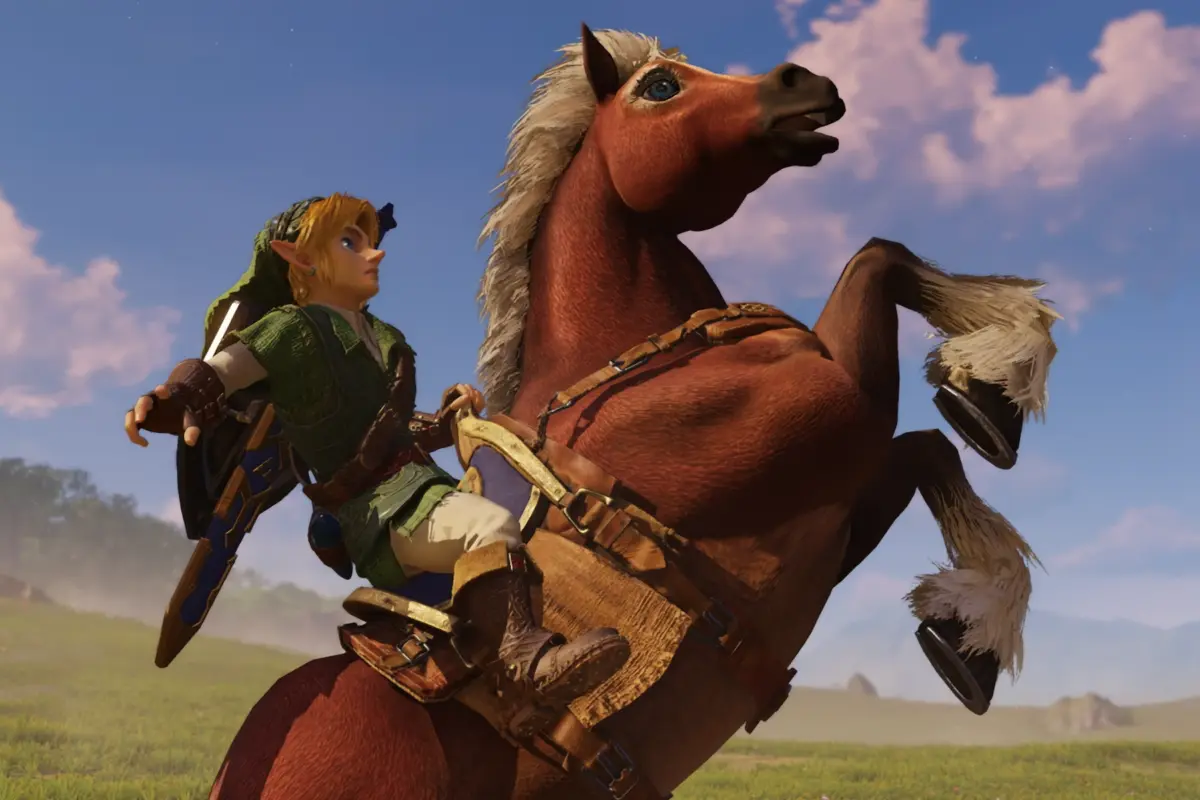
The upcoming celebration of The Legend of Zelda represents a masterclass in cross-media synergy. The centerpiece of the software lineup is a comprehensive remake of The Legend of Zelda: Ocarina of Time for the Switch 2. Notably, this title is positioned as the sole high-profile software release brave enough to go toe-to-toe with the November launch window of Grand Theft Auto VI.
To balance nostalgia with accessibility, the anniversary campaign will also feature a globally touring Zelda-inspired live concert series and culminate in April with the theatrical debut of the live-action Zelda feature film, co-produced with Sony.
“I think it’s really about the celebration of Zelda and the Zelda universe in its entirety,” Pritchard states. “It’s Link, it’s Zelda, and all the other characters. I think it’s more about, how do we create a celebration that everyone can come in and join and connect with that world?”
Sustaining the Hardware Advantage
With Microsoft and Sony locked into the mature stages of their current console generations, Nintendo holds a temporal advantage. By entering the middle years of the Switch 2 lifecycle while competitors ponder future hardware iterations, Nintendo enjoys maximum developer mindshare and consumer adoption momentum.
Under Devon Pritchard’s strategic direction, Nintendo of America is no longer content with merely being a nostalgic alternative in the living room. By marrying cutting-edge hardware capability with aggressive third-party partnerships, multi-platform media synergy, and unyielding dedication to audience diversity, Pritchard has engineered a master plan capable of sustaining Nintendo’s dominance well into the next decade.