Executive Overview
For thousands of independent merchants, third-party marketplaces like Amazon and Walmart represent the ultimate double-edged sword. On one hand, these platforms offer unprecedented reach, allowing a bootstrapping entrepreneur in a basement to place products in front of millions of active buyers overnight. On the other hand, this meteoric growth often fosters a dangerous dependency. When a major marketplace abruptly flags an account for an alleged policy violation—freezing revenue and stranding inventory in the process—it can threaten a thriving small business with sudden insolvency.
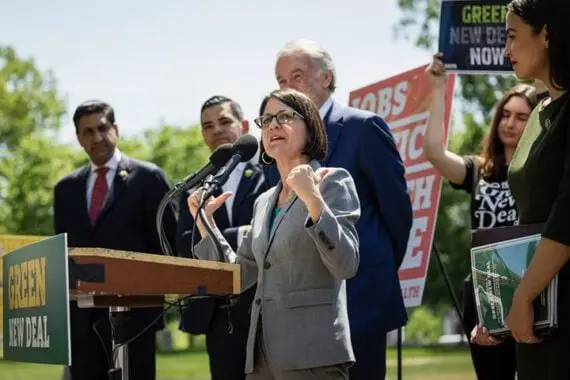
Enter the Online Sellers’ Bill of Rights Act of 2026 (H.R. 9799), proposed legislation introduced in the U.S. House of Representatives by Representative Becca Balint (D-Vt.) alongside a bipartisan coalition of co-sponsors. The bill seeks to fundamentally reshape the power dynamics between dominant tech platforms and the independent merchants who populate them. By requiring online marketplaces to provide transparent explanations for account suspensions, adhere to strict time limits for frozen assets, and offer meaningful avenues for appeal, the proposed law aims to introduce a legal standard akin to "commercial due process."
Crucially, H.R. 2026 does not strip platforms of their ability to police their digital aisles. Counterfeiters, fraudulent actors, and peddlers of unsafe goods will still find themselves locked out. Instead, the legislation shifts the burden of proof, demanding that tech giants substantiate their enforcement actions rather than relying on automated flags, vague form letters, and indefinite holds.
Currently sitting before the House Judiciary Committee, the bill carries sweeping teeth: enforcement mechanisms via the Federal Trade Commission (FTC), state attorney general lawsuits, and a private right of action for injured sellers that includes triple damages. As lawmakers begin deliberations, the digital retail landscape watches closely, balancing the promise of fairness for mom-and-pop shops against the inevitable pushback from tech giants.
Detailed Chronology: The Road to H.R. 9799
The introduction of the Online Sellers’ Bill of Rights Act of 2026 on July 21 does not happen in a vacuum. It represents the boiling point of years of mounting tension between third-party merchants and the dominant tech ecosystems they rely upon for survival.
To understand the necessity and mechanics of H.R. 9799, it is helpful to trace the evolution of marketplace governance and the legislative journey that led to this historic bill.
- The Era of Unchecked Growth (Early 2010s–2020): As ecommerce accelerated, platforms like Amazon actively courted third-party sellers to expand product catalogs. However, as the marketplace scaled, platforms increasingly relied on automated algorithms, artificial intelligence, and offshore compliance teams to police counterfeit products, pricing anomalies, and policy infringements.
- The Pandemic Surge and Spike in False Positives (2020–2022): The COVID-19 pandemic triggered a historic boom in online shopping. Simultaneously, automated enforcement bots went into overdrive to prevent price gouging and scams. Thousands of legitimate sellers reported being caught in the crossfire, facing instant account suspensions, withheld payouts, and stranded FBA (Fulfillment by Amazon) inventory with little to no recourse.
- Congressional Scrutiny and Antitrust Hearings (2021–2023): Various congressional committees began holding hearings focusing on big tech’s treatment of third-party vendors. Lawmakers heard harrowing testimonies from business owners whose life savings were locked in accounts frozen due to unverified algorithmic flags.
- Drafting the Legislative Framework (Late 2024–Early 2026): Working alongside small business advocacy groups, trade associations, and affected merchants, Rep. Becca Balint and her co-sponsors spent months drafting a balanced piece of legislation. The goal: protect the integrity of the marketplace while establishing clear federal guardrails against arbitrary corporate punishment.
- Official Introduction (July 21, 2026): Rep. Balint formally introduced H.R. 9799 in the U.S. House of Representatives. Public announcements highlighted the desperate need for basic due process in digital commerce, marking the formal commencement of the legislative battle.
- Current Status (Summer 2026): The bill has been referred to the House Judiciary Committee, where policymakers, lobbyists, and industry stakeholders are preparing for hearings, amendments, and high-stakes lobbying campaigns.
Core Provisions: Restructuring Marketplace Governance
If enacted, H.R. 9799 would overhaul how platforms handle disputes, policy changes, and inventory management. The legislation establishes concrete, enforceable federal standards designed to eliminate indefinite punitive measures.
1. Hard Stops on Inventory Holds
Under current practices, when a marketplace suspects a product of being counterfeit, it often seizes the physical inventory stored in its fulfillment centers. These items can remain stranded for months, racking up storage fees while tying up crucial capital.
- The New Rule: H.R. 9799 caps inventory holds and restrictions at 30 calendar days.
- The Burden of Proof: After 30 days, the marketplace must release the merchandise back to the seller unless it can clearly demonstrate that the goods are indeed counterfeit or legally prohibited. Suspicion is no longer enough; verifiable evidence is required.
2. Time Limits on Frozen Funds
Similar to inventory holds, platforms frequently freeze a seller’s revenue disbursement while conducting compliance reviews. For a small enterprise, a 60-to-90-day cash freeze can mean missing payroll, defaulting on supplier invoices, and declaring bankruptcy.
- The New Rule: The legislation imposes a strict 30-day limit on frozen seller payouts.
- The Burden of Proof: To withhold funds beyond this window, the platform must prove through documentation that the specific funds originated from unlawful transactions.
3. Protection for Gated and Restricted Products
Merchants often source, purchase, and ship products to a marketplace’s fulfillment network only to find that the platform has suddenly gated or restricted the product category.
- The New Rule: If a platform imposes a new restriction on an already-accepted product or category, it must grant the merchant at least 30 days to sell down remaining inventory or have the merchandise returned at zero cost to the seller.
4. Advance Notice of Policy and Fee Changes
Platforms frequently alter their terms of service, commission structures, and compliance mandates overnight, leaving sellers scrambling to adapt or facing sudden penalties.
- The New Rule: Ecommerce marketplaces must provide a minimum of 30 days’ written notice before implementing material changes to product eligibility, listing requirements, compliance standards, commissions, or platform fees. This window affords businesses time to alter packaging, gather necessary documentation, or adjust pricing models.
5. Individualized Enforcement and Appeals
Generic, templated notifications ("Your account has been suspended for violating Section 3") are a frequent source of frustration for suspended merchants who are left guessing what rule they broke.
- The New Rule: When investigating a seller, deactivating an account, or suspending a listing, platforms must provide a detailed, individualized breakdown. This includes naming the specific policy violated, disclosing underlying facts or documents, detailing the proposed penalty, outlining a clear appeal path, and providing an estimated timeline for resolution. Boilerplate responses will be legally non-compliant.
Supporting Context & Metrics: The Human and Economic Toll
To grasp why the Online Sellers’ Bill of Rights Act of 2026 is necessary, one must look closely at the modern digital retail economy. Third-party merchants account for more than 60% of physical paid units on Amazon alone, serving as the hidden engine of the platform’s massive revenue streams. Yet, these micro, small, and medium-sized enterprises operate in a state of perpetual vulnerability.
Industry analysts estimate that tens of thousands of sellers experience unexpected account freezes or inventory impounds annually. While major platforms argue that these aggressive enforcement mechanisms are vital to maintaining consumer trust, critics and trade organizations argue that the system is heavily skewed. Automated detection algorithms, designed to cast a wide net to catch bad actors, routinely flag legitimate businesses over minor technicalities, such as a slight typo in a product description or a malicious, competitor-driven wave of false complaints.
When an account is frozen, the economic damage spreads rapidly down the supply chain. Small businesses cannot pay their overseas manufacturers, leading to canceled purchase orders, layoffs, and shuttered storefronts. By placing a 30-day ceiling on asset freezes, H.R. 9799 aims to protect these economic engines from corporate overreach without tying the hands of fraud investigators.
Official Statements and Stakeholder Perspectives
As the bill makes its way through the legislative process, reactions from across the retail and political ecosystems have highlighted the deep ideological divides surrounding platform governance.
- Proponents and Small Business Advocates: Supporters hail H.R. 9799 as a vital step toward bringing fairness to the digital frontier. Proponents argue that multi-trillion-dollar corporations should not be allowed to act as judge, jury, and executioner with zero accountability to the businesses that fuel their ecosystems. "Commerce cannot function when basic due process is entirely discarded," notes one small-business trade representative. "This bill ensures that bad actors are stopped, but honest entrepreneurs are given a fighting chance."
- The Tech Lobby and Marketplace Operators: Conversely, major ecommerce platforms and associated tech lobbying groups have voiced strong reservations. Critics from the corporate tech sector argue that rigid federal timelines and heavy-handed legal penalties will hinder their ability to rapidly respond to sophisticated scams, counterfeit rings, and dangerous product imports. Marketplace representatives maintain that internal review boards and current appeal channels are sufficient, warning that federal micro-management will ultimately drive up costs and slow down innovation.
Legal Exposure and Enforcement Mechanisms
What separates H.R. 9799 from toothless advisory guidelines is its robust enforcement framework. If signed into law, the legislation carries serious legal and financial consequences for non-compliant platforms:
- FTC Rulemaking: The Federal Trade Commission will be granted 180 days post-enactment to issue formal operating rules governing marketplace enforcement actions.
- Unfair Competition Violations: Any breach of these FTC rules will be legally classified as an "unfair method of competition" under the Federal Trade Commission Act, giving federal regulators broad authority to penalize non-compliant platforms.
- State-Level Enforcement: State attorneys general will be empowered to bring civil enforcement actions on behalf of local residents injured by predatory platform practices.
- The Private Right of Action: Perhaps most alarming to corporate legal teams, the bill grants injured sellers a private right to sue in federal court, completely bypassing mandatory binding arbitration clauses typically buried deep within standard marketplace terms-of-service agreements.
- Triple Damages: Successful plaintiffs can recover three times the actual damages suffered, alongside court costs and reasonable attorneys’ fees. This punitive financial exposure ensures that marketplaces will take the new statutory requirements seriously—and guarantees a ferocious legal challenge from tech industry lobbyists.
Scope and Coverage: Defining the "Critical Trading Partner"
One of the most heavily debated aspects of H.R. 9799 lies in its scope. The legislation attempts to target dominant entities by defining a "critical trading partner" as any platform capable of restricting a business’s access to customers or essential digital tools. While this broad definition easily encompasses ecommerce behemoths like Amazon and Walmart, ambiguity remains regarding its application to smaller or specialized platforms.
The bill utilizes the term "dominant platform" when describing qualifying third-party sellers, yet it currently lacks explicit revenue thresholds, transaction counts, active user minimums, or market-share percentages to legally establish dominance.
While Amazon and Walmart are universally recognized as the primary targets of the legislation, legal experts point out that uncertainty lingers over whether platforms like eBay, Etsy, Poshmark, or niche vertical marketplaces will fall under the same mandates. Lawmakers hope the FTC can iron out these boundaries during the post-enactment rulemaking phase, but legal scholars warn that the absence of clear statutory thresholds will likely invite pre-enforcement lawsuits challenging the vagueness of the definitions.
Future Outlook
The introduction of the Online Sellers’ Bill of Rights Act of 2026 marks a watershed moment in the ongoing debate over platform accountability. As the House Judiciary Committee reviews H.R. 9799, the digital retail sector faces a critical inflection point.
Will Congress successfully pass legislation that reins in arbitrary corporate suspensions and brings commercial due process to the digital age? Or will aggressive lobbying by tech giants water down the bill’s potent enforcement mechanisms and private rights of action?
One reality remains indisputable: the days of operating digital marketplaces as unaccountable fiefdoms are drawing to a close. Whether through H.R. 9799 or subsequent legislative iterations, the demand for transparency, fairness, and fundamental economic due process for third-party sellers has officially entered the halls of federal power—and it is not going away anytime soon.