Executive Overview
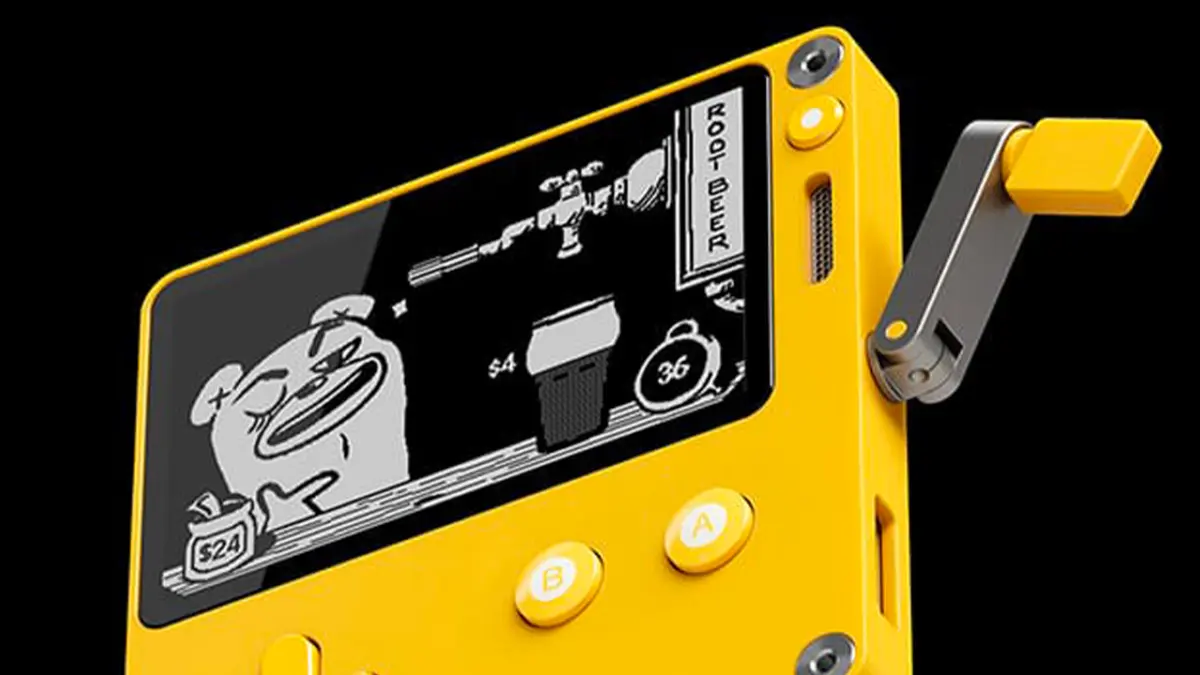
In an industry where corporate bottom lines routinely outweigh consumer goodwill, indie hardware developer Panic—the creative force behind the eccentric, crank-driven handheld console known as the Playdate—has made a remarkably rare and principled decision. Following a landmark United States Supreme Court ruling that struck down executive-ordered tariffs as an illegal application of the International Emergency Economic Powers Act (IEEPA), the federal government began issuing massive financial restitutions to affected businesses.
While retail giants, logistics conglomerates, and multi-billion-dollar gaming behemoths like Nintendo have opted to pocket hundreds of millions of dollars in unexpected windfalls, Panic is taking a radically different path. The boutique company has announced that it is returning every single cent of the tariff surcharges it collected back to the consumers who paid them.
For a brief, painful window earlier this year, Panic was forced to pass a 19% tariff surcharge onto its customer base. Co-founder Cabel Sasser noted that while the company initially tried to absorb the financial shock internally, the crushing overhead proved unsustainable for an indie hardware operation. Consequently, they transparently itemized the surcharge at checkout and set up an informational portal detailing why the extra cost was necessary. Now, having successfully navigated the grueling federal paperwork required to reclaim those funds, Panic is making its customers whole.
In an economic climate where corporate windfall retentions are the default standard—and increasingly the subject of fierce consumer class-action lawsuits—Panic’s decision offers a masterclass in corporate ethics. It also highlights the stark divide between how lean, community-focused independent studios and monolithic multinational corporations handle unexpected legislative windfalls.
Detailed Chronology: The Rise, Fall, and Reversal of the Tariff Surcharges
To fully appreciate the weight of Panic’s recent announcement, it is necessary to examine the turbulent timeline that forced the boutique publisher and hardware developer into a corner.
The Surcharge Window
The saga began when sweeping federal trade policies introduced a complex web of import duties that heavily penalized electronics manufactured overseas. For Panic, a small-scale hardware manufacturer producing a niche, mechanical-heavy device like the Playdate, the financial blow was immediate and severe.
Initially, Panic’s leadership attempted to absorb the escalating import costs to shield their community from price hikes. However, as trade barriers tightened and the financial reality of maintaining operations set in, the company faced an existential choice: halt Playdate production entirely, scale back operations, or temporarily pass the unexpected financial burden onto buyers.
Choosing transparency over silent price inflation, Panic instituted a clear, unmistakable 19% tariff surcharge during checkout for any customer purchasing a Playdate within that specific window. The company also launched a dedicated educational help page to explain precisely why the surcharge existed, ensuring that consumers were fully informed before clicking the purchase button.
The Legal Turning Point
The landscape shifted dramatically when the United States Supreme Court handed down a decisive ruling declaring the administration’s tariffs an unlawful overreach of the International Emergency Economic Powers Act. The court determined that the executive branch had overstepped its statutory authority by imposing the sweeping import levies without explicit congressional authorization.
This judicial intervention opened the floodgates for a complex, bureaucratic restitution process. Impacted businesses across all sectors—ranging from massive retail chains like Walmart, Target, and Home Depot to consumer electronics giants like Nintendo—were invited to file claims with the federal government to recover the billions of dollars in illegally collected duties.
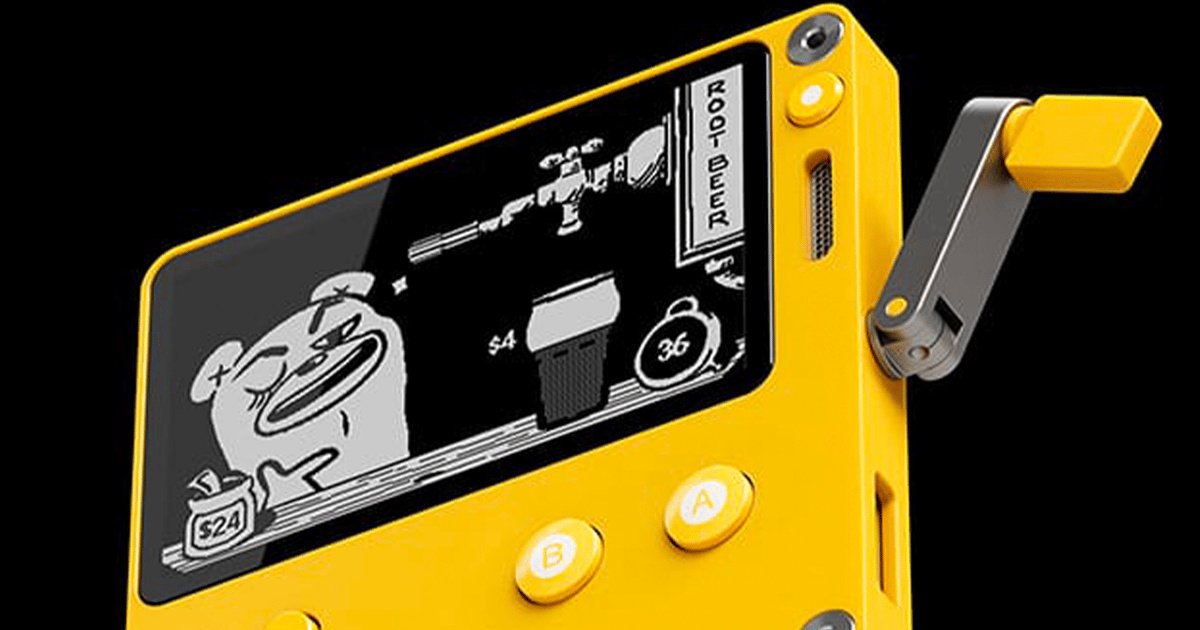
While corporate legal teams scrambled to file claims and secure their share of the multi-billion-dollar pool, the question of what would happen to the end consumer—the individuals who actually absorbed the cost at the point of sale—loomed large. For Panic, the answer was clear long before the bureaucracy finished processing their paperwork: the money belonged to the players.
Supporting Context & Metrics: The Great Corporate Cash Grab vs. The Indie Exception
Panic’s decision to disburse refunds stands in stark, almost jarring contrast to the broader corporate response across the United States economy. As billions of dollars flow back from government coffers into private corporate accounts, the vast majority of businesses are choosing to retain the funds.
The Scale of the Windfall
The numbers involved in the broader tariff refunds are astronomical. Major big-box retailers and logistics networks have quietly pocketed billions in federal rebates. In the video game industry specifically, the stakes are equally massive. Nintendo, for instance, disclosed in its quarterly financial filings that it secured a staggering $300 million tariff refund from the U.S. government.
Rather than distributing these funds back to the millions of Switch owners who paid inflated prices during the tariff window, Nintendo and other corporate entities have chosen to keep the money. This strategy has already triggered significant legal fallout; Nintendo and several other major retailers are currently facing class-action lawsuits from consumers arguing that keeping the rebates constitutes unjust enrichment. The primary defense mounted by these corporate legal teams rests on the principle of voluntary transaction: buyers chose to purchase the goods knowing the full, stated price at the time, and are not legally entitled to subsequent government-to-business tax rebates.
Shipping vs. Retail: A Fractured Response
Outside of the gaming sector, the response remains similarly muted. Aside from a handful of logistics and shipping companies—most notably UPS, which faced intense public scrutiny and subsequently initiated customer refund procedures—very few commercial entities have elected to pass refunds down the line.
This makes Panic’s initiative a statistical outlier. The Playdate manufacturer joins an elite, microscopic minority of companies choosing to audit their sales ledgers, track down affected buyers, and distribute proportional refunds based on the exact amount individuals spent during the surcharge period. For a company of Panic’s modest scale, undertaking this logistical feat represents an extraordinary commitment to consumer trust.
Official Statements: Inside Panic’s Decision-Making Process
In exclusive remarks and public statements regarding the refund rollout, Panic co-founder Cabel Sasser offered a candid look behind the curtain of indie hardware development. His insights reveal both the moral clarity and the administrative headache of doing the right thing.
"It’s Just Not Our Money to Keep"
Reflecting on the company’s philosophy, Sasser was unequivocal about why Panic refused to treat the government refund as corporate profit.
"It’s just not our money to keep, and it felt really good to give it back," Sasser explained in an interview. "That’s an easy way to know you made the right decision."
This sentiment cuts to the heart of indie ethos. While publicly traded conglomerates answer strictly to shareholders and must maximize quarterly earnings—even through questionable ethical gray areas—smaller, independent outfits like Panic operate on a direct social contract with their community. The Playdate community funded a quirky, ambitious, crank-equipped handheld out of a shared love for creative game development; betraying that goodwill for a quick cash windfall was never a serious option for the founders.

The Administrative Burden on Small Teams
However, Sasser did not sugarcoat the grueling realities of extracting justice from a slow-moving federal bureaucracy. While massive corporations like Nintendo possess armies of corporate lawyers and automated accounting systems designed to process billions in global transactions effortlessly, Panic had to roll up its sleeves and build custom solutions from scratch.
"Still, it took a lot of work for us to file all the paperwork to get the refund from the government, and it took work to build a little system to process the refund," Sasser admitted. "And sometimes it felt like, wait, why are we seemingly doing more work than even gigantic companies are on this issue? That felt weird. But I guess it makes sense in a way, because our small size means we’re far more directly affected by something like a tariff."
For a boutique publisher, every hour spent navigating bureaucratic red tape and engineering bespoke refund scripts is an hour stolen from creative pursuits. It underscores an unfair reality of modern trade policy: punitive legislative shifts disproportionately crush small innovators, who lack the capital to absorb blows or the legal infrastructure to easily navigate remediation.
Future Outlook: Closing the Book on Trade Wars
As Panic wraps up its refund distribution and finally puts the tariff saga behind it, the leadership team is eager to redirect their energy toward what they do best: building unique, imaginative gaming hardware and software.
The psychological toll of navigating unpredictable macroeconomic and political crosswinds is not lost on Sasser, who summed up the entire ordeal with a weary sigh common among creative professionals forced to play amateur economist.
"From start to finish on this whole tariff whim, all I could think about is all the cool stuff we could be working on instead," Sasser said, expressing a sentiment shared by countless indie developers worldwide who simply want to create without being blindsided by geopolitical trade disputes.
A Lasting Legacy of Goodwill
While the tariff ordeal cost Panic valuable time and engineering resources, the long-term dividend in consumer loyalty is immeasurable. In an era where gaming consumers have become increasingly cynical about corporate greed, microtransactions, and anti-consumer pricing policies, Panic has proven that integrity still has a place in the market.
As the class-action lawsuits against corporate giants like Nintendo continue to wind their way through the courts, the story of the Playdate tariff refund will likely be cited as a shining example of corporate accountability. Panic didn’t have to give the money back. The law didn’t explicitly force them to do it, and no one would have seriously expected a tiny indie hardware maker to jeopardize its own margins to issue checks.
Yet, by choosing to return every dollar, Panic has reinforced an invaluable truth: in the creative industries, trust is the ultimate currency. And unlike government-mandated tariffs, that is one asset you cannot afford to lose.