For nearly two decades, independent filmmakers, corporate videographers, and documentary crews have operated under a polarized wireless audio market. On one end of the spectrum lie entry-to-mid-level analog UHF systems—most notably the ubiquitous Sennheiser EW series—which have served as industry workhorses despite their aging architectures. On the other end sit high-end, battle-tested digital systems from the likes of Lectrosonics, Shure, and Wisycom, offering pristine audio and bulletproof RF stability at price points that often exceed the budget of mid-tier productions. Meanwhile, the recent explosion of 2.4GHz digital systems has flooded the market with ultra-compact, feature-rich options, though these frequently suffer from range limitations, interference vulnerabilities, and consumer-grade physical builds.
The quest for a "unicorn" system—one that bridges the gap by offering a fully digital, rugged UHF architecture, professional balanced XLR outputs, onboard 32-bit float recording, and advanced timecode synchronization at an accessible price point—has long seemed unachievable.
Enter the Saramonic K9 Wireless Microphone System. Originally positioned at a retail price of $999 and subsequently adjusted to a permanent market price of $699, this dual-transmitter, single-receiver digital UHF system promises to disrupt the mid-tier audio market. This investigative review explores the K9’s technical performance, physical build quality, field reliability, software ecosystem, and its place in the complex legal landscape of wireless audio transmission.
Executive Overview: Disrupting the Mid-Tier Wireless Market
The Saramonic K9 enters a highly competitive but deeply divided landscape. For years, professionals seeking a robust dual-channel UHF receiver had to purchase multiple individual receiver units or invest thousands in high-end slot-in receivers. The K9 addresses this by delivering a comprehensive, ready-to-work dual-transmitter package out of the box.
+-----------------------------------------------------------------+
|                      Saramonic K9 System                        |
|   Original MSRP: $999  |  Current Street Price: $699            |
+-------------------------------+---------------------------------+
| Key Must-Haves Met            | Key Nice-to-Haves Met           |
|-------------------------------|---------------------------------|
| - Fully Digital UHF           | - Jam-Sync External Timecode    |
| - High Dynamic Range          | - Multi-Band US Frequencies     |
| - Rugged Metal Build          | - Remote Control Companion App  |
| - 32-Bit Float Onboard Rec    | - Single Dual-Channel RX        |
| - XLR Balanced Outputs        | - Flexible Battery Options      |
| - Standard TRS Lav Wiring     | - Adjustable RF Power (10-50mW) |
| - Removable SMA Antennas      |                                 |
+-------------------------------+---------------------------------+
Saramonic’s aggressive pricing strategy raises critical questions: Has the manufacturer cut corners on RF stability, analog-to-digital conversion, or material build quality to hit the $699 price point? Or has it successfully democratized high-tier wireless technology?
Disclosure: This review was conducted using a production-ready loaner unit provided by Saramonic. The manufacturer had no editorial input, nor did they preview this article prior to publication.
Detailed Chronology: From Unboxing to Field Deployment
1. Unboxing and First Impressions
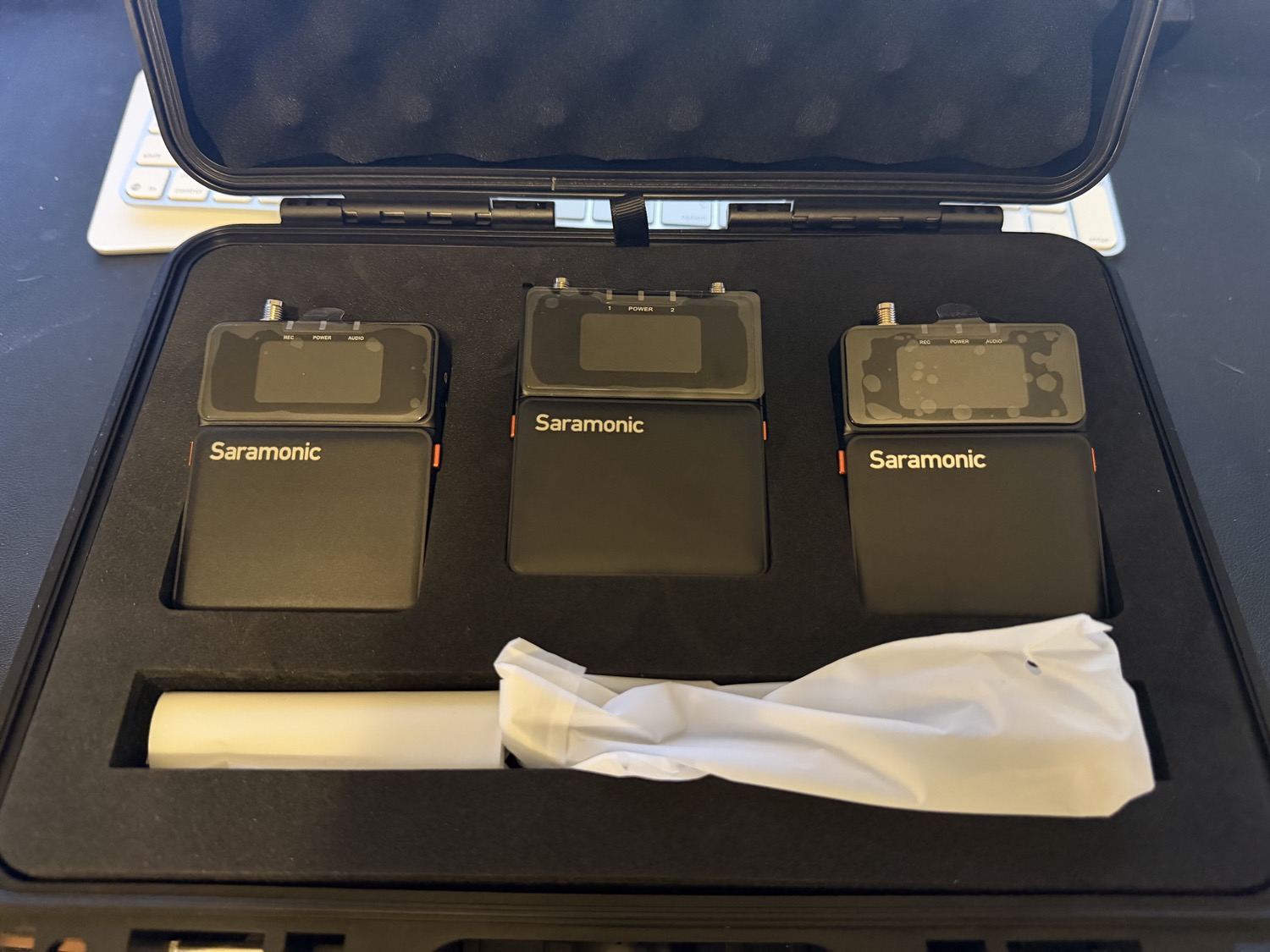
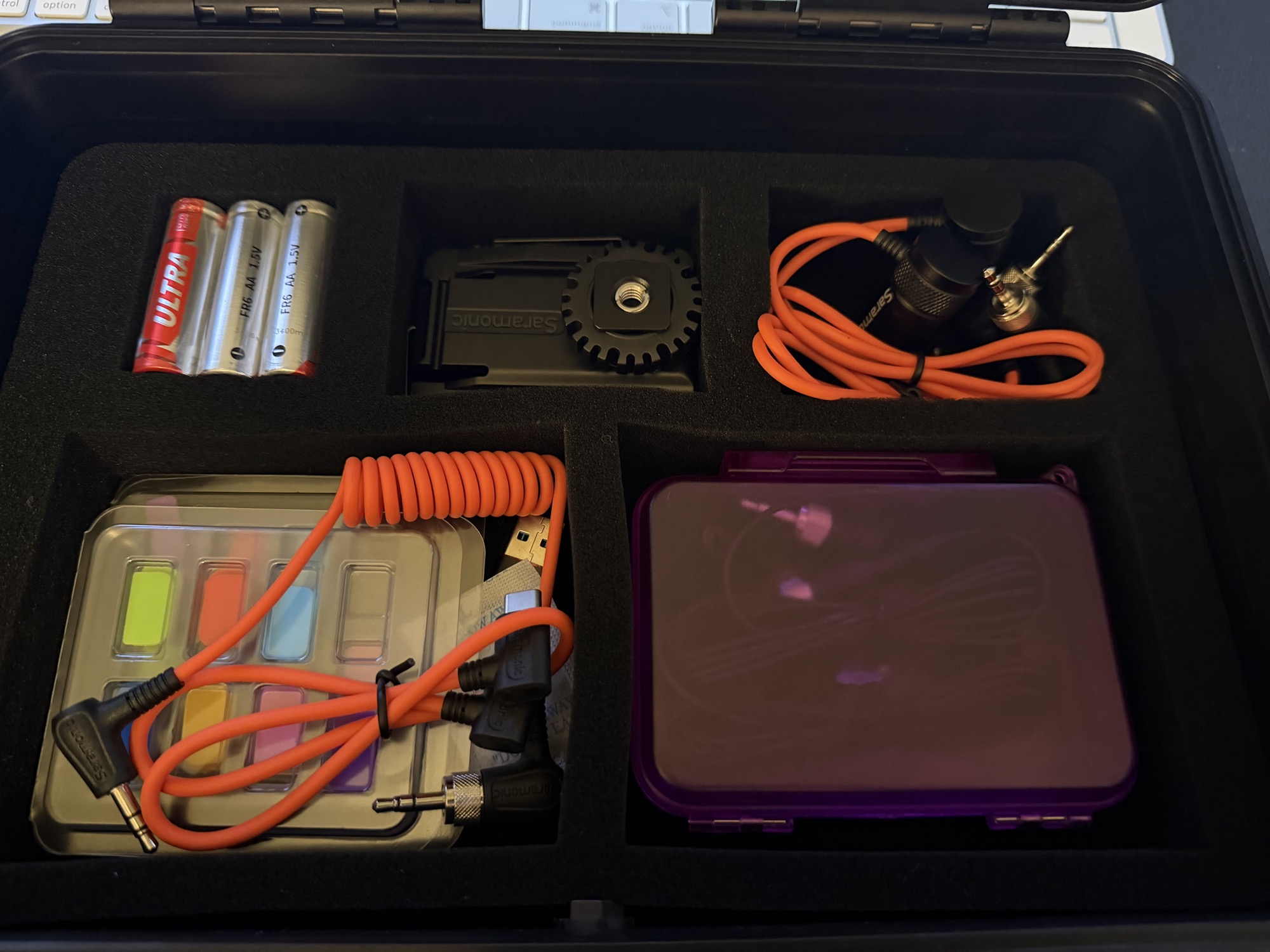
The K9 system arrives housed in a rugged, hard-sided transport case featuring custom-cut high-density foam inserts. This presentation immediately signals a departure from consumer-oriented packaging. The kit includes:
One dual-channel receiver (RX)
Two beltpack transmitters (TX)
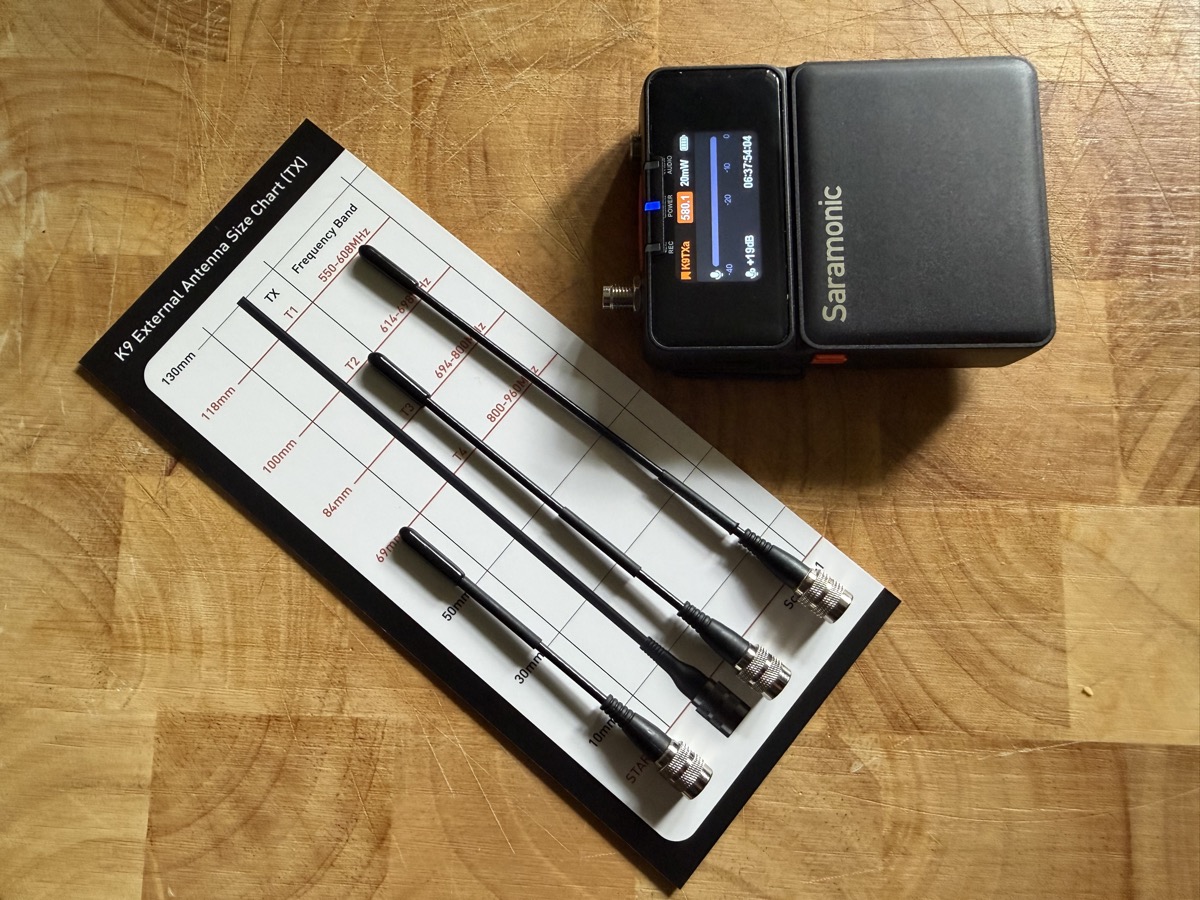
Removable SMA antennas of varying lengths (tuned to specific frequency bands)
A comprehensive frequency matching guide
High-quality audio and USB cables finished in Saramonic’s signature orange branding
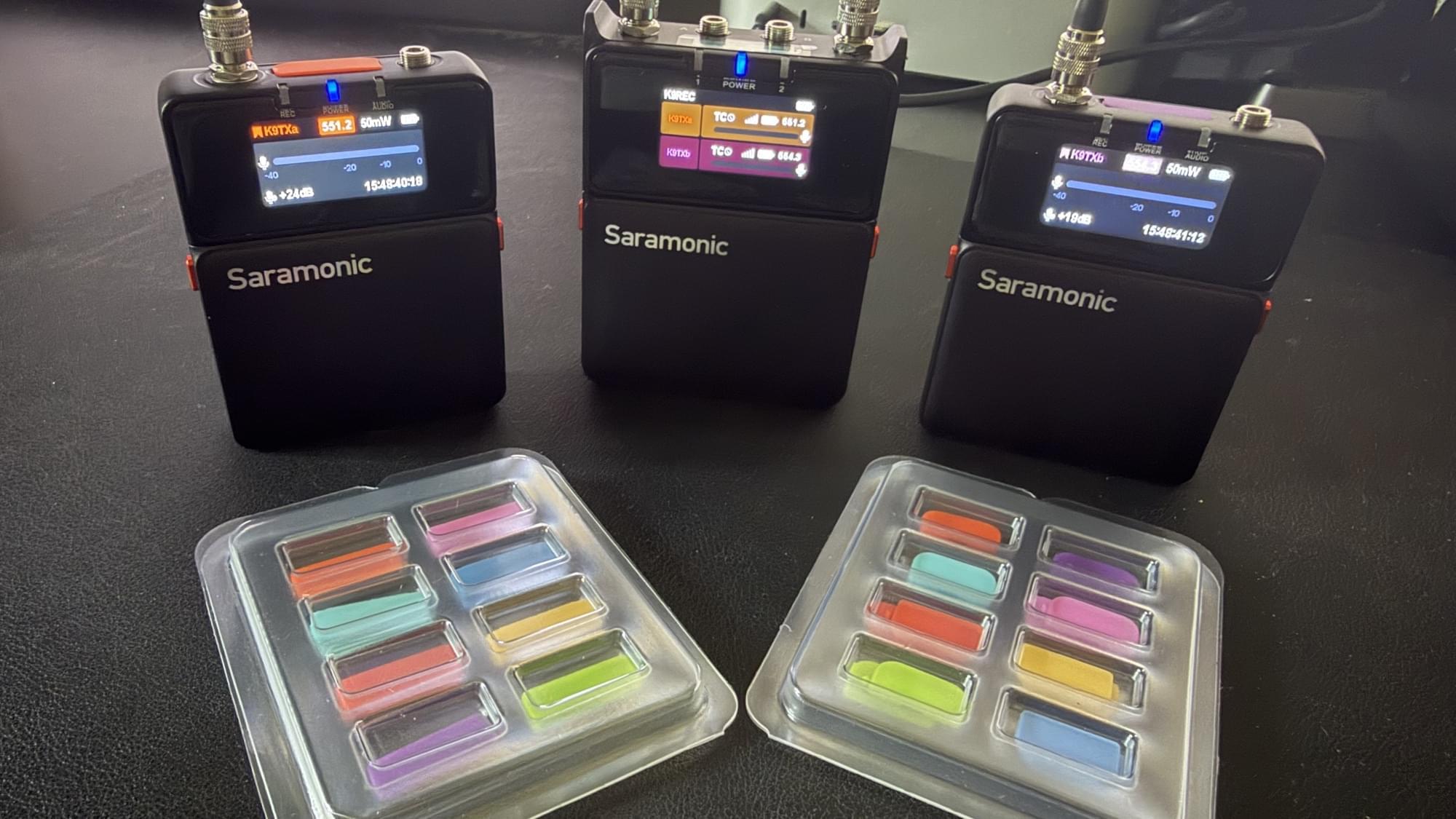
Eight interchangeable colored gel inserts for physical unit identification
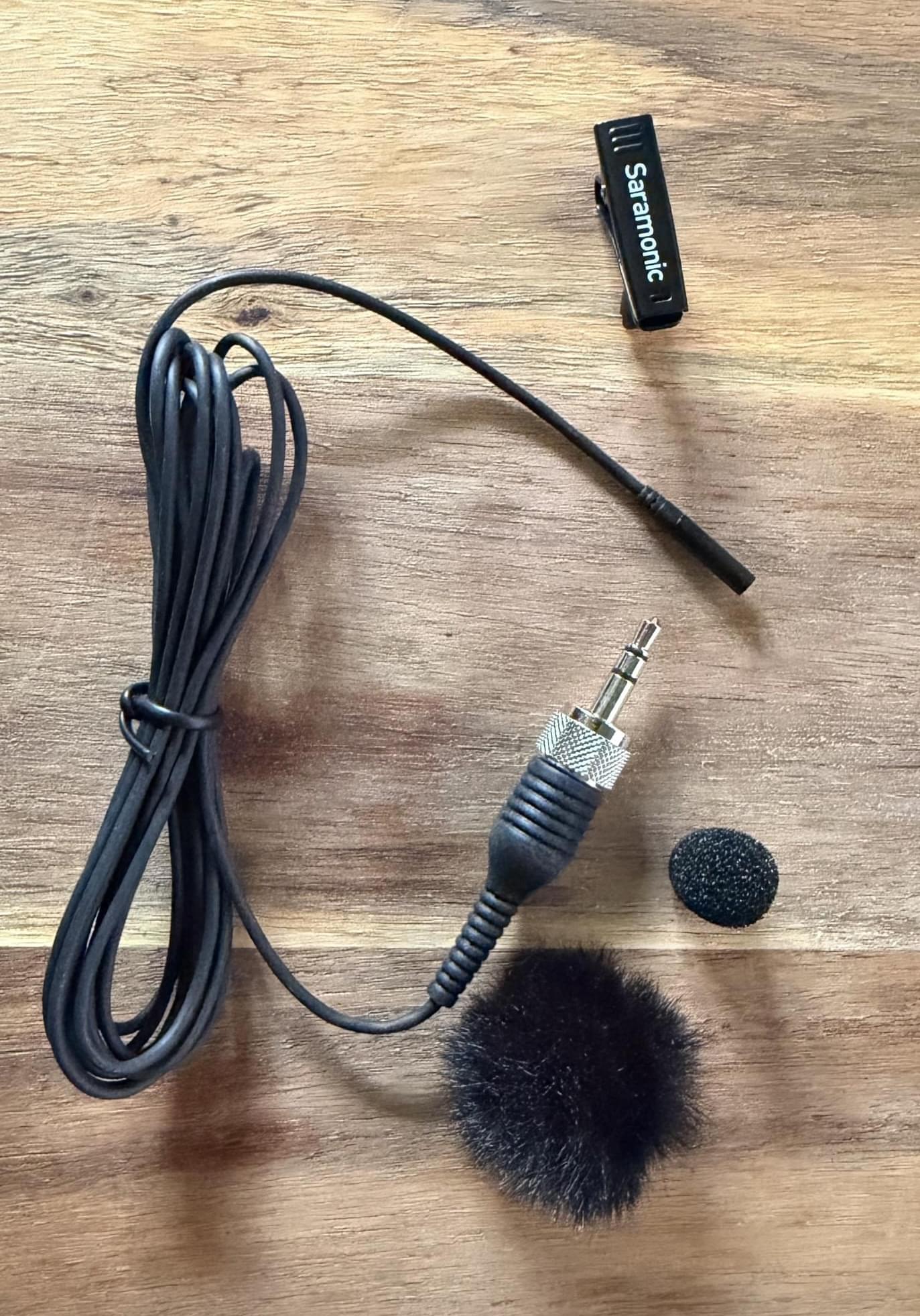
Two ultra-miniature lavalier microphones with mounting clips and windscreens
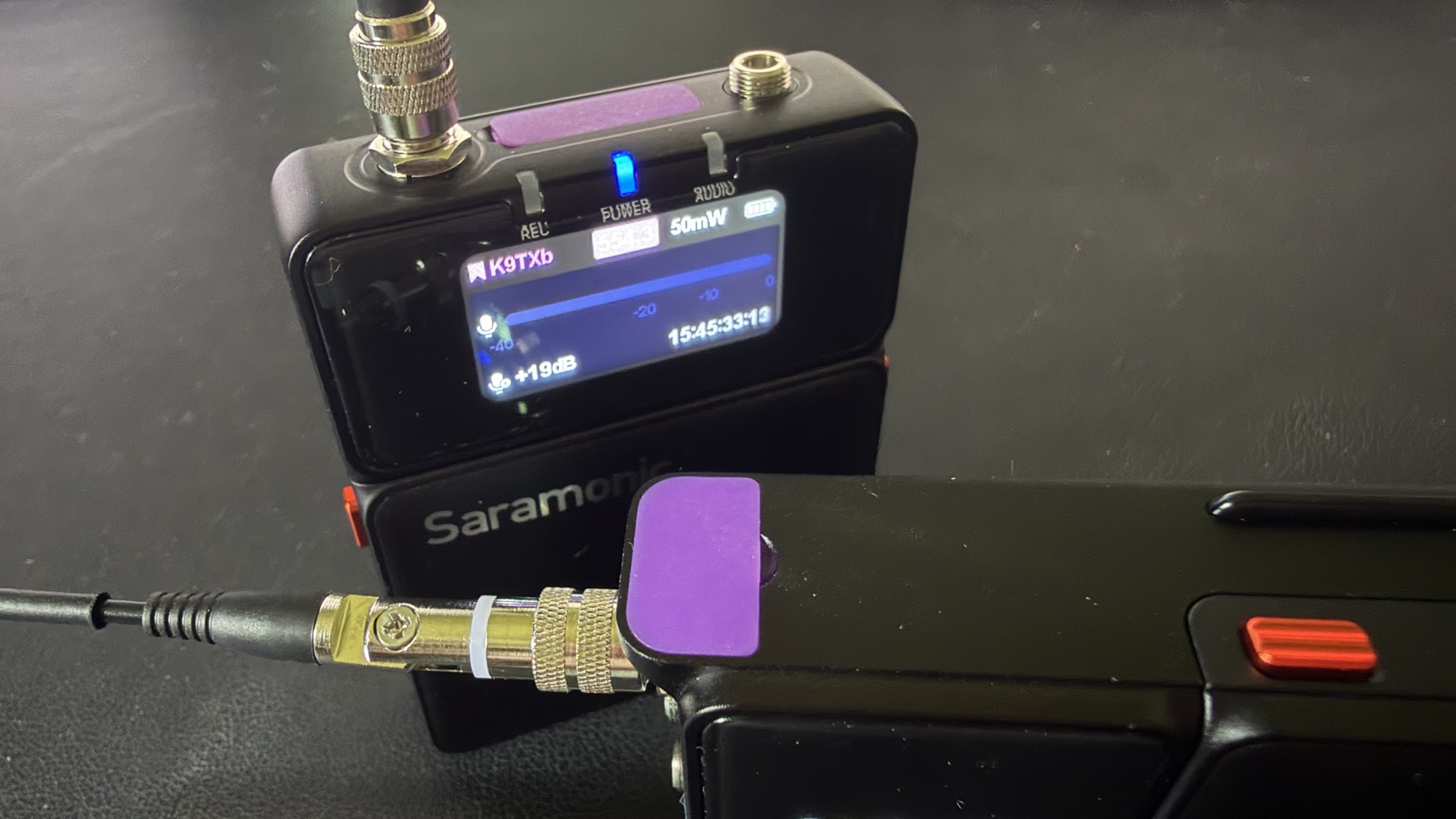
One notable omission from the package is a 3.5mm TRS-to-USB-C cable, which is required for digital timecode input to the transmitters. Users wishing to jam-sync from standard timecode generators over USB will need to purchase the proprietary Saramonic SR-USB-C02 cable separately.
2. Physical Design and Ergonomics
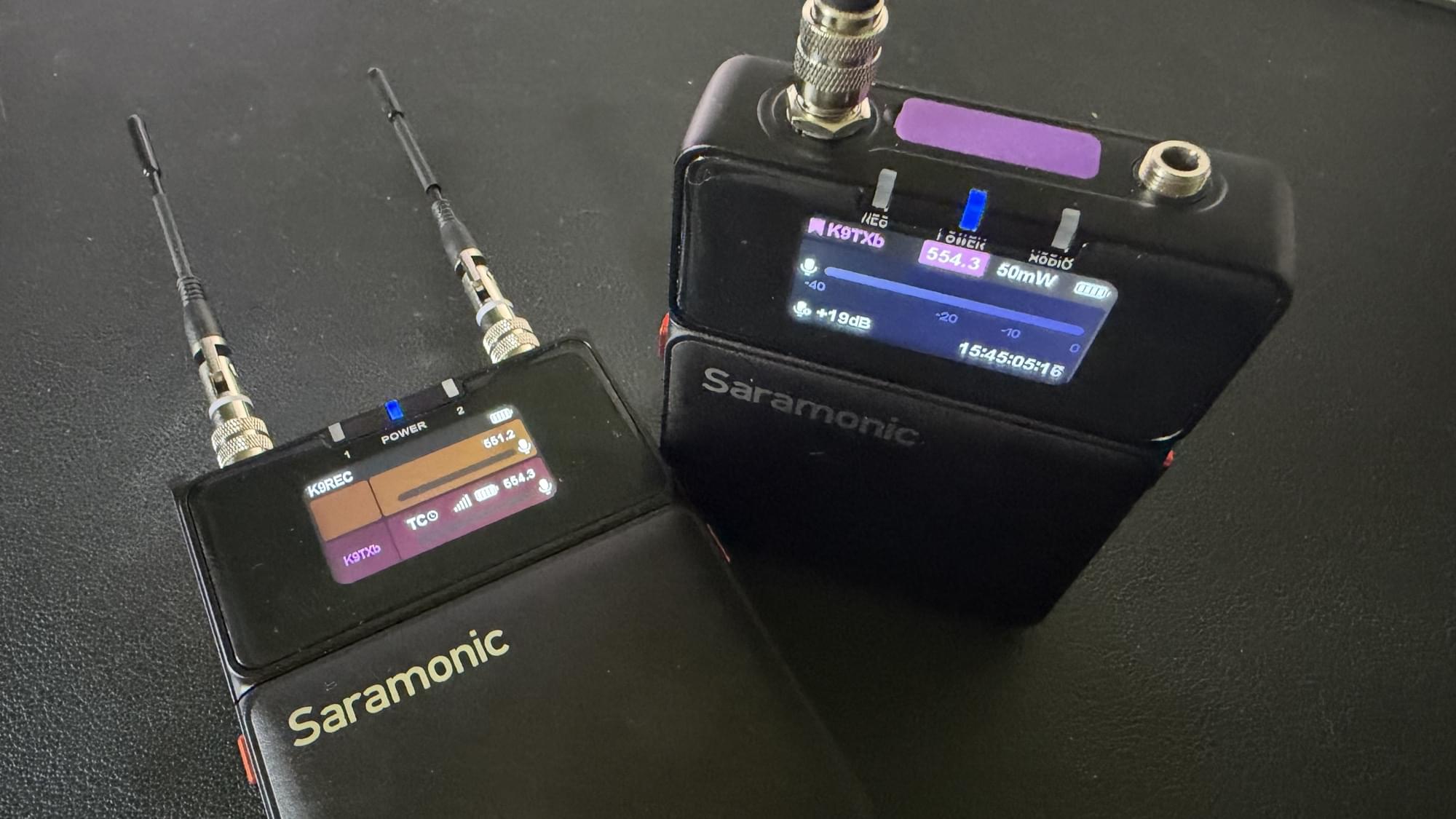
Both the transmitters and the receiver are constructed from a robust, heavy-duty metal alloy, designed to withstand the rigors of field production. The units feel dense and durable, easily matching the build quality of legacy analog workhorses like the Sennheiser G4 series.
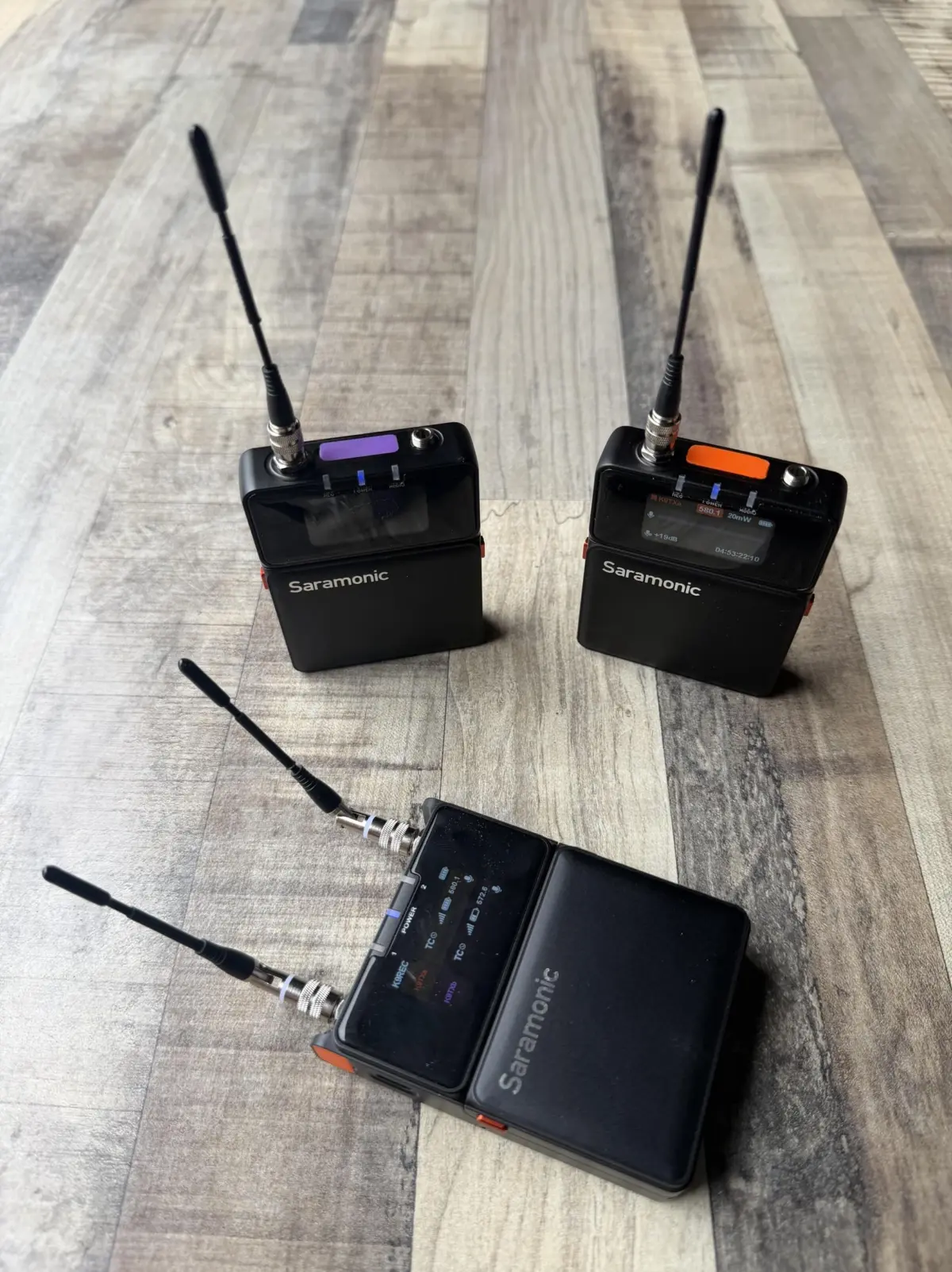
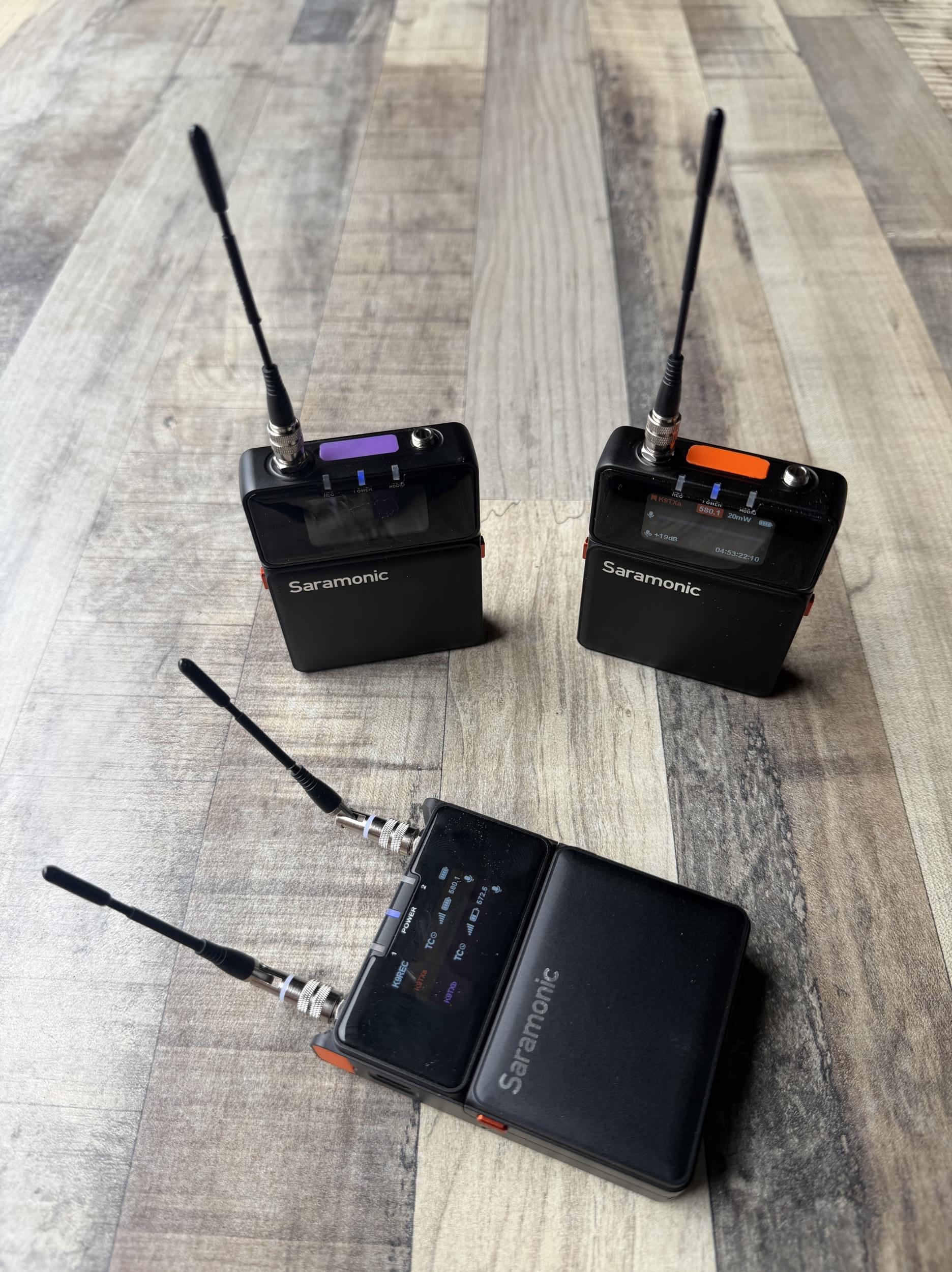
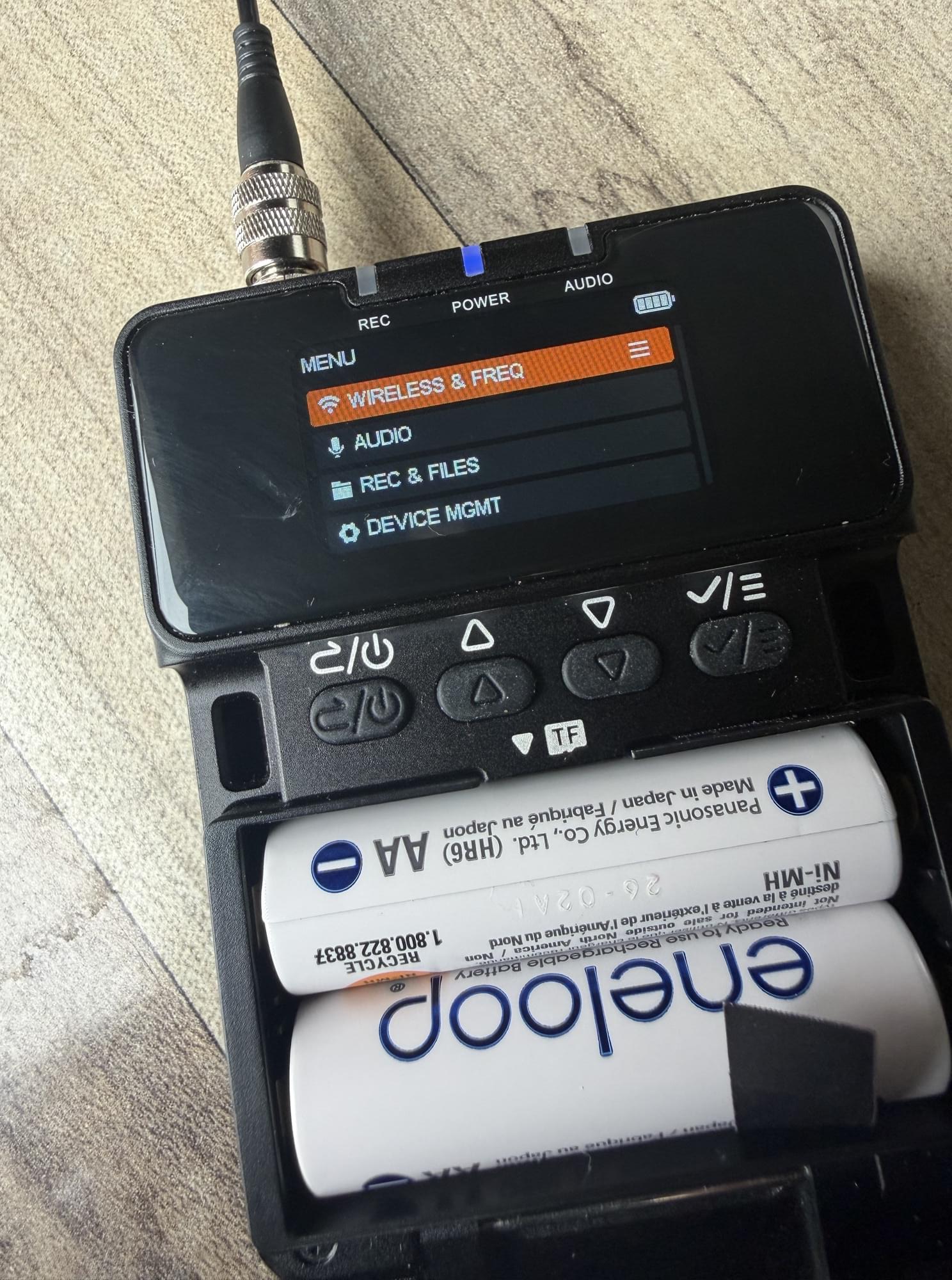
The Transmitter: The top panel of the transmitter features a locking 3.5mm TRS input configured to standard wiring specifications—a major victory for compatibility, allowing users to connect third-party microphones without custom adapters. Beside the input sits a standard SMA antenna port. The left flank houses a USB-C port utilized for external power, timecode ingestion, and microSD card data transfer. A secure flip-down front door protects the menu navigation buttons and the dual-AA battery compartment.
The Receiver: Designed primarily for audio bag or camera-top mounting, the receiver features a top-facing, high-contrast OLED display. This orientation is highly functional for sound recordists who need to monitor RF strength and audio levels at a glance. The top panel also hosts two SMA antenna ports and two independent audio outputs, which can be configured to output discrete channels or a mixed stereo feed.
3. The Setup and Initial Pitfalls
Initial configuration of the K9 system revealed two critical setup requirements that users must observe to avoid troubleshooting delays:
Antenna Dependency: Unlike some lower-frequency or consumer 2.4GHz systems that can maintain a weak connection over short distances without external antennas, the K9’s digital UHF architecture requires its SMA antennas to be physically attached to achieve pairing, even at point-blank range. Attempting to pair the units "bare" will result in sync failures.
Power Demands: Digital UHF transmission and onboard processing place a higher current draw on batteries than traditional analog transmitters. The system ships with basic alkaline batteries, which deplete rapidly during initial setup and scanning. For reliable operation, users should immediately transition to high-capacity rechargeable NiMH batteries (such as Panasonic Eneloop) or 1.5V Lithium-ion rechargeables.
Supporting Context & Metrics: Technical Specifications and Testing
To evaluate the Saramonic K9’s capabilities, we must analyze its technical specifications alongside empirical field performance data.
Technical Specification Matrix
Feature
Saramonic K9 Specification
Industry Standard Comparison (Mid-Tier)
Transmission Type
Digital UHF
Analog UHF / 2.4GHz Digital
RF Output Power
Adjustable: 10mW, 30mW, 50mW
Typically fixed at 10mW or 30mW
Onboard Recording
32-bit Float (microSD up to 256GB)
24-bit Integer or None
Outputs
Dual Balanced XLR (via 3.5mm TRS)
Unbalanced 3.5mm TRS
Antenna Connector
Removable SMA
Fixed Whip / Internal
Timecode Support
Jam-Sync (LTC) via TRS or USB-C
None / Audio LTC Only
Chassis Material
Aluminum Alloy
Polycarbonate / Thin Metal
The Power of 32-Bit Float and the Digital SPL Ceiling
The K9’s inclusion of 32-bit float onboard recording is a significant technological milestone for a system at this price point. Traditional 24-bit integer recording formats require precise gain staging; if the input signal exceeds 0 dBFS, the waveform clips, resulting in irreversible digital distortion. 32-bit float recording captures an astronomical dynamic range of up to 1528 dB, making it mathematically impossible to clip the recorded file itself.
However, a common misconception among field recordists is that 32-bit float provides an absolute safeguard against clipping. During our testing, we observed that while the recorded file format has near-infinite headroom, the system is still bound by the physical SPL ceiling of the microphone capsule and the analog preamplifier stage. If an extremely loud sound source overloads the physical capsule of the K9 lavalier before the analog-to-digital converter (ADC) can process it, the audio will distort. Proper gain staging at the transmitter level remains a best practice.
RF Power Management and Battery Run-Times
The K9 features adjustable RF transmission power, allowing users to balance signal penetration against battery conservation.
RF Power Settings & Target Use Cases:
[ 10 mW ] -----------------> Close-range, controlled environments (studios)
[ 30 mW ] -----------------> Standard field production, moderate RF congestion
[ 50 mW ] -----------------> Long-range, high-interference urban environments
In empirical testing using standard 2000mAh Panasonic Eneloop NiMH batteries:
At the default 50mW setting, the transmitters operated continuously for approximately 4 hours and 15 minutes before the battery indicator dropped to a critical single bar.
The receiver, which must constantly process dual digital streams, drained to 50% capacity within the same timeframe.
For extended shooting days, powering the units via their USB-C ports using external power banks is highly recommended.
High-Interference Field Testing (Jackson, MS)
To evaluate the K9’s digital UHF resilience, we deployed the system in downtown Jackson, Mississippi—an area known for severe RF congestion due to local broadcast towers and emergency services communication networks. In previous shoots at this location, analog Sennheiser G4 systems frequently suffered from RF dropouts, static bursts, and intermodulation interference.
The Saramonic K9 performed flawlessly. Running at 30mW RF power, the digital signal remained perfectly clean, with no audible dropouts or digital artifacts. Because digital systems transmit audio as encrypted data packets, they do not exhibit the gradual rise in background static (hiss) that analog systems experience as they approach their range limit. The audio remains pristine until the signal drops below the digital threshold (the "cliff effect"), which occurred in our open-field range test at approximately 110 meters (360 feet) line-of-sight.
Performance Shootout: Stock K9 Lav vs. Industry Standard Mics
A wireless system is only as good as the transducer capturing the physical sound waves. We conducted a frequency response and noise floor comparison between the stock K9 ultra-miniature lavalier and three industry standards: the Sanken COS-11D, the DPA 4060, and the Sennheiser ME 2-II.
The Saramonic K9 Stock Lav: Features an incredibly small capsule design that makes it exceptionally easy to conceal in wardrobe setups. Tonally, it exhibits a slightly hyped low-end response, making voices sound warm and authoritative. It is also significantly "hotter" (higher output sensitivity) than the DPA or Sanken.
Durability: The K9 lavalier is constructed with a rugged Kevlar-reinforced cable. Saramonic’s internal stress testing demonstrates that the cable can withstand extreme physical abuse, including being submerged in liquids and subjected to high-tensile pulling forces without losing signal integrity.
Value Proposition: While it does not match the clinical neutrality of the DPA 4060 ($450+ for the microphone alone), the K9 stock lavalier easily outperforms the Sennheiser ME 2-II in high-frequency clarity and physical build quality.
Official Statements & Operational Friction: The App and Patent Dilemma
While the hardware performance of the Saramonic K9 is exemplary, our investigation revealed notable software integration challenges and user-interface limitations that require consideration.
The Zaxcom Patent Constraint
A major point of discussion in the professional audio community is the inability of many modern wireless systems to record onboard audio while simultaneously transmitting RF signals. This limitation is a direct result of intellectual property enforcement. Zaxcom holds a series of restrictive patents in the United States (including US Patent No. 9,332,339) that cover the technology of a virtual wireless transmitter that simultaneously records audio locally.
Because of this patent landscape, the Saramonic K9—like many of its competitors—disables its onboard 32-bit float recording functionality when the unit is actively transmitting RF to the receiver.
Industry Context: The Zaxcom virtual wireless recording patent is widely projected to expire in 2028. Until that time, users of the K9 must choose between using the unit as a local, standalone field recorder or as a standard wireless transmitter. Once the patent expires, a simple firmware update could theoretically unlock simultaneous recording and transmission for US-based users.
Companion App and Menu Architecture Analysis
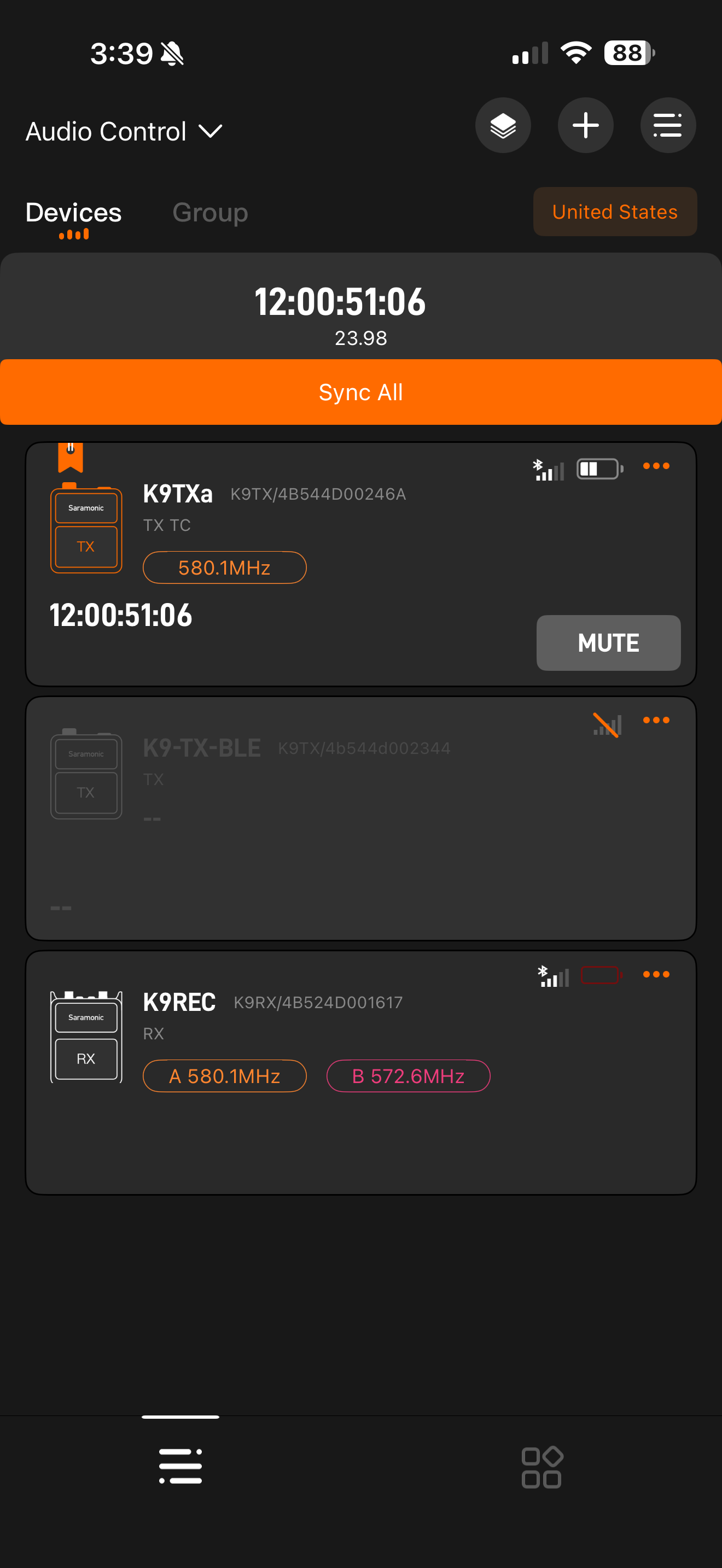
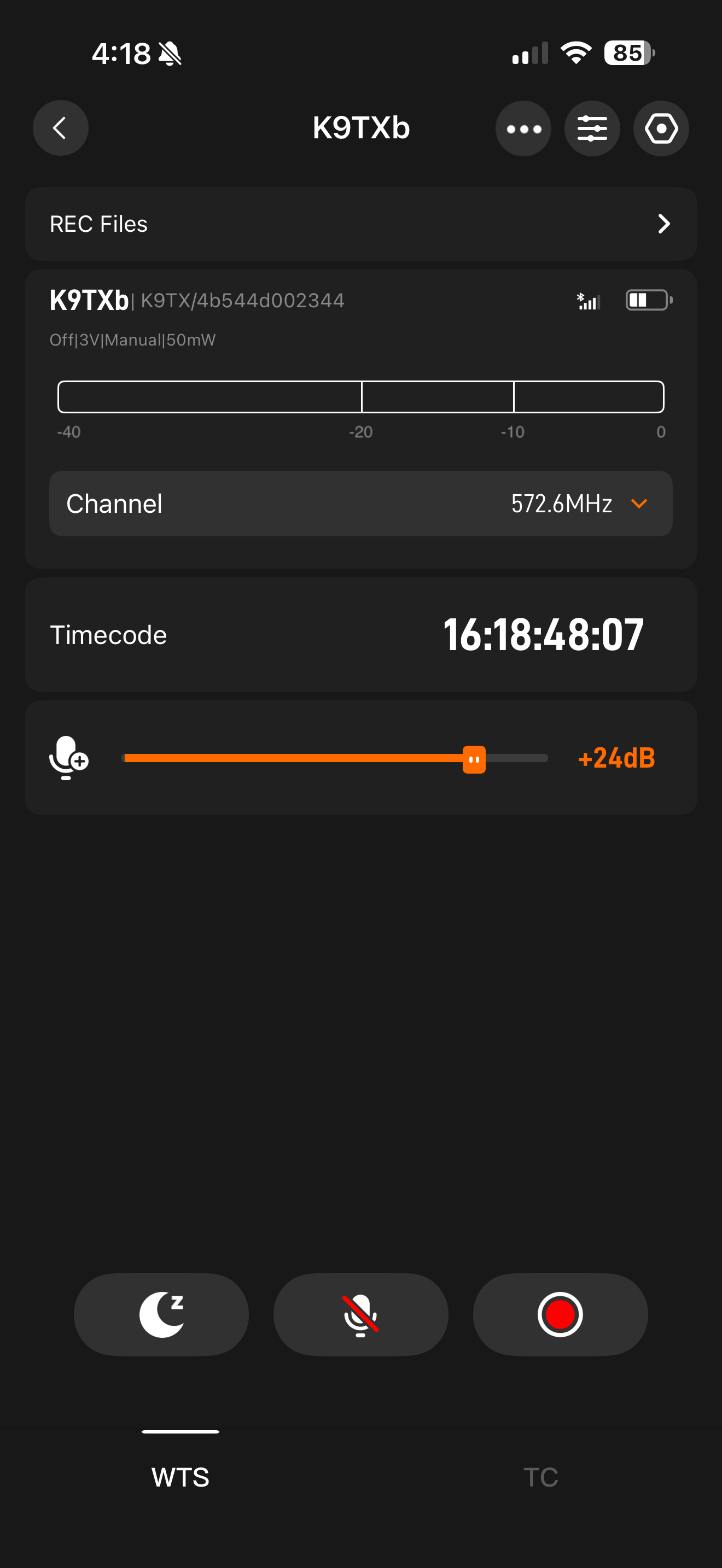
The Saramonic System iOS/Android companion app provides powerful remote control features, but its current user interface exhibits several design inconsistencies:
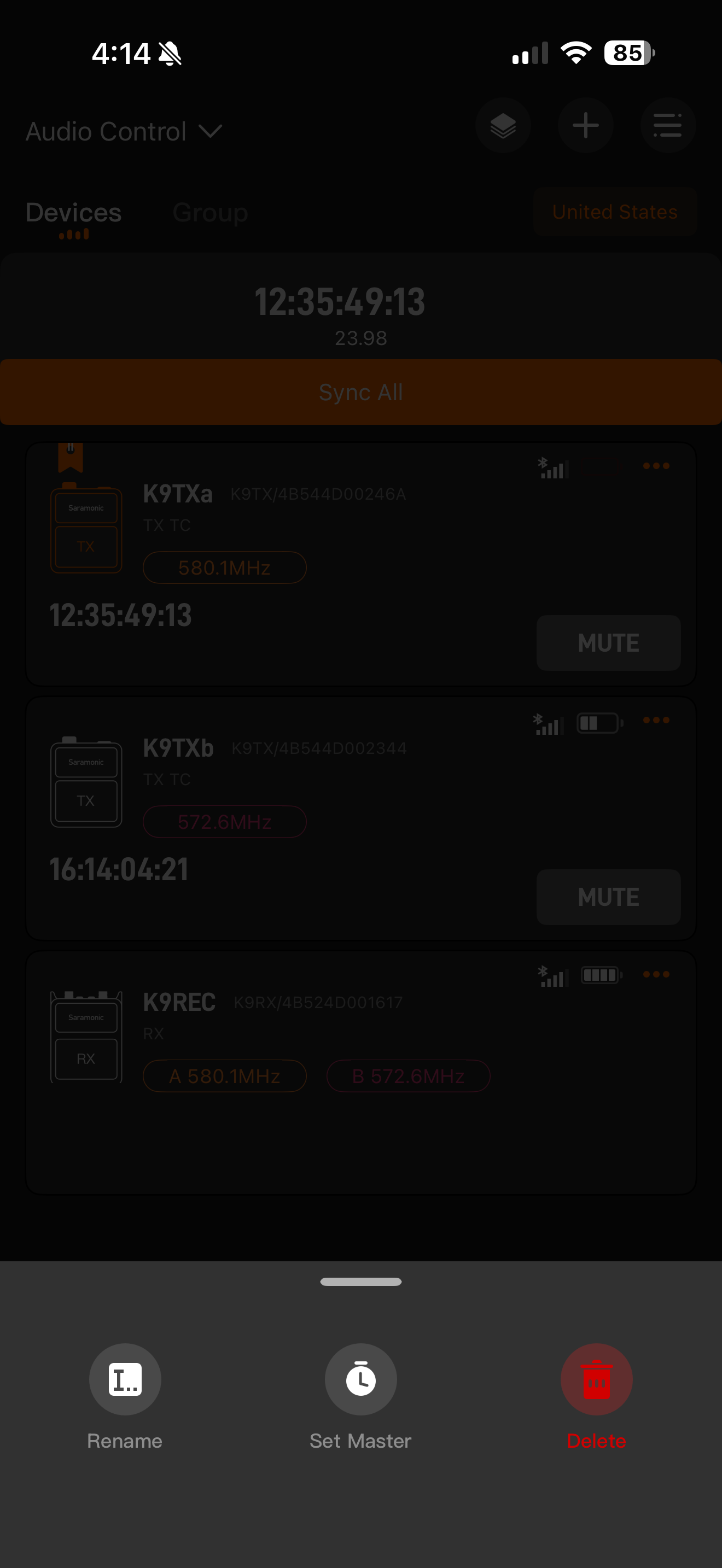
Convoluted Timecode Master Configuration: To establish a timecode workflow, one transmitter must be designated as the master clock. In the companion app, this option is not located within the dedicated "Timecode (TC)" menu. Instead, the user must navigate back to the root Device level, tap a small secondary options menu for the specific transmitter, and select "Set Master" there. This counter-intuitive placement creates friction on fast-paced sets.
Current App Navigation Path for Timecode Master:
[Root Device List]
   └── [Tap Triple-Dot Options Menu next to Transmitter]
          └── [Select "Set Master" (grouped with Rename/Delete)]  <-- Intuitively belongs in TC Menu
Buried Utility Settings: Standard maintenance functions, such as formatting the internal microSD card, are buried deep within the transmitter’s physical menu tree (Device Mgmt > Sys > SD Card) rather than being placed under the logical Rec & Files menu.
USB Storage Mode: When connecting the transmitter to a computer to offload audio files, the unit does not automatically mount as an external drive. The operator must manually navigate the transmitter’s internal menu to enable "READ" mode. We hope Saramonic addresses this in future firmware updates to allow auto-mounting by default.
Future Outlook: The New Paradigm of Wireless Audio
The Saramonic K9 represents a significant shift in the landscape of professional audio gear. By packing high-end features—such as digital UHF transmission, SMA antenna options, 32-bit float recording, and physical timecode synchronization—into a rugged, $699 dual-channel kit, Saramonic has effectively redefined what creators can expect from mid-tier equipment.
As we march toward the 2028 expiration of key wireless recording patents, the line between mid-tier and high-end systems will continue to blur. The Saramonic K9 is a forward-looking tool that delivers immediate value today. For corporate videographers, documentarians, and independent filmmakers looking to move beyond the limitations of 2.4GHz consumer systems or retire their aging analog UHF kits, the Saramonic K9 is a highly capable, exceptionally priced solution. It may not replace a multi-thousand-dollar Lectrosonics rig on a major Hollywood set, but for the vast majority of working professionals, this is the wireless audio "unicorn" they have been waiting for.