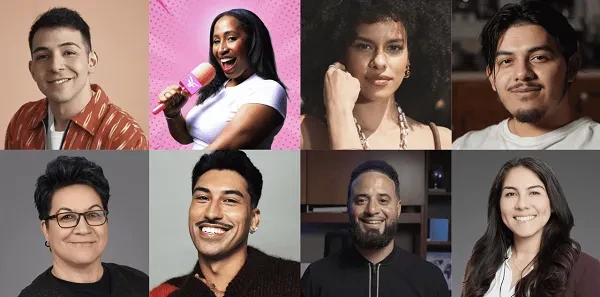
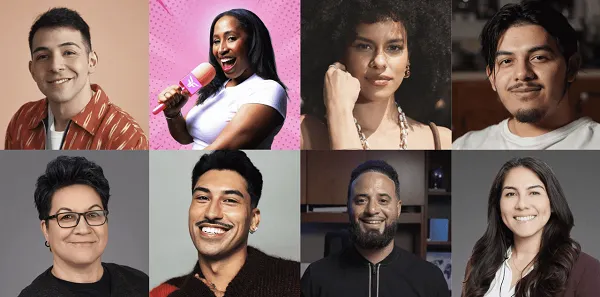
As digital platforms continually evolve to reflect the rich tapestry of global societies, short-form video giant TikTok has officially rolled out its comprehensive suite of activations, partnerships, and community initiatives for Hispanic Heritage Month 2026. Running annually from September 15 to October 15, this year’s campaign is designed to go beyond surface-level acknowledgment, offering a deeply immersive exploration of the vibrant traditions, linguistic nuances, historical legacies, and contemporary lived experiences that define the Hispanic and Latino diaspora.
At the core of this year’s initiative is a high-profile creator showcase featuring prominent voices across journalism, music, and comedy—most notably journalist Fernando Hurtado, musician Jasmine Wesley, and comedian Eric Sedeño. Through exclusive multi-format interviews, interactive community challenges, and specialized content hubs, TikTok is leveraging its immense algorithmic reach and cultural influence to amplify historically underrepresented creators.
Beyond individual spotlight moments, the campaign underscores a broader corporate strategy: solidifying the platform’s connection with diverse user demographics by proving its utility as an engine for cultural preservation and community empowerment. By deploying dedicated hashtags such as #HispanicTikTok, #LatinTikTok, #HispanicHeritageTikTokContest, and #CasaTikTok, the platform is actively curating a digital town square where traditions are not only preserved but dynamically reinvented for a global audience. This report provides an exhaustive analysis of TikTok’s 2026 Hispanic Heritage Month rollout, examining its structural components, community impact, industry context, and long-term implications for digital multicultural marketing.
Detailed Chronology: The Rollout and Evolution of HispanicTikTok
The journey toward TikTok’s robust 2026 Hispanic Heritage Month celebration represents years of organic community-building coupled with intentional corporate stewardship. To understand the gravity of the current activations, it is essential to trace how the platform evolved into a primary incubator for Hispanic and Latino cultural expression.
Phase One: Grassroots Emergence and Hashtag Adoption
Long before official corporate programming took shape, users of Hispanic and Latino descent leveraged the app’s intuitive video-editing tools and discovery engine to build micro-communities. The early adoption of foundational tags like #HispanicTikTok and #LatinTikTok created decentralized digital spaces. Here, users exchanged cultural touchstones—ranging from generational recipes and regional slang debates to explorations of the immigrant experience and complex family dynamics.
Phase Two: Institutional Recognition and Curated Showcases
As these digital enclaves scaled into massive, highly engaged communities, platform leadership recognized the necessity of moving from passive hosting to active investment. In preceding years, TikTok introduced creator grants, mentorship programs, and seasonal campaigns. By 2026, these efforts matured into a synchronized, multi-tiered initiative. The current rollout—announced officially in mid-September 2026—represents the most integrated campaign to date, systematically bridging the gap between everyday creators and mainstream media recognition.
Phase Three: The 2026 Activations and Creator Spotlight
The current deployment, active throughout the September 15 to October 15 window, is characterized by structured engagement mechanisms:
The Official Creator Showcase: Centered around high-caliber talent representing diverse creative disciplines. Journalist Fernando Hurtado brings investigative depth and social commentary; musician Jasmine Wesley infuses the campaign with rhythmic cultural fusion; and comedian Eric Sedeño delivers sharp, culturally resonant humor that bridges generational divides.
Exclusive Editorial Content: TikTok has committed its official @TikTokCreators profile as a broadcasting channel, publishing long-form interviews, behind-the-scenes profiles, and interactive Q&A sessions with the featured headliners.
Thematic Competitions: To drive participatory engagement rather than passive consumption, TikTok launched the #HispanicHeritageTikTokContest. This initiative incentivizes everyday users to share their own cultural narratives, traditions, and family histories for visibility and platform-wide recognition.
Supporting Context & Metrics: The Cultural and Economic Force of #HispanicTikTok
To fully grasp why tech giants like TikTok invest heavily in Hispanic Heritage Month, one must examine the staggering demographic weight and digital consumption habits of the Hispanic and Latino population, both in the United States and globally.
Digital-First and Mobile-Centric Demographics
Demographic studies consistently show that the Hispanic population is notably younger and more mobile-centric than the general U.S. average. According to census data and digital media consumption reports, Hispanic users over-index in smartphone adoption, social media engagement, and video consumption. Platforms like TikTok serve not merely as entertainment utilities, but as primary communication conduits, news sources, and cultural archives for younger generations (Gen Z and Millennials) navigating dual-identity experiences.
The Economic Power of Representation
From a commercial perspective, the "Latino GDP" in the United States alone ranks among the top global economies if measured independently, driven by explosive entrepreneurship and purchasing power. Brands and platforms recognize that authentic representation is no longer an optional corporate social responsibility checkbox; it is an economic imperative.
TikTok’s strategic framing of its Hispanic Heritage Month campaign taps into this reality. By creating a dedicated ecosystem supported by hashtags like #CasaTikTok, the platform provides a frictionless environment where organic community culture intersects with targeted brand affinity. Internal platform data frequently demonstrates that content housed under identity-driven hashtags generates higher-than-average engagement rates, longer watch times, and more robust comment sections characterized by deep emotional resonance and peer-to-peer validation.
Official Statements and Platform Philosophy
TikTok’s corporate communications regarding the 2026 campaign shed light on the platform’s broader philosophical approach to cultural stewardship and minority visibility.
In an official statement released via the platform’s newsroom, representatives articulated the core ethos of the campaign:
"We’re honoring creators, families, and communities who celebrate and share Hispanic and Latino heritage on TikTok through storytelling, tradition, language, and lived experiences. From cultural customs to historical figures, #HispanicTikTok continues to be a space where people can celebrate and share their stories."
This framing deliberately emphasizes agency. Rather than positioning the platform as a top-down broadcaster of cultural appreciation, TikTok frames itself as an amplifier and an infrastructure provider. The emphasis on "lived experiences" and "language" acknowledges the vast internal diversity of the Hispanic diaspora—encompassing individuals of Mexican, Caribbean, Central American, South American, and Spanish descent, each with distinct dialects, musical traditions, and historical contexts.
Furthermore, industry insiders note that these activations are designed to combat historical underrepresentation in traditional media. While Hollywood and mainstream journalism have historically struggled with equitable casting and nuanced storytelling, open-ecosystem platforms like TikTok allow creators to bypass traditional gatekeepers. By spotlighting figures like Hurtado, Wesley, and Sedeño, TikTok validates this decentralized creative model while anchoring it with high-visibility institutional support.
Future Outlook: The Evolution of Identity-Driven Social Media
As we look beyond the October 15 conclusion of Hispanic Heritage Month 2026, several key trends are emerging regarding how digital platforms will handle cultural, ethnic, and identity-based programming in the future.
1. Moving Beyond Seasonal Silos
While heritage months provide crucial temporal focal points for marketing and community celebration, industry analysts anticipate a shift toward year-round cultural integration. Platforms that succeed in retaining diverse user bases will be those that permanently embed multicultural perspectives into their core algorithms, creator support funds, and monetization infrastructure. For TikTok, the success of #CasaTikTok and the creator showcase serves as a testing ground for sustained, cross-cultural programming that persists long after the calendar turns past October.
2. The Rise of Institutional Creators
The selection of professionals like journalist Fernando Hurtado signals a maturation of the creator economy. Platforms are increasingly recognizing that cultural resonance extends beyond lifestyle influencers to include investigative reporters, educators, historians, and policy analysts. Future campaigns will likely feature an even broader cross-section of intellectual and professional talent, cementing social media as a primary arena for public discourse within marginalized communities.
3. Algorithmic Nuance and Regional Customization
As moderation and recommendation technologies grow more sophisticated, the challenge for platforms will be managing the immense diversity within broad categories like "Hispanic and Latino." Future iterations of these campaigns will likely rely on hyper-localized algorithmic tuning, ensuring that regional nuances—such as the distinct cultural experiences of Afro-Latinos, indigenous diaspora communities, and emerging bilingual generations—are accurately reflected and celebrated.
Conclusion
TikTok’s Hispanic Heritage Month 2026 campaign is much more than a temporary marketing push; it is a masterclass in modern community engagement and digital cultural preservation. By centering creators who bridge journalism, art, and humor, and by providing robust participatory frameworks through specialized hashtags and competitions, TikTok has reinforced its position as an indispensable cultural hub. As digital platforms continue to shape the contours of global identity, initiatives of this scale demonstrate the profound power of giving decentralized communities the tools to write, broadcast, and celebrate their own stories on a global stage.