Executive Overview
In what is destined to be remembered as a seismic turning point for modern entertainment, the impending unification of Paramount Skydance and Warner Bros. Discovery has cleared its final major regulatory hurdle. Following the settlement of a high-stakes, 12-state antitrust lawsuit that sought to block the transaction, David Ellison’s newly expanded media empire is officially poised to close within the fortnight.
While the past two decades of the streaming era have been defined by ambitious consolidation—from Disney’s acquisition of 21st Century Fox to Discovery’s absorption of WarnerMedia—this particular mega-merger stands apart. The sheer volume, cultural penetration, and financial footprint of the intellectual property (IP) changing hands are unprecedented. By wedding Paramount (recently acquired by Skydance Media) with Warner Bros. Discovery, Ellison’s new enterprise creates an absolute colossus.
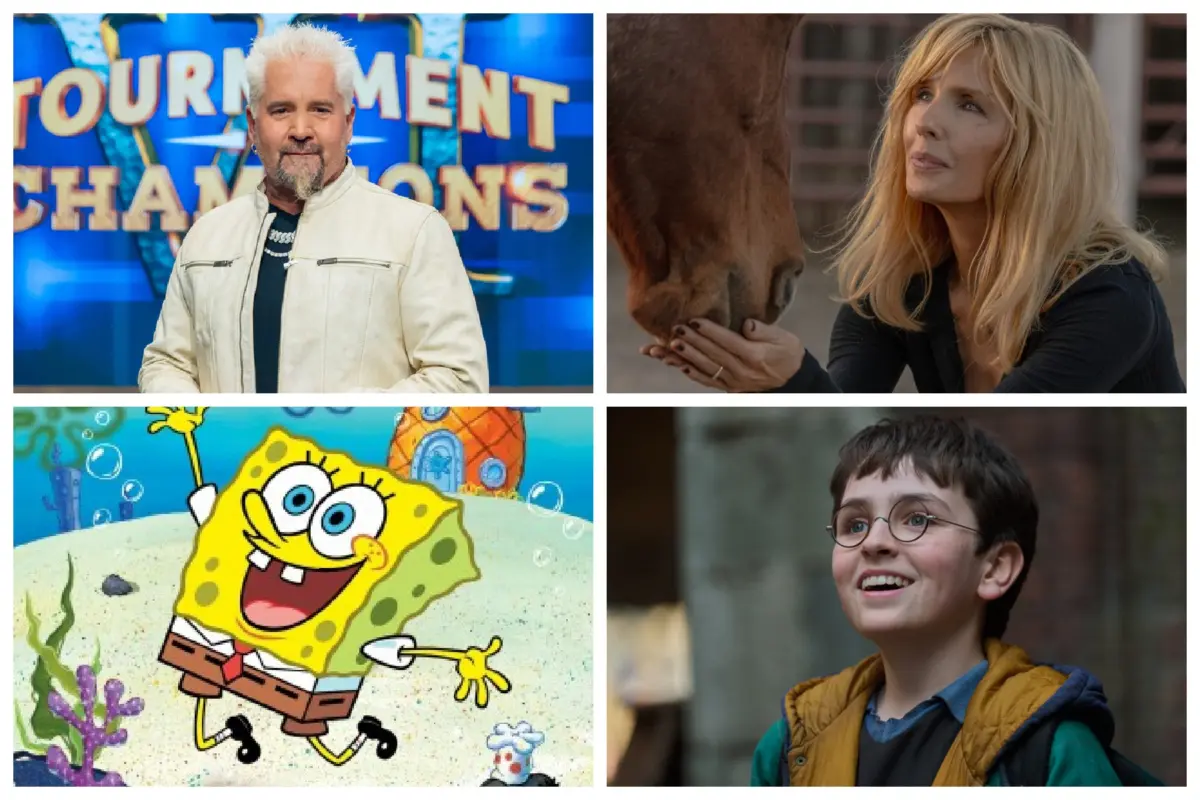
The combined entity does not merely compete in the contemporary streaming, cinematic, and linear television landscapes; it commands them. Housing everything from the wizarding world of Harry Potter and the geopolitical fantasy of Game of Thrones to the rugged expanses of Taylor Sheridan’s Yellowstone universe and the ubiquitous global reach of Nickelodeon, the merged company represents a vertiginous consolidation of the world’s most recognizable stories and characters.
Furthermore, this transaction weaves together legendary Hollywood film studios, foundational broadcast and cable networks, competing direct-to-consumer streaming services, world-class news divisions, and top-tier interactive video game development houses. As the industry braces for inevitable structural transformations, workforce adjustments, and eventual platform integration, analysts, competitors, and consumers alike are left to ponder how this unprecedented consolidation will reshape the future of global entertainment.
Detailed Chronology: From Rumors to Regulatory Clearance
The path to the Paramount Skydance and Warner Bros. Discovery marriage was neither swift nor straightforward. It represents the culmination of years of financial restructuring, corporate buyouts, and boardroom chess matches that fundamentally rewired the legacy studio system.
Phase One: The Pre-Cursors (2022–2025)
The foundational blocks for this mega-merger were laid years prior through structural upheavals at both parent companies. WarnerMedia’s messy divorce from AT&T and its subsequent merger with Discovery, Inc. to form Warner Bros. Discovery (WBD) under CEO David Zaslav in 2022 was meant to create a standalone streaming and linear titan. However, mounting linear cord-cutting pressures and heavy debt loads left WBD searching for scale.
Simultaneously, the historic Redstone-backed Paramount Global found itself vulnerable amid a transforming media market. In 2025, David Ellison’s Skydance Media—backed by major financial partners—successfully orchestrated a complex acquisition of Paramount, installing Ellison at the helm with a mandate to modernize and aggressively scale the legacy studio.
Phase Two: The Courtship and the Deal (Late 2025–Early 2026)
Barely had the ink dried on the Skydance-Paramount integration when rumors began circulating in late 2025 regarding confidential talks between Ellison and WBD leadership. By early 2026, those rumors materialized into a formal, binding agreement. The financial markets reacted with a mixture of awe and anxiety, recognizing that a combination of Paramount and Warner Bros. Discovery would instantly rival—and potentially eclipse—legacy competitors in terms of asset breadth.
Phase Three: The Antitrust Battle and Settlement (Spring 2026)
As with any transaction of this magnitude, antitrust scrutiny was immediate and fierce. A coalition of 12 states filed a joint federal antitrust lawsuit seeking to block the merger, arguing that the reduction from two major Hollywood studios and vast cable portfolios to a single entity would stifle creative competition, reduce labor opportunities for industry guilds, and create monopolistic leverage over cable operators and digital distribution platforms.
The legal standoff cast a temporary pall over the transition teams. However, intense negotiations through the spring culminated in a comprehensive settlement. While terms of the settlement include structural concessions and behavioral commitments designed to protect regional news markets and indie production ecosystems, the path was cleared for the deal to move forward.
Phase Four: The Final Countdown (Current Status)
Speaking to employees in a town-hall style address on a Monday morning in mid-2026, David Ellison confirmed that the legal roadblocks were officially in the rear-view mirror. Ellison announced to the workforce that the transaction is on track to officially close in approximately two weeks, setting off a frantic period of operational integration, executive restructuring, and strategic rebranding.
Supporting Context & Metrics: The Anatomy of a Mega-Catalog
To truly grasp the scope of the Paramount Skydance-WBD union, one must examine the exhaustive inventory of assets falling under a single corporate umbrella. No single media enterprise in history has simultaneously controlled such a diverse, multi-generational portfolio of storytelling engines.
Top IP & Franchises
The cultural footprint of the combined company touches nearly every demographic, from toddlers to Baby Boomers.
- Paramount Contributions: The modern cultural zeitgeist is heavily influenced by Paramount’s stable, led by Taylor Sheridan’s neo-Western juggernaut Yellowstone and its sprawling universe of spinoffs. On the cinematic side, high-octane action franchises like Mission: Impossible, Top Gun, and Transformers anchor the slate, alongside timeless classics like The Godfather. Family and animation mainstays include the multi-billion-dollar Teenage Mutant Ninja Turtles, Dora the Explorer, Paw Patrol, Avatar: The Last Airbender, and the unstoppable underwater phenomenon SpongeBob SquarePants. Add in adult animation trailblazer South Park and sci-fi cornerstone Star Trek, and the breadth is staggering.
- Warner Bros. Discovery Contributions: WBD counters with some of the most enduring mythologies in human history. J.R.R. Tolkien’s The Lord of the Rings and J.K. Rowling’s Harry Potter (which is currently being adapted into a massive, multi-season HBO streaming series) represent the pinnacle of fantasy world-building. The DC Universe brings iconic superheroes like Batman, Superman, and Wonder Woman, while Game of Thrones remains a gold standard for prestige fantasy television. Culturally pervasive comfort-viewing staples like Friends and The Matrix sit alongside animation royalty Looney Tunes and high-impact gaming properties like Mortal Kombat. Furthermore, WBD brings an unmatched unscripted and lifestyle empire featuring Tournament of Champions, Chopped, Home Town, House Hunters, and 90 Day Fiancé.
Film & Television Production Studios
The physical production infrastructure of the combined entity gives it unparalleled leverage over global soundstages, talent rosters, and distribution channels.
- Paramount Production Houses: Paramount Pictures, Paramount Television Studios (including MTV Entertainment Studios), CBS Studios, Skydance Media, and Paramount Animation.
- WBD Production Houses: Warner Bros. Pictures, Warner Bros. Television Studios, New Line Cinema, and DC Studios.
Linear TV Networks
While linear television faces structural headwinds from cord-cutting, the combined cash flow and advertising inventory of these legacy networks provide a massive financial foundation.
- Paramount Linear Networks: CBS, Nickelodeon/Nick Jr., MTV, VH1, CMT, Comedy Central, Showtime, Paramount Network, BET, and TV Land.
- WBD Linear Networks: CNN, HBO, Cartoon Network/Adult Swim, TBS, TNT, truTV, Discovery Channel, HGTV, Food Network, TLC, Investigation Discovery (ID), Magnolia Network (the joint venture with Chip and Joanna Gaines), OWN, and Animal Planet.
Streaming Services
The digital battleground has been the primary driver of modern media consolidation. The merger forces a strategic reckoning regarding direct-to-consumer platforms.
- Paramount Platforms: Paramount+ and the industry-leading free ad-supported streaming television (FAST) service Pluto TV.
- WBD Platforms: HBO Max and Discovery+.
- Strategic Note: Industry insiders anticipate an aggressive consolidation roadmap that will eventually marry the prestige-and-family library of HBO Max and Paramount+ into a singular, all-encompassing digital super-app, while optimizing Pluto TV and Discovery+ for targeted demographic capture.
News Organizations
Journalistic responsibility and global newsgathering enter a fascinating new era with the alignment of two premier journalistic institutions.
- Paramount: CBS News, renowned for its historic legacy in broadcast journalism, investigative reporting via 60 Minutes, and morning broadcasting dominance.
- WBD: CNN, the pioneer of 24-hour global cable news, boasting bureaus spanning every corner of the globe.
Gaming Studios
Interactive entertainment is no longer a sideline; it is a primary revenue and narrative driver. The combined gaming divisions represent an enviable powerhouse of AAA development talent.
- Paramount Gaming: Paramount Games Studio, comprising the newly combined Skydance New Media (led by industry veteran Amy Hennig) and Skydance Interactive.
- WBD Gaming: Warner Bros. Games, Warner Bros. Games Montreal, Avalanche Software, NetherRealm Studios, Rocksteady Studios, and TT Games. This gives the company ownership of major interactive hits like Hogwarts Legacy, the Batman: Arkham series, and Mortal Kombat.
Official Statements and Industry Reaction
The corporate transition has elicited strong reactions across Hollywood, Wall Street, and Washington.
In his Monday memo to staff, David Ellison struck a tone of cautious optimism mixed with pragmatic realism. While celebrating the impending close of the transaction, Ellison did not shy away from the operational realities that lie ahead. The merger will inevitably trigger profound structural evaluations as leadership looks to eliminate redundancies, streamline overhead, and optimize asset allocation across legacy and digital platforms.
"We are building something unprecedented," Ellison reportedly wrote to employees. "The combination of these historic libraries, unmatched creative talent, and world-class distribution platforms gives us an extraordinary platform to shape the future of entertainment. However, our immediate focus during this transition will be stability, respect for our creative partners, and a disciplined approach to building a unified company."
Outside voices within the creative community have expressed a mixture of excitement and apprehension. While top-tier showrunners and filmmakers recognize that a combined Paramount-WBD will possess the financial muscle to greenlight high-budget, ambitious theatrical projects and series, union representatives and labor guilds have sounded alarms regarding potential layoffs and production contraction.
The successful resolution of the 12-state antitrust lawsuit came with strict oversight provisions, ensuring that the merged entity must honor specific commitments regarding independent vendor utilization and regional labor protection—a concession that ultimately saved the deal from protracted federal litigation.
Future Outlook: Navigating the Brave New World of Media
As the dust settles on the legal battles and the two-week countdown to closing ticks away, attention shifts entirely to execution. Owning the world’s greatest catalog of intellectual property is only half the battle; monetizing it efficiently in a shifting consumer economy is the ultimate test.
The Streaming Dilemma
The most immediate question facing Ellison and his executive team involves the architectural roadmap for streaming. Maintaining separate, high-overhead ecosystems like Paramount+ and HBO Max no longer makes financial sense in an era where Wall Street demands profitability over subscriber acquisition at all costs. Observers anticipate a phased integration plan that will eventually consolidate prestige, unscripted, and family content into a unified digital interface—though managing subscriber churn during such a transition will require surgical precision.
Linear Optimization and the Ad Market
While linear television networks face secular decline, they remain highly lucrative cash-generating machines, particularly when bundled with sports rights (such as CBS’s NFL coverage and NCAA March Madness) and news advertising. The combined sales teams will wield unprecedented leverage in upfront negotiations with major brand advertisers, offering everything from morning news spots to targeted digital ad placements on Pluto TV.
The Creative Identity of the New Studio
Perhaps the most delicate challenge will be preserving the distinct cultural identities of the respective studios. Paramount Pictures and Warner Bros. Pictures have rich, century-old histories that define the golden age of American cinema. Ensuring that creative autonomy is preserved amidst corporate restructuring will be vital to retaining top-tier talent in an environment where boutique production houses and streaming upstarts are constantly courting high-profile auteurs and showrunners.
Ultimately, the Paramount Skydance and Warner Bros. Discovery mega-merger signals the end of an era of fragmented streaming wars and the dawn of a hyper-consolidated age. Whether this titan can successfully bend its vast constellation of assets into a profitable, innovative, and culturally vibrant enterprise will determine not just the fate of David Ellison’s empire, but the trajectory of global entertainment for decades to come.