







Executive Overview
The countdown to the global technology ecosystem’s most anticipated annual gathering has officially entered a high-stakes phase. TechCrunch Disrupt 2026—scheduled to take place from October 13 to October 15 at Moscone West in San Francisco—has announced an aggressive, limited-time flash sale that cuts an additional $100 off existing ticket prices. This latest promotional window stacks directly on top of the event’s baseline $300 early-bird discount, presenting founders, venture capitalists, enterprise leaders, and independent builders with a rare opportunity to secure access at a fraction of standard rates.
Set to run through Friday, August 7, at 11:59 p.m. PT, this flash sale represents the absolute floor for ticket pricing before the next major rate tier kicks in on August 21. For an event expected to draw over 10,000 attendees from every corner of the global startup and investment landscape, the financial incentive is designed to pull forward commitments from those mapping out their strategic calendars for the autumn conference season.
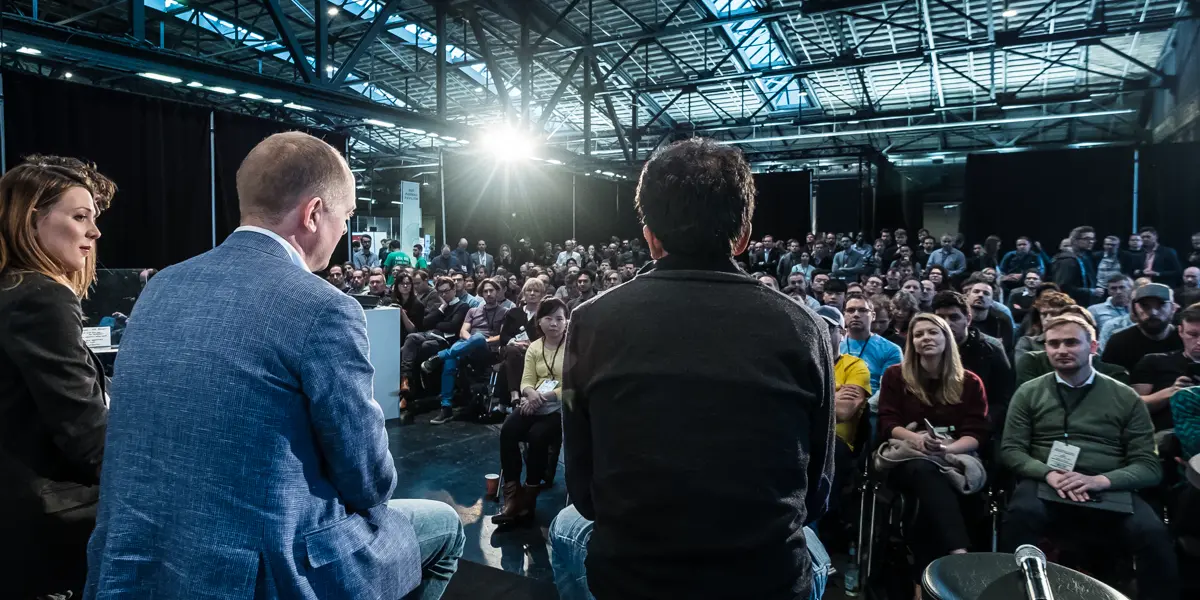
Beyond the ticket promotions, the timing coincides with a major wave of programming rollouts. Organizers have pulled back the curtain on an ambitious, multi-tracked agenda spanning five distinct stages. From artificial intelligence infrastructure and sovereign fintech systems to the post-smartphone hardware paradigm and tactical scaling workshops, Disrupt 2026 is positioning itself not merely as a networking conference, but as an operational laboratory for the next decade of technological evolution.
Detailed Chronology
The pathway to TechCrunch Disrupt 2026 has been marked by a carefully orchestrated sequence of programming announcements, ticket tier shifts, and strategic content reveals designed to build sustainable momentum across the summer months.
The Summer Programming Unveil
The strategic rollout of the 2026 conference agenda began in earnest at the start of July, establishing clear thematic pillars across the tech ecosystem.
- July 1: Organizers revealed the agenda for the perennial favorite, the Builders Stage, setting a tactical tone focused on hard-nosed strategies for startup fundraising, technical hiring, and enterprise scaling.
- July 24: The introduction of the New Smart Money Stage signaled a deliberate pivot toward the intersection of high finance and emerging technology, focusing heavily on stablecoins, real-time payment rails, and the institutionalization of AI-driven financial trust.
- July 27: The debut of the Smart Systems Stage addressed the foundational physical bottlenecks of the digital revolution, exploring the complex interplay between nuclear fusion breakthroughs, escalating grid strain, and the staggering energy footprints required to power AI over the next ten years.
- July 28: The AI Stage agenda dropped, zeroing in on the micro-economic shocks rippling through the software-as-a-service (SaaS) sector, the compounding security gaps inherent in autonomous agent deployments, and the broader SaaS reckoning forced by generative models.
- July 30: The initial flagship lineup for the Disrupt Stage went live, instantly dominating industry headlines with high-profile confirmations from computing and consumer hardware giants.
The Flash Sale Window
With the core intellectual framework of the conference established, organizers opened the current promotional floodgates.
- August 3 (Today): The launch of the exclusive flash sale cuts an additional $100 off the ongoing $300 discount, providing a compounding financial discount for early registrants across founder, investor, and general attendee passes.
- August 7 (11:59 p.m. PT): The hard deadline for the flash sale. Once this window closes, the extra $100 price reduction disappears permanently.
- August 21: The transition date for the broader pricing tier, after which baseline ticket costs will scale upward significantly as the event approaches.
- October 13–15: The operational execution of TechCrunch Disrupt 2026 at Moscone West, San Francisco.
Supporting Context & Metrics
To truly understand the weight of TechCrunch Disrupt 2026, one must examine the macro environment in which it operates. The technology sector in 2026 is defined by a paradox of hyper-acceleration in artificial intelligence capabilities alongside tightened venture capital selectivity. Founders are no longer rewarded merely for narrative momentum; they are under immense pressure to demonstrate capital efficiency, unit economics, and structural resilience.
The Scale of the Ecosystem
Disrupt remains the premier crucible for early-stage validation. The 2026 iteration is engineered to handle massive throughput across its three-day footprint:

- Attendance: Over 10,000 verified founders, investors, engineers, and enterprise innovators converging on San Francisco’s Moscone West facility.
- Startup Battlefield: A centerpiece competition featuring 200 hand-selected early-stage startups battling live on stage for the prestigious Battlefield Cup and non-dilutive capital validation.
- Exhibition Floor: Hundreds of bleeding-edge startups showcasing hardware, software, biotech, and deep-tech innovations directly to potential enterprise clients and tier-one investors.
The Economic Equation of Attendance
In an era where corporate travel budgets face strict scrutiny, conference ROI is scrutinized more closely than ever. By layering a flash sale discount on top of early-bird rates, TechCrunch is directly addressing the cost-benefit calculus for boot-strapped startups and lean venture funds. Attendees gain not only physical access to keynote stages and workshops, but also entry into proprietary networking applications designed to facilitate high-value 1:1 meetings between capital allocators and those building the next wave of infrastructure.
Official Statements & Industry Perspectives
The curatorial philosophy behind Disrupt 2026 emphasizes actionable execution over passive consumption. According to conference producers, every square foot of Moscone West is being intentionally designed to foster commercial acceleration.
"This isn’t a passive conference you simply watch—it’s a curated itinerary of speakers, workshops, networking opportunities, and post-event excitement for those actively building, investing, and looking for what’s next," notes the official programming mandate for the event.
The speaker lineup reflects this high-utility ethos, bringing together figures operating at the absolute bleeding edge of consumer technology and software development.
- Panos Panay (SVP of Devices and Services, Amazon): Confirmed for the Disrupt Stage, Panay’s presence signals an urgent industry-wide conversation regarding the post-smartphone future. As consumer hardware search for post-mobile form factors—spanning ambient computing, spatial interfaces, and wearable AI—Amazon’s hardware chief is expected to outline how ambient intelligence will reshape physical device ecosystems.
- Amjad Masad (Founder and CEO, Replit): Masad’s inclusion addresses the democratization of software creation. In a world where foundational models allow non-technical operators to spin up complex software architectures via natural language prompts, the traditional software development lifecycle is experiencing an existential shift. Replit’s positioning at the vanguard of collaborative, AI-native coding environments makes this session mandatory listening for software founders.
Future Outlook
As the technology sector navigates the latter half of the decade, events like TechCrunch Disrupt 2026 serve as vital weather vanes for industrial direction. The four-pronged thematic focus of this year’s stages—ranging from the power grid limitations explored on the Smart Systems Stage to the shifting monetization models dissected on the AI and Smart Money stages—paints a clear picture of where capital and engineering talent will flow over the next 24 to 36 months.
For founders and investors, the window to secure entry under optimal financial conditions is narrowing rapidly. With the flash sale set to shutter on Friday, August 7, and standard pricing tiers escalating on August 21, the financial barrier to entry will only rise from this point forward.
The road to San Francisco is officially paved. For those intent on shaping the next wave of enterprise infrastructure, consumer hardware, and intelligent software, locking in registration ahead of Friday’s deadline is not merely a tactical budget decision—it is the first official step toward claiming a stake in the future of the global technology economy.