








Executive Overview
In a significant move that signals both institutional confidence and a deepening commitment to its growing catalog, games publisher Secret Mode has officially announced the opening of a dedicated internal development studio based in Sheffield, United Kingdom. Revealed via a corporate press release, the newly established studio is designed to function as an operational and technical engine room for the publisher’s expanding portfolio, which includes hit titles such as Escape the Backrooms and Chained Together, alongside highly anticipated upcoming releases like Star Wars: Galactic Racer.
Rather than focusing on greenlight original IP from scratch, the Sheffield-based team has been strategically architected to support existing and incoming titles under the Secret Mode banner. Its primary directives will encompass the continuous deployment of updates and downloadable content (DLC), the meticulous management of cross-platform porting operations, the long-term stewardship and maintenance of codebase health, and—crucially—the provision of supplemental developmental support to external, independent partner studios who may require additional bandwidth during peak production cycles.
The leadership team tasked with steering this new venture boasts deep roots in the British gaming landscape. Dan Secker, Secret Mode’s Vice President of Technology and Operations, will oversee the studio alongside Jacob Habgood, who steps into the role of Technical Development Director. The appointment of Secker and Habgood highlights Secret Mode’s foundational ties to Sumo Group, the publishing division’s former parent company, bringing a wealth of AAA and indie-adjacent expertise to the burgeoning outfit.
This studio opening marks a mature evolution for Secret Mode. Originally launched in 2021 as an in-house publishing arm of Sumo Group, the company navigated a corporate restructuring early last year that saw it split from Sumo to operate as a fully independent publisher. While that transition necessitated a modest round of internal structural downsizing, the establishment of this new Sheffield hub demonstrates that Secret Mode is pivoting firmly toward sustainable, long-term growth. By keeping technical maintenance, porting, and post-launch support centralized under experienced leadership, Secret Mode is positioning itself to maximize the commercial and community lifespan of its titles in an increasingly volatile global games market.
Detailed Chronology: From Sumo Inception to Independent Expansion
To fully understand the strategic weight of Secret Mode’s new Sheffield studio, it is necessary to examine the timeline of the publisher’s corporate evolution, which has been marked by rapid adaptation, corporate divestment, and resilience in the face of wider industry contraction.
2021: The Birth of Secret Mode under Sumo Group
Secret Mode first burst onto the games industry scene in 2021 as a specialized publishing label established by Sumo Group. The objective at the time was clear: to champion both in-house projects developed by Sumo’s sprawling network of studios and select independent titles from external developers. By leveraging Sumo Group’s immense institutional backing, technical prowess, and industry connections, Secret Mode quickly carved out a niche in the indie and mid-tier publishing space, bringing distinct titles to market with robust backing.
Early 2024: The Independence Split
As the economic realities of the video game industry shifted dramatically throughout 2023 and early 2024, corporate structures across the board began to recalibrate. In a major strategic pivot early last year, Secret Mode officially split from Sumo Group to become a fully independent publisher. This corporate untethering allowed Secret Mode to chart its own commercial course, securing its autonomy. However, like many independent transitions born out of corporate realignment, the move was not without growing pains. The restructuring resulted in a "small number" of layoffs at the publisher, a quiet testament to the leaner operational model required for independent survival.
Late 2024 – Present: Cementing the Portfolio and Establishing Sheffield
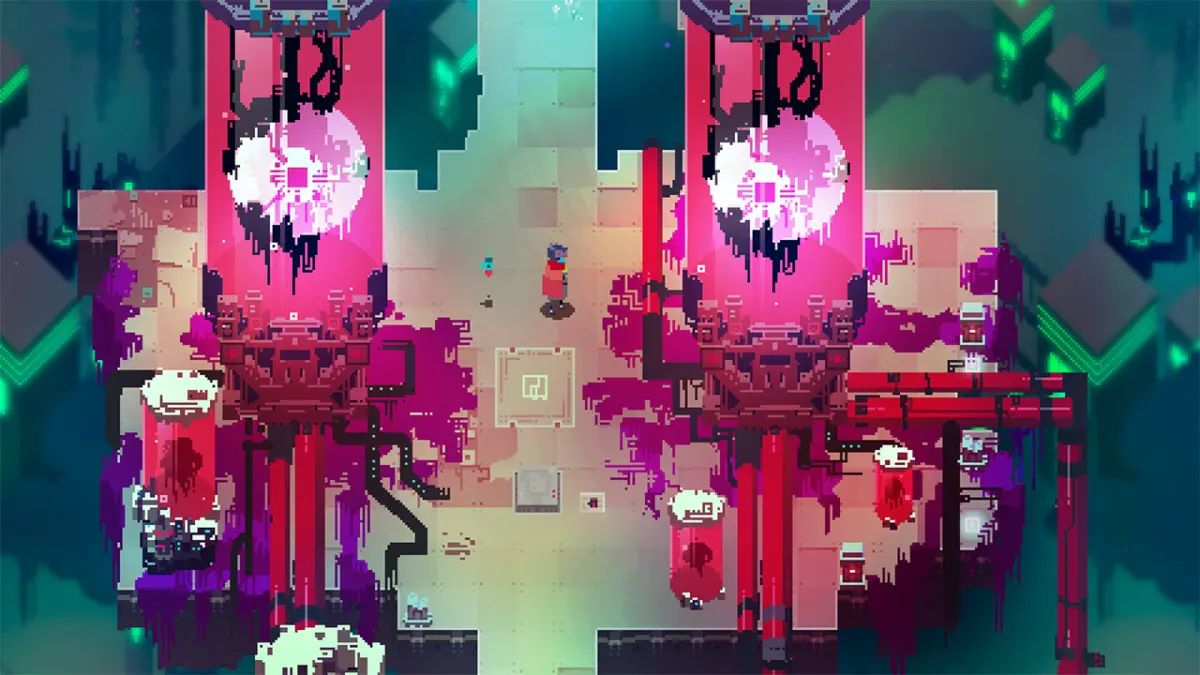
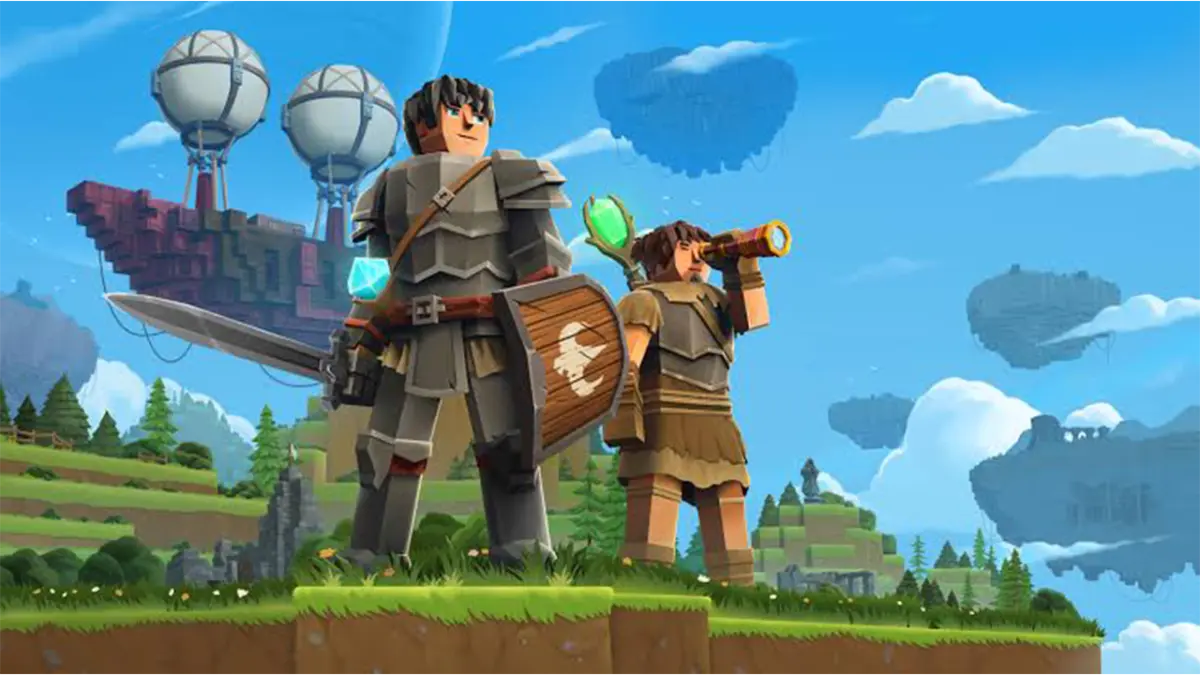
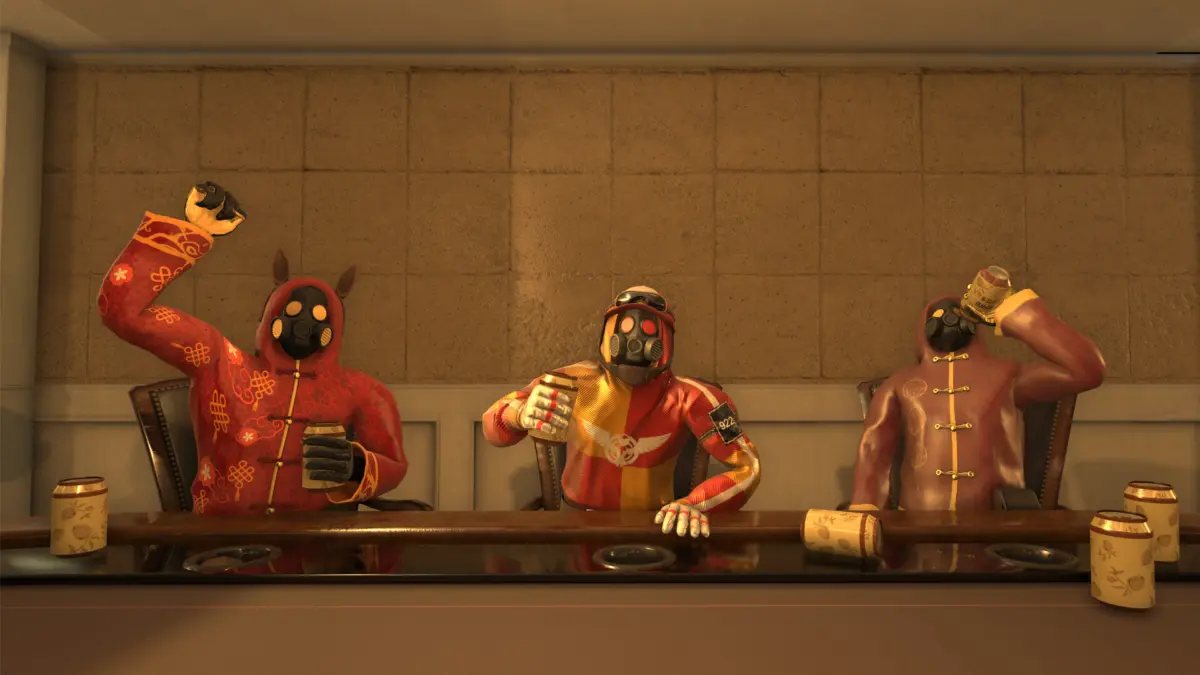
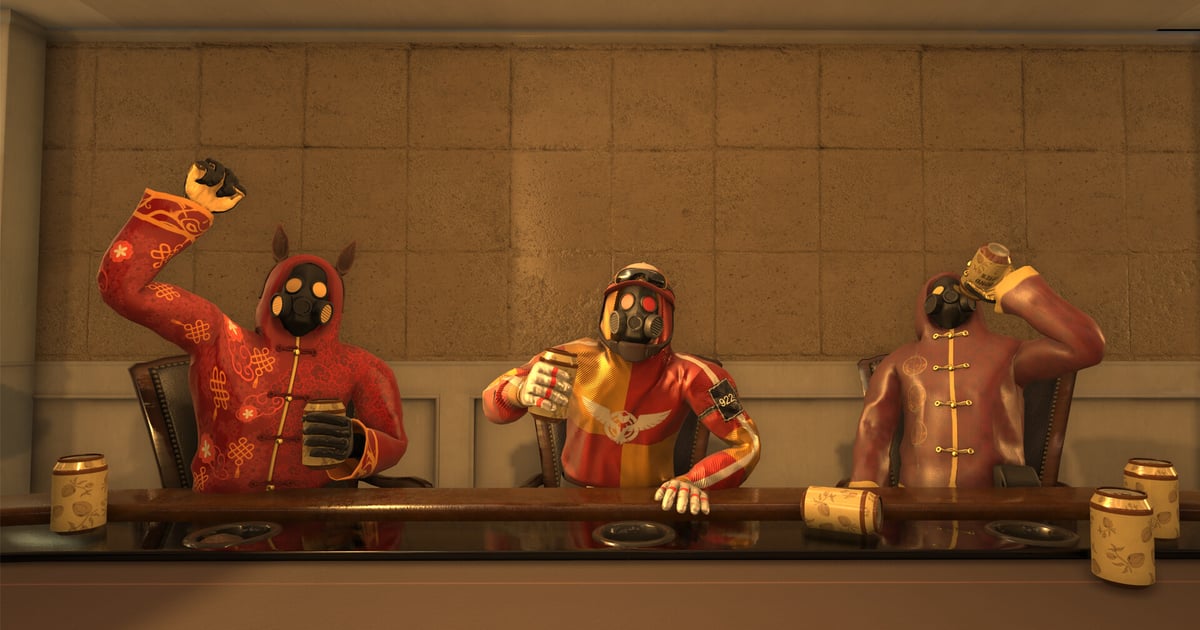
Following its successful transition to independence, Secret Mode cultivated a diverse and commercially viable portfolio. Hits like Escape the Backrooms and Chained Together captured massive viral and community-driven audiences, proving that the publisher had a keen eye for engaging, highly shareable multiplayer experiences. Furthermore, locking down publishing duties for major properties such as the upcoming Star Wars: Galactic Racer elevated Secret Mode’s industry standing.
Today’s announcement of the Sheffield development studio represents the culmination of this post-independence stabilization phase. By bringing dedicated development infrastructure in-house, Secret Mode is closing the loop between publishing acquisition and long-term product lifecycle management.
Supporting Context & Metrics: Navigating Industry Instability
The launch of Secret Mode’s Sheffield studio does not occur in a vacuum; it is situated within a broader, often turbulent macroeconomic climate that has defined the games industry over the past three years. Understanding the wider fortunes of its former parent company, Sumo Group, provides vital context regarding why Secret Mode’s operational strategy relies heavily on efficiency, flexibility, and post-launch monetization.
Sumo Group, Tencent, and the Wider Layoff Landscape
Sumo Group itself operates as a subsidiary of Chinese tech giant Tencent, which acquired the British development powerhouse in late 2021. While Tencent’s backing historically offered financial security, the post-pandemic correction in video game consumer spending, rising development costs, and inflated budgets forced a wave of contraction across almost every major publisher and developer globally.
In February of this year, Sumo Digital (a core component of Sumo Group) announced another round of layoffs impacting an undisclosed number of employees. The cuts followed a formal consultation process initiated by management, with company executives citing the absolute necessity to adapt to "ongoing instability" within the global games market. These recurring contraction cycles across the UK games sector—affecting studios from Sheffield to Leamington Spa—highlight why traditional publishing models are being upended.
The Strategic Value of Post-Launch Support and Porting
In an era where greenlighting entirely new, unproven intellectual properties carries astronomical financial risk, publishers are increasingly turning to post-launch monetization, live-service maintenance, and multi-platform porting to secure long-term revenue streams.
Secret Mode’s new Sheffield studio is tailor-made to address this economic reality. By housing a dedicated technical team focused on DLC production, codebase maintenance, and seamless porting to new hardware platforms (such as transitioning PC hits to consoles, or vice versa), Secret Mode is insulating its portfolio against sudden market shifts. Instead of relying solely on opening-week sales figures, the publisher can now systematically extend the commercial legs of games like Escape the Backrooms and Chained Together, ensuring steady player engagement and continuous monetization long after the initial marketing hype has faded.
Furthermore, by offering supplementary development support to external partner studios, Secret Mode transforms what is typically a publisher-developer friction point—missed deadlines or technical debt—into a collaborative, in-house problem-solving resource.
Official Statements and Leadership Vision
The leadership team driving Secret Mode’s Sheffield initiative brings decades of collective game development experience, heavily steeped in the British games development ecosystem. Their public comments emphasize a shared philosophy: combining deep technical capability with a commitment to regional talent cultivation.
Ed Blincoe on Continuity and Trust
Ed Blincoe, CEO and co-founder of Secret Mode, emphasized that the decision to place Dan Secker and Jacob Habgood at the helm was rooted in a long-standing history of professional collaboration and proven execution.
"We’ve worked closely with Dan and Jacob over the years at Sumo, and Jake led the team developing our football management game
NUTMEG!, so we’re certain they will be the perfect pair to lead this new initiative for us," said Blincoe.
By tapping veterans who understand both the corporate pedigree of Sumo Group and the agile mindset required for modern publishing, Blincoe has ensured that the new studio possesses immediate institutional memory and operational fluency.
Jacob Habgood on the Sheffield Ecosystem
Jacob Habgood, stepping in as Technical Development Director, pointed to the rich heritage and vibrant community of Sheffield as the ideal geographic and cultural backdrop for the studio’s establishment.
"Sheffield has been an important part of my own journey in games, and it continues to be a place where creativity and talent can flourish," noted Habgood. "There is a genuine community here, bringing together experienced developers, universities and the next generation entering the industry. I cannot think of a better place to build this team."
Sheffield has long held a proud reputation as one of the United Kingdom’s primary gaming hubs, housing legendary studios and benefiting from a steady influx of computer science and digital arts graduates from the region’s prominent universities. Habgood’s comments underscore an intention to tap directly into this local talent pipeline, fostering mentorship and sustainable employment opportunities within the UK midlands.
Dan Secker on Player Engagement and Longevity
For Dan Secker, Vice President of Technology and Operations, the studio represents the realization of a developer-first publishing philosophy aimed at maximizing player retention and creative expression.
"Coming from a development background, I wanted to build a team dedicated to keeping Secret Mode’s games thriving, bringing them to new platforms for a wider audience and keeping players engaged long after launch," explained Secker.
Secker’s vision directly addresses one of the most common pain points in modern indie publishing: the tendency for a game to launch, receive a brief flurry of patches, and subsequently stall as the developer moves on to their next project. By establishing a dedicated tactical unit for post-release upkeep, Secret Mode ensures its titles remain vibrant, updated, and accessible to expanding audiences across multiple hardware ecosystems.
Future Outlook: What the Sheffield Studio Means for Secret Mode
As Secret Mode looks toward the horizon, the establishment of its Sheffield development studio serves as a clear statement of intent. No longer merely a curator or marketer of indie and mid-tier titles, Secret Mode is evolving into a vertically integrated publishing powerhouse capable of handling the heavy technical lifting that modern multiplatform releases demand.
Strengthening the Pipeline
With major titles currently on the slate—most notably Star Wars: Galactic Racer—the technical demands placed upon Secret Mode are higher than ever. High-profile licensed properties require stringent quality assurance, rapid deployment of performance patches, and flawless cross-platform optimization. The Sheffield team will act as a vital safety net and accelerator for these high-stakes projects, ensuring that external development partners have access to elite technical support without bottlenecking internal resources.
Fostering Community and Long-Term Value
In an industry where players increasingly judge games by their ongoing support and community responsiveness, Secret Mode’s new strategy offers a distinct competitive advantage. Whether it is rolling out major content expansions for Chained Together, optimizing Escape the Backrooms for new console generations, or assisting indie partners with complex codebase refactoring, the Sheffield studio is engineered for adaptability.
Ultimately, by grounding its operations in a historic gaming hub like Sheffield and placing veterans like Secker and Habgood at the wheel, Secret Mode has laid down a resilient foundation. As the games industry continues to navigate economic headwinds and shifting consumer habits, Secret Mode’s proactive approach to technical stewardship offers a compelling blueprint for sustainable, independent publishing success in the years to come.