For decades, the standard narrative surrounding data center sustainability has relied on a fixed paradigm: a facility’s carbon footprint is inextricably bound to its physical footprint, server density, and the static energy mix of the local utility grid. As digital infrastructure expands exponentially—spurred largely by the generative AI boom, hyper-scale cloud adoption, and massive data analytics workloads—this conventional view is proving both obsolete and environmentally unsustainable.
Enter carbon-aware computing: an innovative paradigm shift that treats energy not as a static resource, but as a dynamic, fluctuating variable. Rather than viewing emissions as an unalterable cost of doing business, data center operators are increasingly leveraging flexible workloads, intelligent scheduling software, and localized behind-the-meter renewable systems to run compute-heavy tasks precisely when and where electricity is cleanest.
This comprehensive guide explores the mechanics of carbon-aware computing, examining how operators are balancing rigorous service-level agreements (SLAs) with the imperative to slash Scope 2 emissions. By capitalizing on the inherent variability of modern power grids, the digital infrastructure sector is charting a practical, scalable course toward true 24/7 carbon-free energy (CFE).
Detailed Chronology of the Sustainability Evolution in Data Centers
To understand how the industry arrived at carbon-aware scheduling, it is helpful to trace the chronological milestones that have defined data center energy management over the past twenty years.
Phase 1: The Efficiency Era (Late 2000s – Mid 2010s)
In the early days of hyperscale computing, the primary environmental battleground was Power Usage Effectiveness (PUE). Pioneered by organizations like The Green Grid, PUE forced operators to confront the massive energy waste associated with cooling, lighting, and power conversion. Facilities rushed to optimize airflow, adopt hot-aisle/cold-aisle containment, and upgrade to more efficient uninterruptible power supplies (UPS). While PUE successfully reduced unnecessary overhead, it treated the energy consumed by the IT equipment itself as a constant.
Phase 2: The Macro-Procurement Era (Mid 2010s – Early 2020s)
As PUE optimization plateaued, major tech giants and enterprise operators shifted their focus upstream. This era was defined by corporate Power Purchase Agreements (PPAs) and massive investments in utility-scale wind and solar farms. Companies committed to matching 100% of their annual electricity consumption with renewable energy purchases. While these macro-procurement strategies funneled billions of dollars into green energy development, they exposed a structural flaw: annual matching does not equal real-time matching. A data center could claim "100% renewable energy" on paper while burning fossil fuels at midnight when the sun wasn’t shining.
Phase 3: The 24/7 Carbon-Free Energy Movement (2020 – 2023)
Recognizing the limitations of annual PPA accounting, industry pioneers—led by companies like Google—began pushing for 24/7 Carbon-Free Energy (CFE). This approach demanded that every kilowatt-hour consumed by a data center be matched with zero-carbon generation on the exact local grid, every hour of every day. This realization exposed the severe limitations of static grids and laid the psychological and technical groundwork for demand-side flexibility.
Phase 4: The Carbon-Aware Computing Era (Present Day)
Today, the industry is entering the era of carbon-aware scheduling and dynamic orchestration. Instead of merely buying clean energy or waiting for grids to decarbonize passively, operators are actively shifting the demand side of the equation. By recognizing that not every compute cycle needs to happen immediately, data centers are beginning to synchronize software execution with the temporal and spatial peaks of renewable energy generation.
Supporting Context & Metrics: The Anatomy of Grid Variability
To appreciate why carbon-aware computing is so effective, one must look closely at the physics and economics of modern power systems.
The Dynamic Nature of the Grid
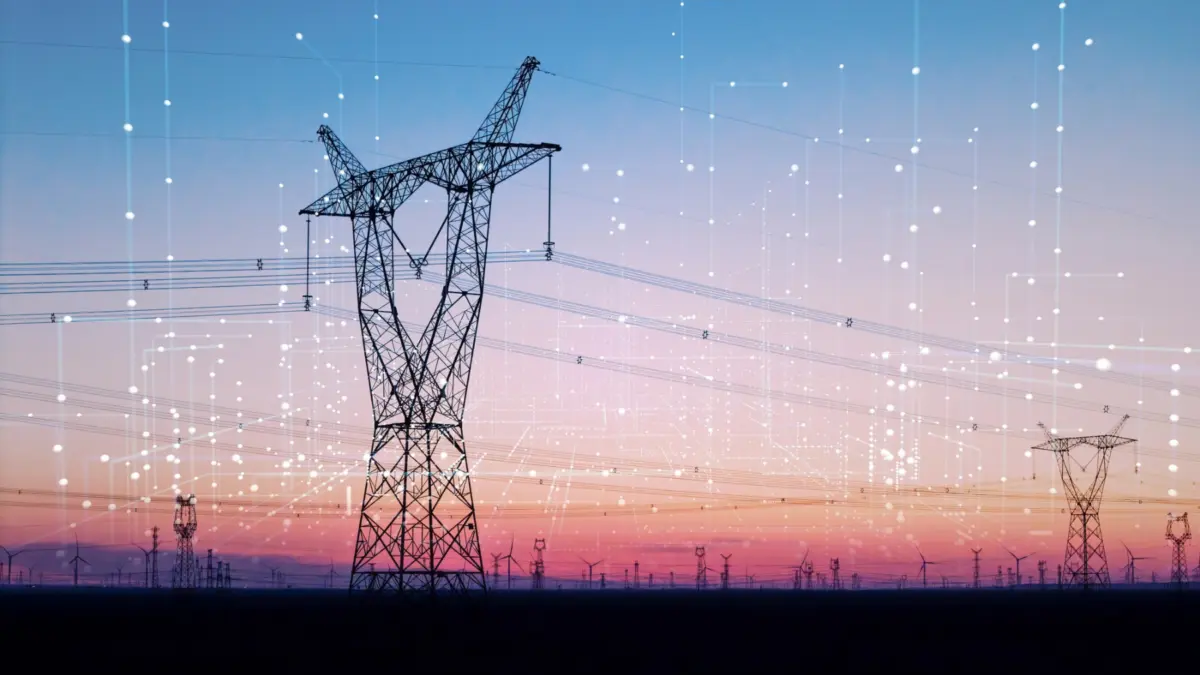
Electricity grids are balancing acts operating on a razor’s edge. Power generation and consumption must match instantaneously; otherwise, frequency instability leads to cascading blackouts. Because renewable sources like solar and wind are inherently intermittent, the carbon intensity of a single kilowatt-hour (measured in grams of $CO_2$ equivalent per kilowatt-hour, or $gCO_2eq/kWh$) can fluctuate wildly over the course of 24 hours.
The Solar Curve: In regions with high solar penetration, grids experience a midday "belly" where carbon intensity drops precipitously as solar output peaks. As the sun sets and electricity demand simultaneously spikes due to residential evening routines, fossil-fuel peaker plants—often natural gas or coal—must spin up rapidly, causing carbon intensity to skyrocket.
Geographical Disparities: A data center in the Pacific Northwest, heavily reliant on hydroelectric baseload, has a radically different emissions profile than a facility in the Midwest relying on a mix of wind, coal, and natural gas, or a facility in a region dependent on natural gas peaker plants.
Workload Flexibility: Categorizing Compute Tasks
Not all data center workloads are created equal. Implementing carbon-aware computing requires a granular taxonomy of tasks based on their tolerance for delay:
Mission-Critical, Latency-Sensitive (Fixed): Real-time financial transactions, customer-facing web applications, emergency services infrastructure, and live communications. These tasks cannot be delayed or shifted geographically without violating strict SLAs.
Time-Flexible, Compute-Intensive (Deferred): Large-scale AI model training, batch data analytics, non-urgent software patching, database backups, media transcoding, and scientific simulations. These tasks can typically be delayed by hours—or even days—without impacting end-user experience.
Location-Flexible (Migratable): Virtual machines and containerized workloads that can be dynamically migrated across different data center regions via high-speed fiber networks to access cleaner power in another geographic zone.
Official Statements and Industry Insights
As regulatory scrutiny intensifies and corporate sustainability targets face stricter auditing, industry leaders and analysts are speaking out about the necessity of demand-side flexibility.
"Data centers are often treated as static consumers of electricity, anchored to the carbon intensity of whatever grid they happen to plug into. But computing is fundamentally elastic. By decoupling when and where a calculation happens from when it is requested, we unlock an entirely new frontier in environmental stewardship."
— Christopher Tozzi, Technology Analyst and Author
Sustainability officers across the enterprise space echo this sentiment, noting that supply-side procurement alone can no longer satisfy strict Scope 2 accounting standards.
"Buying renewable energy credits or signing long-term PPAs is no longer enough to satisfy sophisticated stakeholders and regulatory bodies. Auditors want proof of hourly matching. Carbon-aware computing provides the operational rigor required to prove that the electrons consumed by heavy AI and cloud workloads are genuinely green."
— Anonymous Sustainability Director at a Global Hyperscale Operator
Regulatory bodies in North America and Europe are also taking notice. Frameworks like the European Union’s Corporate Sustainability Reporting Directive (CSRD) are placing immense pressure on digital infrastructure operators to provide granular, transparent data regarding their energy usage and real-time emissions impacts. Carbon-aware software provides a verifiable mechanism to demonstrate continuous operational improvement.
Implementation Realities: Navigating Technical and Operational Hurdles
Despite its conceptual elegance, deploying carbon-aware computing at scale is fraught with operational challenges. Data center environments are notoriously complex ecosystems governed by tight security, strict SLAs, and siloed organizational structures.
1. Limited Tenant Visibility in Colocation Facilities
A significant percentage of enterprise computing runs not in owned hyperscale facilities, but in multi-tenant colocation data centers. In these environments, facility operators manage the power, cooling, and physical security, while individual tenants control the IT hardware and software workloads.
The Challenge: Colocation operators often lack deep visibility into what tenants are running, making it difficult to enforce carbon-aware scheduling policies across heterogeneous hardware stacks.
The Solution: Close collaboration between landlords and tenants, alongside standardized APIs that allow data center infrastructure management (DCIM) software to communicate power availability and grid carbon signals directly to tenant orchestration platforms like Kubernetes.
2. Complex Power Profiling and Forecasting
Predicting the power draw of modern servers is notoriously difficult. Unlike traditional CPU architectures, modern graphics processing units (GPUs) utilized in AI model training experience massive, near-instantaneous spikes in power utilization accompanied by complex Input/Output (I/O) patterns.
Coupling unpredictable hardware power draws with volatile renewable energy forecasts creates a compounding forecasting challenge. Operators must utilize advanced machine learning models to forecast both grid carbon intensity hours in advance and the thermal/electrical response of their server fleets.
3. The Non-Negotiable Nature of Critical SLAs
Service Level Agreements are the lifeblood of cloud and enterprise computing. If a batch analytics job or an AI training run is delayed too long in the pursuit of "clean hours," it can breach customer contracts or delay time-sensitive business intelligence insights.
Therefore, successful carbon-aware implementations rely on robust policy engines. These engines constantly weigh the marginal carbon savings of deferring a workload against the financial and operational penalties of delaying execution.
Practical Steps: What Operators Can Do Today
Organizations looking to transition toward a carbon-aware operational model do not need to overhaul their entire infrastructure overnight. A phased, pragmatic approach can yield immediate, measurable results:
Catalog and Classify Workloads: Audit existing IT operations to identify which jobs are deferrable. Separate mission-critical, real-time services from batch analytics, background syncs, and large-scale model training.
Integrate Carbon Signal APIs: Leverage existing carbon-intensity data providers (such as WattTime, Electricity Maps, or regional grid operator feeds) to gain real-time and forecasted visibility into local grid emissions.
Pilot Time-Shifting on Non-Urgent Tasks: Begin by scheduling non-critical background processes—such as nightly database backups or offline report generation—during forecasted windows of high renewable availability.
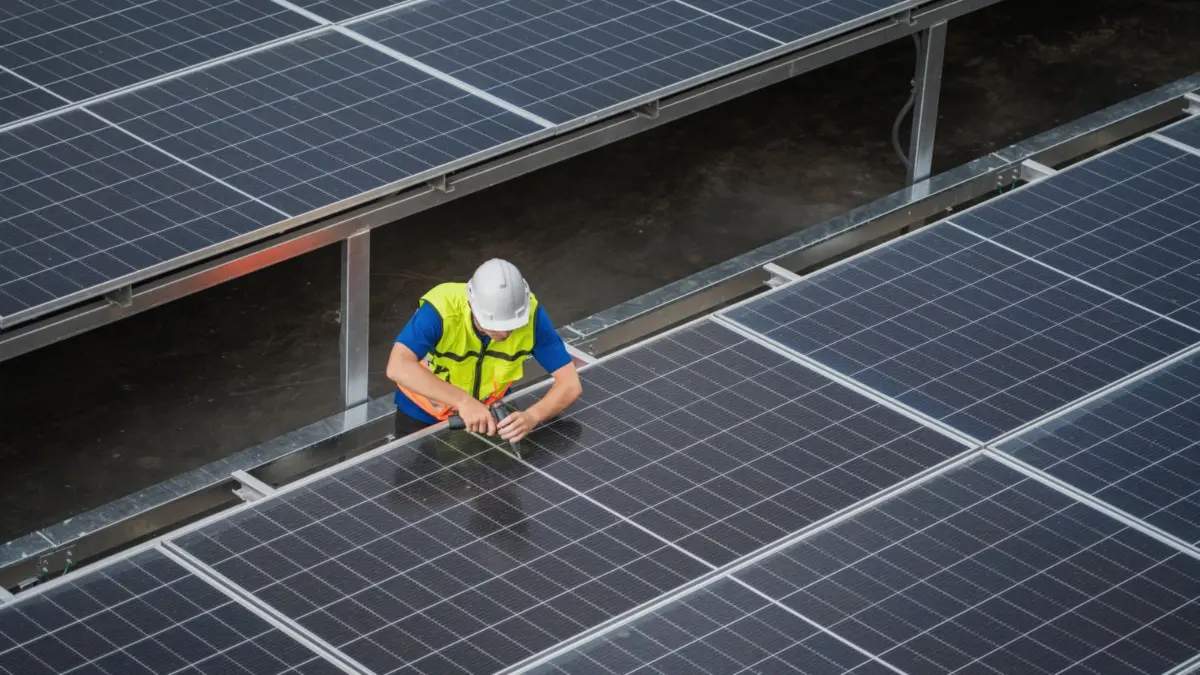
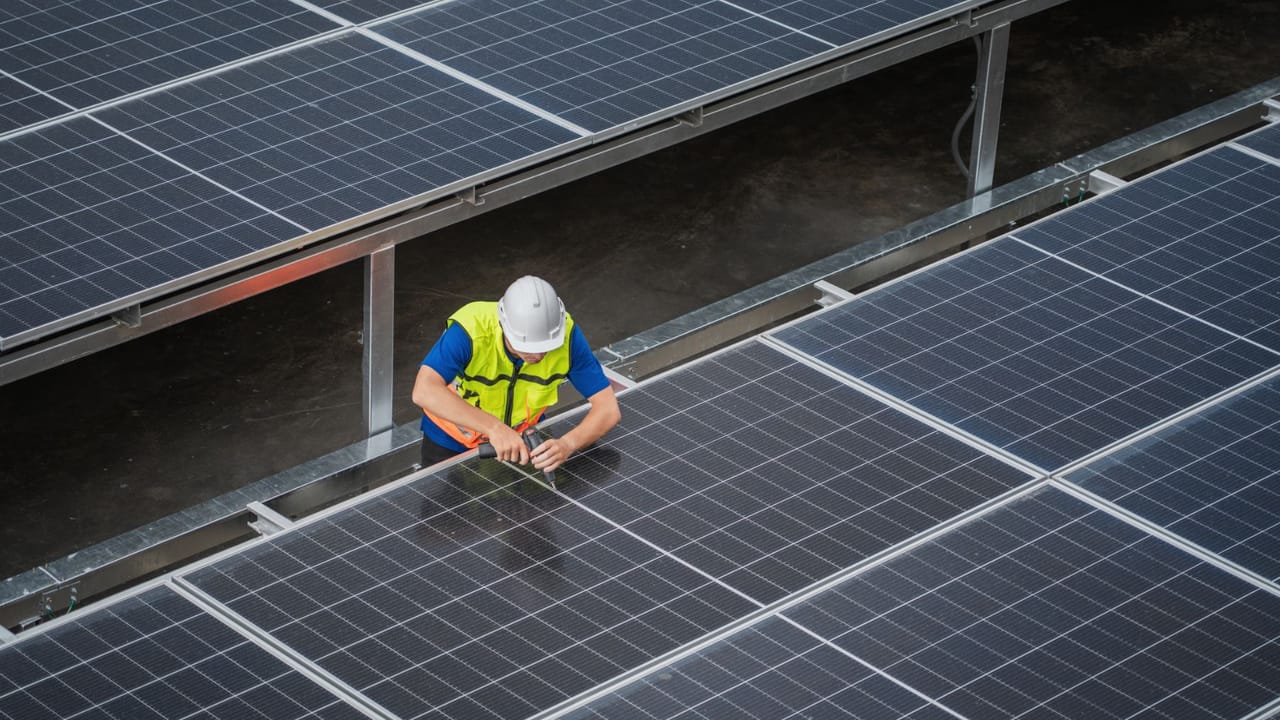
Leverage Behind-the-Meter Storage: Complement grid-level carbon awareness with on-site solar and battery energy storage systems (BESS). Behind-the-meter assets provide a localized buffer, allowing operators to run workloads on captured solar energy even when the public grid is burning fossil fuels.
Establish Cross-Departmental Collaboration: Break down traditional silos between sustainability teams, facility engineers, and software developers. True carbon-aware computing requires software engineers to write code that is cognizant of energy constraints, and facilities teams to share real-time energy insights.
Future Outlook: The Road Ahead for Carbon-Aware Infrastructure
As the demand for digital services continues its relentless upward trajectory—fueled by artificial intelligence, machine learning, the Internet of Things (IoT), and edge computing—the traditional methods of powering data centers will reach a breaking point. Building more fossil-fuel power plants to service data center growth is politically and environmentally untenable, and macro-procurement alone cannot solve the temporal mismatch of renewable energy.
Carbon-aware computing represents a vital evolution in how the tech industry thinks about its relationship with the physical world. It transforms the data center from a passive, rigid burden on the electrical grid into an active, flexible participant that can flex its load to match the Earth’s natural rhythms.
Over the coming decade, we can expect carbon-aware scheduling to graduate from an experimental practice used by a handful of tech giants to an automated, native feature of all major cloud platforms and operating systems. Standardized carbon-intensity metrics will be baked directly into orchestrators like Kubernetes, and software developers will optimize code for carbon efficiency just as naturally as they currently optimize for memory and execution speed.
Perfect optimization may remain an elusive ideal in complex enterprise environments, but the pursuit of "clean hours" offers a tangible, immediate pathway to lower emissions. By aligning compute demand with clean energy supply, data center operators can successfully reconcile exponential digital growth with our collective imperative to protect the planet.