










Executive Overview
The boundaries separating consumer smartphones from professional imaging equipment have blurred to near-extinction. In a major announcement out of China, Oppo has officially launched its highly anticipated Find X10 series, headlined by the flagship Oppo Find X10 Pro Max. Developed in close collaboration with legendary medium-format camera manufacturer Hasselblad, this new flagship marks a historic milestone in mobile imaging: it is the first smartphone in the industry to feature a triple 200-megapixel (MP) sensor array, spanning across the ultra-wide, wide, and telephoto lenses.
Designed explicitly as a high-fidelity tool for professional photographers, videographers, and content creators, the Find X10 Pro Max introduces a radical departure from conventional multi-camera architectures. By unifying the sensor resolution across all three primary optical modules, Oppo addresses a long-standing grievance in mobile cinematography—inconsistent image quality and color shifts when switching between lenses.
Equipped with Samsung’s newly mass-produced ISOCELL HPC sensor, powered by the cutting-edge MediaTek Dimensity 9600 Pro processor, and boasting native integration with the Blackmagic Camera application, the Find X10 Pro Max is engineered to disrupt the high-end mobile market. With a starting retail price in China of 8,999 Yuan (approximately $1,340 USD) for its top-tier 16GB RAM and 1TB storage configuration, Oppo has made its intentions clear: to dominate the premium segment and establish a new benchmark for computational cinematography.
Detailed Chronology: The Road to the Ultimate Imaging Flagship
To understand the engineering leap represented by the Find X10 Pro Max, one must examine Oppo’s recent product timeline and the rapid escalation of the mobile imaging arms race.
+-----------------------------------------------------------------+
|                    EVOLUTION OF OPPO FLAGSHIPS                  |
+-----------------------------------------------------------------+
|                                                                 |
|  OPPO FIND X9 ULTRA                                             |
|  - 50MP Ultra-Wide (14mm, 1/1.95")                              |
|  - 200MP Main (23mm, 1/1.12" Sony LYT-901)                      |
|  - 200MP 3x Telephoto (70mm, 1/1.28")                           |
|  - 50MP 10x Telephoto (230mm)                                   |
|  - LUMO Image Engine (8 virtual focal lengths)                  |
|                                                                 |
|                               v                                 |
|                                                                 |
|  OPPO FIND X10 PRO MAX (Launched Today)                         |
|  - 200MP Ultra-Wide (Samsung ISOCELL HPC)                       |
|  - 200MP Main (Samsung ISOCELL HPC, 1/1.3")                     |
|  - 200MP Telephoto (Samsung ISOCELL HPC)                        |
|  - MediaTek Dimensity 9600 Pro SoC                              |
|  - 8K Log / OpenGate (4:3) across all lenses                    |
|                                                                 |
+-----------------------------------------------------------------+
The Predecessor: Find X9 Ultra’s Computational Foundation
Oppo’s previous-generation imaging pioneer, the Find X9 Ultra, set a high standard by introducing the Hasselblad Master Camera System. That device featured a quad-camera setup consisting of:

- A 50MP ultra-wide (14mm equivalent) with a 1/1.95-inch sensor.
- A 200MP main (23mm equivalent) utilizing a 1/1.12-inch Sony Lytia 901 sensor.
- A 200MP 3x telephoto (70mm equivalent) built on a 1/1.28-inch sensor.
- A 50MP 10x telephoto (230mm equivalent).
Driven by Oppo’s proprietary LUMO Image Engine, the Find X9 Ultra simulated eight precise, professional focal lengths (ranging from macro and 14mm up to 460mm). While highly praised, the mixture of 50MP and 200MP sensors meant that image processing pipelines, light-gathering capabilities, and dynamic ranges varied when zooming through the focal spectrum.
The Competitive Spark: Honor’s Impending Challenge
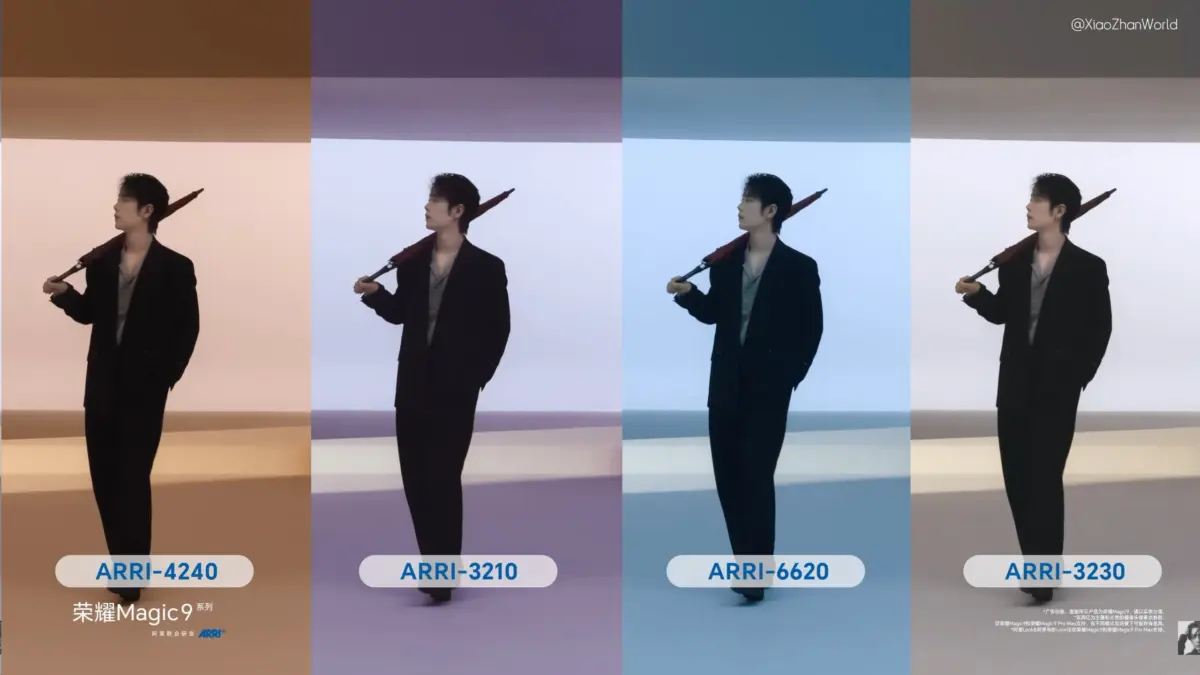
Oppo’s launch comes at a strategically crucial moment. Rival manufacturer Honor recently teased its upcoming flagship, the Honor Magic9 Pro Max, scheduled for release at the end of September. The Magic9 Pro Max features an eye-catching, triple-camera "island" inspired by the industrial design of ARRI’s legendary cinema cameras, housing dual 200MP sensors alongside a 50MP sensor.
By launching the Find X10 Pro Max today, Oppo has effectively leapfrogged Honor’s upcoming release, delivering a uniform triple 200MP system immediately to the market and raising the stakes for high-resolution mobile hardware.
The Find X10 Series Lineup Segmentation
Oppo is deploying a three-tiered product strategy for the Find X10 series to capture different market segments:
- Oppo Find X10 E: The entry-level model, featuring a tailored Hasselblad ultra-high-resolution imaging system designed to bring premium color science to a wider audience.
- Oppo Find X10: The standard edition, which sets a new baseline for non-Pro models by incorporating a dual 200MP sensor cluster.
- Oppo Find X10 Pro Max: The ultimate flagship, showcasing the absolute pinnacle of Oppo’s optical and computational engineering with its triple 200MP array.
Supporting Context & Metrics: Inside the Hardware Revolution
The defining characteristic of the Find X10 Pro Max is its transition away from Sony’s Lytia silicon in favor of Samsung’s newly developed, mass-produced ISOCELL HPC 1/1.3-inch sensor. This choice highlights a major shift in how light, color, and detail are captured and processed at the hardware level.

Technical Breakdown: Samsung ISOCELL HPC & DeepPix Technology
The ISOCELL HPC sensor introduces several key technological innovations designed to overcome the physical limitations of small-pixel mobile sensors:
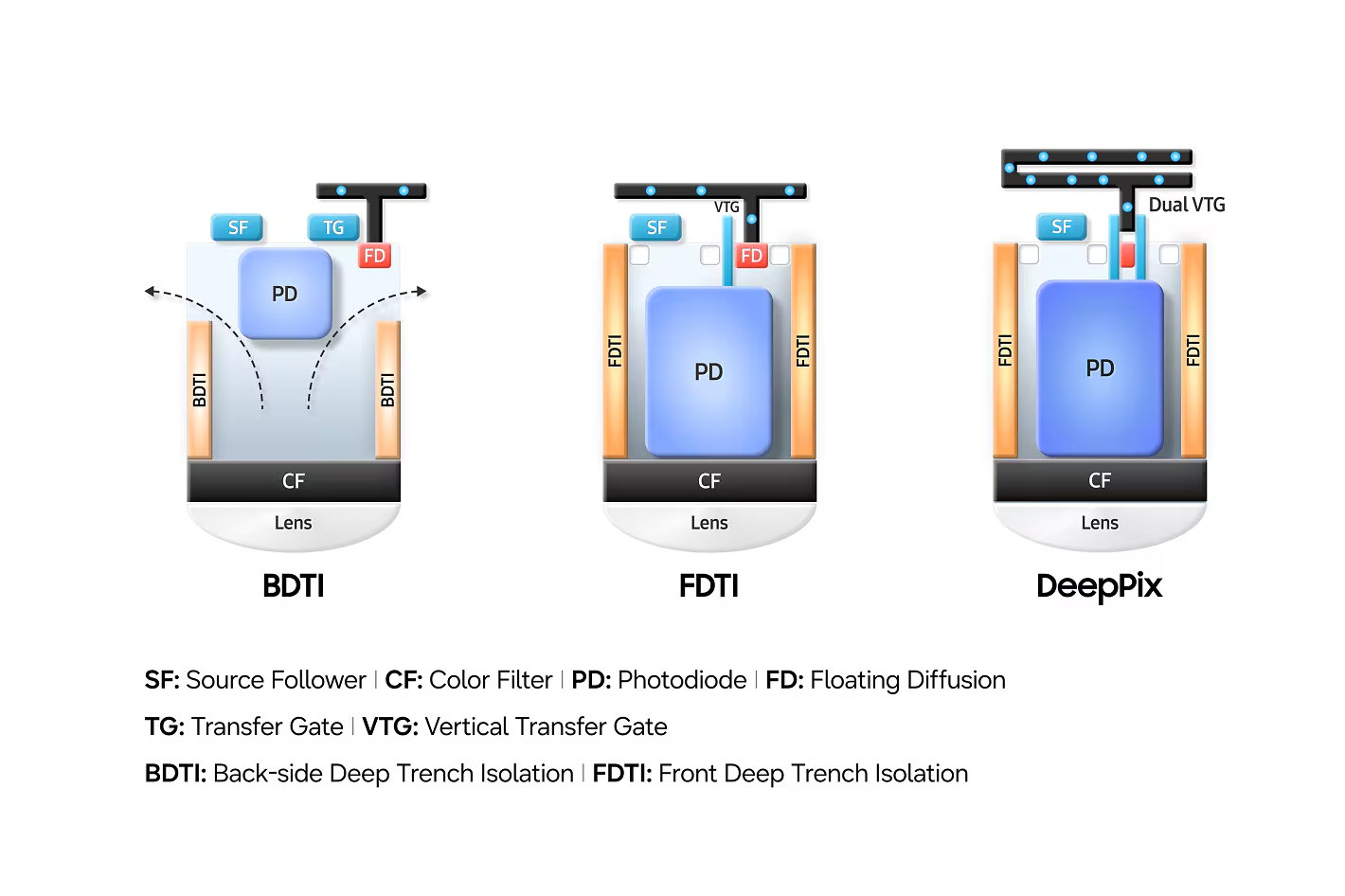
- DeepPix Technology: A proprietary pixel-isolation structure that builds physical barriers between individual photodiodes. This drastically reduces spectral crosstalk (light leaking from one pixel to another), resulting in purer color reproduction, sharper contrast, and significantly reduced digital noise in low-light environments.
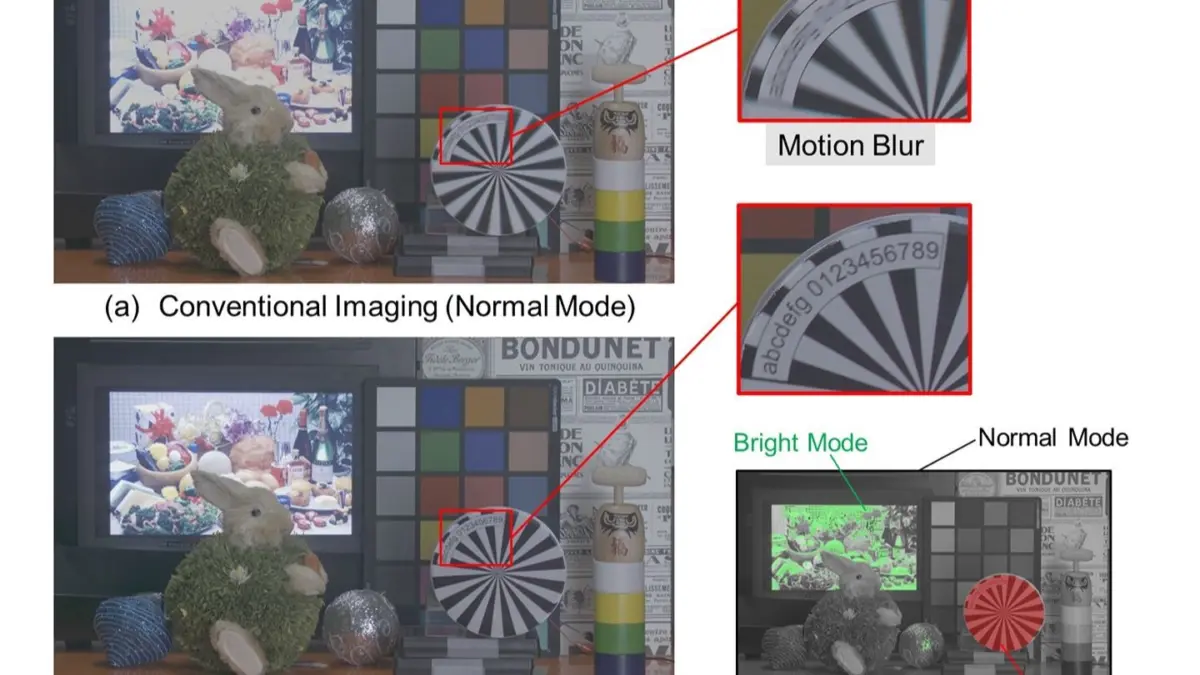
- Single-Frame 16-Bit HDR: Standard mobile high-dynamic-range (HDR) imaging typically relies on multi-exposure bracketing, which can introduce ghosting artifacts in moving subjects. The ISOCELL HPC supports true single-frame 16-bit HDR. According to technical specifications, this delivers up to four times richer color expression than conventional HDR pipelines, preserving delicate gradations in highly challenging backlit or high-contrast scenes.
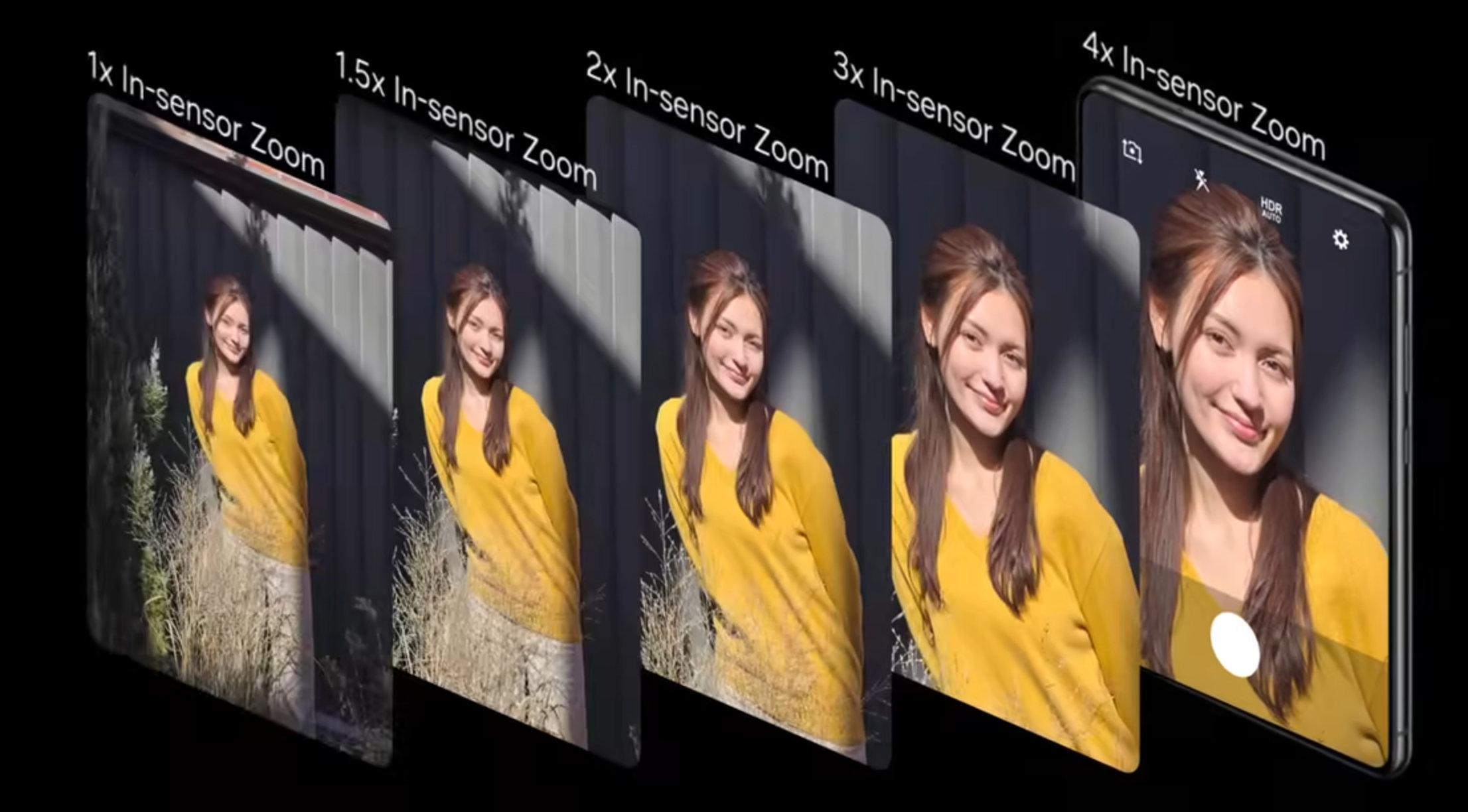
- In-Sensor Zoom HDR: While most sensors restrict HDR processing to native crop factors, the ISOCELL HPC extends its single-frame HDR capabilities across 1×, 1.5×, 2×, 3×, and 4× in-sensor zoom levels. By leveraging intelligent, hardware-level downscaling, the sensor maintains high dynamic range and resolution across intermediate focal lengths without relying on digital interpolation.
- High-Frame-Rate Videography: The sensor supports native 4K video recording at up to 180 frames per second (fps), providing filmmakers with pristine slow-motion capabilities without sacrificing resolution or dynamic range.
+-----------------------------------------------------------------------------+
|                     CAMERA HARDWARE COMPARATIVE METRICS                     |
+-----------------------------------------------------------------------------+
| Feature               | Oppo Find X9 Ultra        | Oppo Find X10 Pro Max   |
+-----------------------+---------------------------+-------------------------+
| Primary Sensor        | Sony LYT-901 (1/1.12")    | Samsung HPC (1/1.3")    |
| Ultra-Wide Sensor     | 50MP                      | 200MP                   |
| Telephoto Sensor      | 200MP (3x) + 50MP (10x)   | 200MP                   |
| Native HDR Depth      | 10-bit / 12-bit           | 16-bit Single-Frame     |
| Max Video Resolution  | 4K at 60 fps / 8K 30 fps  | 8K Log / 4K at 180 fps  |
| Crop Mode             | Standard Digital Crop     | OpenGate (4:3) Crop     |
+-----------------------------------------------------------------------------+
Computational Processing: MediaTek Dimensity 9600 Pro
Processing three concurrent streams of 200MP data demands unprecedented computational throughput. To handle this, Oppo has equipped the Find X10 Pro Max with the MediaTek Dimensity 9600 Pro chipset.
As one of the first commercial smartphones to utilize this next-generation silicon, the Find X10 Pro Max benefits from an ultra-powerful Neural Processing Unit (NPU) and an advanced Image Signal Processor (ISP). This hardware pipeline is capable of real-time pixel binning, multi-frame noise reduction, and the intensive mathematical calculations required to render Hasselblad’s signature color science in real time.
Official Statements & Production Integrations: A Professional Ecosystem
Oppo’s development philosophy for the Find X10 Pro Max extends far beyond hardware specifications; the company has focused heavily on creating a cohesive production ecosystem for working professionals.
The Blackmagic Design Partnership & OpenGate Capture
In a move that will appeal directly to independent filmmakers and digital content creators, Oppo has announced deep, native integration with the Blackmagic Camera app.
The Find X10 Pro Max supports OpenGate capture across all three of its 200MP sensors. Traditionally reserved for high-end cinema cameras, OpenGate utilizes the full physical area of the sensor to record in a native 4:3 aspect ratio. This provides filmmakers with maximum vertical and horizontal resolution, allowing them to crop and reframe their footage for multiple delivery formats (such as 16:9 widescreen for traditional screens or 9:16 vertical for social media platforms) from a single master file.
Furthermore, the integration brings native support for O-Log2, Oppo’s proprietary logarithmic color profile. O-Log2 maximizes the sensor’s dynamic range, capturing flat, low-contrast footage that retains maximum shadow and highlight detail, providing colorists with a robust starting canvas during post-production grading.
Hasselblad Teleconverter Kit
To complement the physical optics of the device, Oppo is shipping the Find X10 Pro Max with a custom-engineered Hasselblad teleconverter kit. Designed specifically to enhance telephoto shooting, this optical attachment mounts securely over the camera cluster to extend physical reach while preserving the resolving power of the 200MP sensor. In a consumer-friendly move, Oppo confirmed that this teleconverter is also backward-compatible with the standard Find X10 model.
Hardware Rigging with Tilta
Recognizing that professional videography requires robust physical rigging, Oppo has continued its partnership with cinema accessory manufacturer Tilta.
Following the success of the Tilta Khronos Creator Kit designed for the Find X9 Ultra, Tilta has developed a new, dedicated ecosystem of cages, handles, filter adapters, and external power solutions tailored specifically to the physical chassis of the Find X10 series. This enables shooters to mount matte boxes, follow-focus systems, and external monitors directly to the smartphone, transforming it into a fully capable B-camera or run-and-gun documentary rig.
Future Outlook: Market Disruption and Global Rollout
The launch of the Oppo Find X10 Pro Max represents a major step forward for mobile photography, shifting focus from high megapixel counts on a single primary lens to consistent, high-resolution sensor arrays across all focal lengths.
Global Market Implications and Pricing
While launched initially in China, Oppo has confirmed that the Find X10 Pro Max will be made available in global markets in the coming months. The device will be offered in multiple configurations, featuring either 12GB or 16GB of LPDDR5X RAM and storage capacities ranging from 256GB, 512GB, up to 1TB of UFS 4.0 storage.
The Chinese retail pricing has been set at 8,999 Yuan (~$1,340 USD) for the premium 16GB/1TB model. When compared to the pricing of traditional cinema cameras or even competing flagship smartphones, this pricing positions the Find X10 Pro Max as a highly competitive option for independent creators and production houses looking for a versatile, ultra-portable B-camera.
Paradigm Shift in Mobile Cinema
By combining 200MP resolution, Samsung’s 16-bit single-frame HDR, 8K Log recording, OpenGate capture, and direct integration with Blackmagic and Tilta, Oppo is challenging the traditional distinction between "smartphone cameras" and "cinema cameras."
As computational photography engines continue to mature, the physical size of a camera rig is no longer the sole indicator of its output quality. The Find X10 Pro Max stands as a compelling proof of concept for this new era, offering a pocketable tool capable of delivering professional-grade imagery to filmmakers worldwide.