






By the Industry Perspectives Desk, featuring insights from Yasin Yehya, Product Manager at Crowcon Detection Instruments
Executive Overview
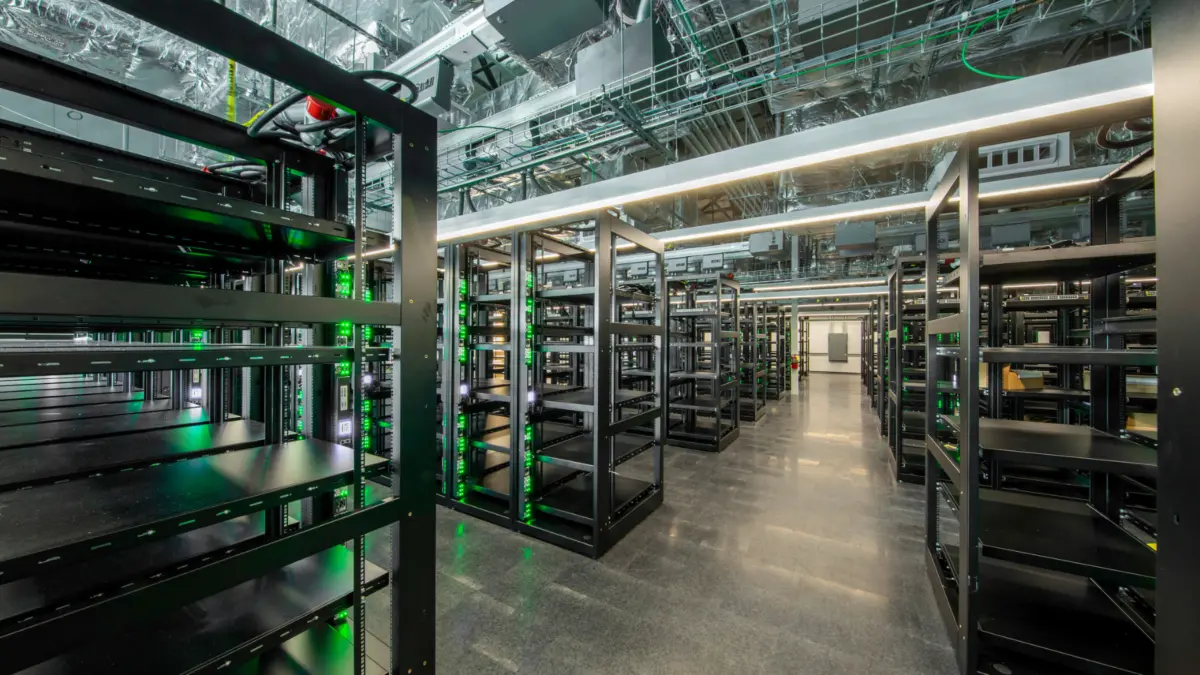
To the casual observer, a modern hyperscale or enterprise data center looks like a monument to sterile efficiency. There are no billowing smokestacks, no open vats of industrial chemicals, and no visible flare booms. Instead, visitors encounter rows of humming server racks, tightly secured doors, pristine concrete floors, and air filtration systems that maintain an immaculate environment. The exterior suggests a fortress of pure logic and data—safe, inert, and predictable.
Yet, this pristine impression is deceptive. Beneath the raised floors, inside sealed battery rooms, and behind the casing of high-density cooling skids lies a complex ecosystem of power generation, thermodynamic management, and chemical suppression. Far from being benign boxes of microchips, modern facilities house roughly ten distinct gas and chemical hazards hidden behind doors that are rarely opened.
As the global push for digitalization and artificial intelligence drives an unprecedented infrastructure boom—projected to double global data center capacity from 103 gigawatts (GW) to 200 GW within the decade—these hidden hazards are scaling at a staggering rate. The catastrophic fire at South Korea’s National Information Resource Services (NIRS) in Daejeon serves as a stark reminder. What began as a routine maintenance operation snowballed into a major disaster, destroying hundreds of lithium-ion batteries, knocking hundreds of government systems offline, and requiring nearly a full day of grueling emergency response.
Safety and uptime are no longer parallel tracks in the data center industry; they are the exact same metric. This deep-dive investigation explores the invisible gas, chemical, and environmental hazards lurking inside modern facilities, the systemic vulnerabilities exacerbated by rapid growth, and the vital steps operators must take to prevent catastrophic downtime.
Detailed Chronology: Anatomy of the Daejeon Disaster
To understand the latent dangers of modern data infrastructure, one must examine the timeline of the Daejeon incident, which laid bare the vulnerabilities inherent in critical state-level IT installations.
- The Catalyst: During scheduled maintenance at the Daejeon facility, a standard Uninterruptible Power Supply (UPS) battery failure triggered an explosive thermal event. The fire rapidly consumed 384 lithium-ion batteries.
- The Systemic Ripple Effect: The blaze immediately took 647 government digital systems offline, crippling public administrative services and sending shockwaves through South Korea’s national digital infrastructure.
- The Firefight: Because the fire occurred near critical DC infrastructure and high-voltage equipment, emergency responders bypassed water-based suppression methods to avoid catastrophic electrical shorts. Instead, they relied on gas-based suppressants, including carbon dioxide.
- The Extended Battle: Despite deploying specialized gaseous suppression systems, the sheer intensity and energy density of the burning lithium-ion cells meant it took firefighters an arduous 22 hours to extinguish the blaze completely.
- The Long Tail of Recovery: Initial projections estimated that fully restoring the downed government systems would take up to four weeks. Crucially, post-incident investigations revealed a chilling detail: the affected batteries had reportedly passed an official government safety inspection just months prior, in June of the same year, highlighting the limits of traditional compliance checklists.
The Daejeon fire underscores a counterintuitive truth about industrial facilities: the most dangerous incidents frequently occur not during sudden, unpredictable equipment breakdowns, but during scheduled, routine maintenance designed to make the site safer.
Supporting Context & Metrics: The Chemistry of the Data Center
The equipment that makes a data center dependable—ensuring it withstands grid instability and extreme computing loads—is precisely what makes it hazardous. When operators speak of "gas" risks in a data center, their minds typically drift immediately to power storage. However, the threat matrix is far more diverse.
1. Battery Technologies: Lead-Acid vs. Lithium-Ion
- Lead-Acid Batteries: Traditional float-charged lead-acid battery systems continuously evolve hydrogen gas. Because hydrogen is lighter than air, highly mobile, odorless, and completely invisible, it migrates through microscopic gaps in enclosures. It forms flammable mixtures in air at concentrations starting at just 4% by volume, posing an explosive threat if ventilation fails.
- Lithium-Ion Batteries: While lithium-ion units eliminate the chronic hydrogen evolution risk of lead-acid, they introduce a far more violent phenomenon: thermal runaway. Within minutes of a cell failure, a cascading thermal event can vent massive volumes of toxic and flammable gases (such as hydrogen fluoride, carbon monoxide, and various organic solvents) directly adjacent to live, high-voltage DC infrastructure.
2. Refrigerants and Thermal Management Systems
With high-density AI clusters generating unprecedented heat loads, liquid cooling and advanced HVAC setups have transitioned from niche engineering choices to baseline industry requirements.
- Refrigerants typically constitute the single largest volume of hazardous chemicals stored on-site.
- Because most modern refrigerants are significantly heavier than air, any leak from the miles of pipe joints weaving through the facility will cause the gas to pool in low-lying plant rooms, cable pits, and maintenance trenches.
- Not only do these pooling refrigerants displace oxygen—creating asphyxiation hazards for uninitiated technicians—they can also compromise or disable the very cooling systems required to keep servers from melting down.
3. Standby Generators and Exhaust Dynamics
When the local power grid stumbles, massive diesel generators roar to life. However, generator exhaust must be routed carefully through building envelopes and environmental wind profiles.
- Under adverse weather conditions with still air, or due to poor architectural planning featuring short exhaust stacks near fresh-air intakes, toxic combustion byproducts—including carbon monoxide (CO) and nitrogen dioxide ($textNO_2$)—can be sucked back into the building’s ventilation systems.
- Every routine weekly test or emergency run puts these lethal gases on a potential collision course with occupied workspaces.
4. Gaseous Suppression and Sulfur Hexafluoride ($textSF_6$)
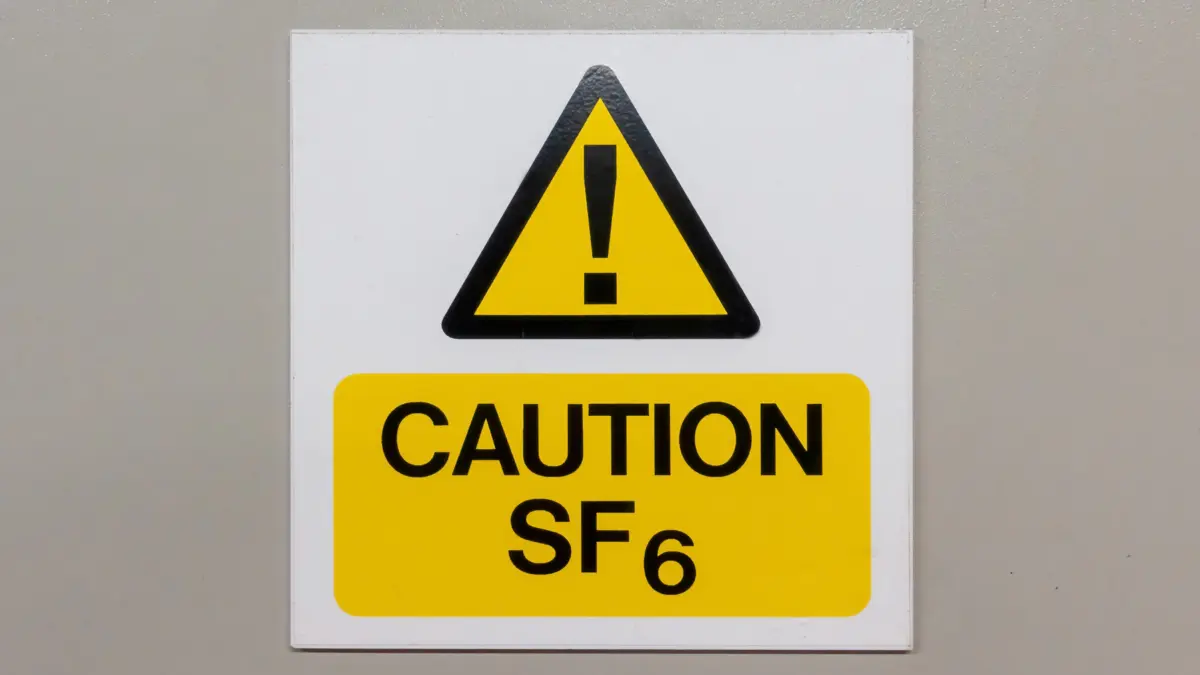
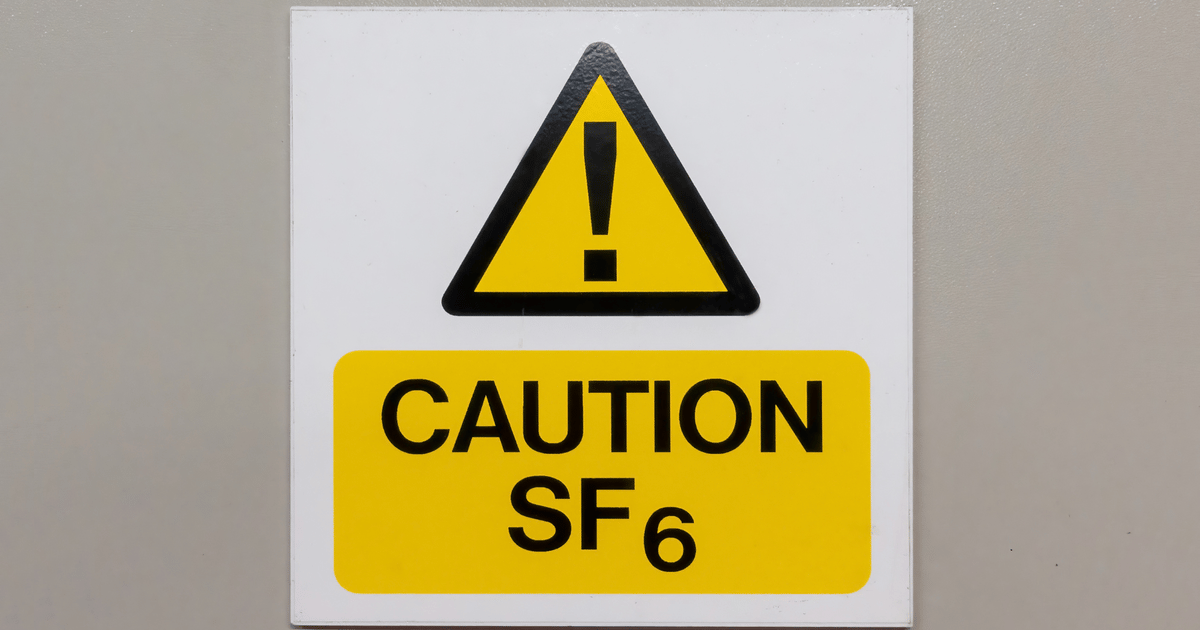
Fire suppression systems present a double-edged sword. Clean-agent and inert-gas systems must achieve precise concentration thresholds to smother a fire, which inherently limits firefighting tactics when human occupants might still be inside the room. Furthermore, high-voltage switchgear often utilizes Sulfur Hexafluoride ($textSF_6$), one of the most potent greenhouse gases known. Under electrical arcing conditions, $textSF_6$ breaks down into highly toxic and corrosive byproducts that settle in poorly ventilated subfloor areas.
5. Water Treatment and Chemical Dosing
It is not just power and cooling that carry risks; water treatment skids introduce industrial chemicals like chlorine and specialized cleaning agents. A historical incident at an Apple data center in Maiden, North Carolina, illustrated this vulnerability vividly: a routine spill of a cooling-system cleaning chemical released toxic fumes that hospitalized five maintenance workers. Beneath all of these chemical and gas scenarios lies a unifying mechanism: rapid oxygen depletion.
Official Statements and Industry Insights
The rapid scaling of the data center industry has brought these hidden risks into sharp focus for regulatory bodies, facility managers, and safety engineers alike. According to JLL’s Data Center Outlook, global capacity is on course to skyrocket from 103 GW to 200 GW over the course of this decade.
Industry experts warn that while the chemical agents themselves have not fundamentally changed, the sheer density, velocity, and volume of deployment have amplified the margins for error.
"The gases have not changed. There is simply more of everything now, and it arrives faster than it used to," notes Yasin Yehya, Product Manager at Crowcon Detection Instruments. "Lower-GWP blends—some of which are mildly flammable—are being retrofitted into plants designed for something else. Liquid cooling, unusual five years ago, is now assumed, which means a great many more joints right beside servers."
Furthermore, modern data center architecture works against safety personnel. Buildings are purposefully sealed, tightly secured, and pressure-managed to optimize thermal efficiency for the hardware. Unfortunately, this airtight containment strategy means that small gas or refrigerant leaks do not easily dissipate; instead, they quietly accumulate over days or weeks in unoccupied rooms. The first person to open that maintenance door often walks directly into a lethal chemical trap.

According to data compiled by the Uptime Institute, power and cooling issues remain the leading causes of significant, high-cost outages. Cooling failures alone account for roughly 19% of all major disruptions, with more than half of these serious incidents carrying a financial penalty exceeding $100,000 in direct damages, hardware loss, and SLA penalties. In the modern enterprise landscape, a safety incident and an availability incident are two sides of the same coin.
Future Outlook: Reinventing Data Center Safety Architecture
As the industry charges headlong into the AI supercycle, maintaining the illusion of the "clean, safe cloud" is no longer tenable. Facility operators, engineering firms, and safety equipment manufacturers must adopt a proactive, rigorous approach to hazard management. Industry veterans recommend a fundamental shift in four key areas:
1. Centralized Hazard Mapping and Inventory Control
In many facilities, knowledge is siloed. Battery data rests solely with the UPS vendor; refrigerant inventories are stamped onto chiller nameplates; fire suppression specifications reside in an architect’s close-out file; and water-treatment chemicals are managed by a third-party contractor who visits monthly. Consolidating this data into a single, real-time master inventory is essential for emergency response teams.
2. Intelligent Sensor Placement and Maintenance Accessibility
Gas and vapor detectors are frequently installed at human head height simply because it is convenient for technicians to reach them during installation.
- The Flaw: Hydrogen rises rapidly and pools at ceilings; heavier-than-air refrigerants and $textSF_6$ breakdown products sink into subfloor trenches and low pits. Detectors must be placed based on the vapor density of the specific hazard, not human convenience.
- Accessibility: If a gas sensor requires a complex work permit, security escort, and scheduled downtime window to calibrate, maintenance will inevitably slip. A sensor can drift by several percentage points over years of neglect while all compliance paperwork technically remains "in order."
3. Granular Room-by-Room Risk Assessment
Operators must stop treating a data center as a monolithic box. A high-voltage switch room, a battery storage vault, a chiller hall, and a water treatment skid pose entirely distinct chemical questions, require bespoke detection strategies, and carry vastly different failure consequences. They simply happen to share a roof.
4. Contractor Oversight During Scheduled Work
As demonstrated in Daejeon and Maiden, disasters rarely strike during normal, automated operations; they occur during interventions. Knowing precisely who is on site, what chemicals or procedures they are bringing into the facility, and what safety protocols are in place during scheduled maintenance is the ultimate defense against the unexpected.
Conclusion
The digital infrastructure underpinning our modern economy cannot afford to treat safety as an afterthought or a compliance checkbox. By acknowledging the chemical and gas realities hidden behind closed data center doors—and by engineering robust, intelligent detection and response frameworks—the industry can protect its workforce while safeguarding the uninterrupted flow of the global digital age.