







Executive Overview
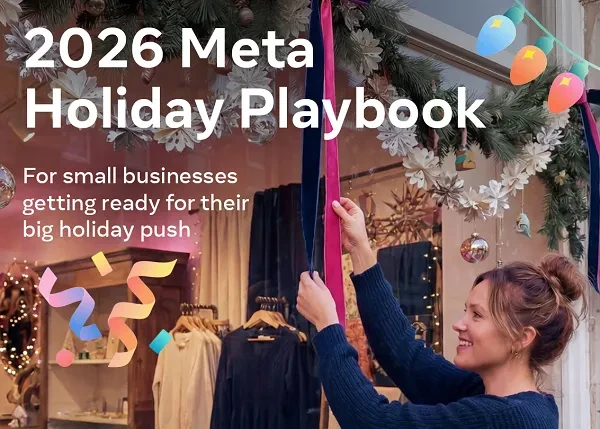
As the digital marketing landscape prepares for the critical final quarter of the year, Meta has officially rolled out its highly anticipated suite of holiday planning resources. Designed to help brands, agencies, and small-to-medium-sized businesses (SMBs) navigate the high-stakes festive shopping season, the newly published 2026 Meta Holiday Insights Center and accompanying playbooks offer a data-backed blueprint for success.
In an era where consumer behavior shifts rapidly and digital touchpoints multiply, Meta’s latest rollout attempts to demystify Q4 strategy. The company has curated a diverse selection of specialized guides—ranging from artificial intelligence (AI) overviews and agency-specific roadmaps to granular creative explainers and SMB checklists. By highlighting the platform’s viability as a primary engine for product discovery, consumer research, and transactional conversion, Meta is positioning its ecosystem as an indispensable tool for brands aiming to maximize their return on ad spend (ROAS) during the most lucrative period of the retail calendar.
This comprehensive reporting delves into the structure of Meta’s latest holiday resources, analyzes the strategic imperatives for marketers, breaks down the tools available for different tiers of advertisers, and evaluates the broader implications of these playbooks on the future of digital commerce.
Detailed Chronology: The Evolution of Meta’s Holiday Strategy
The release of the 2026 holiday playbooks marks the culmination of months of platform updates, consumer trend forecasting, and technological integration by Meta. Understanding the chronology of how Meta approaches the holiday planning cycle provides crucial context for why these specific guides have been released at this juncture.
Q2 2026: Laying the Groundwork
Months ahead of the holiday rush, Meta began signaling a heavy pivot toward automation and machine learning within its ad delivery systems. Advertisers were encouraged to adopt Advantage+ suites, setting the stage for an AI-first holiday season. During this foundational period, consumer research data indicated that shoppers were beginning their holiday product discovery earlier than ever, increasingly turning to social discovery platforms rather than traditional search engines.
Early Q3 2026: Data Aggregation and Insight Mapping
As summer transitioned into early fall, Meta’s analytics teams synthesized consumer habits across Facebook, Instagram, and WhatsApp. The data revealed persistent trends: mobile-first shopping, a heavy reliance on video content for gift inspiration, and a growing demand for seamless checkout experiences. Recognizing that different business tiers require vastly different levels of support, Meta structured its upcoming holiday initiative to cater separately to agile SMBs and large-scale, advanced enterprise advertisers.
The Official Launch: The 2026 Festive Season Insights Center
Meta officially launched its consolidated Festive Season Insights Center, housing the newly minted holiday playbooks. Rather than offering a one-size-fits-all document, the tech giant deployed a modular approach. Advertisers can now access targeted resources tailored to their operational scale, technical sophistication, and creative capabilities. This strategic rollout ensures that a neighborhood boutique and a multinational retail brand can both extract actionable, scalable insights from Meta’s vast ecosystem.
Supporting Context & Metrics: Decoding the 2026 Playbooks
Meta’s new suite of guides is not merely descriptive; it is prescriptive, backed by robust data points and actionable frameworks. To fully appreciate the value of the 2026 holiday playbooks, it is necessary to examine the core components and tactical breakdowns featured across the different guides.
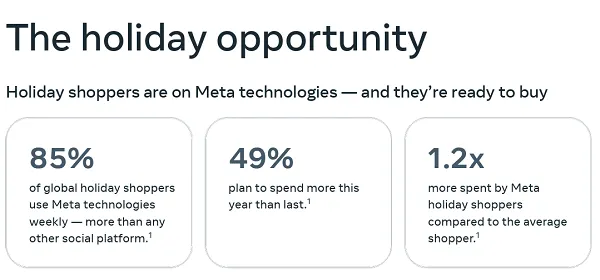
1. The Artificial Intelligence and Creative Overviews
With machine learning fundamentally altering how ads are targeted and optimized, Meta’s AI-focused overview takes center stage. This guide explains how brands can leverage predictive capabilities to serve the right creative to the right consumer at peak conversion windows.
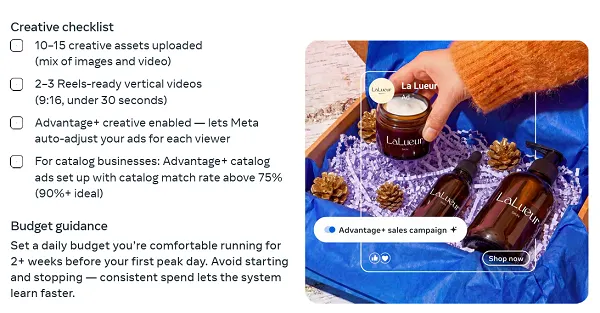
Complementing the AI guide is the creative explainer, which addresses a timeless challenge: ad fatigue. During the Q4 noise, consumers are bombarded with promotional messaging. Meta’s creative playbook provides frameworks for developing high-impact vertical video, leveraging user-generated content (UGC), and utilizing dynamic creative optimization (DCO) to keep audiences engaged without burning out ad budgets.
2. The Small-to-Medium Business (SMB) Toolkit
For SMBs operating with leaner teams and tighter marketing budgets, efficiency is paramount. Meta’s SMB-focused guide addresses this by delivering hard data on how consumers use mobile apps for gift research and purchase validation.
Key elements of the SMB guide include:
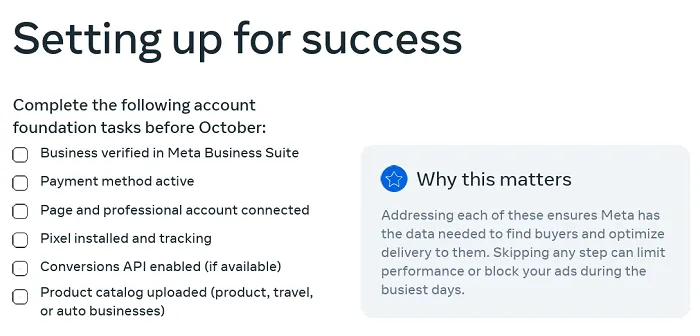
- The SMB Holiday Checklist: A step-by-step roadmap designed to ensure businesses do not miss critical setup windows, from early-bird teaser campaigns to last-minute shipping deadlines.
- App-Based Engagement Metrics: Insights demonstrating that modern holiday shoppers frequently transition between discovery and purchase entirely within social applications.
- Ad Creation Pointers: Simplified, high-impact tips for building thumb-stopping ads without requiring a Hollywood production budget.
3. Advanced Playbooks for Enterprise Advertisers
For larger brands and agencies managing complex, multi-million-dollar campaigns, Meta has published an advanced playbook equipped with granular behavioral statistics. This segment of the release dives deep into cross-app shopping behaviors, audience segmentation, and multi-touch attribution modeling.
The advanced documentation includes:
- Ad Setup Priorities: High-level strategic directives for structuring account hierarchies and pacing budgets effectively across peak shopping days like Black Friday and Cyber Monday.
- Product Listing Optimization Checklists: Technical best practices for catalog management, ensuring that product feeds are synchronized, error-free, and optimized for instant checkout experiences.
Official Perspectives and Industry Implications
Meta’s concerted push to position its platforms as the ultimate holiday shopping companions reflects a broader battleground for e-commerce dominance. As retail media networks expand and search engines vie for transactional intent, social platforms must continuously prove their value proposition.
Industry analysts have noted that Meta’s heavy emphasis on AI and structured planning guides is a direct response to advertiser demand for predictability in volatile economic climates. By lowering the barrier to entry through automated tools and clear checklists, Meta aims to capture both ad dollars from sophisticated enterprise brands and long-term loyalty from emerging SMBs.
While Meta has not released a single, overarching quote for this specific drop, the underlying philosophy of the release is clear: execution speed and creative adaptability are the twin pillars of Q4 profitability. Through the Festive Season Insights Center, Meta is signaling that brands cannot afford to treat the holidays as an afterthought; success requires a synchronized, data-driven campaign strategy mapped out months in advance.
Future Outlook: What the 2026 Holiday Season Signals for Digital Marketing
As brands begin implementing the strategies outlined in Meta’s 2026 playbooks, the lessons learned this Q4 will likely reverberate well into the future of digital advertising. Several key takeaways define the trajectory of social commerce:
- The Permanent Shift to AI-Driven Optimization: Manual targeting is rapidly giving way to algorithmic curation. Advertisers who embrace Meta’s automated toolsets within these holiday playbooks will likely see lower acquisition costs compared to those relying on legacy, manual methods.
- The Blurring Lines Between Discovery and Transaction: The traditional marketing funnel is compressing. Consumers see a product on Instagram, research it via integrated app features, and purchase it seamlessly. Future holiday strategies will require platforms to offer frictionless end-to-end user journeys.
- The Democratization of Advanced Tools: By providing sophisticated optimization checklists for SMBs alongside enterprise-grade guides, Meta is leveling the playing field. Smaller brands can now leverage strategic frameworks previously reserved for major retail corporations, transforming the competitive dynamics of the holiday season.
Ultimately, Meta’s 2026 holiday planning guides serve as more than just seasonal tips—they represent a masterclass in platform positioning. By arming marketers with the data, creative insights, and structural checklists needed to weather the Q4 storm, Meta has reinforced its status as an indispensable partner in the modern digital economy. Advertisers who heed these playbooks will find themselves well-positioned not just to survive the holiday rush, but to set new benchmarks for growth.