








By Chris Kerr
Senior Editor, News, GameDeveloper.com
September 15, 2026
Executive Overview
In a strategic move that deepens its footprint within the Central and Eastern European games development ecosystem, Arma and DayZ creator Bohemia Interactive has acquired a minority stake in Poland-based Enjoy Studio. The financial terms of the transaction remain undisclosed, yet the weight of the agreement is substantial: this marks Bohemia Interactive’s inaugural corporate investment in a Polish video game development company.
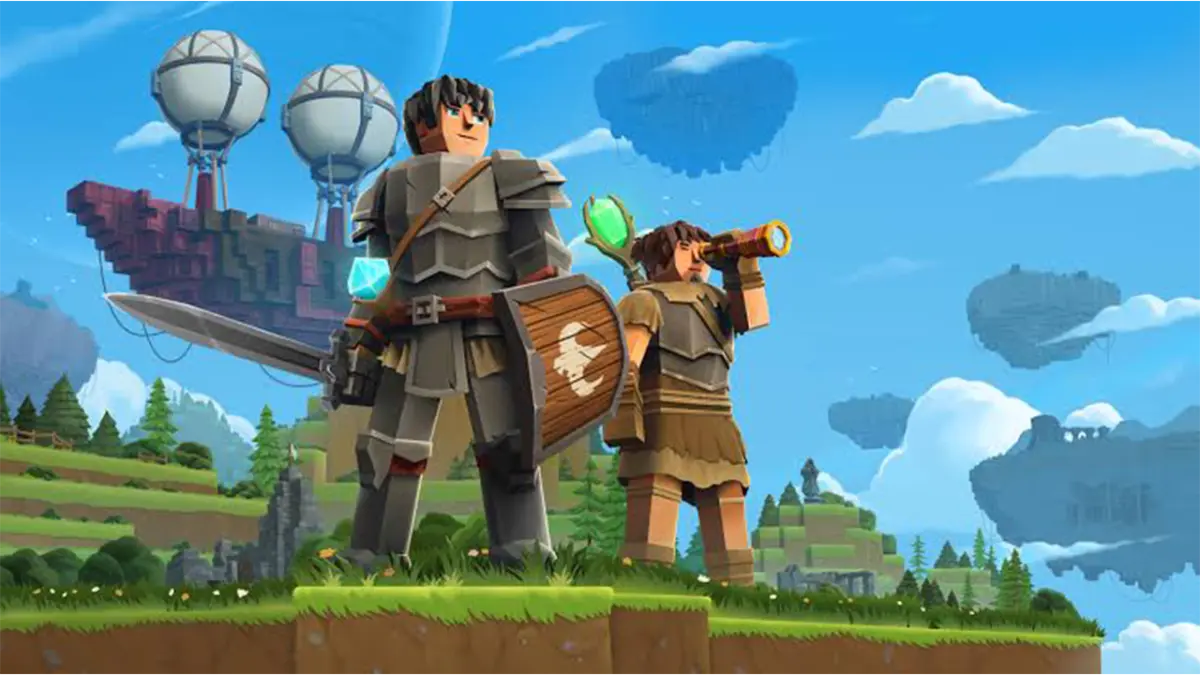
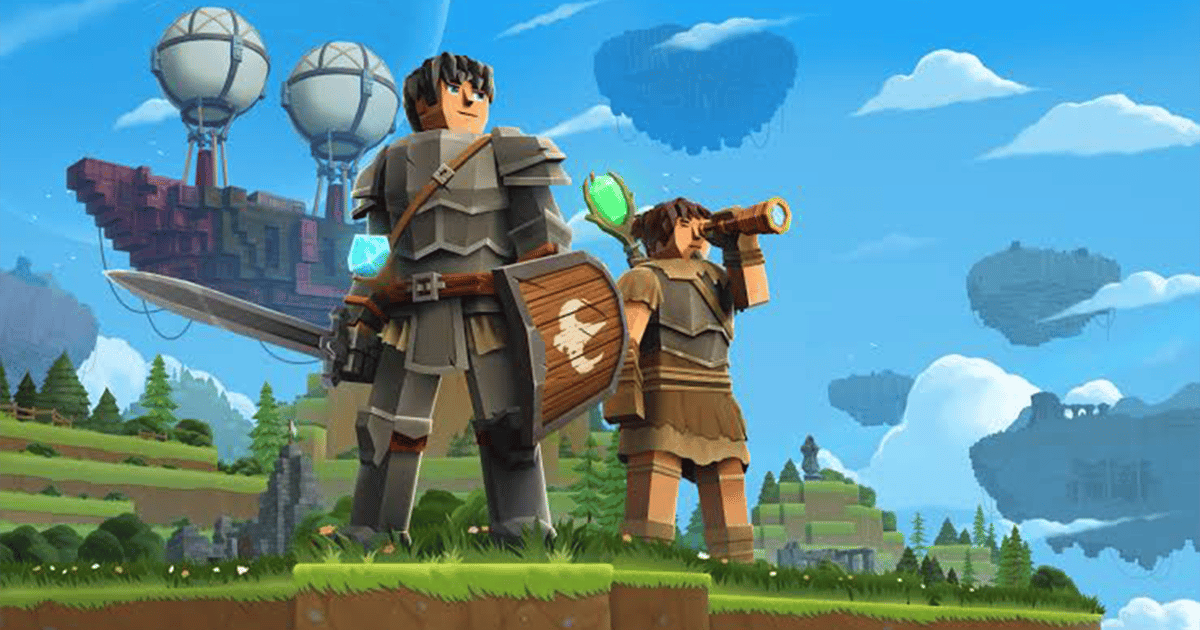
The partnership cements a relationship that originated in 2024, when Enjoy Studio entered the Bohemia Incubator program—an initiative designed to foster external talent by offering mentorship, developmental consulting, and publishing muscle. The cornerstone of their commercial collaboration thus far is Everwind, a sandbox survival role-playing game that has captured the attention of the survival-crafting community. Launching into early access, Everwind surpassed a significant commercial milestone by moving over 300,000 copies in its first six months on the market.
While the early success of Everwind served as the catalyst for this investment, leadership from both studios emphasizes that the newly minted partnership is not merely a reactionary play to a single commercial hit. Instead, the minority stake represents a long-term alignment of philosophy, culture, and operational strategy. As Bohemia Interactive continues to scale its global presence, aligning with nimble, culturally aligned independent studios positions the veteran Czech developer to capture new lightning in bottles across the competitive sandbox and survival genres.
Detailed Chronology: From Incubator to Co-Owners
To understand the significance of Bohemia’s investment in Enjoy Studio, one must examine the timeline of their professional convergence. The modern video game industry is fraught with high-stakes acquisitions that often destabilize acquired teams, but the relationship between Bohemia Interactive and Enjoy Studio has been characterized by organic, stepwise integration.
The Genesis: The Bohemia Incubator (2024)
In 2024, Enjoy Studio—a then-lesser-known Polish developer searching for a foothold in the notoriously crowded PC market—applied for and was accepted into the Bohemia Incubator program. Bohemia designed the incubator not as a traditional venture capital apparatus, but as a collaborative workshop where seasoned veterans from the Arma and DayZ studios could pass down institutional knowledge regarding engine optimization, community management, and early access roadmaps.
For Enjoy Studio, entering the incubator provided more than just a safety net; it offered a direct pipeline to world-class publishing infrastructure. Bohemia, acting as both consultant and publisher, helped steer the trajectory of Everwind, ensuring that the game’s core loop met the rigorous expectations of the survival-crafting audience while retaining the creative autonomy of the Polish development team.
The Launch and Commercial Breakthrough (2025–2026)
The fruits of this mentorship materialized with the early access launch of Everwind. Sandbox survival RPGs represent one of the most saturated segments of the PC gaming market, requiring a delicate balance of deep systemic gameplay, atmospheric world-building, and robust server infrastructure to succeed. Everwind struck a chord with players immediately upon release.
Within six months of entering early access, the game cleared the 300,000-copies-sold threshold—a formidable feat for a team of Enjoy Studio’s relative scale. This rapid commercial validation proved that the synergy between Enjoy’s creative execution and Bohemia’s publishing oversight was commercially viable.
The Corporate Consolidation (September 2026)
With Everwind proving its longevity and the working relationship thoroughly tested over two years of close collaboration, both companies moved to formalize their bond. Bohemia Interactive’s acquisition of a minority stake in Enjoy Studio represents the evolution of a publisher-developer relationship into a vested corporate partnership. Bohemia steps in not as a controlling parent corporation, but as a committed minority co-owner, ensuring Enjoy retains its operational independence while benefiting from the financial security and strategic gravity of one of Central Europe’s most established studios.
Supporting Context & Metrics: The Survival-Crafting Landscape and Polish Gaming Hub
To fully appreciate the commercial gravity of this deal, it is necessary to contextualize both the genre in which Enjoy Studio operates and the geographic region from which it emerges.
The Mechanics of Everwind’s Success
The sandbox survival RPG genre is notoriously punishing for newcomers. Titles like Rust, Valheim, ARK: Survival Evolved, and Bohemia’s own DayZ have set high bars for player retention, procedural generation, and technical stability. For Everwind to achieve sales exceeding 300,000 units within half a year of its early access debut indicates several key performance indicators:
- High Player Retention: Early access survival games often suffer from front-loaded hype followed by precipitous drop-offs. Maintaining momentum past the six-month mark suggests that Enjoy Studio delivered a stable foundation with a compelling gameplay loop that encourages word-of-mouth growth.
- Effective Community Feedback Loops: Survival game players expect active developer communication. Enjoy’s ethos of player engagement directly mirrors Bohemia’s own historical approach to community-driven development, a factor that likely expedited trust between the two entities.
- Publishing Support Scaling: While Enjoy engineered the game, Bohemia’s global marketing apparatus, localization pipelines, and regional distribution networks played an instrumental role in scaling Everwind past the visibility hurdles that trap many indie titles.
Poland’s Ascendancy as a Development Powerhouse
By making its first-ever investment in a Polish video game company, Bohemia Interactive is tapping into one of the most mature and dynamic talent pools in Europe. Poland has long since graduated from a regional outsourcing hub to a global powerhouse of AAA and high-end indie development, anchored by industry titans like CD Projekt Red (Cyberpunk 2077, The Witcher), 11 bit studios (This War of Mine, Frostpunk), and Techland (Dying Light).
Polish technical universities consistently produce elite software engineers, graphics programmers, and systems designers. By securing a vested interest in Enjoy Studio, Bohemia has established a strategic bridgehead into the Polish development scene, positioning itself to recruit, partner with, and monitor emerging talent within the region more closely than ever before.
Official Statements and Industry Insights
The leadership of both organizations has been vocal about the strategic alignment underpinning the acquisition, emphasizing mutual respect and shared cultural values over cold corporate metrics.
Marek Španěl, co-founder and CEO of Bohemia Interactive, underscored the human element that drove the decision to invest:
"We have known Enjoy Studio closely for two years, and what convinced us most were the people behind it. We share a similar approach to making games and communicating with players," Španěl stated.
He further elaborated on the long-term vision of the partnership, noting: "Everwind has shown what this team is capable of, but this investment is not about a single game. It is an expression of our confidence in the talent of the entire studio and a step toward a closer, long-term partnership. We want to make the best games we can together and bring them to as many players as possible."
Echoing these sentiments, Michał Baraniak, CEO of Enjoy Studio, highlighted the stabilizing and empowering nature of the agreement for his team:
"This deal provides a solid foundation for our future growth. Having the backing and expertise of a studio with Bohemia’s history gives us the security to dream bigger and execute more ambitious visions for our projects moving forward."
Industry analysts view the deal as a masterclass in risk mitigation for a veteran independent publisher. Rather than executing a costly, full-scale acquisition that risks stifling studio culture—a common pitfall in modern games industry consolidation—Bohemia has opted for a strategic minority stake. This structure preserves the entrepreneurial agility of Enjoy Studio while locking in a mutually beneficial pipeline of shared intellectual property and technical synergy.
Future Outlook: What’s Next for Bohemia and Enjoy Studio?
As the ink dries on this historic cross-border agreement, attention naturally shifts toward the future roadmap for both studios.
For Enjoy Studio, the immediate priority remains the continued development and refinement of Everwind. With early access proving to be a fertile testing ground, the studio plans to leverage Bohemia’s financial backing to accelerate content rollouts, expand the engineering and design teams, and prepare the game for a eventual full 1.0 release. Furthermore, the studio is no longer constrained by the hand-to-mouth financial pressures typical of early-stage independent developers, allowing them to begin conceptualizing pre-production on subsequent titles under the safety umbrella of the Bohemia corporate family.
For Bohemia Interactive, this investment signals a potential shift in corporate strategy. Having spent decades primarily focused on internally developed powerhouses like Arma, DayZ, and Ylands, Bohemia is increasingly proving willing to look outward. By leveraging incubation programs to audition external studios before committing capital, Bohemia has engineered a low-risk, high-fidelity vetting process for future partnerships.
If the success of Everwind and the subsequent integration of Enjoy Studio serve as a blueprint, the Czech gaming institution may soon expand its portfolio further, acting as a benevolent patron and strategic co-owner for a new wave of Central and Eastern European creative talent. For now, the eyes of the survival-gaming community remain fixed on Poland and the Czech Republic, where two philosophically aligned studios are quietly building the next generation of sandbox experiences.