









Executive Overview
The catastrophic, bug-riddled launch of Cyberpunk 2077 in December 2020 remains one of the most sobering cautionary tales in modern video game development. For Polish studio CD Projekt Red (CDPR), a company previously crowned as a darling of the PC and console markets due to the critical and commercial triumph of The Witcher 3: Wild Hunt, the fallout was historic. Technical failures on base-model eighth-generation consoles forced Sony to take the unprecedented step of pulling the game entirely from the PlayStation Store, while Microsoft offered unconditional digital refunds. Stock prices plummeted, reputations were fractured, and leadership was forced into a severe, introspective reckoning.
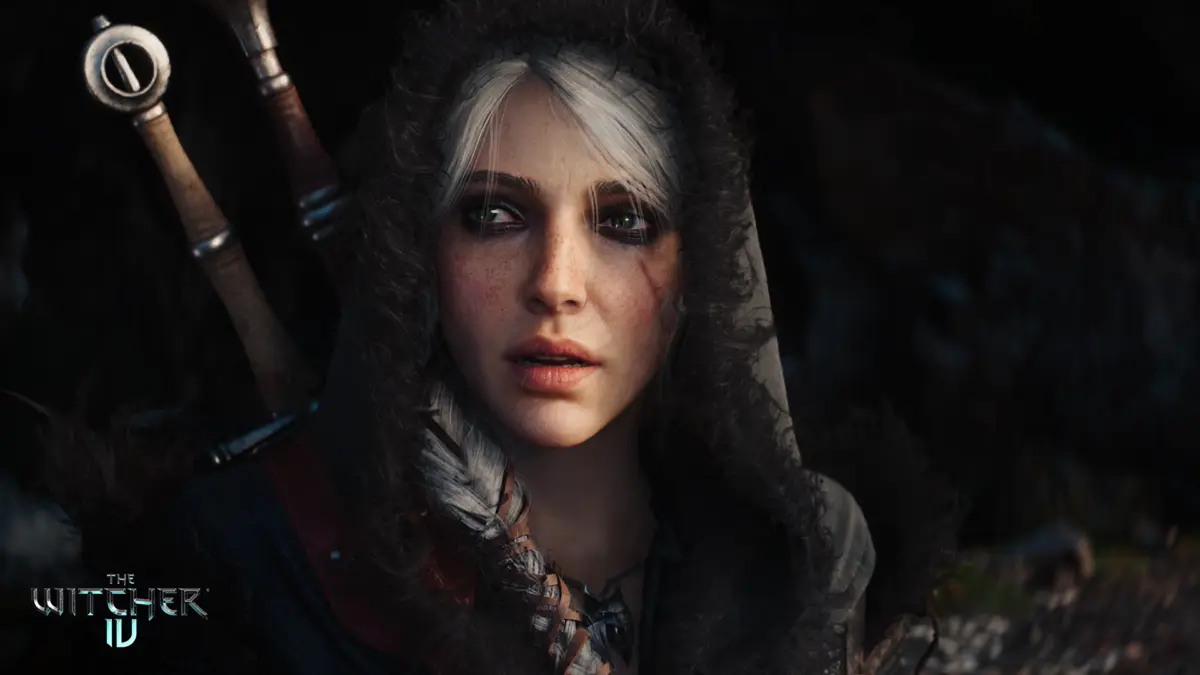
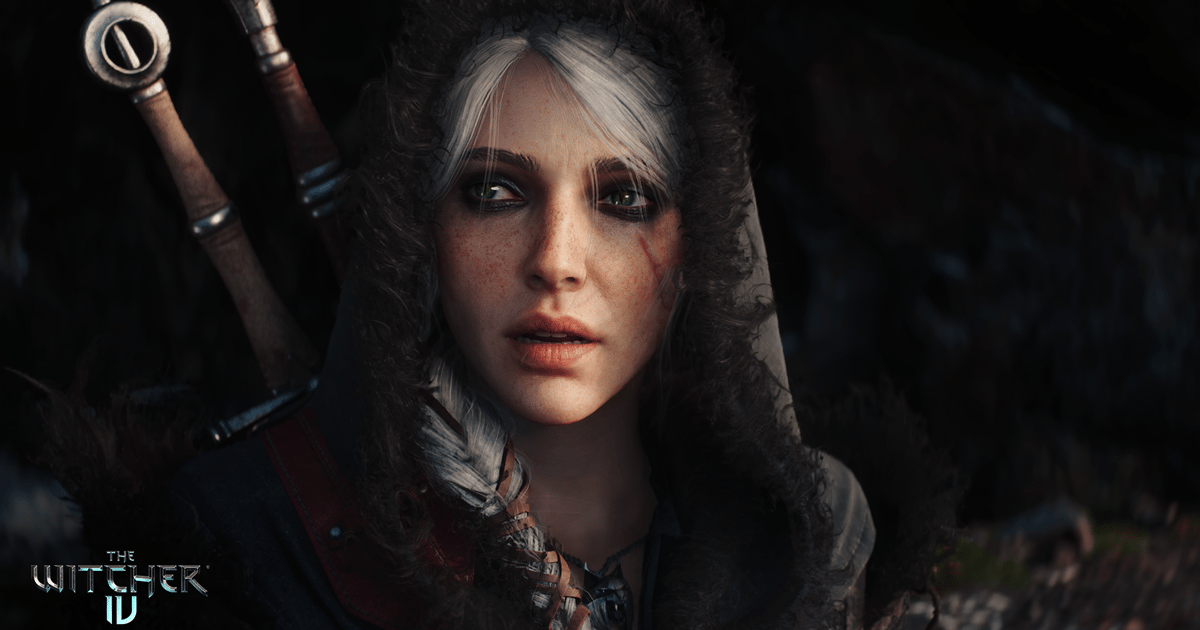
Now, years removed from that dark chapter, CDPR is applying the heavy-handed lessons of its past to safeguard its future. In recent interviews with industry leadership—including Co-CEO Michal Nowakowski—the studio has laid bare the massive systemic changes implemented across its development pipelines. Gone are the days of a PC-first production strategy that treated console optimization as an afterthought. Instead, CDPR has adopted a cross-platform-first methodology, ensuring that games like the highly anticipated The Witcher 4 (currently known under its codename Project Polaris) are actively playable on PC, PlayStation 5, and Xbox Series X/S at every single stage of their development lifecycle.
This investigative report examines the structural evolution of CDPR’s internal processes, detailing how a false sense of security derived from past luck led to disaster, how internal milestone tracking has fundamentally transformed, and what these changes mean for the studio’s broader multi-project pipeline, including The Witcher 3 expansions, modding tools, and the mysterious Project Hadar.
Detailed Chronology: From the Peak of The Witcher 3 to the Depths of Cyberpunk 2077
To understand the profound shifts in CDPR’s current engineering philosophy, one must retrace the historical timeline that bred both their greatest successes and their most humiliating failure.
The Illusion of Invincibility (2015–2019)
Following the immense critical acclaim of The Witcher 3: Wild Hunt in 2015, CDPR enjoyed a meteoric rise in global prestige. The studio was viewed as an anti-corporate champion of consumer rights, famous for eschewing intrusive digital rights management (DRM), delivering massive expansions that felt like standalone games, and maintaining open lines of communication with its community.
However, behind the scenes, The Witcher 3 had also pushed the studio to its technical limits. The team had faced staggering hurdles trying to port a sprawling open-world role-playing game onto multiple disparate architectures. According to Co-CEO Michal Nowakowski, CDPR managed to successfully cross the finish line back then largely because they "got a bit lucky here and there."
Unfortunately, rather than interpreting those close calls as a warning sign regarding the fragility of their multi-platform pipeline, management took away the wrong message. They convinced themselves that they possessed an innate mastery over cross-platform optimization, laying the psychological groundwork for the hubris that would define the Cyberpunk 2077 development cycle.
The PC-First Trap and the 2020 Catastrophe
When active development on Cyberpunk 2077 ramped up, the studio leaned entirely into a PC-first methodology. Driven by an unyielding ambition to set a new benchmark for cinematic storytelling, graphical fidelity, and environmental density, the development team treated the high-end PC rig as the definitive platform.
The rationale seemed sound on paper: design for the bleeding edge of hardware, achieve visual perfection, and then scale the game down to fit current-generation consoles (the PlayStation 4 and Xbox One) closer to the finish line.
As Nowakowski candidly admitted, leadership operated under a "false belief that toning it down to whatever was the current gen is not going to be that much of a challenge."
That assumption proved disastrous. The older Jaguar CPUs and sluggish mechanical hard drives of the base PS4 and Xbox One simply could not handle the complex streaming architecture, dense crowd density, and vertically sprawling geometry of Night City. When Cyberpunk 2077 finally launched on December 10, 2020, the console versions were practically unplayable, plagued by catastrophic texture pop-in, frequent crashes, game-breaking progression bugs, and unacceptably low framerates. The ensuing public relations nightmare, regulatory scrutiny, investor lawsuits, and the temporary removal of the game from digital storefronts permanently altered CDPR’s corporate DNA.
Supporting Context & Metrics: The Mechanics of Reform
In the wake of the Cyberpunk 2077 launch, CDPR initiated a root-and-branch restructuring of its production workflows, accountability metrics, and technical pipelines. The studio recognized that superficial patches—while necessary to salvage Cyberpunk and eventually turn public sentiment around via the critically acclaimed Phantom Liberty expansion and Update 2.0—would not prevent future failures. A structural overhaul of how games are built from day one was mandatory.
The Universal Build Standard
The cornerstone of CDPR’s modern development strategy is the absolute enforcement of a universal build standard across all target platforms. In the past, developers could work for months within a siloed PC environment, assuming that performance issues would be addressed during late-stage optimization sprints.
Today, that tolerance for technical debt has been eradicated. Speaking on the current development state of The Witcher 4, Nowakowski offered a striking contrast to past practices:
"You come to the studio, you launch Witcher 4 right now. You can launch it on PC. You can launch it on PS5. You can launch it on Xbox Series X, and it’s going to run."
This shift ensures that performance bottlenecks, memory leaks, and hardware-specific anomalies are identified and confronted in real-time. If a feature or visual asset works on a high-end PC but chokes an Xbox Series X or PlayStation 5, the development team stops to resolve the discrepancy immediately, rather than punting the problem down the road.
Overhauling Milestone Tracking and Technical Debt
A major contributor to the Cyberpunk 2077 debacle was the accumulation of deferred technical debt. During standard game development, studios rely on internal "milestones"—checkmarks designed to gauge whether a project is meeting specific production, narrative, and engineering goals.
Historically, CDPR fell into a dangerous trap regarding these benchmarks. As Nowakowski explained:
"For example, technically, we should hit, let’s say, 10 checkmarks. Back in the past, if we missed one or two, we were like, ‘we’re gonna catch up with that later on.’ Sometimes we did, but sometimes we didn’t, and then two milestones or three milestones down the road, you have like four or five missing checkmarks and it’s not that easy."
This compounding deficit of unresolved technical challenges created a cascading crisis toward the end of Cyberpunk‘s production cycle, forcing the infamous, grueling crunch periods that drew widespread criticism from labor advocates and industry observers alike.
Under the new management framework, missing milestone checkmarks is no longer treated as an acceptable logistical risk. If a milestone is missed, development halts or pivots to correct the deficiency before the team is permitted to advance further into production. This zero-tolerance policy for unresolved technical debt aims to protect both the final quality of the software and the physical and mental well-being of the development workforce by eliminating emergency crunch.
Official Statements and Industry Insights
CDPR’s pivot extends beyond core internal game engines to encompass strategic external partnerships and legacy support. A prime example is the studio’s approach to ongoing projects, remasters, and specialized toolsets.

Partnering with Geeksoft for The Witcher 3 Remaster and Modding Tools
CDPR’s relationship with its community has always hinged heavily on user-generated modifications (mods). However, maintaining older engines while pushing forward with new technologies presents distinct operational challenges.
When discussing the recent initiatives surrounding The Witcher 3—specifically its ongoing enhancements, expansions, and the release of comprehensive modding tools—Nowakowski highlighted the studio’s collaboration with Geeksoft, a specialized development company based in Hungary.
The decision to contract Geeksoft was driven by necessity and expertise. The proprietary RedEngine used to develop Cyberpunk 2077 evolved significantly from the iteration utilized during the production of The Witcher 3. Consequently, internal teams attempting to look backward often found themselves grappling with unfamiliar, legacy codebase architectures.
Geeksoft, deeply entrenched in the modding scene and possessing an intimate, granular understanding of The Witcher 3‘s internal engine mechanics, proved to be the ideal partner. Having previously assisted CDPR with the roll-out of official modding tools, Geeksoft was brought back on board to navigate the technical intricacies of breathing new life into the 2015 masterpiece. This outsourcing strategy allows CDPR to leverage hyper-specialized external talent while keeping its primary internal studios fully focused on major upcoming tentpole releases.
Future Outlook: The Witcher 4, Project Hadar, and the Road Ahead
As CDPR looks toward the horizon, its slate is packed with ambitious projects that will test the efficacy of its newly restructured development pipelines.
Project Polaris (The Witcher 4)
The Witcher 4 represents the dawn of a brand-new trilogy for the studio and the first major test of Unreal Engine 5 integration combined with CDPR’s new cross-platform-first philosophy. Abandoning their proprietary RedEngine in favor of Epic Games’ industry-standard technology was itself a massive strategic pivot designed to reduce technical friction and streamline developer onboarding. By ensuring that The Witcher 4 runs concurrently on PC, PS5, and Xbox Series X from its earliest stages, CDPR hopes to avoid the platform-parity nightmares that plagued its previous launch window.
Project Hadar and Long-Term Strategy
Beyond the world of Geralt and Ciri, CDPR is quietly incubating an entirely original intellectual property under the codename Project Hadar. While leadership remains tight-lipped regarding specific narrative premises, gameplay loops, or aesthetic styles, Nowakowski has indicated that fans should not expect a major deep-dive anytime soon, noting that concrete details may not emerge for perhaps the next five years.
This patient, measured approach to corporate announcements reflects a mature studio philosophy. CDPR is no longer rushing to build hype cycles years in advance based on vertical slices and cinematic trailers that bear little resemblance to actual running code.
Conclusion: A Wiser, More Resilient Studio
The transformation of CDPR from a reckless risk-taker into a disciplined, systematic engineering powerhouse is one of the most significant narrative arcs in contemporary gaming history. The painful lessons of Cyberpunk 2077 cost the company dearly in trust, capital, and brand equity, but they also catalyzed an indispensable internal awakening.
By prioritizing multi-platform playability from day one, eradicating deferred technical debt through strict milestone enforcement, and leaning into smart external partnerships, CDPR is positioning itself to reclaim its crown. As The Witcher 4 and future projects move through their respective pipelines, the gaming world will be watching closely to see if these hard-earned structural reforms can successfully deliver the next generation of role-playing masterpieces free of the technical ghosts of the past.