







Executive Overview
Over the past three decades, the digital infrastructure industry has undergone a relentless, high-velocity expansion. What began as modest enterprise server rooms—or climate-controlled halls housing a single mainframe—has exploded into sprawling hyperscale campuses. These massive complexes now span hundreds of thousands of servers distributed across multiple interconnected facilities, fundamentally altering rural and suburban landscapes alike.
Facilities that were once measured by square footage are now quantified in sprawling acreage. Meta’s 3,650-acre Hyperion campus in Richland Parish, Louisiana, represents the cutting edge of this trend, while proposals like Kevin O’Leary’s heavily debated Utah site—initially scaled to 40,000 acres before facing sharp public pushback and being pared down to 20,000 acres (roughly the size of Manhattan)—highlight an unprecedented land grab.
This hyper-expansion is not merely a byproduct of corporate ambition; it is an economic and technical necessity driven by the explosive rise of cloud computing and artificial intelligence (AI). As workloads outgrow traditional facilities, developers are forced to rethink site selection, power generation, modular architecture, and community relations. This article explores the driving forces behind the data center megacampus phenomenon, examining how technical innovation, shifting geographic constraints, and modern engineering practices are shaping the future of digital infrastructure.
Detailed Chronology: From Server Rooms to Manhattan-Sized Campuses
To understand how the data center industry reached this unprecedented scale, it is helpful to trace its evolution across three distinct eras.
Phase 1: The Enterprise Server Room Era (1990s – Early 2000s)
In the early days of enterprise computing, data centers were treated as internal utilities. Organizations housed their digital operations in dedicated rooms within corporate headquarters. These facilities relied on basic raised-floor architectures, localized air conditioning units, and early-generation mainframes. Scale was tightly bound to physical office footprints, and energy demands rarely exceeded a few hundred kilowatts.
Phase 2: The Hyperscale Cloud Boom (2010s – Early 2020s)
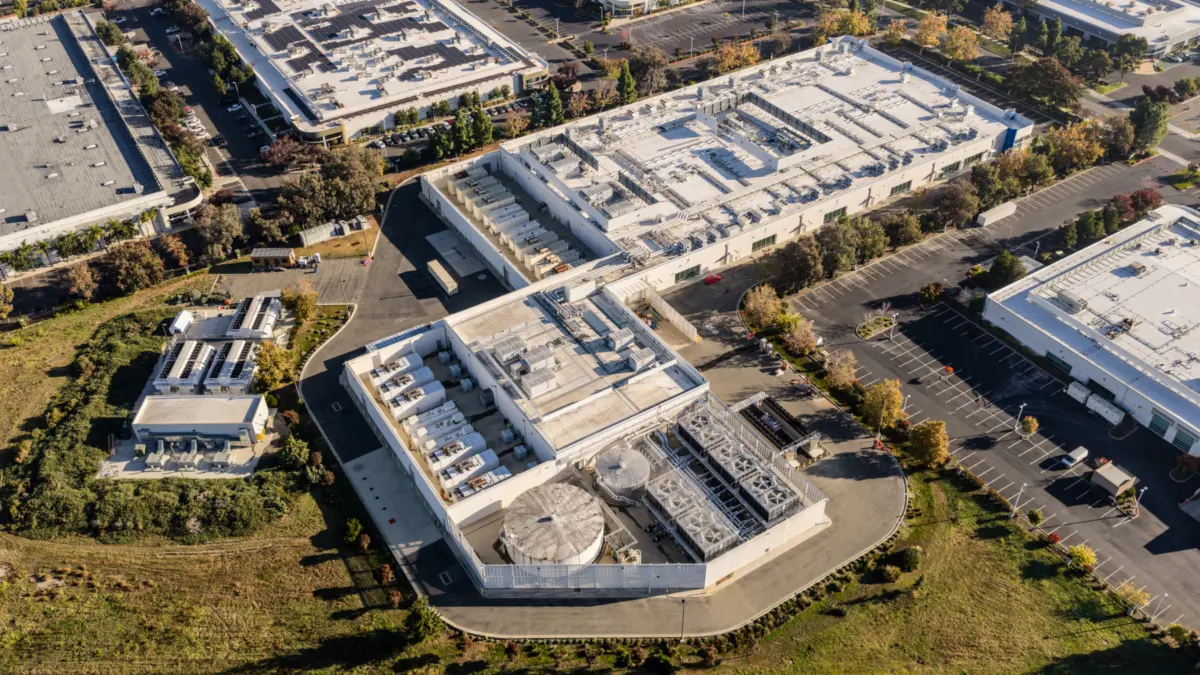
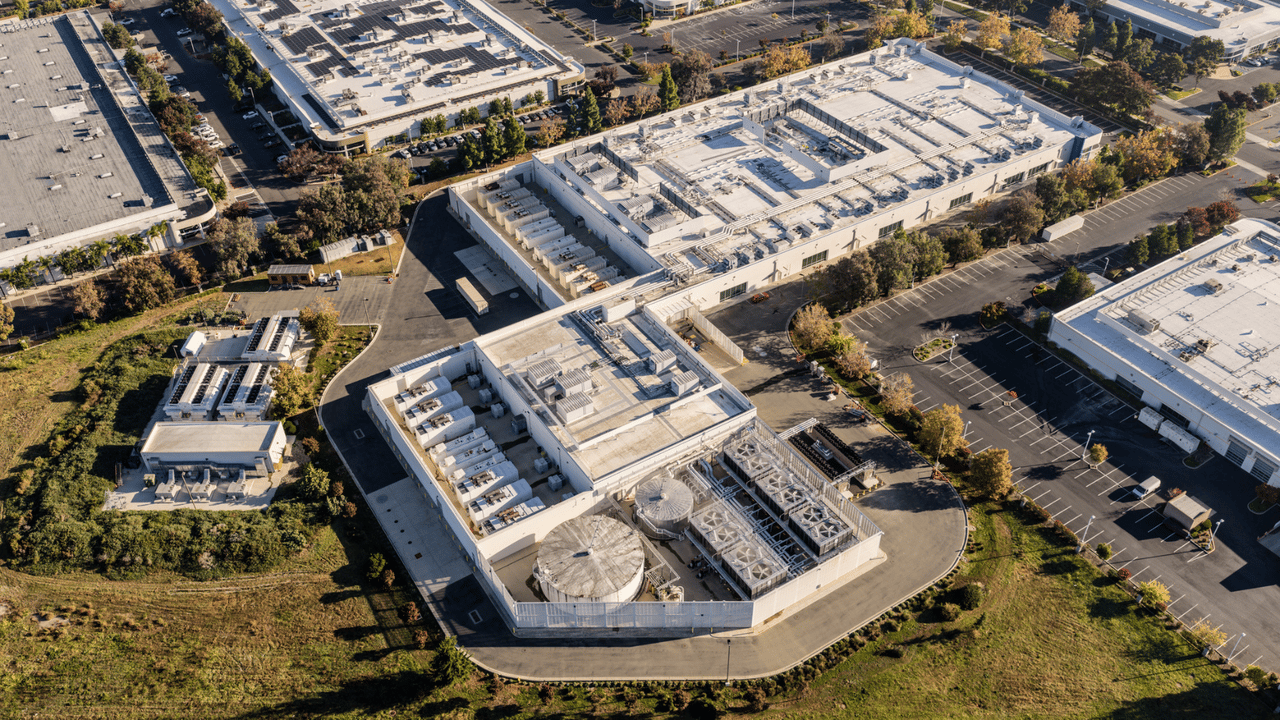
The widespread adoption of cloud computing shifted the paradigm entirely. Tech giants like Amazon, Microsoft, and Google required massive, centralized facilities to process consumer and enterprise data globally. Facilities grew from single buildings into multi-building campuses spanning 50 to 150 acres. During this period, the industry standardized around the concept of "white space" (server and storage halls) versus "gray space" (mechanical and electrical infrastructure like UPS systems, generators, and switchgear).
Phase 3: The Generative AI Megacampus Era (Present Day)
The advent of large language models (LLMs) and advanced AI training workloads has shattered previous scaling limits. Modern AI clusters require continuous, massive blocks of power—often measured in gigawatts rather than megawatts. To accommodate these power demands and the necessary cooling arrays, operators have expanded campus footprints into the thousands of acres. Today’s projects often function as standalone cities, requiring dedicated high-voltage substations, internal road networks, extensive safety setbacks, and on-site generation capabilities.
Supporting Context & Metrics: The Anatomy of a Megacampus
A common misconception is that a 2,000-acre data center campus is a solid block of servers. In reality, modern megacampuses are master-planned ecosystems comprising distinct operational zones.
Breaking Down the Footprint
Within each facility, space is strictly partitioned:
- White Space: The core data halls housing high-density compute nodes, GPU clusters, and storage arrays.
- Gray Space: The mechanical, electrical, and plumbing (MEP) infrastructure supporting the compute layer.
- Infrastructure Corridors: Acreage dedicated to utility routing, high-voltage substations, security perimeters, environmental safety setbacks, and internal road networks. Because these sites are so expansive, on-site personnel routinely rely on vehicles to navigate between buildings.
The Shift in Site Selection Dynamics
Historically, data centers adhered to strict geographic rules: they had to be located near major metropolitan areas to minimize network latency for end-users. However, AI workloads have fundamentally rewritten this rulebook.
According to Alex Cordovil, research director at Dell’Oro Group, the compute time required for frontier AI models to process a query far outweighs network latency. If a user already waits several seconds for an AI model to generate a response, the difference between a 5-millisecond and a 100-millisecond network transit time becomes imperceptible.
"That breaks the old rule that compute had to sit close to the user, and it frees developers to build in remote, isolated locations where the usual siting constraints all but disappear," Cordovil explains. "Once you remove those constraints, scale becomes the lever you pull."
Official Industry Perspectives
Leading voices in data center construction, engineering, and market analysis offer key insights into why these megacampuses are proliferating and how the industry manages their staggering complexity.
Overcoming Computational Limits
Peter Skae, managing director of technical services at JLL, emphasizes that the primary driver behind mega-facilities is simple physics and workload demand.
"Hyperscale data centers have grown massive because of cloud computing, AI, and digital services that all require enormous computational power and storage capacity that’s most efficiently delivered at scale," Skae states. "Consolidating into larger facilities achieves significant cost advantages through economies of scale while enabling the advanced power, cooling, and redundancy infrastructure needed for mission-critical operations."
Rather than building a single monolithic structure—which introduces severe single points of failure—developers are embracing campus-scale modularity. Skae notes that building clusters of moderately sized structures (typically ranging between 150,000 and 400,000 square feet per building) allows operators to bring capacity to market incrementally, improve redundancy, and manage capital expenditures more effectively.
The Parallel with Semiconductor Design
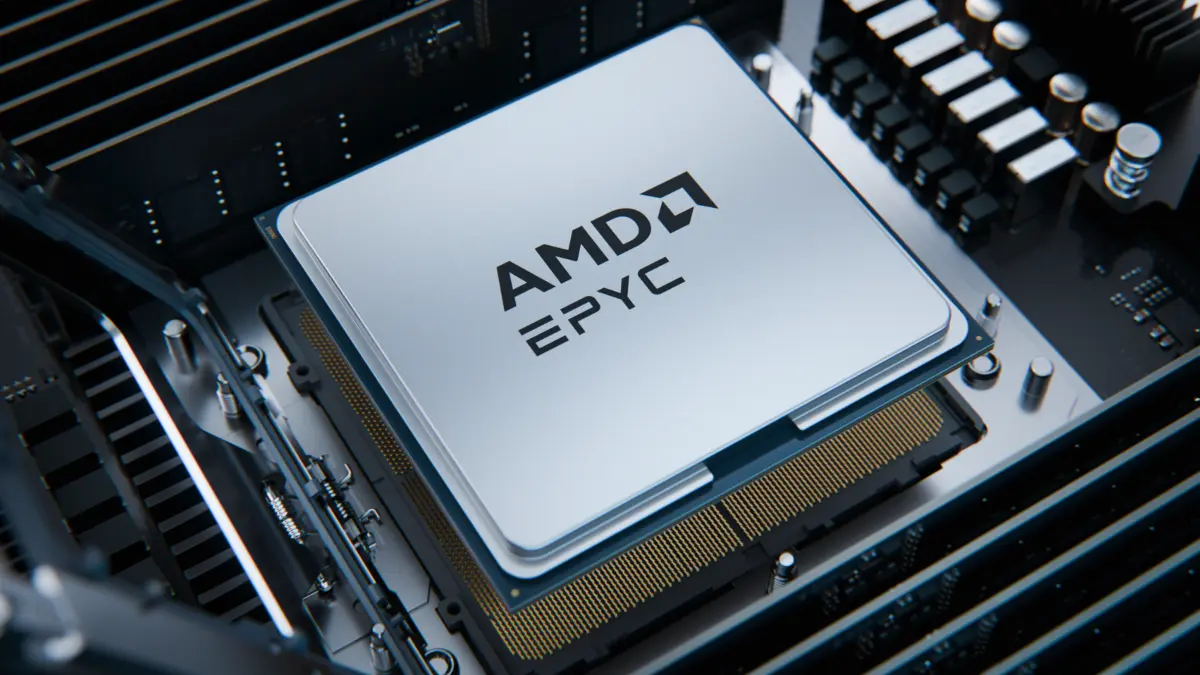
Industry analysts frequently draw parallels between modern campus architecture and recent advancements in silicon manufacturing. Just as chipmakers have moved away from monolithic CPU designs in favor of chiplets—smaller semiconductor dies interconnected via high-speed bridges—data center operators are building modular campus ecosystems.
Alan Howard, senior analyst for facilities at Omdia, points out that these massive footprints are rarely built out overnight. Campus builds routinely span a decade or more, though intense capital competition and AI demand have accelerated timelines.
Furthermore, resource planning must happen years in advance. "Power and water planning for multi-GW scale campuses is critical at the very earliest stages," Howard notes. He adds that while grid connections remain vital, many operators are turning to on-site generation. In cooler climates, operators minimize water usage through air-cooled chillers, while closed-loop, direct-to-chip liquid cooling systems further reduce liquid consumption.
Future Outlook: Challenges and Innovations on the Horizon
As the industry marches toward multi-gigawatt campuses, operators face formidable hurdles that will dictate the viability of future projects.
1. Power Availability and Grid Integration
The sheer electricity demand of AI data centers has placed immense strain on local and national energy grids. To bypass transmission bottlenecks, future megacampuses will increasingly rely on co-located energy generation, including modular nuclear reactors (SMRs), dedicated renewable energy farms, and advanced natural gas turbines paired with carbon capture technologies.
2. Streamlining Construction and Labor
Building a multi-building campus requires a massive, highly specialized labor force. With global trade labor shortages posing a constant bottleneck, developers are adopting pre-fabricated electrical rooms, modular cooling skids, and standardized building components to accelerate deployment timelines and reduce dependency on on-site manual labor.
3. Community Engagement and Social License
As demonstrated by public pushback against mega-projects in states like Utah, data center developers can no longer afford to operate in a vacuum. Securing long-term success requires proactive community outreach, transparent management of local water and power resources, and tangible economic investments in host municipalities.
Conclusion
The evolution toward the megacampus is not a temporary trend or corporate vanity project. It is a systematic, economic response to the insatiable computational demands of artificial intelligence and cloud computing. By combining modular campus designs, remote site selection, and advanced infrastructure engineering, the data center industry is successfully scaling to meet the demands of the digital future—even if navigating those facilities now requires a detailed map and a set of car keys.