Executive Overview
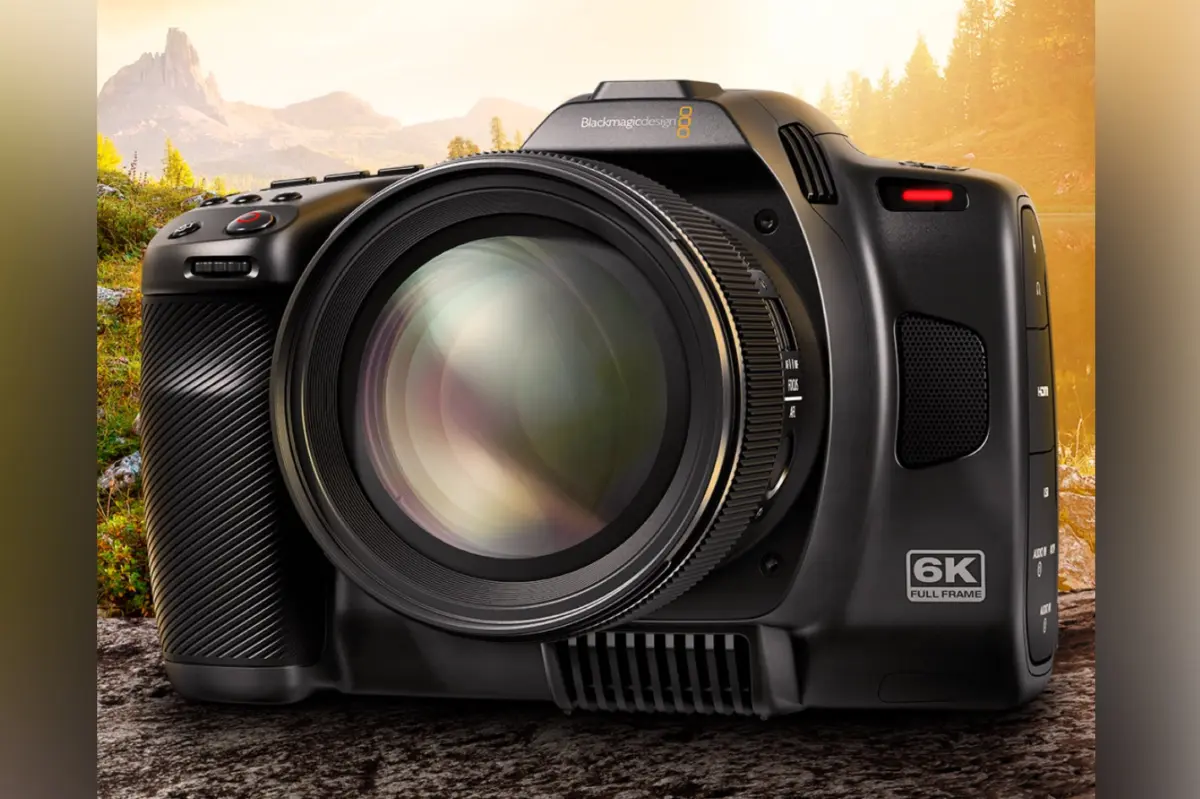
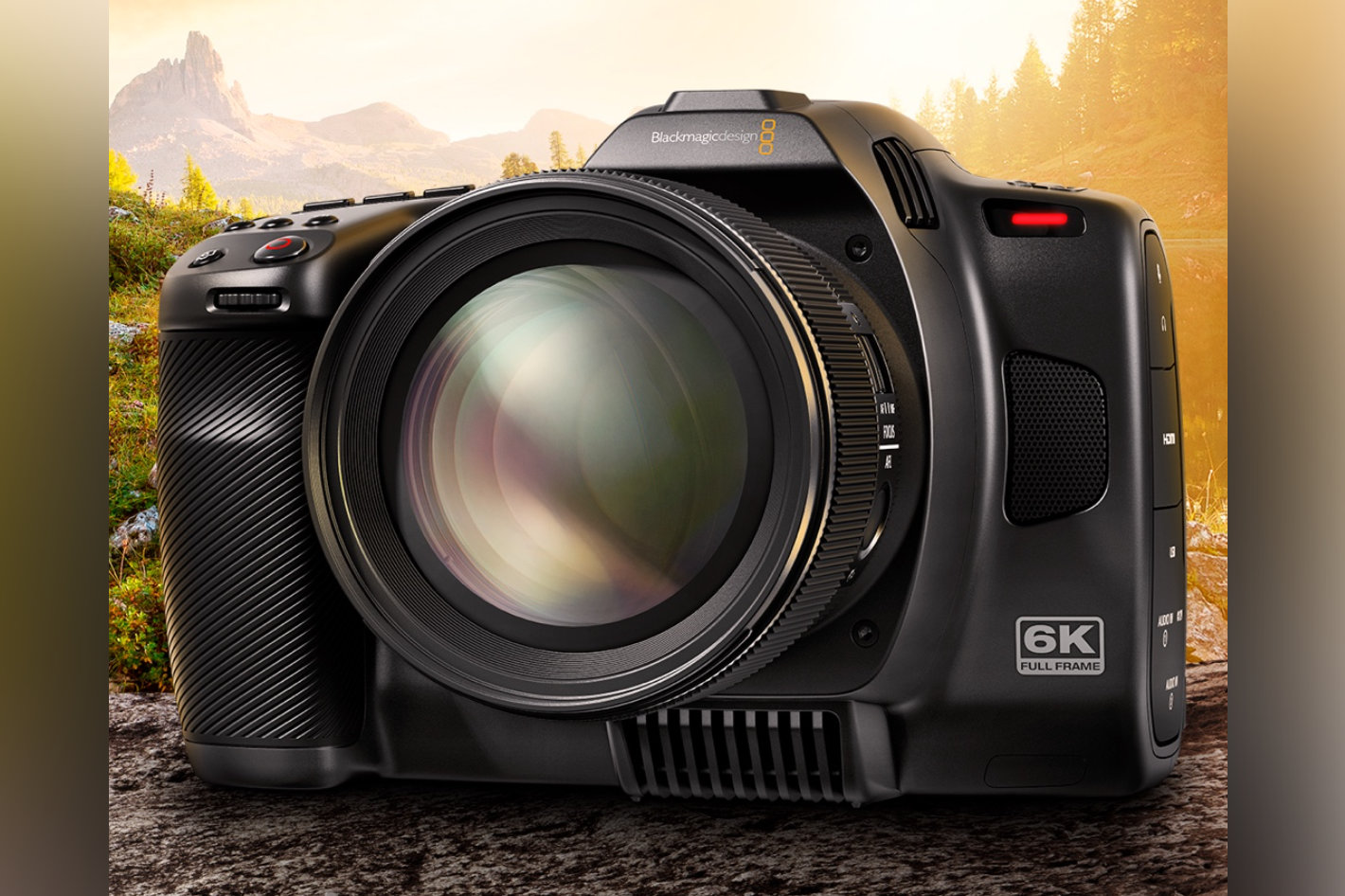
In the rapidly evolving landscape of digital cinema, camera manufacturers frequently face a critical choice: release new hardware iterations to capture market share, or continually enrich existing products through robust firmware updates. With the release of Camera Update 10.2.2, Blackmagic Design has decisively chosen the latter, delivering a transformative suite of features to its flagship Blackmagic Cinema Camera 6K (BMCC 6K).
This major firmware update introduces several highly requested capabilities that bridge the gap between traditional cinema workflows and modern run-and-gun production environments. Most notably, the update activates Phase Detection Autofocus (PDAF) capabilities, introduces an unprecedented 10-minute pre-record buffer, integrates Blackmagic Cloud stream routing, and expands onboard audio capture to four channels.
By addressing historical pain points—specifically autofocus reliability and live-streaming integration—Blackmagic Design is not merely updating a camera; they are repositioning a full-frame L-mount cinema camera as a versatile powerhouse capable of handling high-end narrative cinema, fast-paced documentary filmmaking, electronic news gathering (ENG), and live broadcast simultaneously. This investigative report explores the technical mechanics, workflow implications, and strategic market impact of the Camera 10.2.2 release.
Detailed Chronology of the Update and Technical Breakdown
The rollout of Camera Update 10.2.2 represents a milestone in Blackmagic Design’s software engineering timeline. While the Blackmagic Cinema Camera 6K was lauded at launch for its stunning full-frame 6K sensor, dual native ISO, and L-mount versatility, some operators noted the omission of competitive continuous autofocus and advanced network integration. The 10.2.2 firmware update systematically addresses these concerns.
Blackmagic Camera Firmware Evolution:
[Previous Versions] ---> [Camera Update 10.2.2]
 - Contrast-Detect AF     - Phase Detection Autofocus (PDAF) + Active Tracking
 - Standard Recording     - Up to 10-Minute Pre-Record Cache
 - Local Media Capture    - Blackmagic Cloud Stream Routing (Direct-to-Studio)
 - 2-Channel Audio        - 4-Channel Synchronized Audio Recording
The PDAF Revolution: Phase Detection vs. Contrast Detection
Historically, cinema cameras prioritized manual focus pullers, rendering autofocus secondary. However, the rise of solo operators, gimbal setups, and drone cinematography has made reliable autofocus an industry necessity.
Prior to version 10.2.2, the BMCC 6K relied primarily on contrast-detect autofocus, a system prone to "hunting" (moving back and forth past the point of focus to determine the sharpest contrast). This update unlocks Phase Detection Autofocus (PDAF) on the sensor level.
- How it Works: PDAF operates by splitting incoming light into pairs of images and comparing them. By analyzing the phase difference between these images, the camera instantly calculates exactly how far and in which direction to adjust the lens elements to achieve perfect focus.
- Tracking Modes: The update introduces three distinct operational modes:
- Continuous Autofocus: Maintains a lock on the selected focal plane even as the camera or subject moves.
- Object Tracking: Allows operators to tap a subject on the high-bright touchscreen, prompting the camera’s processing engine to lock onto and follow that specific geometric or color profile.
- Face Tracking: Utilizes facial recognition algorithms to prioritize human subjects, keeping eyes and facial features sharp even at shallow depths of field (e.g., shooting wide open at f/1.4 or f/1.8 on a full-frame sensor).
The 10-Minute Pre-Record Buffer
One of the most technically impressive features of the 10.2.2 update is the introduction of a pre-record cache of up to 10 minutes. While many action cameras and broadcast units offer a 5- to 30-second pre-record window, a 10-minute buffer on a full-frame 6K cinema camera recording high-bitrate codecs is practically unheard of.
To implement this, Blackmagic Design utilizes a circular buffering system within the camera’s high-speed internal RAM before writing to the CFexpress Type B card or external USB-C SSD. When pre-record is enabled, the camera continuously captures video and audio data, discarding the oldest frames as new ones enter the buffer.
Once the operator presses the physical record button, the cached footage (ranging from 5 seconds up to the full 10 minutes) is instantly appended to the start of the newly created file. This process ensures that unpredictable moments in documentary filmmaking, wildlife capture, or live news events are never missed, while simultaneously saving valuable storage space by avoiding hours of empty standby recording.
Pre-Record Buffer Workflow:
[ Continuous 10-Min Cache in RAM ] ──(Rec Button Pressed)──> [ Cache Appended to Start of File ] ──> [ CFexpress / SSD Storage ]
Blackmagic Cloud Stream Routing
As production environments increasingly rely on decentralized post-production pipelines, the ability to transmit high-quality video instantly from the field to the edit suite is paramount. The 10.2.2 update integrates Blackmagic Cloud stream routing directly into the camera’s network stack.
Using either the camera’s built-in Ethernet port, built-in Wi-Fi, or a tethered 5G mobile phone, operators can route a live stream directly from the camera to a remote studio. Through the Blackmagic Cloud ecosystem, this stream can be distributed to multiple platforms simultaneously or fed directly into DaVinci Resolve setups worldwide for real-time remote editing, grading, and client review sessions.
Expanded 4-Channel Audio Capture
Sound is half the viewing experience, yet cinema cameras often require external audio recorders to capture multi-source soundscapes. The 10.2.2 update unlocks 4-channel audio recording on the BMCC 6K. This allows the camera to simultaneously capture:
- Two channels of high-quality analog audio via the camera’s dual mini-XLR inputs (with phantom power).
- Two additional channels, either from the internal stereo microphones (ideal for ambient scratch tracks) or via the 3.5mm stereo input.
All four channels are recorded as discrete, perfectly synchronized audio tracks within the single Blackmagic RAW (BRAW) or H.264/H.255 video container, dramatically simplifying the synchronization process in post-production.
Supporting Context & Market Metrics
To understand the disruptive nature of this update, it is essential to analyze the current market positioning of the Blackmagic Cinema Camera 6K relative to its primary competitors in the sub-$3,500 full-frame cinema segment.
| Feature / Specification | Blackmagic Cinema Camera 6K (Firmware 10.2.2) | Sony FX3 | Canon EOS C70 | Panasonic Lumix S5IIX |
|---|---|---|---|---|
| Sensor Size | Full Frame (36 x 24mm) | Full Frame (35.6 x 23.8mm) | Super 35 (DGO) | Full Frame (35.6 x 23.8mm) |
| Max Resolution | 6K Open Gate (6048 x 4032) | 4.2K (External Raw) | 4K DCI | 6K Open Gate |
| Autofocus Technology | Phase Detect (PDAF) + Tracking | Real-Time Eye AF / Phase Detect | Dual Pixel CMOS AF II | Phase Hybrid AF |
| Pre-Record Buffer | Up to 10 Minutes | None (Standard) | Up to 5 Seconds | None (Standard) |
| Onboard Audio Channels | 4 Channels (Direct Sync) | 4 Channels (via XLR Handle) | 4 Channels | 4 Channels (via XLR Adapter) |
| Cloud Integration | Direct Stream Routing / Blackmagic Cloud | Creators’ Cloud (Paid/App) | C2C (via Frame.io integration) | Frame.io Camera to Cloud |
| Price Point (MSRP) | ~$2,595 | ~$3,899 | ~$5,499 | ~$2,199 |
Strategic Implications of the L-Mount Alliance
By solidifying PDAF capabilities on the BMCC 6K, Blackmagic Design maximizes its membership in the L-Mount Alliance (alongside Leica, Panasonic, Sigma, and DJI). Historically, L-mount lenses from Sigma and Panasonic were optimized for phase-detection systems found in Panasonic Lumix cameras. By bringing robust PDAF to the BMCC 6K, users can now leverage the extensive catalog of native L-mount glass with the confidence that autofocus performance will remain fast, silent, and highly accurate.
Official Statements and Industry Insights
In detailing the rollout of the 10.2.2 firmware, Blackmagic Design highlighted the operational efficiencies that these features bring to fast-turnaround environments. According to the company’s official release notes:
"This update adds support for up to 10 minutes pre-record on Blackmagic Cinema Camera 6K. Now you can record up to 10 minutes of action before you press the record button. The pre-record function lets the camera continuously record to the media card, ensuring any unexpected event will never be missed.
Simply select the pre-record duration you need, from 5 seconds to a full 10 minutes, and that cached media will be added to the start of each file you record. This means every important moment is safely captured, critical for unpredictable or fast changing environments like documentaries, news or live events. By only saving what’s needed, pre-record also helps reduce storage use because even though you are constantly recording, only the section before you press record is preserved."
Industry analysts point out that Blackmagic’s business model relies heavily on hardware ecosystem lock-in rather than charging for software updates. By offering Camera Update 10.2.2 as a free download, Blackmagic increases the lifetime value of their cameras, fosters brand loyalty, and drives users toward their cloud-based post-production software, DaVinci Resolve.
Future Outlook
The release of Camera Update 10.2.2 signals a broader paradigm shift in the digital imaging industry. The traditional lines separating "cinema cameras," "broadcast cameras," and "mirrorless hybrid cameras" are dissolving.
The Convergence of IP Workflows and Cinema Quality
As 5G networks become globally ubiquitous and satellite internet systems like Starlink offer low-latency connections in remote locations, direct-to-cloud streaming from cinema cameras will transition from a niche luxury to a standard operating procedure. Blackmagic’s proactive implementation of cloud stream routing positions them at the forefront of this shift. We can expect future iterations of Blackmagic cameras to feature even tighter integration with virtual studio environments, including real-time, AI-driven proxy generation and automated multi-cam cloud switching.
Computational Videography in Professional Cinema
The activation of PDAF via firmware shows how much modern camera hardware relies on software optimization. Moving forward, we are likely to see Blackmagic Design implement more machine-learning and computational videography techniques directly on their custom image processing engines. This could include AI-assisted auto-exposure that prioritizes human skin tones under challenging lighting, real-time digital image stabilization utilizing gyro metadata, and advanced scene-recognition algorithms designed to optimize color science on the fly.
For owners of the Blackmagic Cinema Camera 6K, the 10.2.2 update represents a substantial increase in their equipment’s capability and market value without any additional capital expenditure. The update is currently available for download directly from the official Blackmagic Design Support Center.