In the modern digital economy, the chasm between obscurity and seven-figure enterprise success is rarely bridged by a superior product alone; it is spanned by the precision of the written word. For entrepreneurs, marketers, and independent operators, copywriting serves as the primary engine for customer acquisition. Nearly all scalable revenue streams—ranging from algorithmic search engine optimization (SEO) and social media distribution to high-conversion email newsletters—depend fundamentally on persuasive architecture.
Becoming a master copywriter requires shedding the misconception that exceptional writing demands ornate vocabulary or literary elegance. In commercial environments, eloquence is frequently the enemy of conversion. The industry’s elite professionals understand that true copywriting mastery is measured by clarity, conciseness, and, above all, return on investment (ROI). By focusing on revenue generation over stylistic flourish, modern copywriters can position themselves as indispensable commercial assets. This report explores ten foundational pillars essential for transforming everyday prose into an ecosystem that systematically converts attention into cash.
Detailed Chronology: The Evolution of Modern Copywriting
The landscape of persuasive writing has undergone a radical structural transformation over the past decade. Understanding this trajectory is crucial for contemporary practitioners aiming to build sustainable digital models.
Phase 1: The Era of Intuition and Eloquence (Pre-2015)
In the early days of digital marketing, copywriting was largely treated as an extension of traditional advertising. Agencies relied heavily on intuition, creative flair, and clever metaphors. Success was often measured by vanity metrics such as brand awareness, impressions, and website traffic. Little emphasis was placed on systematic data tracking or rigorous multivariate testing.
Phase 2: The Rise of Direct Response and Funnels (2015–2020)
As digital channels saturated, the industry shifted toward data-driven direct response. Marketers realized that long-form sales pages, targeted email sequences, and structured tripwire funnels could accurately attribute revenue to specific pieces of copy. Copywriters began studying behavioral psychology, objection handling, and customer pain points. This era established the foundational framework that high-converting copy must mirror the exact psychological state of the buyer.
Phase 3: The Omnichannel & AI-Integrated Economy (2020–Present)
Today, copywriting operates within a fragmented omnichannel ecosystem spanning search engines, social media platforms, programmatic ads, and algorithmic feeds. Concurrently, the integration of artificial intelligence has redefined the research and drafting phases. Modern copywriters no longer struggle with blank pages; instead, they leverage advanced language models for pain-point harvesting, semantic phrasing optimization, and competitive intelligence gathering. The differentiator is no longer mechanical drafting speed, but strategic direction, emotional resonance, and data-backed ROI measurement.
Supporting Context & Metrics: The 10 Pillars of High-Converting Copy
To build a lucrative copywriting career or scale an enterprise content engine, practitioners must internalize a systematic methodology. Below are the ten foundational strategies required to engineer profitable prose.
1. Conduct Rigorous Customer Research
The primary objective of any copywriter is to capture attention, build trust, introduce a viable solution, dismantle objections, and convert the reader. This cannot be achieved in a vacuum. Great copywriters deeply understand their target audience’s daily frustrations, emotional triggers, and desired outcomes.
Consider how industry leaders construct landing pages. Instead of relying on generic value propositions like "learn how to make more money," elite copywriters mirror the exact mundane realities of their prospects—such as the monotony of a 9-to-5 job, evening television streaming, or endless scrolling on mobile devices. By accurately reflecting a prospect’s lived experience, a copywriter proves an intimate understanding of their pain.
Tactical Research Methods:
Sales Call Transcripts: Review recorded sales conversations or utilize AI tools like ChatGPT to analyze transcripts for recurring objections and linguistic patterns.
Community Mining: Immerse yourself in specialized Reddit threads, Facebook groups, and industry forums where target demographics discuss their challenges.
Sales Team Interviews: When direct customer access is limited, interview internal sales representatives who speak with prospects daily.
2. Reverse-Engineer Competitor Strategies
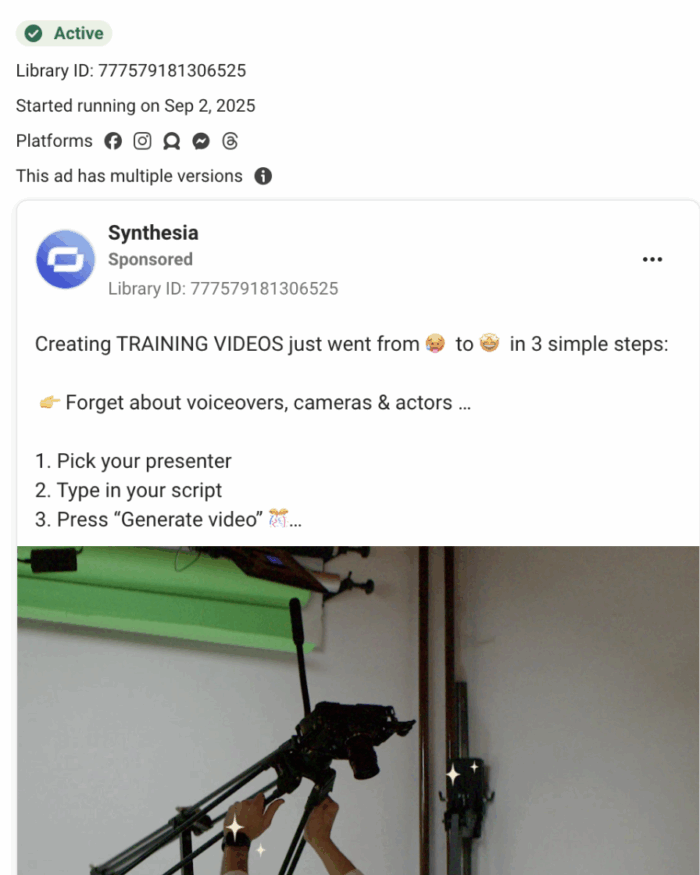
Industry competitors who allocate capital toward paid acquisition have already absorbed the cost of testing messaging. Rather than starting from scratch, analyze the active ad libraries on LinkedIn and Meta to identify long-running campaigns. Advertisements that remain active over extended periods typically signal a winning pain point or validated hook.
3. Maintain and Curate a Swipe File
Developing an intuitive eye for persuasive design requires constant exposure to elite-level marketing. Curate a personal swipe file comprising high-performing headlines, sales pages, and promotional emails. Additionally, reference established repositories like SwipeFile.com to study structural frameworks designed by veteran copywriters.
4. Establish a Repeatable Writing Process
Relying on sudden bursts of inspiration introduces friction and writer’s block. A structured writing process ensures that essential conversion elements—such as validated pain points, logical transitions, and compelling calls to action (CTAs)—are never omitted. For example, a reliable blog writing workflow might involve:
Keyword and search intent analysis.
Structuring an outline based on audience pain points.
Drafting the core arguments supported by expert citations.
Editing for conciseness and clarity.
5. Practice Through Practical Execution
Theoretical knowledge alone yields nominal results. The most effective way to refine copywriting skills is through practical execution—ideally by building and marketing personal digital assets. Whether launching an affiliate marketing site, ghostwriting on professional networks, or managing an e-commerce storefront, writing for direct purchase intent teaches the harsh economic realities of consumer behavior.
6. Embrace Artificial Intelligence Strategically
Artificial intelligence should serve as a collaborative research partner rather than a replacement for human strategic thought. Key AI use cases include:
Pain Point Discovery: Prompting language models to analyze broader industry frustrations.
Phrasing Clarity: Refining dense paragraphs into concise, readable sentences.
Expert Source Gathering: Using AI to discover relevant quotes, case studies, and insights from industry authorities.
7. Master a Single Distribution Platform
Different communication channels require distinct psychological hooks and structural formats. Thought leadership content thrives on professional networks like LinkedIn, whereas actionable, long-form content dominates search engine results pages. Mastering the algorithmic nuances and conversion mechanisms of a single platform allows copywriters to command higher compensation for superior ROI.
8. Rigorously Measure Content ROI
Subjective peer feedback is often misleading. To evaluate copywriting effectiveness, practitioners must tie content directly to business revenue:
For Ghostwriting: Evaluate the demographic profile of engaging users (e.g., ensuring decision-makers comment rather than junior observers) and track custom conversion attributions.
For Blog Content: Implement robust conversion tracking via analytics platforms to link organic search traffic directly to inbound demo requests or purchases.
9. Join Collaborative Communities
Operating in isolation slows professional growth. Engaging within specialized peer groups provides opportunities for constructive critique, accountability, and strategic networking. Platforms designed specifically for digital entrepreneurs offer direct access to experienced mentors who can review copy and accelerate professional development.
10. Maintain Tactical Impatience and Strategic Patience
As investor Naval Ravikant observed, operators should be "impatient with action and patient with results." This philosophy requires aggressive daily execution while acknowledging that compounding brand equity and SEO authority take months to materialize. Consistency remains the ultimate competitive advantage.
Official Statements & Industry Perspectives
Industry leaders continually emphasize that copywriting is fundamentally an economic discipline disguised as a creative one.
"Great copywriters do not write to impress; they write to convert. When you align your prose with the economic desires and psychological pain points of your market, revenue follows naturally." — Digital Marketing Leadership Consensus
Furthermore, experienced educators stress the importance of community support in navigating the digital landscape:
"Building a sustainable business or career as a copywriter can be isolating. Having direct access to experienced practitioners who can review your work and provide real-time feedback bridges the gap between amateur experimentation and professional mastery."
Future Outlook
As artificial intelligence continues to commoditize generic content generation, the value of human strategic thinking, emotional intelligence, and rigorous customer research will appreciate exponentially. Organizations will no longer pay premiums for sheer word count; instead, they will invest heavily in copywriters who can demonstrate a clear, measurable return on ad spend and organic acquisition channels.
Those who master the intersection of data analytics, audience psychology, and systematic distribution will dictate the terms of digital commerce in the years ahead. By adopting an execution-first mindset, leveraging collaborative ecosystems, and committing to continuous refinement, modern copywriters can secure a dominant position in the digital economy.