EXECUTIVE SUMMARY
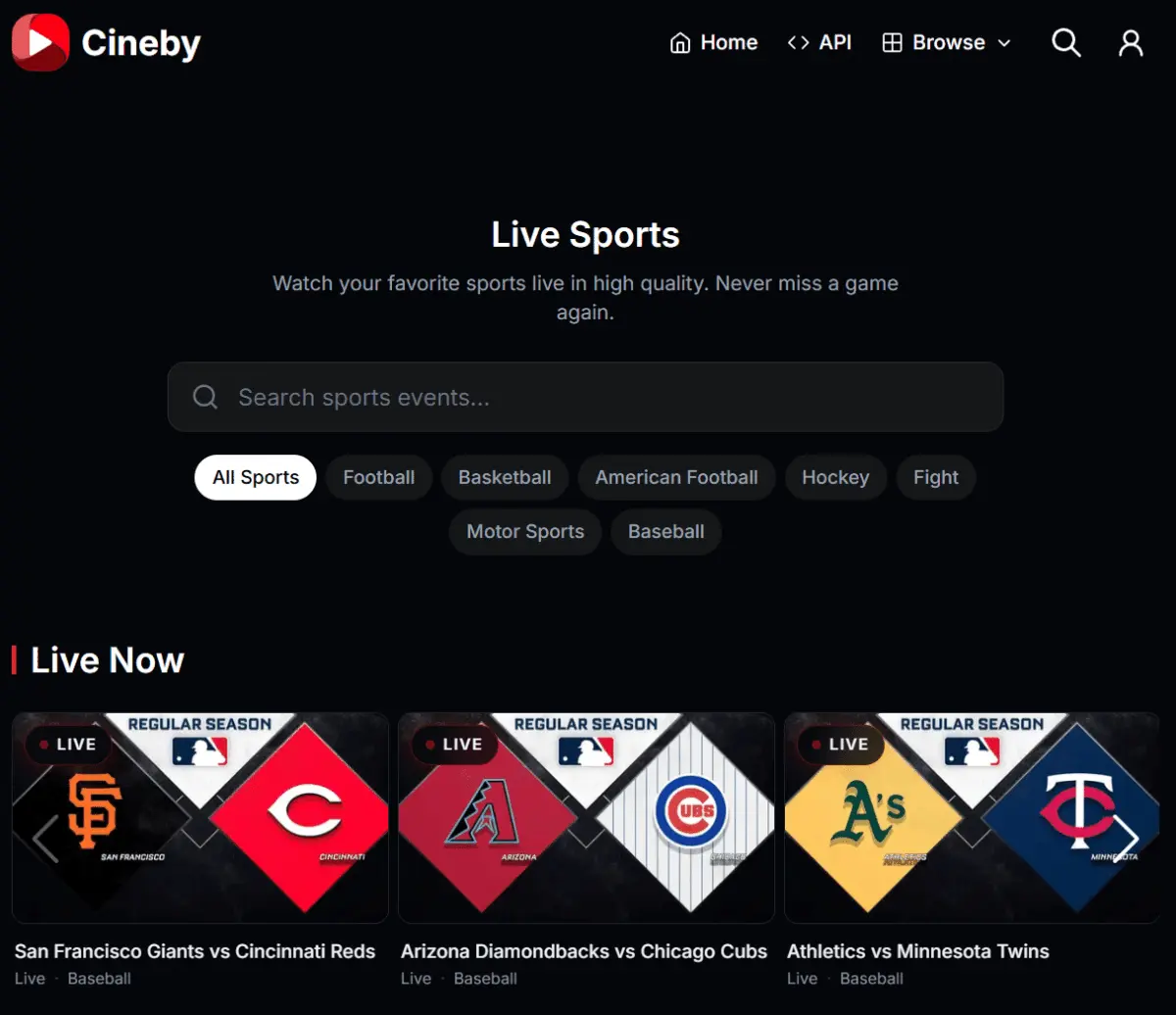
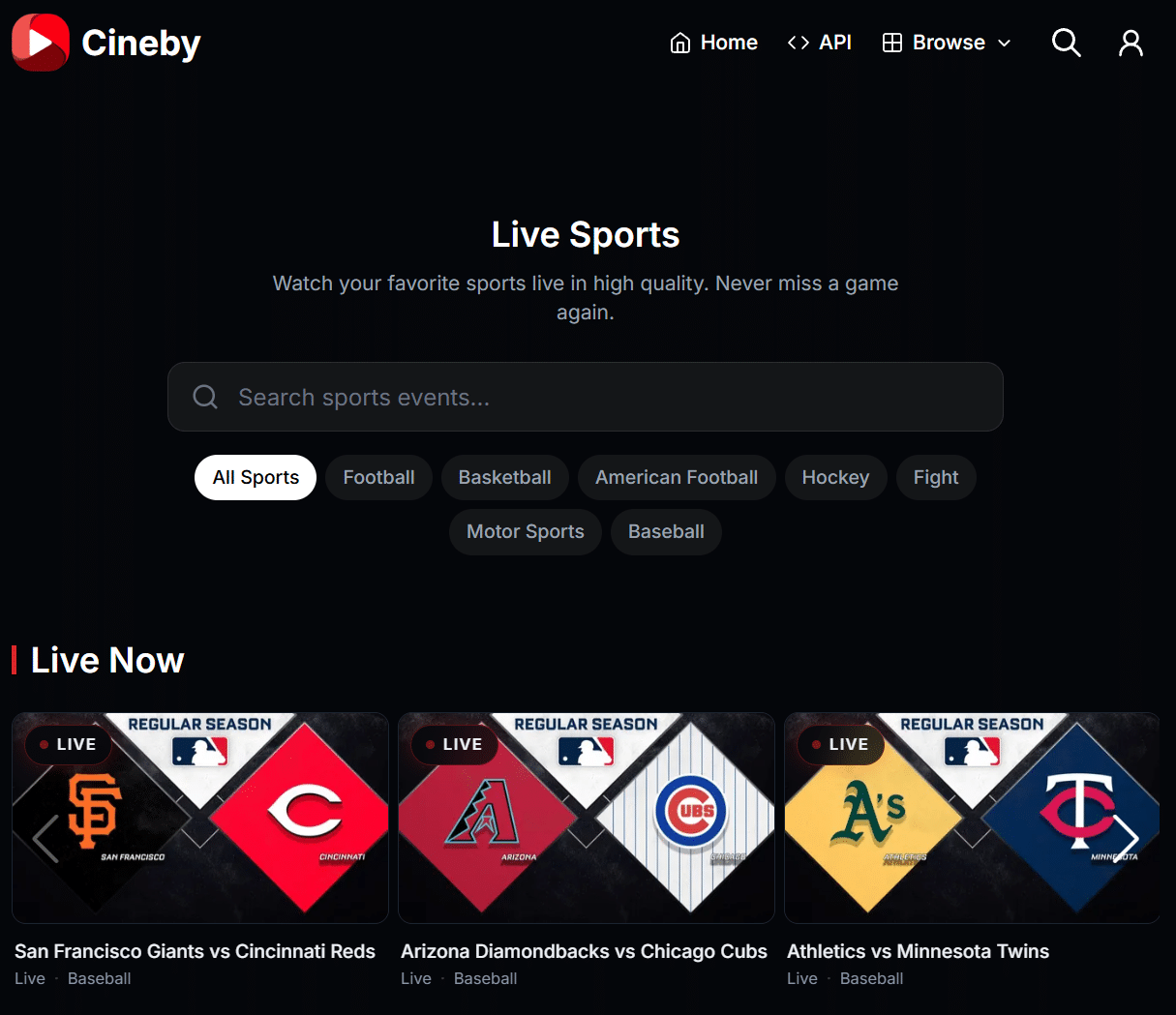
In a surprising turn of events that has sent shockwaves through the online digital community, the massive unauthorized streaming portal Cineby has officially initiated a granular, meticulously planned schedule to shut down its operations permanently. Rather than pulling the plug abruptly—a common practice among illicit streaming networks facing sudden law enforcement intervention or legal threats—Cineby’s anonymous operators have opted for a prolonged, staged dismantling of their digital empire.
Spanning more than a week, the wind-down strategy involves methodically stripping away features one by one: starting with the consolidation of high-traffic mirror networks, cutting off live anime and sports streams, eliminating direct file downloads, purging user account databases, disabling video playback, and ultimately letting the final domains expire permanently by September 5.
Boasting an astounding estimated 160 million visits in a single recent month, Cineby—along with its high-profile sister properties Fmovies+ and Cineplay—stood as one of the most heavily trafficked unauthorized entertainment hubs on the global internet. The closure marks the end of an era for a platform that has weathered intense, coordinated international pressure from major media conglomerates, copyright enforcement alliances, and high-court injunctions across multiple jurisdictions.
Yet, despite the mounting legal crosshairs—which included formal targeting by the Motion Picture Association (MPA), sweeping site-blocking injunctions in the United Kingdom and Canada, and targeted takedowns by HBO via the Delhi High Court—the true catalyst behind this self-imposed execution remains shrouded in mystery. With official communication channels bouncing back undeliverable error messages and no explicit deals struck with rightsholders, industry analysts are left divided: is this a genuine surrender under the weight of unrelenting global litigation, or is it a calculated rebranding maneuver designed to resurrect the multi-million-visitor hydra under an entirely new banner?
The Anatomy of a Shutdown: Cineby’s Detailed Chronological Timeline
Historically, when multi-million-dollar illicit streaming platforms disappear, they typically do so overnight. A sudden DNS seizure banner from federal law enforcement, a surprise raid on server infrastructure, or a panicked overnight domain abandonment are the standard tropes of the pirate site lifecycle. Cineby’s approach, however, represents a bizarrely orderly administrative decoupling.
The site operators published an official, time-stamped schedule outlining the exact sequence of events that would systematically dismantle their infrastructure over an eleven-day period. This unprecedented transparency has transformed the site’s final days into a slow-motion digital vanishing act.

[August 25] ---> Mirror Consolidation (Fmovies+ & Cineplay redirect to Cineby)
[August 26] ---> Live Content Severed (Anime & live sports streams deactivated)
[August 27] ---> Downloads Disabled (Direct file-sharing capabilities terminated)
[August 28] ---> User Purge (Account systems erased, user data wiped)
[August 30] ---> Final Film & TV Playback (Last day for on-demand video streaming)
[August 31] ---> Streaming Engines Killed (Core video delivery systems switched off)
[September 1] -> Farewell Broadcast (Official goodbye message posted)
[September 5] -> Permanent Deletion (All remaining root domains taken offline indefinitely)
Stage-by-Stage Breakdown of the Demise
The phased shutdown began on August 25, when the operation consolidated its web properties by redirecting high-traffic companion domains, Fmovies+ and Cineplay, directly back to the primary Cineby portal. This initial triage centralized the user base before the systematic excision of features commenced.
By August 26, the second phase was executed right on schedule: the dedicated livestream portal went completely dark, severing access to real-time broadcasts, niche anime streams, and live sporting events. While the operators’ initial announcements hinted that the entire platform might vanish on this date, they quickly revised their roadmap, opting instead to extend the user grace period.
Subsequent days saw the rapid stripping of secondary functionalities. On August 27, direct-download options were permanently disabled, halting offline storage of copyrighted media files. This was followed on August 28 by the total dismantling of the site’s account registration and user profile systems, ensuring that personal databases, watchlists, and user metadata were wiped clean before any potential administrative data seizures could occur.
As the calendar turned to the final weekend of August, the core offering itself was throttled. August 30 marked the absolute final day for passive film and television series consumption, with the master streaming infrastructure permanently shut down on August 31. September 1 saw the publication of a poignant farewell address to its massive user base, culminating on September 5 in the irrevocable de-registration and permanent takedown of every remaining domain name associated with the Cineby brand.
Traffic Metrics, Scale, and Ecosystem Footprint
To fully understand the gravity of Cineby’s departure, one must examine the staggering scale of its digital footprint. In an era where attention is the ultimate currency, Cineby commanded an audience size that rivaled legitimate, venture-backed streaming platforms.
According to independent digital intelligence and web analytics data from Similarweb, Cineby pulled in an estimated 160 million visits during the month preceding its shutdown announcement. This immense volume of traffic placed the portal firmly in the upper echelon of global web properties, generating advertising and referral revenues that dwarfed standard publishing operations.
The Subsidiary Network: Fmovies+ and Cineplay
Cineby was not merely a standalone website; it functioned as the flagship anchor of a diversified network of proxy domains and companion brands. Chief among these were:

- Fmovies+: Capitalizing on the legacy brand equity of the historically infamous Fmovies ecosystem, this companion site individually pulled in millions of monthly unique visitors, serving as a redundant gateway for users fleeing traditional search engine blocks.
- Cineplay: Operating under a slick, modern user interface that mimicked legal subscription-video-on-demand (SVOD) platforms, Cineplay captured a younger, mobile-first demographic seeking frictionless access to Hollywood blockbusters and premium streaming originals.
The combined ecosystem represented hundreds of millions of annual touchpoints, making the site’s deliberate self-destruction one of the largest voluntary liquidations in the history of the digital underground.
Mounting Legal Pressures and International Enforcement
While the operators have maintained radio silence regarding their exact motivations, pointing exclusively to a mysterious desire to "wind things down in stages," the external pressures bearing down on the enterprise cannot be understated. Over the preceding twelve months, an international coalition of intellectual property owners, regulatory bodies, and anti-piracy syndicates had aggressively tightened the noose around Cineby’s operational throat.
The Motion Picture Association (MPA) and Global Designations
In late analytical submissions to the United States Trade Representative (USTR), the Motion Picture Association explicitly singled out Cineby as a top-tier "notorious piracy operation." The MPA’s investigative reports detailed how the site utilized complex content delivery network (CDN) obfuscation techniques and pointed to backend server infrastructure tracing back to Russia, highlighting the platform as a prime example of an expanding "hydra-like" piracy network that constantly spawns fresh mirrors when old domains are blocked.
Multi-Jurisdictional Site-Blocking Injunctions
Cineby’s brand was systematically targeted across major Western markets through sweeping judicial blocking orders designed to neuter domain accessibility at the Internet Service Provider (ISP) level:
- The United Kingdom: Cineby was prominently featured in Hollywood’s aggressive UK "omnibus" pirate site blocking order, a massive legal mechanism passed through the courts with the cooperation of major ISPs like BT, Sky, and Virgin Media.
- Canada: The platform was swept into Canada’s newly expanded-scope blocking orders, a legal framework purposefully built to target both existing pirate domains and their anticipated future successors automatically.
- India: In July, a high-profile Delhi High Court order obtained by media giant HBO targeted four distinct Cineby domains. Although the primary
.atAustrian domain managed to remain online—indicating a slow or non-compliant domain registrar—the Indian injunction severely restricted the site’s reach across one of the world’s fastest-growing digital markets.
Despite these escalating legal salvos, industry experts note that site-blocking alone rarely forces a multi-million-dollar operation to shutter completely. Domain-hopping and IP-shifting are standard operating procedures for seasoned pirate networks. Therefore, the decision to actively dismantle the internal machinery—rather than simply letting the domains lapse or fighting injunctions in court—points toward deeper, potentially operational or personal vulnerabilities.
The Mystery of the Motive: Surrender, Sell-Out, or Clever Rebrand?
In the wake of the shutdown announcement, the digital piracy community and copyright watchdogs alike have engaged in intense speculation regarding why the operators pulled the plug. Several distinct hypotheses have emerged, each carrying different implications for the future of digital media consumption.
Hypothesis A: Genuine Burnout and Law Enforcement Fear
Running a multi-million-visitor streaming empire is a high-stakes, high-stress endeavor. Between managing terabytes of video bandwidth, dodging relentless DMCA takedown notices, maintaining complex server routing, and constantly looking over one’s shoulder for transnational law enforcement agencies, the human element often burns out. The unrelenting legal pressure from the MPA, combined with the personal liabilities associated with criminal copyright infringement in jurisdictions cooperating with Western extradition treaties, may have simply made the enterprise too hot to handle.
Hypothesis B: A Quiet Acquisition or Backroom Settlement
In the corporate and underground worlds, acquisitions do happen. Historically, major rightsholders or tech conglomerates have occasionally bought out high-traffic pirate platforms, acquiring their user bases, domain portfolios, or proprietary scraping technologies to convert them into legitimate services or simply neutralize them permanently. However, the total lack of official statements, corporate disclosures, or rightsholder press releases makes this theory less probable, though quiet financial settlements out of court cannot be entirely ruled out.
Hypothesis C: The "Zoro.to" Playbook (Staged Rebranding)
Perhaps the most cynical—and historically frequent—explanation is that Cineby’s shutdown is entirely theatrical. In July 2023, the internet watched in astonishment as Zoro.to, then recognized as the world’s largest unauthorized anime streaming site, announced a sudden, tearful shutdown, only to instantly rebrand, migrate its massive user base, and relaunch under a new moniker (AniWatch), retaining all user data and traffic momentum.
By staging a dramatic demise, operators can clear their legal ledger, shed toxic brand baggage associated with high-profile lawsuits, and seamlessly transition their millions of loyal visitors to a fresh, unblocked domain. While there is no definitive smoking gun proving this strategy is at play with Cineby, the orderly nature of the shutdown leaves the door wide open for a sudden resurrection under a different name.
Future Outlook: The Whack-A-Mole Cycle Continues
As Cineby’s final domains drift into digital oblivion, the broader ecosystem of online media distribution faces an immutable economic reality: demand creates supply.
Interestingly, in its final farewell messages, Cineby’s operators did not merely vanish into the ether; they actively directed their massive departing audience toward legal subscription-based streaming alternatives such as Apple TV and Amazon Prime. Simultaneously, however, the site provided outbound links to the infamous Reddit community r/FMHY (Free Media Heck Yeah)—a crowdsourced clearinghouse for underground streaming alternatives, torrent indexes, and file-sharing resources.
This duality underscores the ongoing cat-and-mouse game between global entertainment conglomerates and decentralized digital networks. While the elimination of a 160-million-visit monolith like Cineby represents a monumental tactical victory for intellectual property enforcement agencies, it does nothing to address the underlying economic and geographic fragmentation of modern legal streaming services that originally drove users to unauthorized portals.
For now, former Cineby visitors find themselves adrift in an increasingly fractured digital landscape. Whether the operators of Cineby are truly hanging up their hats for good, or quietly preparing to light the fires of a brand-new iteration under the cover of a new domain name, remains the ultimate unanswered question of the digital age. All eyes remain fixed on the calendar as the final September 5 deadline approaches, marking the final, irreversible stroke in the quiet execution of a streaming giant.