Executive Overview
The boundary between traditional dedicated cameras and high-end smartphones has grown increasingly thin over the last decade. However, physical limitations—specifically the depth constraints of slim smartphone chassis—have long prevented mobile devices from matching the true optical zoom capabilities and sensor sizes of mirrorless and DSLR cameras. While computational photography, multi-lens arrays, and periscope prisms have offered clever workarounds, they remain compromises.
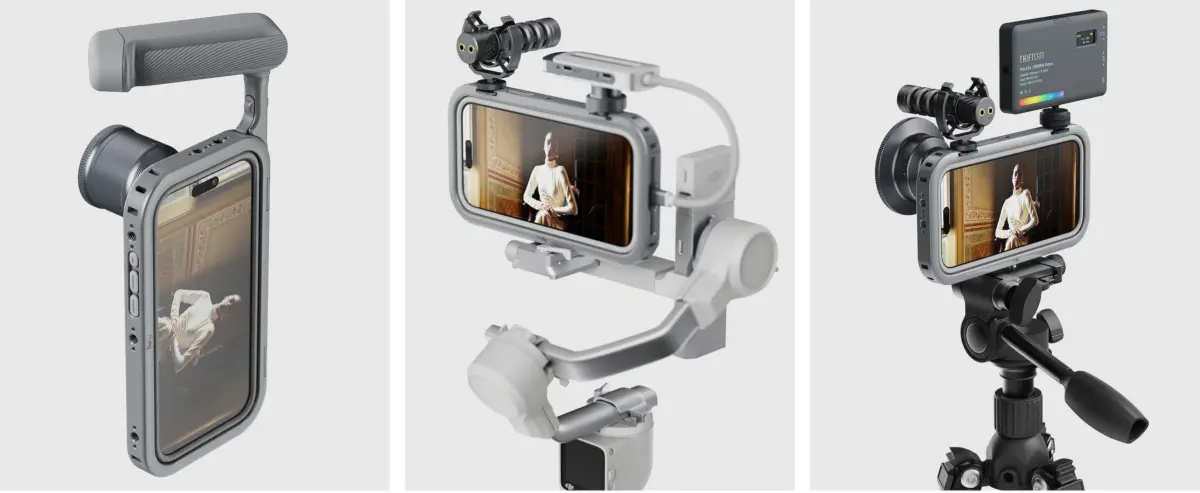
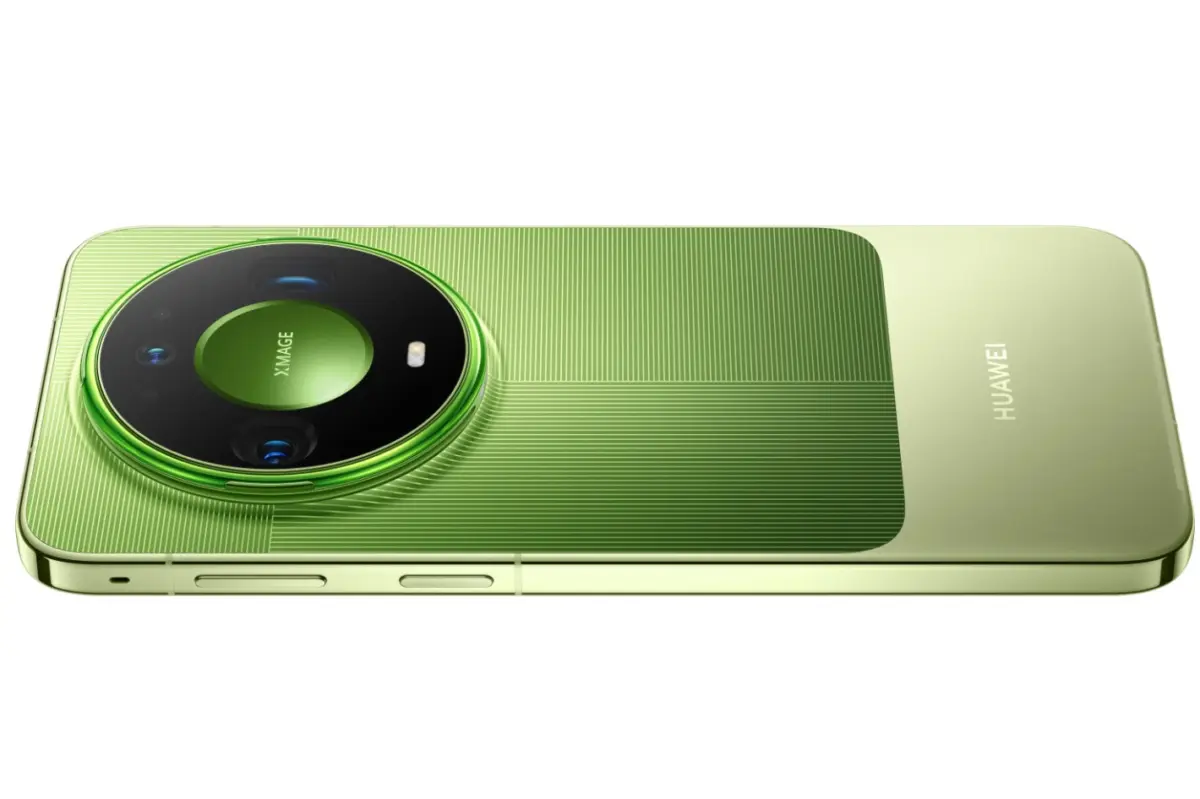
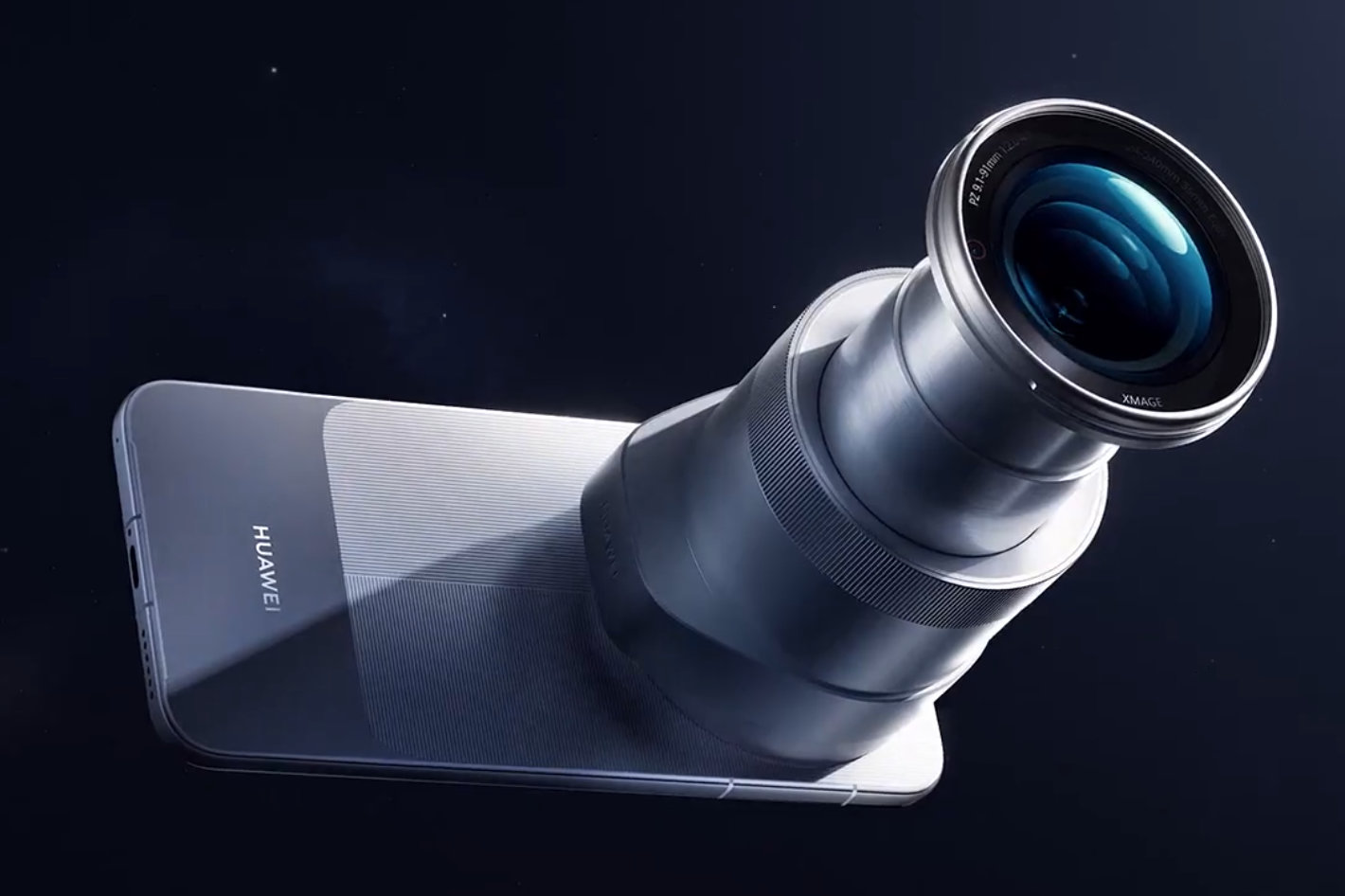
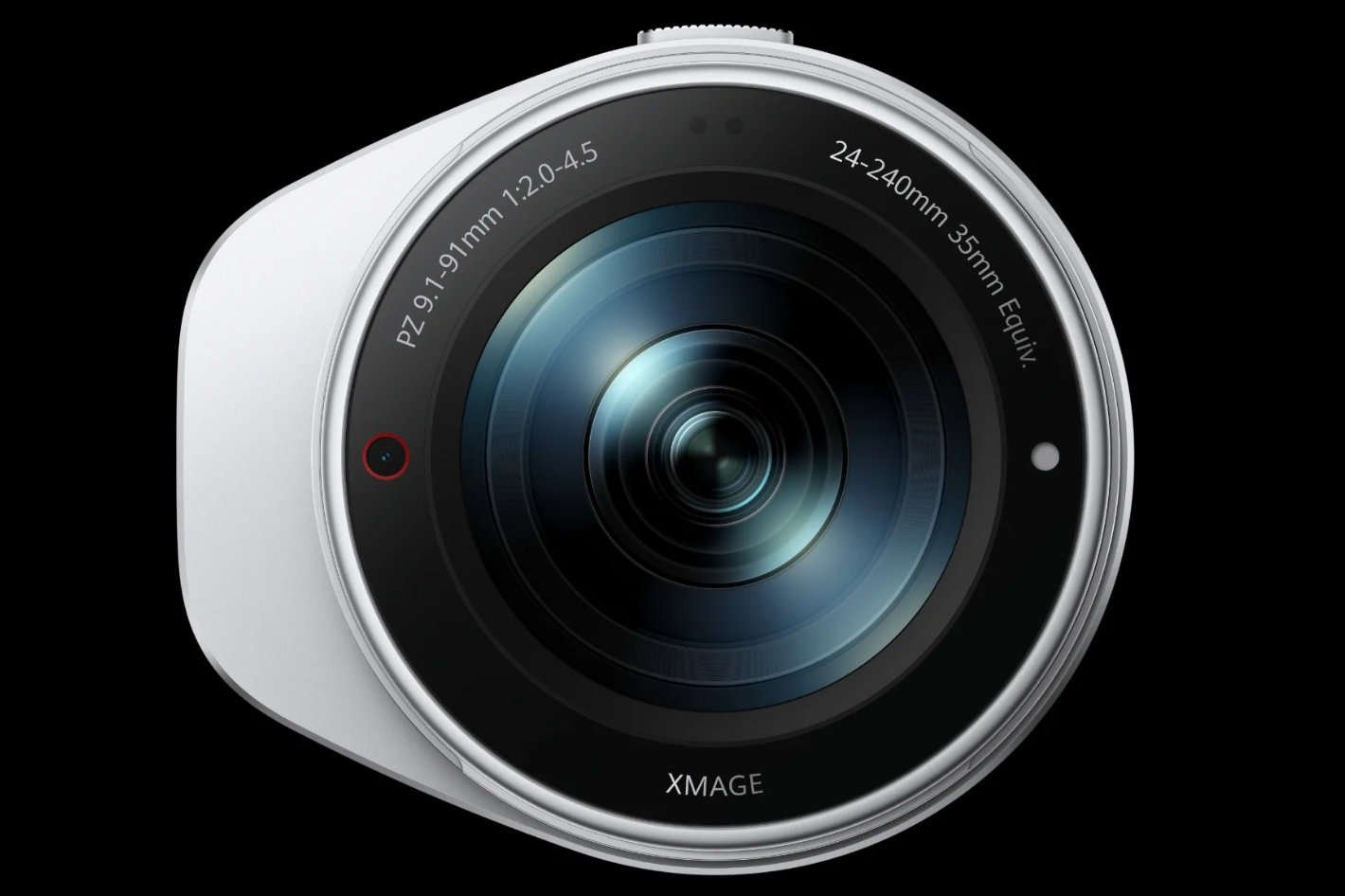
Huawei’s introduction of the Ruiying Z10 camera accessory module, specifically designed for the Huawei Mate 90 Pro Max Collector’s Edition, represents a bold, uncompromising attempt to bridge this physical gap. Built around a massive 50-megapixel, 1-inch-type RYYB sensor and a true 24–240mm f/2.0–4.5 continuous optical zoom lens, the Ruiying Z10 converts the smartphone into a fully-fledged, high-performance bridge camera.
This move signals a dramatic shift in how manufacturers view high-end mobile imaging. By decoupling the primary telephoto optics from the phone’s main body, Huawei bypasses the physical limits of device thickness. This investigative report analyzes the historical context of modular mobile optics, evaluates the technical specifications of the Mate 90 Pro Max and the Z10 module, examines the economic realities of its premium pricing structure, and assesses the future of hybrid mobile-optical systems.
Detailed Chronology: The Evolution of Smartphone Modular Optics
To understand the significance of Huawei’s Ruiying Z10, one must trace the decade-long history of modular and clip-on camera accessories. The desire to attach high-quality glass to a mobile phone is not new, but the execution has evolved from simple plastic novelties to sophisticated, electronically coupled imaging brains.
[2013-2014: Sony QX Series] ──► [2016: Modular Ecosystems] ──► [2025: MWC Concepts] ──► [Present: Huawei Ruiying Z10]
  - Wi-Fi linked lenses            - Moto Mods / LG Friends        - Xiaomi/Realme concepts      - Integrated 1-inch RYYB
  - High lag, independent battery  - Hardware contact pins         - Direct optical coupling     - 10x continuous optical zoom
The Pioneer Era: Sony’s Cyber-shot QX Series (2013–2014)
The most prominent historical predecessor to today’s modular camera attachments was Sony’s ambitious Cyber-shot DSC-QX series. Launched in late 2013, the lineup included the QX10 and QX100, later followed by the QX30 and the interchangeable-lens QX1.
The QX100 was the flagship of this concept, housing a 20.2-megapixel 1-inch-type Exmor R CMOS sensor paired with a premium 28-100mm equivalent f/1.8–4.9 Carl Zeiss Vario-Sonnar T* lens. Crucially, these devices were not physically connected to the phone’s internal camera hardware; instead, they functioned as independent, screen-less cameras that used the smartphone as a viewfinder via Wi-Fi and NFC connections.
While revolutionary, the QX series suffered from several fatal flaws:
- Connection Latency: Real-time viewfinding over Wi-Fi introduced noticeable lag, making fast-paced action photography nearly impossible.
- Clunky Workflow: Transferring high-resolution images from the lens module to the phone’s storage was slow.
- Ergonomics: The mounting brackets were cumbersome, and the modules required their own separate batteries and charging cables.
The Modular Era: Moto Mods and LG Friends (2016)
In 2016, both Motorola (with Moto Mods) and LG (with the G5 "Friends" ecosystem) attempted to build modularity directly into the smartphone chassis. Motorola partnered with Hasselblad to release the Hasselblad True Zoom mod, which magnetically snapped onto the back of Moto Z phones. It offered a 10x optical zoom lens and a physical shutter button. However, its small 1/2.3-inch sensor meant that image quality was often inferior to the phone’s built-in primary camera in low-light conditions, failing to justify its bulky footprint.
The Modern Renaissance: MWC 2025 and Beyond
After years of dormancy, the concept of the high-end interchangeable smartphone lens resurfaced at the Mobile World Congress (MWC) in 2025. Industry giants Xiaomi and Realme showcased advanced concept devices exploring external lens attachments. These concepts aimed to mount professional mirrorless lenses (such as Leica M-mount glass) directly over a smartphone’s exposed internal 1-inch sensor, eliminating the latency of wireless connections by using direct physical and optical coupling.
Huawei’s release of the Ruiying Z10 for the Mate 90 Pro Max Collector’s Edition represents the commercial realization of these concepts. Rather than relying on wireless streaming like Sony or standard external glass mounts like Xiaomi’s concepts, the Ruiying Z10 acts as a highly specialized, dedicated hardware extension designed to work in perfect harmony with Huawei’s proprietary silicon and imaging pipeline.
Supporting Context & Metrics: Technical Breakdown
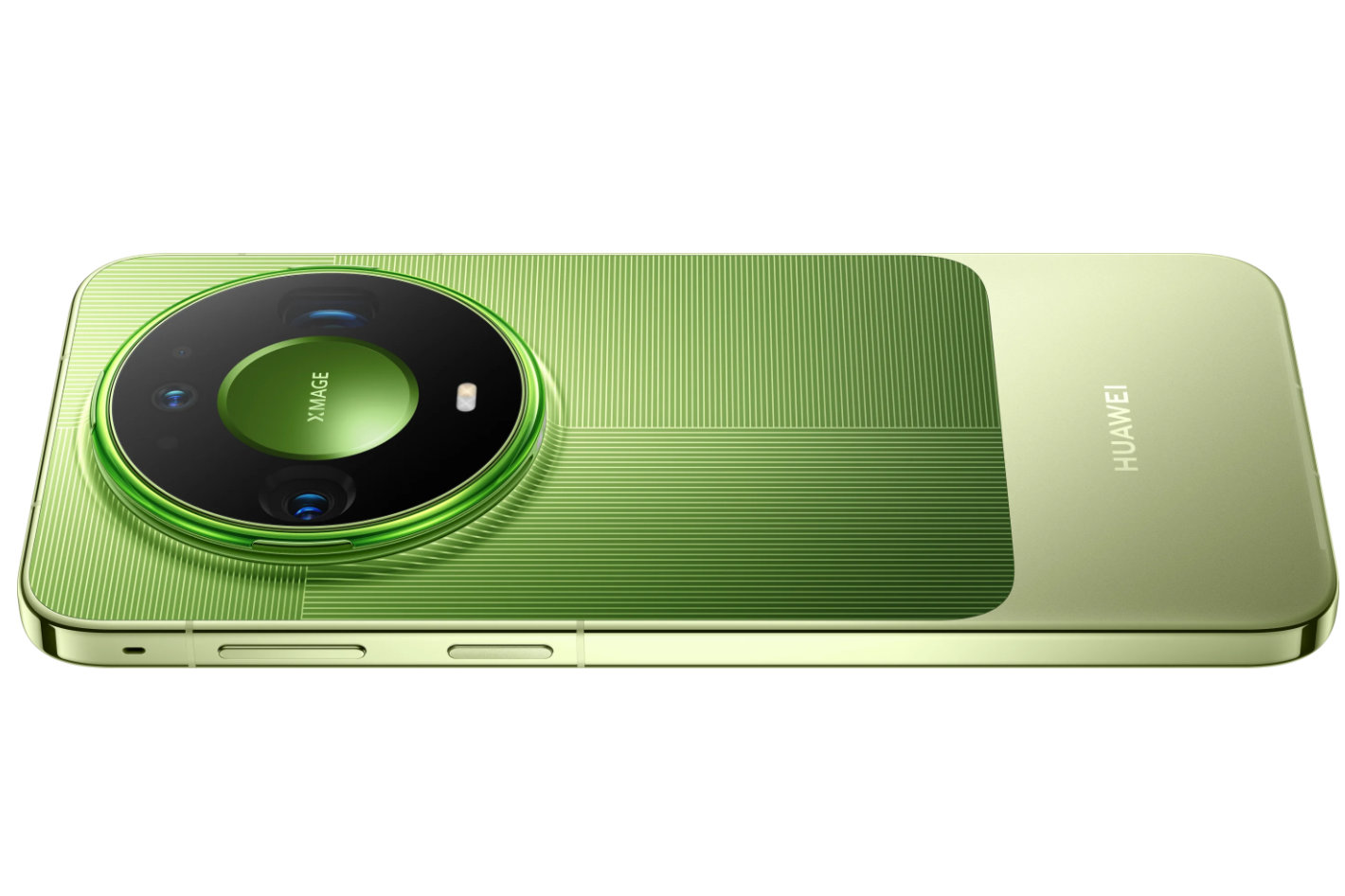
The Huawei Mate 90 Pro Max ecosystem is divided into two distinct tiers: the standalone ultra-flagship smartphone and the specialized Collector’s Edition, which unlocks the hardware architecture necessary to operate the Ruiying Z10 camera module.
The Hardware: Ruiying Z10 Camera Module
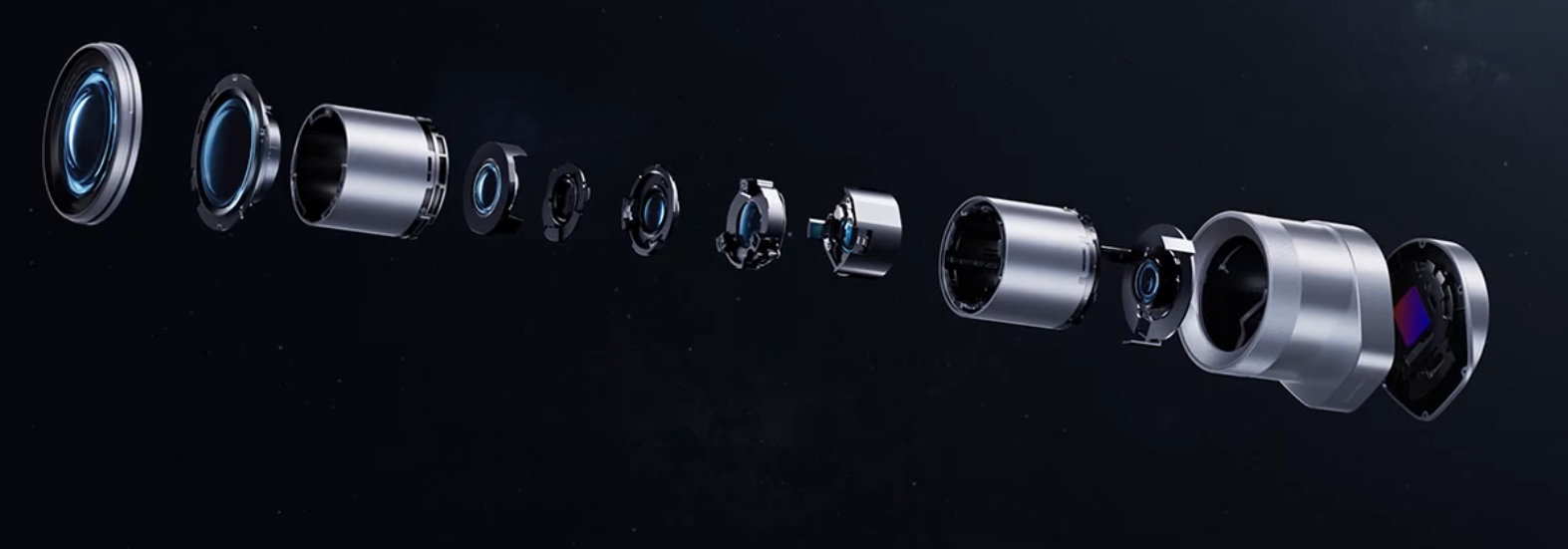
The Ruiying Z10 is not a simple lens attachment; it is an independent imaging system that docks with the phone.
| Specification | Details |
|---|---|
| Sensor Type | 1-inch Type RYYB (Red-Yellow-Yellow-Blue) |
| Effective Resolution | 50 Megapixels |
| Focal Length Range | 24mm to 240mm (35mm Equivalent) |
| Aperture Range | f/2.0 (at 24mm) to f/4.5 (at 240mm) |
| Optical Zoom Factor | 10x Continuous Optical Zoom |
| Physical Stabilization | Optical Image Stabilization (OIS) |
| Mounting & Support | Integrated Lens Collar with Tripod Mount |
The RYYB Advantage
Unlike standard RGGB (Red-Green-Green-Blue) Bayer filters used by most competitors, Huawei’s proprietary RYYB sensor technology replaces green pixels with yellow ones. Because yellow pixels absorb both red and green light, they capture up to 40% more light energy. This dramatically improves low-light performance, signal-to-noise ratio (SNR), and dynamic range, which is especially critical when zooming in to the f/4.5 telephoto end of the lens.
True Continuous Optical Zoom
Most modern smartphones advertise "10x zoom," but this is almost always achieved via stepped zoom—switching between a 1x main lens, a 3x telephoto, and a 5x periscope, then using digital interpolation (cropping) for the steps in between.
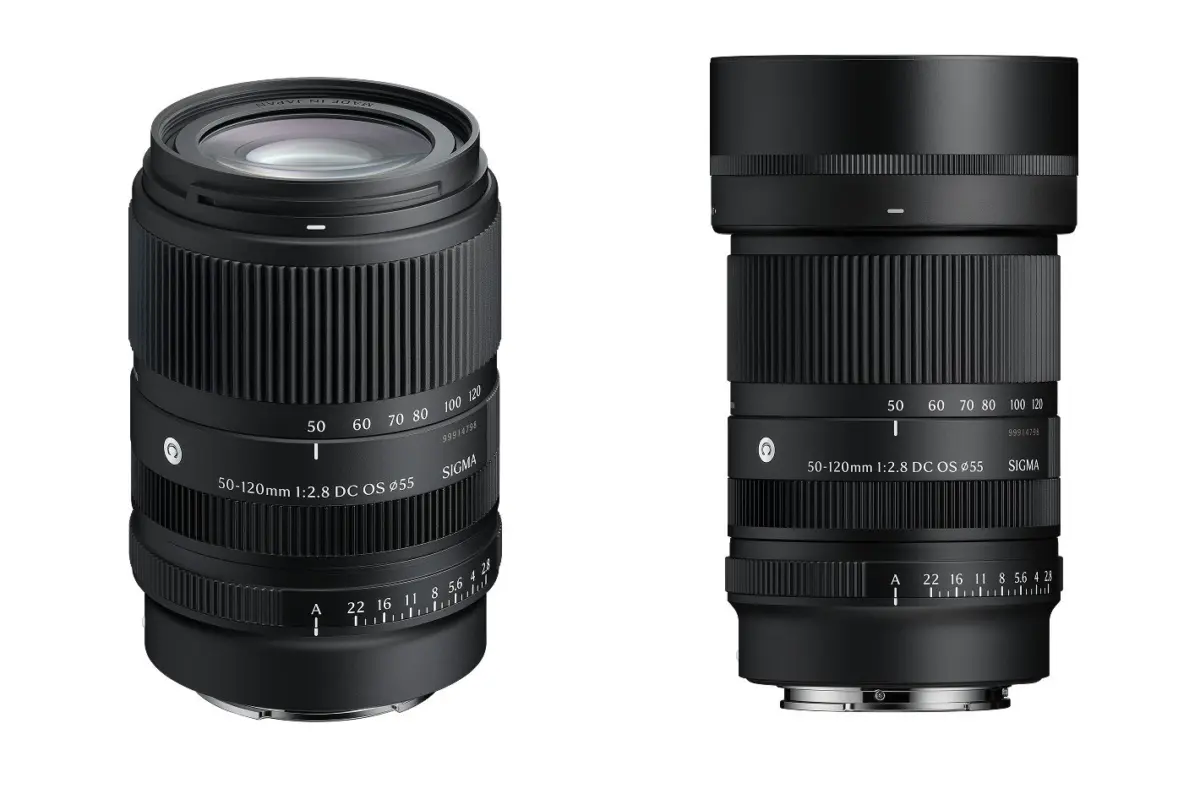
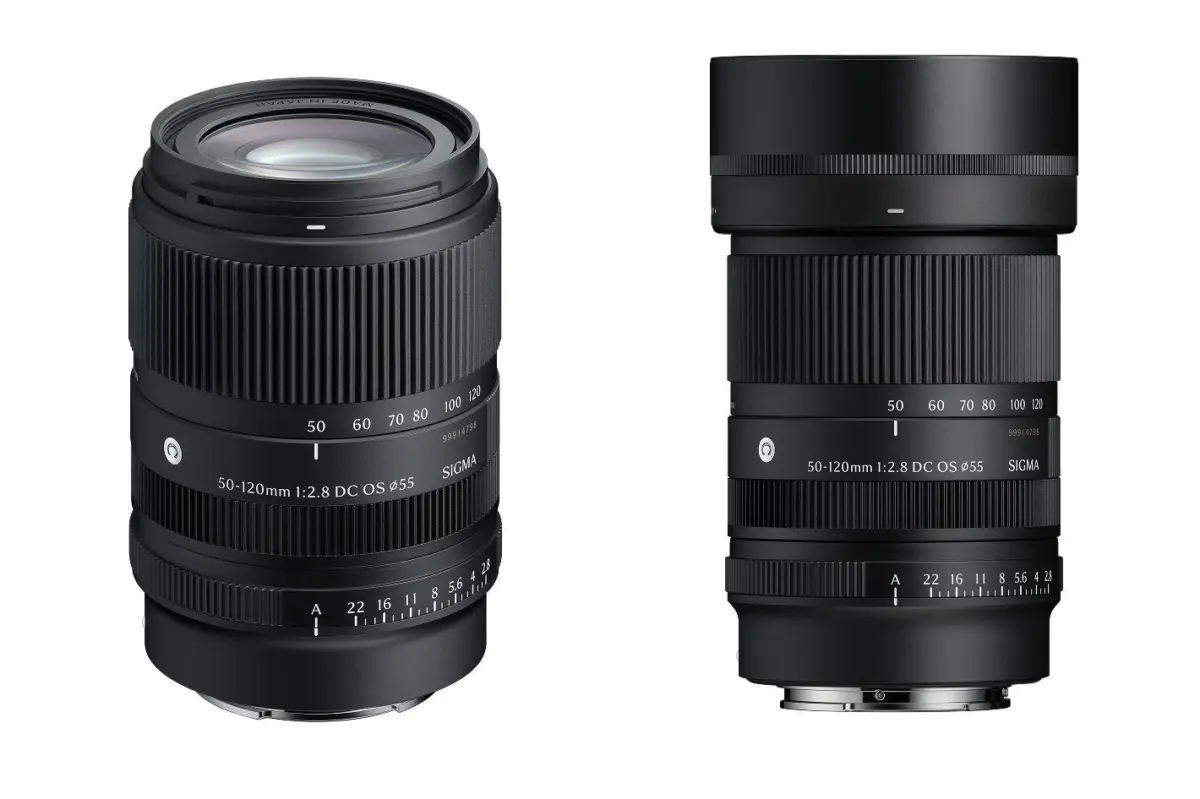
The Ruiying Z10 features a true continuous optical zoom. Internal glass elements physically move along the optical axis, allowing users to transition seamlessly from 24mm to 240mm without a single frame of digital degradation. This optical precision requires physical space, explaining the module’s prominent barrel shape.
Stepped Zoom (Standard Phones):
[24mm Lens] ──(Digital Crop)──► [120mm Lens] ──(Digital Crop)──► [240mm Lens]

Continuous Optical Zoom (Ruiying Z10):
[24mm] ═══════════════(Physical Glass Movement)═══════════════► [240mm]
The Host: Huawei Mate 90 Pro Max (Base Specs)
Even without the Z10 accessory, the Mate 90 Pro Max features an industry-leading internal camera array designed for standalone use:
- Primary Camera (24mm): 50-megapixel sensor with a variable physical aperture ranging from f/1.4 to f/4.0. This allows users to control depth of field and light intake physically.
- Periscope Telephoto (89mm): 200-megapixel sensor with an f/2.6 aperture, providing a native 4x optical zoom and massive digital cropping reserves.
- Ultrawide Camera (13mm): 40-megapixel sensor with an f/2.2 aperture, optimized for architectural and landscape photography.
- Front Camera: 13-megapixel ultrawide sensor featuring advanced autofocus and 3D depth-sensing hardware for secure facial recognition.
- Video Capabilities: Full support for 4K video recording across all internal sensors, utilizing real-time computational color grading.
Financial Analysis & Market Positioning
The pricing structure of the Mate 90 Pro Max lineup confirms that Huawei is targeting an elite tier of professional creators, technology collectors, and mobile journalists.
Price Comparison (USD Equivalent)

Mate 90 Pro Max (Base 16GB/512GB)   : $1,500
==================================================
Mate 90 Pro Max (Collector's 16/512): $1,700 [+$200]
==================================================
Collector's Edition Pro Camera Kit*  : $2,900 [+$1,200 premium]
==================================================
*Includes Collector's Edition Phone, Ruiying Z10 Module, Lens Collar, and Custom Case.
At $2,900, the complete Pro Camera Kit is priced on par with professional mirrorless camera bodies (such as the Sony Alpha 7 IV or Canon EOS R6 Mark II paired with a mid-range zoom lens).
Huawei is banking on the value of integration. A photographer carrying a mirrorless camera must manage separate storage cards, batteries, and a distinct workflow to edit and upload images. The Mate 90 Pro Max Collector’s Edition allows users to shoot with a 1-inch sensor and a 10x optical zoom lens, edit the RAW files directly on a high-performance mobile processor, and share them instantly over cellular networks—all within a single ecosystem.
Official Statements and Industry Context
Huawei’s corporate strategy has shifted dramatically since geopolitical restrictions limited its access to Western markets, Google Mobile Services (GMS), and TSMC’s cutting-edge chip fabrication nodes. Rather than retreating, Huawei has focused heavily on self-reliance, developing its own operating system (HarmonyOS) and pushing the absolute limits of hardware engineering.
Industry analysts view the Ruiying Z10 as a dual-purpose product:
- A Technological Statement: It showcases Huawei’s ability to innovate independently of Western supply chains. By developing its own custom imaging processors and specialized optical interfaces, Huawei demonstrates that it remains an R&D powerhouse.
- Domestic Market Consolidation: In China, where Huawei retains a highly loyal consumer base, the "Collector’s Edition" label carries immense social status. This premium tier allows the company to maintain high profit margins on lower-volume, highly advanced products.
In product briefings, Huawei engineers emphasize that the Ruiying Z10 was built to address the "physics wall" of smartphone design. "Computational photography can reconstruct detail, but it cannot create light," notes a technical summary from Huawei’s imaging division. "By combining a physical 1-inch RYYB sensor with continuous optical zoom, we are giving professionals the raw optical data they need, which can then be further enhanced by our custom neural processing units (NPUs)."
Future Outlook: The Convergence of Mobile and Dedicated Cameras
The release of the Huawei Mate 90 Pro Max and the Ruiying Z10 module highlights a growing divide in the imaging industry. On one side stands pure computational photography, driven by AI-generated bokeh, synthetic detail reconstruction, and multi-frame stacking. On the other side is the physical reality of glass and sensor area.
Will Modular Smartphone Optics Go Mainstream?
While the Ruiying Z10 is a marvel of engineering, several factors will determine whether this design philosophy spreads to other manufacturers:
- Ergonomic Compromises: A smartphone attached to a 24-240mm lens is no longer pocketable. The inclusion of a lens collar for tripod mounting proves that this system is meant to be carried in a dedicated bag, calling into question the "always-with-you" advantage of mobile photography.
- Proprietary Ecosystems: For modular accessories to succeed long-term, industry-wide standards may be necessary. If a consumer spends $1,200 on an optical module, they will expect it to work with their next smartphone upgrade. Huawei will need to guarantee forward compatibility for the Z10 in future "Collector’s Edition" devices.
- The Rise of "Pancake" and Liquid Lens Optics: Future advances in liquid lenses (which change shape via electrical currents) and flat meta-lenses could eventually allow continuous optical zoom to fit inside a standard, slim smartphone body, potentially rendering external modules obsolete.
Conclusion
For now, the Huawei Mate 90 Pro Max Collector’s Edition and the Ruiying Z10 stand as a fascinating high-water mark for mobile photography. By refusing to let physical size dictate optical performance, Huawei has delivered a specialized tool that challenges the necessity of traditional travel cameras. It is a bold, expensive, and uncompromising vision of what mobile imaging can achieve when physics is embraced rather than bypassed.