Executive Overview
On September 9, 2026, during its highly anticipated "Surprise and Shine" keynote, Apple delivered a watershed moment in the history of consumer electronics. The Cupertino-based giant unveiled three new flagship devices: the iPhone 18 Pro, the iPhone 18 Pro Max, and the iPhone Duo—the company’s long-rumored first entry into the foldable smartphone market.
For years, Apple watched from the sidelines as competitors iterated on flexible display technology. With the debut of the iPhone Duo, Apple has officially validated the foldable form factor, positioning it not as an experimental novelty, but as a mature, ultra-premium productivity powerhouse.
Concurrently, the iPhone 18 Pro and Pro Max represent a sophisticated, optics-first refinement of the classic slate design. While the Duo introduces a radical new physical blueprint, the 18 Pro series pushes the boundaries of mobile imaging through the introduction of a mechanical, variable-aperture camera system. Both product lines are unified by the cutting-edge A20 Pro silicon, establishing a new baseline for processing power, thermal efficiency, and on-device machine learning capabilities.
Detailed Chronology
The road to the "Surprise and Shine" event was paved with intense industry speculation. For over eighteen months, supply chain analysts and tech journalists debated the naming convention of Apple’s flexible device, with many predicting the "iPhone Ultra" moniker to align with the company’s high-end Apple Watch and Mac Studio tiers. However, Apple chose "iPhone Duo," a name that emphasizes the device’s dual-screen utility and transitional form factor.
+-----------------------------------------------------------------+
|                    SEPTEMBER 2026 LAUNCH TIMELINE               |
+-----------------------------------------------------------------+
| September 9, 2026:  "Surprise and Shine" Keynote Announcement   |
| September 12, 2026: Global Pre-orders Open (Saturday)           |
| September 18, 2026: Retail Availability & Customer Shipments    |
+-----------------------------------------------------------------+
Historically, Apple has opened pre-orders on the Friday following its early-September keynotes. In a minor operational shift, Apple announced that pre-orders for all three models will open on Saturday, September 12, 2026, with retail availability slated for the following week.
The pricing structure reflects both macroeconomic pressures and the premium engineering required for these next-generation components:
- iPhone 18 Pro: Starts at $1,199 (a $100 increase over the preceding iPhone 17 Pro), offering a base storage of 256GB.
- iPhone 18 Pro Max: Starts at $1,299 for the 256GB configuration.
- iPhone Duo: Commands a premium entry price of $1,999 for the 256GB model, positioning it at the absolute pinnacle of Apple’s consumer hardware portfolio.
Supporting Context & Metrics
The iPhone 18 Pro & Pro Max: Mechanical Optics and Silicon Supremacy
While the iPhone Duo captured headlines for its physical transformation, the iPhone 18 Pro and Pro Max introduce profound engineering advancements designed for professional creatives and imaging purists.
The A20 Pro Chip and Battery Endurance
At the heart of the 18 Pro series is the A20 Pro system-on-a-chip (SoC). Built on a refined 2-nanometer process, the chip optimizes power efficiency to an unprecedented degree. Apple claims that the combination of the A20 Pro’s microarchitecture and larger internal physical volumes allows the iPhone 18 Pro and Pro Max to deliver the longest battery life ever recorded in an iPhone, comfortably clearing the two-day mark under moderate usage.
The Variable-Aperture Revolution
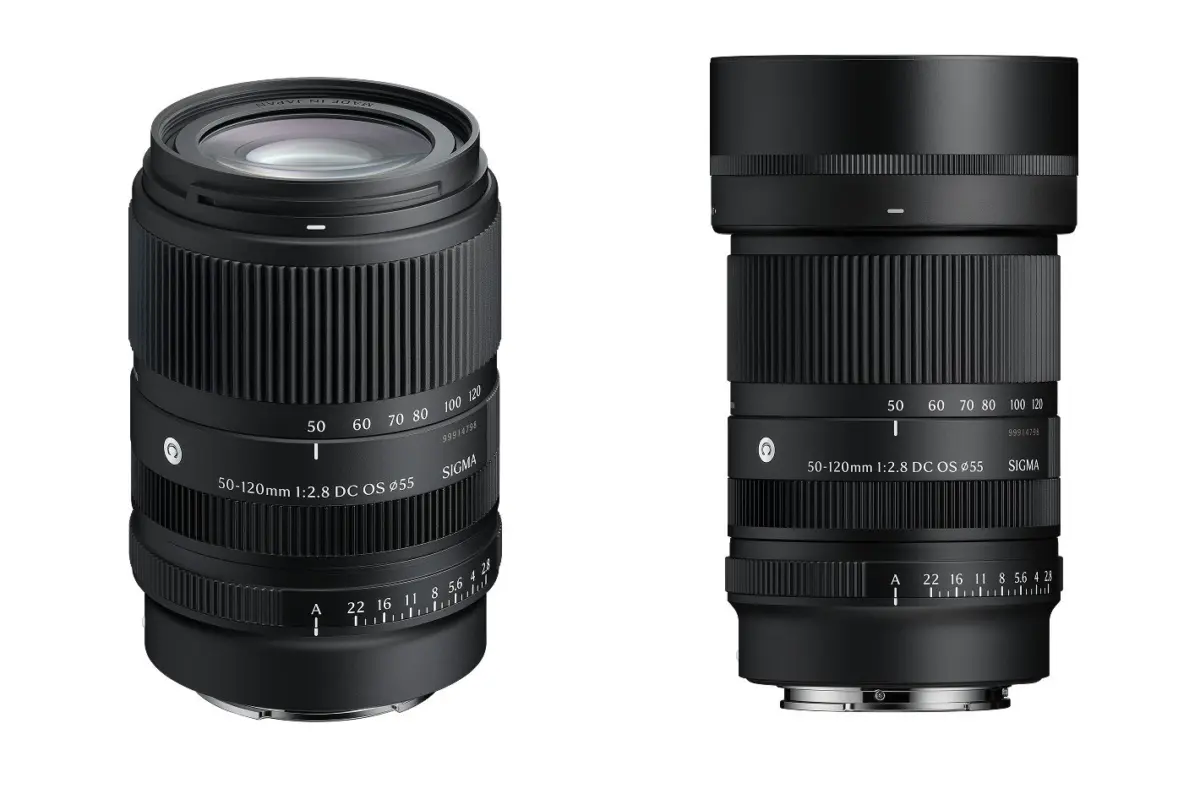
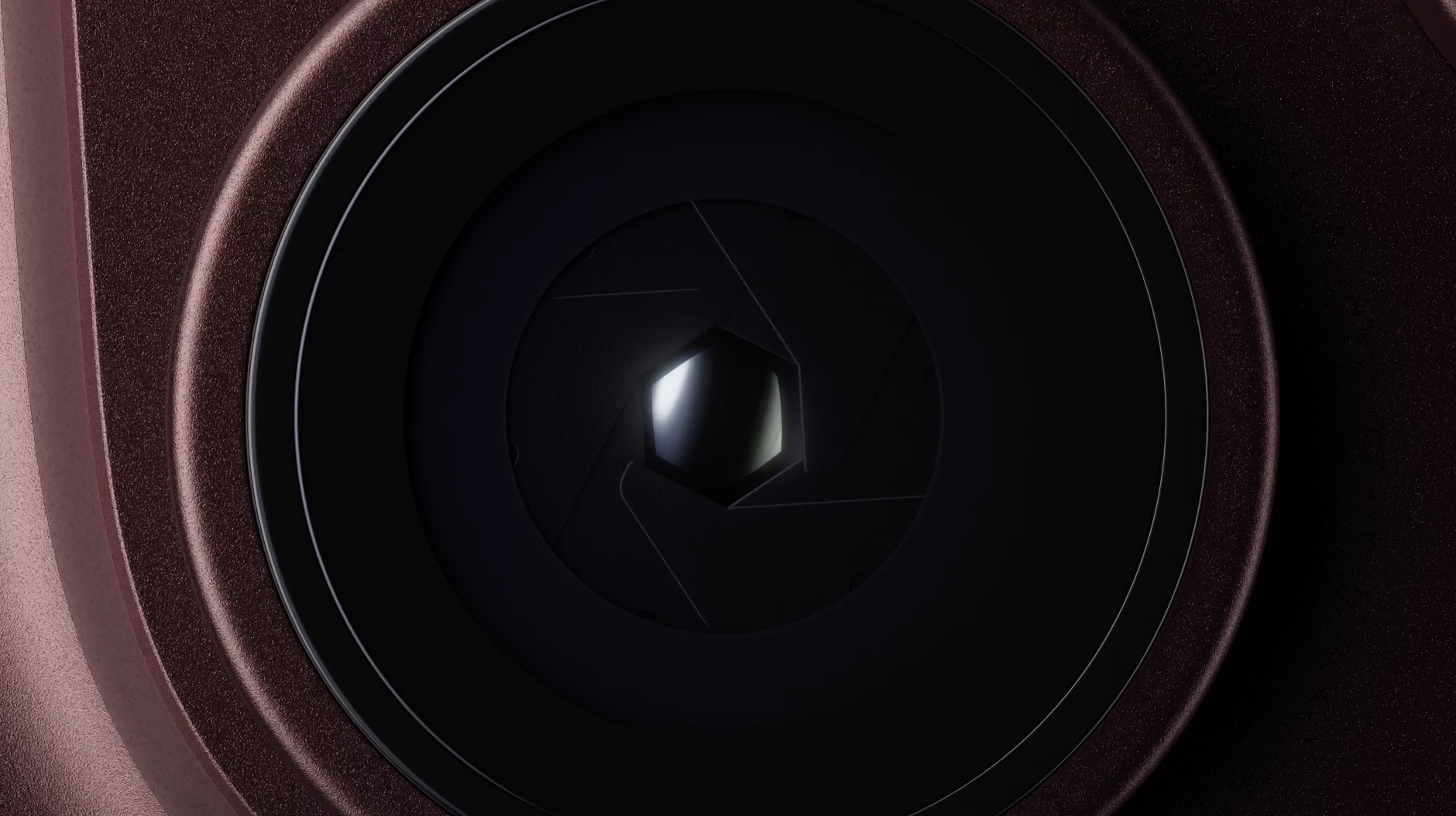
The definitive hardware highlight of the 18 Pro series is its physical variable-aperture main camera. Moving away from the fixed-aperture lenses that have dominated the smartphone landscape for over a decade, Apple engineered a miniature mechanical iris system.
+-----------------------------------------------------------------+
|             VARIABLE APERTURE MECHANISM COMPARISON              |
+-----------------------------------------------------------------+
| Feature                | Fixed Lens (Prev. Gen) | iPhone 18 Pro |
+------------------------+------------------------+---------------+
| Physical Blades        | None                   | 6 Laser-Cut   |
| Material Composition   | N/A                    | Polymer Comp. |
| Aperture Range         | f/1.78 (Fixed)         | f/1.48 - f/4.0|
| Low-Light Light Intake | Baseline               | +50% Increase |
+-----------------------------------------------------------------+
Key features of this optical system include:
- Six Laser-Cut Blades: Each blade is constructed from a specialized polymer composite and is engineered to be thinner than a human hair.
- Dynamic Range: The physical aperture can scale continuously from a wide-open f/1.48 to a narrow f/4.0.
- Automatic Adaptation: In low-light environments, the blades retract to f/1.48, allowing the sensor to capture approximately 50% more light than previous generations. Conversely, in bright daylight, the iris closes down to f/4.0, maximizing edge-to-edge sharpness and delivering a natural, organic depth of field without relying on computational blur.
Sensor Architecture and Image Integrity
Supporting the variable aperture is an entirely redesigned 48MP Fusion sensor. This sensor boasts a 50% improvement in native low-light performance, drastically reducing noise in dark environments.
For filmmakers and professional photographers, Apple has maintained its industry-standard suite of capture formats: ProRes RAW, Apple Log 2, genlock support for multi-camera synchronization, and 4K recording at 120fps.
Crucially, these features are now supported by two major software and security implementations:
- Native Pro Controls: Users no longer need to rely on third-party camera applications to unlock the hardware’s potential. Adjustments for physical aperture, shutter speed, ISO, and white balance are integrated directly into the native iOS Camera app.
- Apple Reference Image: To combat the rise of generative AI manipulation and deepfakes, Apple introduced a signed-pixel authenticity protocol. Photos captured using this mode receive a cryptographic signature at the hardware level, verifying that the image was captured by a physical lens and sensor at a specific place and time, rather than generated or altered by software.
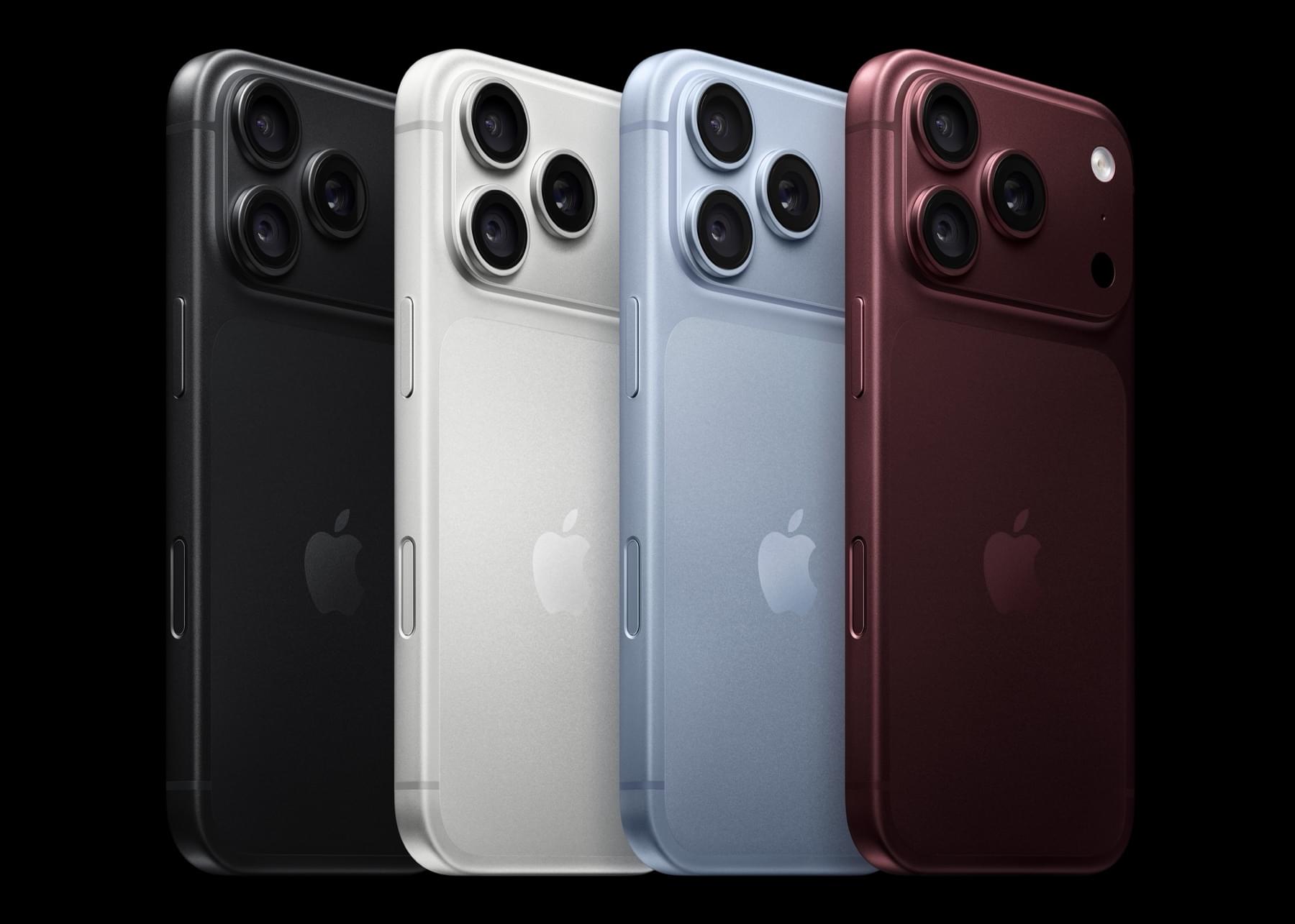
The devices are wrapped in a refined titanium chassis, available in four finishes: Deep Black, Silver, Glacier, and Burgundy, all featuring color-matched matte back glass.
The iPhone Duo: Reimagining the Mobile Form Factor
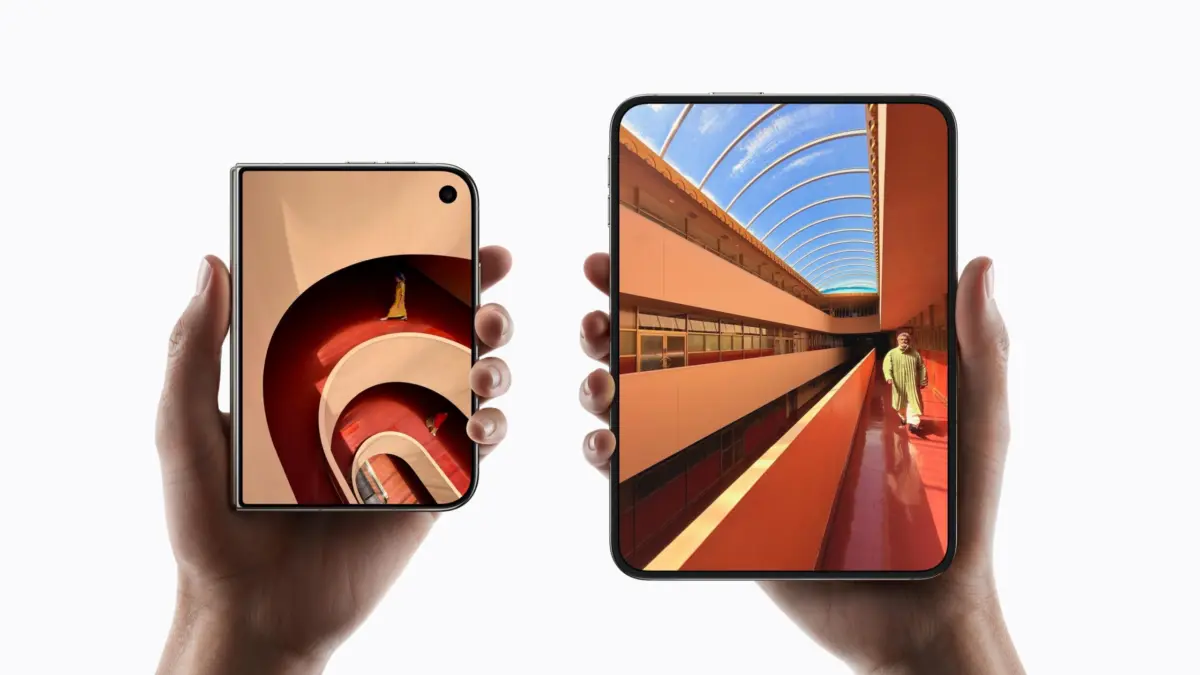
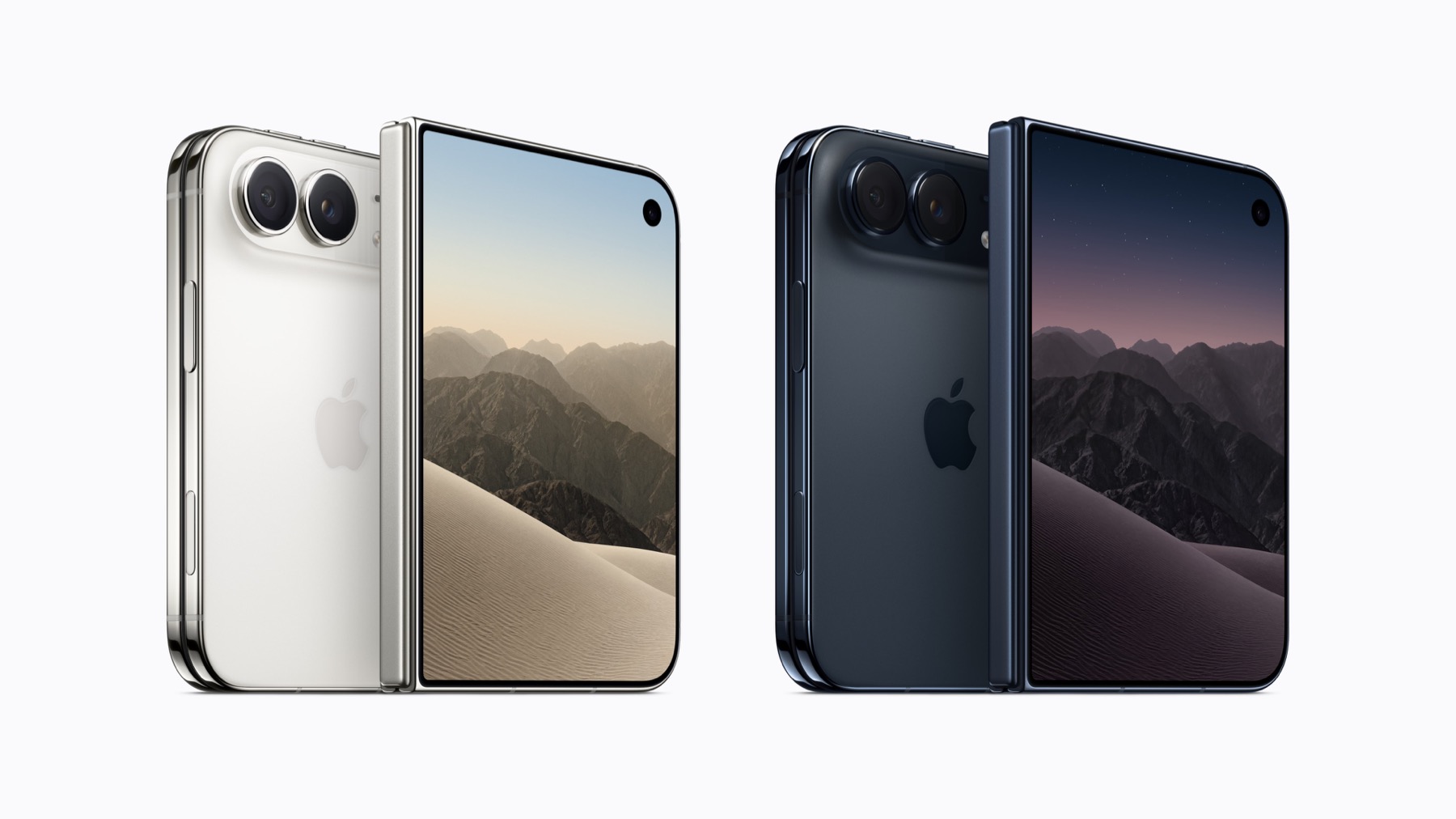
The iPhone Duo represents Apple’s most radical design departure since the introduction of the iPhone X. Eschewing the vertical, clamshell "flip" design, Apple opted for a horizontal, passport-style book fold.
+-----------------------------------------------------------------+
|                  IPHONE DUO PHYSICAL DIMENSIONS                 |
+-----------------------------------------------------------------+
| State  | Width       | Height      | Thickness | Weight         |
+--------+-------------+-------------+-----------+----------------+
| Opened | 4.64 inches | 6.48 inches | 5.2 mm    | 254 grams      |
| Closed | 4.64 inches | 3.31 inches | 11.0 mm   | 254 grams      |
+-----------------------------------------------------------------+
Display and Chassis Engineering
When opened, the Duo reveals a massive 7.6-inch flexible inner display. This screen size pushes the device directly into iPad mini territory, presenting a viable path toward single-device convergence.
Despite its complex mechanical hinge, the Duo measures an astonishing 5.2mm in thickness when fully opened, making it the thinnest device Apple has ever manufactured. When closed, it folds down to a compact, pocketable footprint of 3.31 by 4.64 inches with a thickness of 11.0mm.
To address long-standing consumer anxieties regarding foldable durability, Apple utilized high-strength structural materials:
- Titanium Frame: Provides torsional rigidity while keeping the weight down to a manageable 254 grams.
- Ceramic Shield 2: Protects the external cover display with next-generation drop and scratch resistance.
- Ceramic Shield: Covers the rear panels of the device to ensure uniform protection.
Biometric Innovations and Usability
Because a folding screen prevents the practical implementation of a traditional, front-facing TrueDepth array for Face ID on the inner display, Apple engineered a dual-profile fingerprint sensor directly into the side-mounted power button.
This sensor is optimized for both left- and right-handed users. It supports multiple fingerprint profiles, allowing users to unlock the device seamlessly regardless of whether they are holding it in a single-handed closed state or a two-handed open state.
The Storage and Color Matrix
The iPhone Duo mirrors the storage capacities of the Pro line, ensuring that power users do not have to compromise on storage limits:
- Storage Tiers: 256GB, 512GB, 1TB, and 2TB.
- Colorways: Offered in two distinct, elegant finishes: Night Sky (a deep, space-like charcoal) and Star White (a pristine, pearlescent ceramic finish).
The Strategic Hardware Trade-Off
To achieve the ultra-thin 5.2mm profile and manage thermal output within the folding chassis, Apple had to make deliberate trade-offs regarding the Duo’s camera hardware.
Unlike the iPhone 18 Pro series, the iPhone Duo does not feature the variable-aperture system. Its camera array is physically smaller, and its video recording capabilities are limited to standard compressed formats like HEVC and H.264. Professional formats such as ProRes RAW and Apple Log 2 are absent from the Duo’s spec sheet.
This distinction forces consumers to make a clear choice: prioritize the ultimate portable creative studio (the iPhone 18 Pro Max) or the ultimate mobile multitasking environment (the iPhone Duo).
Official Statements & Corporate Positioning
The introduction of the iPhone Duo marks a significant transition in Apple’s executive narrative. During the keynote, Apple CEO John Ternus framed the device not merely as a new product, but as a structural milestone:
"The iPhone Duo represents the most significant change to the iPhone since the original. We didn’t want to simply make a folding phone; we waited until we could engineer a device that is impossibly thin, incredibly durable, and powerful enough to redefine what you expect from a personal computer."
This statement highlights Apple’s traditional product philosophy: resisting the urge to be first to market in favor of delivering a highly polished, robust consumer experience. By waiting until 2026, Apple bypassed early-generation foldable hurdles, such as fragile plastic screens, bulky hinges, and noticeable display creases, utilizing advanced materials like Ceramic Shield 2 and titanium to project an aura of permanent durability.
Furthermore, the introduction of the Apple Reference Image protocol signals a broader corporate effort to position Apple as a defender of digital authenticity. In an era dominated by generative AI software that can effortlessly manipulate reality, Apple is leveraging its vertical integration—from custom silicon to native software—to champion cryptographic truth in photojournalism and personal photography.
Future Outlook
The launch of the iPhone Duo and the iPhone 18 Pro series will ripple across the consumer technology landscape for years to years.
The Cannibalization of the Tablet Market
With a 7.6-inch display when unfolded, the iPhone Duo poses a direct threat to the small-tablet market, specifically Apple’s own iPad mini. As software convergence continues via iOS and iPadOS, the demand for standalone 8-inch tablets is expected to decline. High-net-worth professionals and enterprise users are likely to consolidate their workflows onto a single device that functions as a phone in the pocket and a tablet on the desk.
Pressure on Foldable Competitors
For years, manufacturers like Samsung, Google, and Huawei have enjoyed a relatively uncontested playground in the premium foldable space. Apple’s entry with a 5.2mm-thin, titanium-clad device powered by a 2-nanometer A20 Pro chip will force competitors to accelerate their engineering cycles, particularly regarding chassis thickness, hinge reliability, and silicon efficiency.
+-----------------------------------------------------------------+
|                   MOBILE INDUSTRY ROADMAP (2026+)               |
+-----------------------------------------------------------------+
|   OPTICS TRENDS                  |   FORM FACTOR TRENDS         |
|   - Widespread adoption of       |   - Thinner book-folds       |
|     mechanical variable aperture |     sub-6mm thickness        |
|   - Hardware-level cryptographic |   - Decline of standalone    |
|     image authentication         |     small tablets (8-inch)   |
+-----------------------------------------------------------------+
The Trajectory of Mobile Photography
The introduction of a six-blade mechanical variable aperture on the iPhone 18 Pro series marks the beginning of the end for fixed-aperture mobile lenses. As this technology matures, it is highly probable that variable-aperture mechanics will trickle down to base-model iPhones and eventually find their way into the folding lineup.
For now, Apple has established a bifurcated premium tier. On one side stands the iPhone 18 Pro Series, the definitive tool for visual artists, filmmakers, and purists who demand optical perfection. On the other stands the iPhone Duo, a bold, structural leap forward that hints at the future of personal, flexible computing.