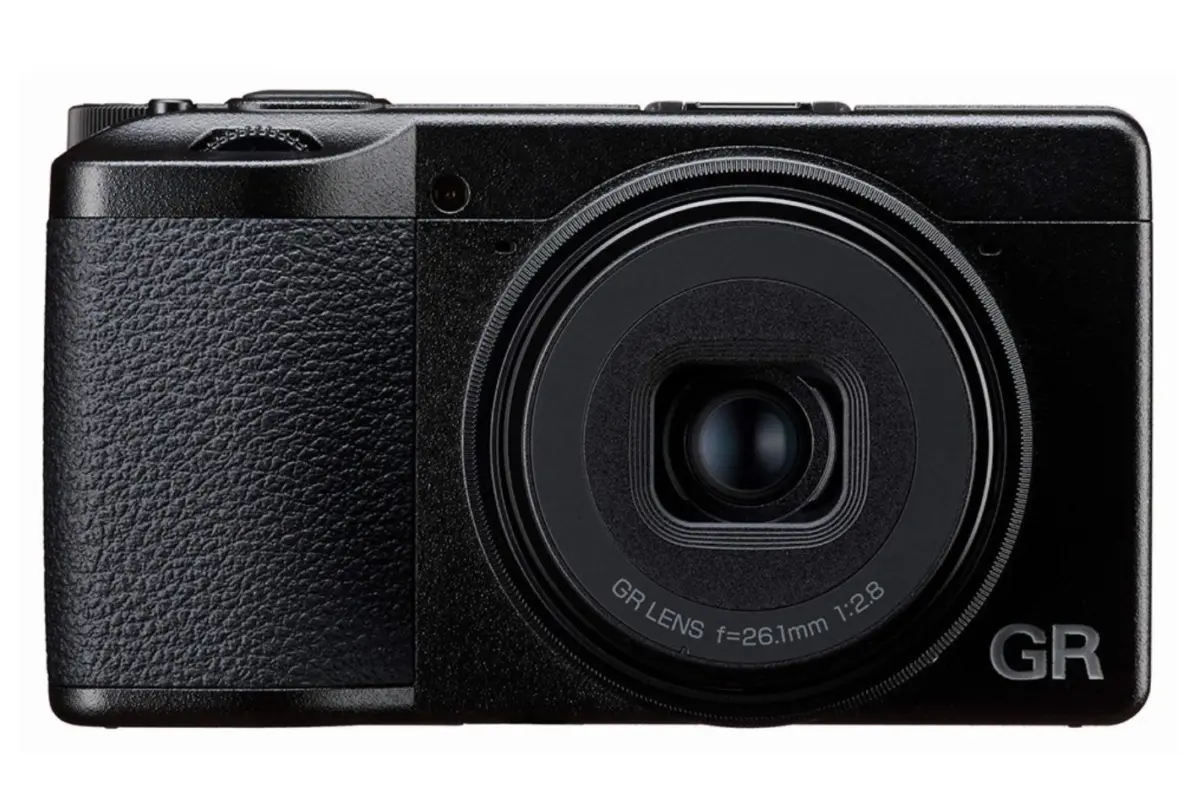
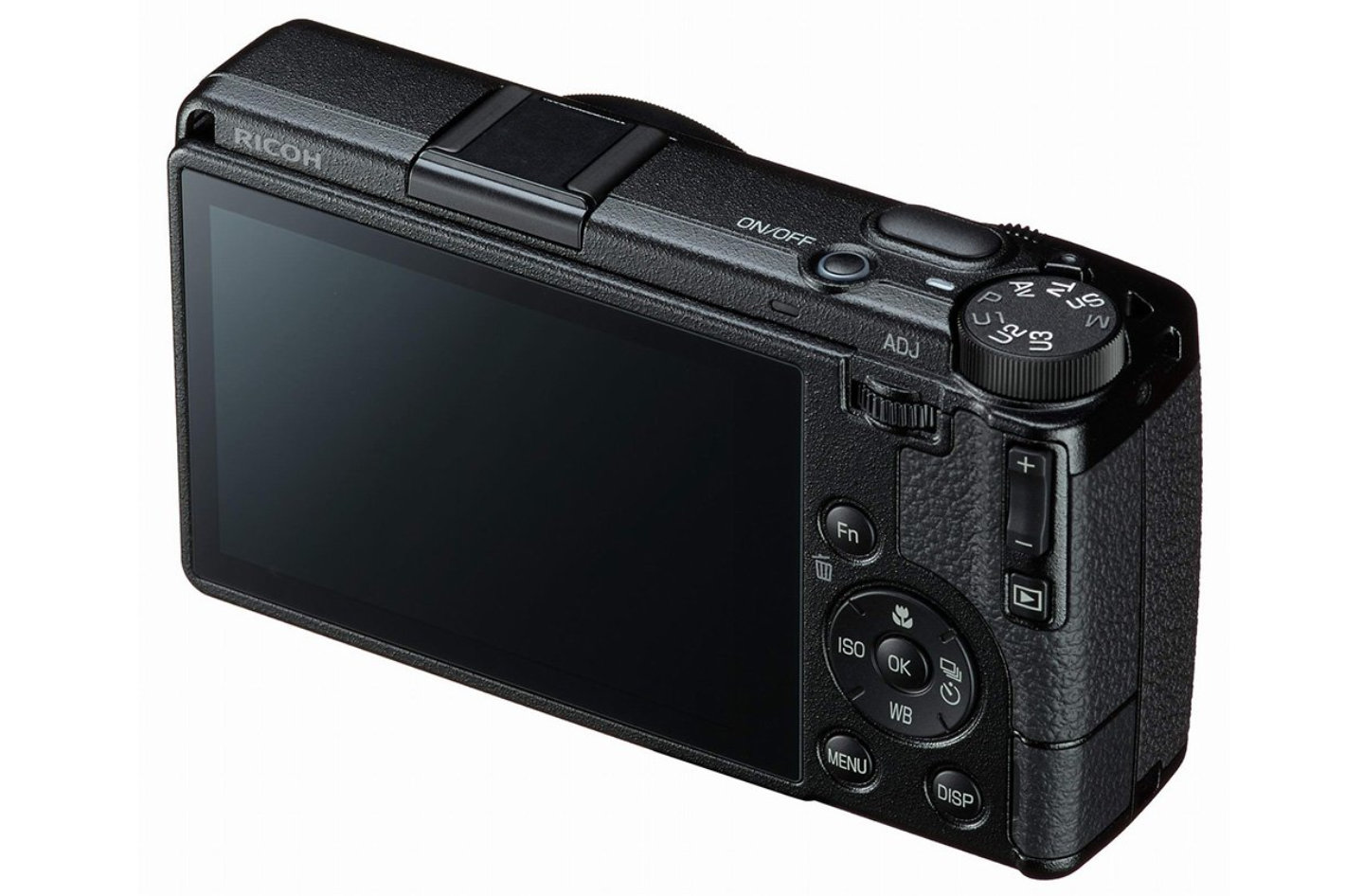
In an era dominated by computationally heavy smartphone photography and increasingly bulky mirrorless camera systems, Ricoh Imaging has consistently championed a defiant counter-philosophy: the premium, pocket-sized, large-sensor compact camera. In a major announcement that signals the next phase of this philosophy, Ricoh has officially confirmed the development of the RICOH GR IVx.
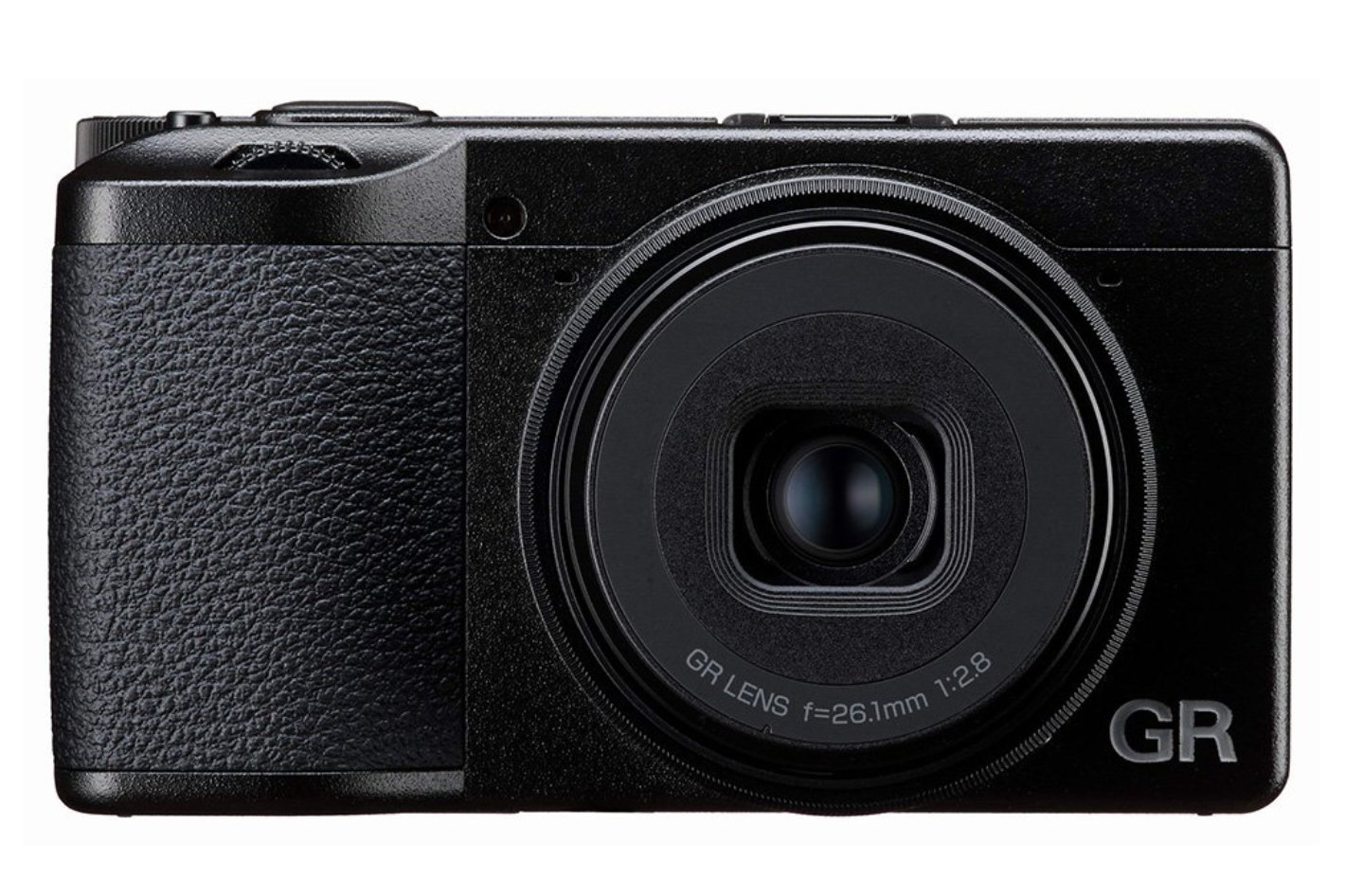
Equipped with a newly designed 26.1mm F2.8 lens—which delivers a highly coveted 40mm-equivalent standard angle of view in the 35mm format—the GR IVx represents a deliberate expansion of the GR IV ecosystem. This new model is engineered to complement the wide-angle RICOH GR IV, offering street, documentary, and everyday photographers a tighter, more natural perspective that closely mirrors the human eye’s central field of vision.
The announcement arrives alongside critical lifecycle news for the preceding generation. Ricoh has confirmed that due to the impending depletion of key components, production of the legacy GR IIIx, GR IIIx HDF, and GR IIIx Urban Edition models is scheduled to wrap up by October 2026 in Japan, with international markets phased out shortly thereafter.
The upcoming GR IVx, scheduled for a market release in Winter 2026 or later, is poised to inherit the robust 25.74-megapixel APS-C CMOS sensor architecture of the GR IV platform while introducing updated optical and functional refinements. This development highlights Ricoh’s commitment to its highly specialized niche, proving that dedicated, tactile, and uncompromising imaging tools still hold a vital place in the modern photographic landscape.
Detailed Chronology: The Pedigree of the GR Series
To understand the significance of the GR IVx, one must trace the uncompromising lineage of the Ricoh GR brand, a series that has steadfastly resisted industry trends and transient fads for nearly three decades.
[1996] GR1 (Film) ──> [2005] GR Digital ──> [2013] GR (APS-C) ──> [2019] GR III ──> [2025] GR IV / IV HDF ──> [2026] GR IVx
The Analog Foundations (1996–2005)
The GR legacy began in 1996 with the launch of the Ricoh GR1, a premium 35mm film point-and-shoot camera. Unlike the bulky SLRs of the era, the GR1 offered a highly corrected 28mm F2.8 lens in an ultra-slim magnesium alloy chassis. It quickly became the tool of choice for street photographers who demanded high-fidelity optics in a body that could slide easily into a breast pocket.
The Digital Transition and Sensor Evolution (2005–2019)
In 2005, Ricoh transitioned the brand to digital with the GR Digital, featuring a small 1/1.8-inch sensor. Despite the smaller sensor size, the camera retained the legendary ergonomics and snap-focus capabilities of its film predecessor.
The true modern renaissance of the line occurred in 2013 with the introduction of the RICOH GR, which packed a massive DSLR-sized APS-C sensor into the series’ signature compact footprint. This was followed by the GR II in 2015, and the highly successful GR III in 2019, which introduced three-axis sensor-shift image stabilization and phase-detection autofocus.
The GR IV Era and Modern Diversification (2025–Present)
The current chapter began in August 2025 with the launch of the RICOH GR IV, built around a refined 25.74-megapixel APS-C CMOS sensor and an updated 18.3mm F2.8 lens (28mm equivalent). Ricoh rapidly diversified this platform to appeal to distinct artistic subcultures:
RICOH GR IV HDF (December 2025): This variant integrated a built-in Highlight Diffusion Filter (HDF). With a single button press, photographers could instantly swap the camera’s clinical sharpness for a diffused, nostalgic glow, mimicking classic cinematic halation.
RICOH GR IV Monochrome: A highly specialized, dedicated black-and-white compact. By removing the color filter array (Bayer matrix) from the sensor, Ricoh allowed pure light to hit the photodiodes, resulting in outstanding tonal gradation, high-ISO performance, and micro-contrast. This model carved out a unique space as a highly accessible alternative to Leica’s premium Monochrom series.
Now, with the development of the GR IVx, Ricoh is continuing this rapid evolution by offering a standard focal length option designed to sit alongside its wide-angle counterpart.
Supporting Context & Technical Metrics
The core appeal of the GR IVx lies in its optical re-engineering. While the standard GR IV utilizes an 18.3mm physical focal length to achieve a wide 28mm-equivalent field of view, the GR IVx transitions to a longer 26.1mm physical focal length, translating to a 40mm-equivalent perspective on its APS-C sensor.
Specification
RICOH GR IV
RICOH GR IVx (In Development)
Physical Focal Length
18.3mm
26.1mm
35mm Equivalent
28mm
40mm
Aperture Range
F2.8 – F16
F2.8 – F16
Sensor Resolution
25.74 Megapixels
25.74 Megapixels
Sensor Format
APS-C CMOS
APS-C CMOS
Primary Use Case
Wide-angle, immersive street photography, landscapes
Natural perspective, street portraiture, documentary
The Optical Physics of 40mm vs. 28mm
In street photography, the choice between 28mm and 40mm is highly consequential:
The 28mm Lens (GR IV): Excels at capturing the broader environment. It forces the photographer to physically move closer to the subject to fill the frame, creating a dynamic sense of presence. However, it can introduce perspective distortion near the edges of the frame, which is less ideal for environmental portraits.
The 40mm Lens (GR IVx): Often described as a "perfect normal" lens. It sits comfortably between the classic 35mm and 50mm focal lengths, offering an angle of view that matches the natural focus of human eyesight. This results in images with a highly realistic sense of depth, flat perspective, and zero edge distortion. It allows the photographer to isolate subjects from a more comfortable, unobtrusive distance.
[28mm Field of View]  ──────────────────────────────> Wide, Environmental, Immersive
[40mm Field of View]  ──────────────> Natural, Focused, Human Perspective (Zero Distortion)
Supply Chain Realities: Phasing Out the GR IIIx
The announcement of the GR IVx also sheds light on the realities of modern electronics manufacturing. Ricoh’s decision to end production of the GR IIIx, GR IIIx HDF, and GR IIIx Urban Edition by October 2026 is a direct result of component obsolescence.
In the camera industry, supply contracts for critical parts—such as LCD panels, specialized capacitors, and legacy processing chips—are typically negotiated for fixed-year runs. Once those component supplies are exhausted, redesigning an older camera platform to accept newer parts is rarely economically viable.
By consolidating its manufacturing resources, Ricoh can transition its production lines entirely to the GR IV architecture, ensuring better economies of scale and a more streamlined supply chain for the upcoming GR IVx.
Official Statements
In its announcement, Ricoh Imaging outlined both its artistic goals for the new camera and the operational realities behind its shifting product lineup.
Regarding the optical philosophy of the GR IVx, a Ricoh spokesperson noted:
"The newly developed 26.1mm lens offers an angle of view close to the effective field of human vision. This distinct perspective opens up entirely new possibilities for snapshot photography, distinct from the expansive 28mm-equivalent wide-angle lens of the standard RICOH GR IV."
Addressing the technical design and potential new features of the upcoming model, the company added:
"While the GR IVx maintains the essential values of the GR series—high image quality, rapid response, and ultimate portability—we also plan to introduce other new functions. We encourage our community to look forward to the official announcement."
On the discontinuation of the legacy GR IIIx models, Ricoh issued a pragmatic update regarding its manufacturing timelines:
"With the availability of certain parts ending, production of the current RICOH GR IIIx, IIIx HDF, and IIIx Urban Edition models is expected to conclude with the products shipped in October 2026. Please note that this schedule is primarily for Japan; ending dates may differ slightly for overseas regions. We appreciate our users’ understanding on this matter as we transition to the next generation."
Future Outlook
The development of the RICOH GR IVx comes at a time of surging demand for premium, fixed-lens compact cameras. The broader market has seen unprecedented interest in this segment, driven in part by a cultural pushback against smartphone aesthetics and a renewed appreciation for dedicated physical dials, tactile controls, and organic film-like renderings.
Market Trends (Premium Compacts):
├── High Demand for Tactile Controls & Analog Aesthetics
├── Supply Shortages on Competitor Fixed-Lens Models (e.g., Fujifilm X100 series, Leica Q)
└── Ricoh GR Positioning: True pocketability at a competitive price point
By positioning the GR IVx as a Winter 2026 release, Ricoh is strategically aligning the camera to capture this ongoing market momentum. The camera will enter a competitive landscape where its primary rivals—such as the Fujifilm X100 series and the Leica Q series—are either significantly larger, heavier, or priced at a much higher premium. The GR IVx’s unique value proposition remains its pocketability; it is a true "pocket rocket" that delivers uncompromising image quality without requiring a neck strap or a dedicated camera bag.
Anticipated Technical Enhancements
While Ricoh has kept details close to its chest regarding the "new functions" planned for the GR IVx, industry analysts speculate that the camera may feature:
Next-Generation Autofocus Tracking: Leveraging updated algorithms to improve eye and face detection, a critical feature for a 40mm street portrait camera.
Refined Sensor-Shift Stabilization: Enhanced shake reduction to assist with hand-held shooting in low-light environments.
Improved Connectivity: Streamlined wireless transfer capabilities to cater to modern workflows that demand instant sharing to mobile devices.
As production of the GR IIIx series draws to a close in late 2026, the arrival of the GR IVx represents more than just an incremental update. It is a calculated move to secure the future of the GR lineage, ensuring that photographers who prefer a natural, focused perspective have access to a modern, highly refined tool for years to come.