Executive Overview
The shifting sands of the modern video game industry have long pointed toward an entirely digital future, but a few key developers are digging their heels into the dirt to preserve tangible ownership. As the industry grapples with changing consumer habits, skyrocketing production costs, and sweeping platform-level policy shifts, the future of physical video games hangs in the balance.
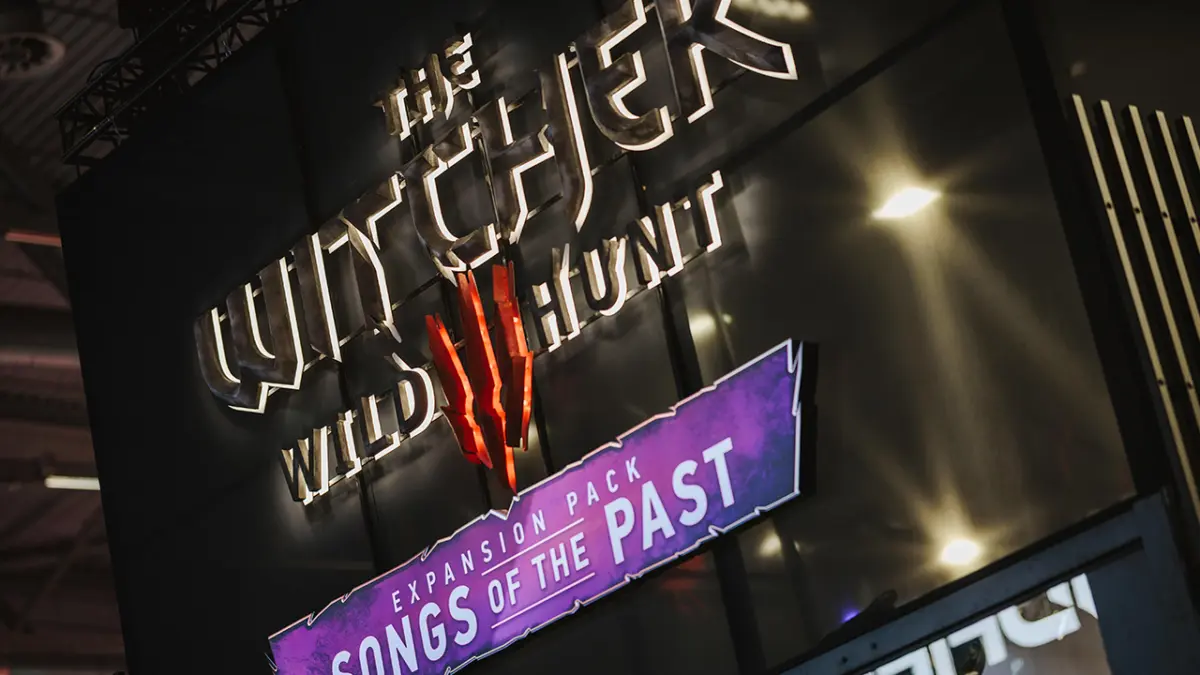
Nowhere is this tension more palpable than at major industry gatherings like Gamescom 2026. Speaking exclusively with Game Developer, CD Projekt Red (CDPR) Joint-CEO Michał Nowakowski addressed the escalating crisis facing physical media head-on. Coming on the heels of monumental shifts across the console landscape—most notably Sony’s announcement that PlayStation will entirely phase out the production of physical software by January 2028—the landscape for tangible box art, discs, and cartridges is narrowing at an unprecedented pace.
Yet, CD Projekt Red—the powerhouse studio behind blockbuster RPG franchises like The Witcher and Cyberpunk 2077—maintains that it has no intention of abandoning physical releases altogether. Recognizing that platform holders hold the absolute keys to hardware manufacturing, disc drives, and pressing plants, Nowakowski admitted that the studio must pivot and get creative. Whether that means packaging physical boxes with digital download codes, steering away from traditional media, or continuing to load boxes with tangible collector goods, CDPR is committed to ensuring that physical collectors aren’t left out in the cold.
This in-depth feature explores CDPR’s stance on physical media, the shifting hardware mandates enforced by console giants, the economic realities of digital-first sales, and how beloved developers are engineering inventive ways to keep the "unboxing" experience alive.
Detailed Chronology: The Erosion of the Silver Disc
To understand the weight of CD Projekt Red’s recent declarations at Gamescom 2026, it is vital to trace the rapid acceleration of the digital shift over the past decade. The gradual phasing out of physical software has been a slow-motion car crash for preservationists and traditionalists alike, marked by key milestones that have altered consumer habits forever.
The Early Signs of the Digital Tipping Point (2013–2020)
The seeds of the physical media decline were sown with the launch of the eighth generation of consoles (PlayStation 4 and Xbox One). While these systems still relied heavily on Blu-ray discs, they introduced mandatory game installations to the console’s internal hard drive. The convenience of pre-loading, digital storefront sales, and subscription services like Xbox Game Pass began eating away at brick-and-mortar retail market share. By the late 2010s, digital software sales had officially overtaken physical sales across major Western markets, turning retail storefront shelves from expansive libraries into sparse, curated end-caps.
The All-Digital Hardware Pivot (2020–2024)
The current generation of consoles accelerated this trend exponentially. When Sony and Microsoft launched the PlayStation 5 and Xbox Series X|S in late 2020, both companies offered disc-less, digital-only iterations of their flagship hardware. Sony’s digital-only PS5 Slim and the subsequent mid-cycle revisions made it abundantly clear that console manufacturers viewed the optical drive as an expensive, redundant luxury.
Simultaneously, PC gaming became a nearly 100% digital ecosystem; the last major PC releases distributed on physical discs vanished around the mid-2010s. Third-party publishers increasingly treated physical console boxes as secondary avenues, often shipping boxes that contained little more than a plastic case and a single paper slip with a digital download token inside.
The 2026 Turning Point: Sony’s 2028 Ultimatum
The watershed moment arrived earlier this year when industry leader Sony announced its definitive timeline to completely cease the production and distribution of physical software for PlayStation platforms by January 2028. Driven by data indicating that digital purchases now comprise the vast majority of software sales globally, Sony’s impending cutoff date sent shockwaves through the retail sector.
Major retailers began scaling back their floor space dedicated to video games, anticipating a future devoid of plastic cases. It was against this grim backdrop for traditionalists that CD Projekt Red took center stage at Gamescom 2026, offering a pragmatic yet passionate defense of the physical box.
Supporting Context & Metrics: The State of the Market
The debate over physical versus digital media is not merely emotional or aesthetic; it is governed by cold, hard economics, manufacturing logistics, and shifting consumer demographics.
The Dominance of Digital Sales
According to recent market intelligence reports, digital transactions account for upward of 80% to 90% of total software revenue across PlayStation, Xbox, and Nintendo platforms. The convenience of purchasing a game at midnight without leaving the couch, combined with aggressive digital storefront discounting and seasonal sales, has permanently shifted consumer behavior.
PlayStation Network (PSN) and Xbox Live revenues have grown into multi-billion-dollar engines that yield significantly higher profit margins for publishers. Unlike physical retail—which involves the costly logistics of manufacturing plastic cases, printing regional cover art, shipping freight worldwide, and splitting razor-thin margins with brick-and-mortar middlemen like Walmart, Target, or GameStop—digital distribution incurs virtually zero marginal cost per unit sold.
The Hardware Bottleneck
As Michał Nowakowski astutely pointed out during his Gamescom briefing, software developers do not operate in a vacuum. They are entirely beholden to the hardware manufacturers who control the means of production:
"First of all, it’s not our decision. What is true is that Xbox, PlayStation, and Nintendo as well control the manufacturing of physical media. It’s not like we can go against [them] and secretly press discs in the cellar and then put them out. If there’s no disc drive that’s obviously [another factor]."
With console makers aggressively pushing disc-less hardware variants—and looking toward a 2028 horizon where physical manufacturing lines shut down entirely—third-party studios are facing a forced obsolescence of optical media. If consumers increasingly buy consoles without disc drives, the addressable market for physical discs shrinks past the point of economic viability.
The Collectibility Paradox
Paradoxically, even as mass-market physical software sales decline, the market for premium physical collector’s editions has exploded. Discerning gamers, digital fatigue sufferers, and dedicated fandoms are willing to pay top dollar for tangible artifacts. Companies like Limited Run Games, Fangamer, and iam8bit have built thriving business models around producing low-run physical cartridges and vinyl soundtracks for digital-first indie and AAA titles.
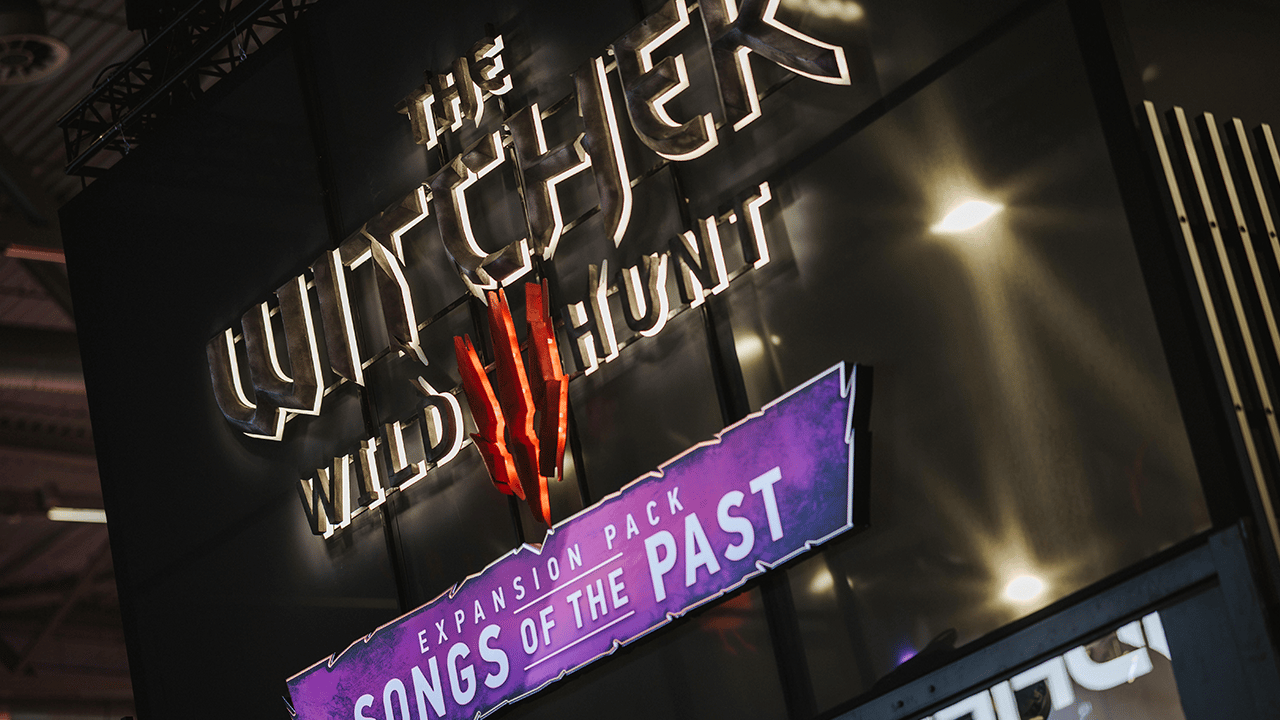
This dichotomy illustrates that consumers are not necessarily rejecting physical items; rather, they are rejecting the mundane, plastic-wrapped "bare minimum" disc case, while retaining a fierce appetite for substantive, collectible physical releases that hold real-world value.
Official Statements: CD Projekt Red’s Vision for the Future
CD Projekt Red has long cultivated a reputation as a consumer-friendly champion, largely due to consumer-centric practices established during the rollout of The Witcher 3: Wild Hunt. Unlike many modern publishers who strip standard editions down to the bare disk, CDPR historically packed its retail boxes with extra goodies.
The CDPR "Affinity" for the Box
Speaking candidly to Game Developer, Nowakowski emphasized that CDPR’s commitment to physical releases is rooted in a genuine corporate culture and emotional connection to tangible media:
"When it comes to physical, we actually have a bit of an affinity with the physical, so what you can definitely expect from us is to put out a box that’s going to make it worth your while."
This philosophy isn’t a recent marketing pivot; it is baked into the studio’s DNA. When The Witcher 3 launched in 2015, standard physical copies included not just the game disc, but a physical game map, custom stickers, an official audio CD soundtrack, a detailed universe compendium, and a comprehensive manual.
Adapting Without Abandoning
While Nowakowski acknowledges that CDPR must bend to the harsh realities dictated by Sony, Microsoft, and Nintendo, the studio refuses to break entirely. If platform holders stop manufacturing optical discs or if consumer hardware lacks disc drives, CDPR plans to innovate around the limitation.
Drawing comparisons to upcoming industry milestones—such as Rockstar Games’ reported strategy for Grand Theft Auto VI later this year, which is expected to utilize physical boxes packed with collectibles and digital redemption tokens—Nowakowski hinted that CDPR is exploring similar hybrid pathways.
Even if the shiny silver disc inside the box must eventually be replaced by a high-quality download code, the studio intends to ensure that the consumer still walks away with a physical artifact worthy of pride of place on a bookshelf.
"What is true, is that we’re going to be there for players with whatever means with have to reach them. If we have choice, it will be broader. If we have less choice, it might not be as broad as it was in the past."
Future Outlook: What Lies Ahead for Physical Collectibles and Game Preservation
As the industry marches toward 2028 and the rumored arrival of next-generation hardware iterations, the ecosystem surrounding physical video games faces an identity crisis. What does the landscape look like for developers, publishers, and players over the next decade?
The Rise of the "Goodie Box" Standard
If optical discs are systematically phased out by platform holders, physical software boxes will likely transform entirely into premium collector’s items. Publishers will shift away from treating the box as a mere vessel for data storage and instead position it as a celebration of the IP.
We can expect standard physical editions of future blockbusters—like the eventual rollout of The Witcher 4 (codenamed Project Polaris)—to feature artistic steelbooks, art books, lore pamphlets, physical map prints, and digital download keys. In this model, the physical product survives not as a data medium, but as an interactive art piece and token of fandom.
The Preservation Nightmare
For digital preservationists, archivists, and consumer advocates, the decline of physical media represents a severe threat to cultural heritage. Unlike physical books, vinyl records, or film reels, digital games are tied to server lifecycles, account credentials, and proprietary storefronts. When digital storefronts eventually close—as Nintendo and Sony have repeatedly attempted to do with legacy hardware generations—games risk becoming entirely inaccessible ghosts in the machine.
While studios like CD Projekt Red are doing their part to keep the physical spirit alive through packaging and creative alternatives, the broader industry must grapple with long-term digital preservation protocols. Without robust legal frameworks for digital ownership, interoperability, and offline archiving, generations of interactive art risk vanishing the moment a corporate server goes dark.
Conclusion: A Defiant Flame
CD Projekt Red’s commitment at Gamescom 2026 serves as a beacon of hope for traditionalists in a rapidly digitizing world. While the macro-trends orchestrated by Sony, Microsoft, and global market forces are steering the industry toward an all-digital horizon, studios with an "affinity" for the physical world are finding clever ways to push back.
Whether through hybrid download-code boxes, premium collector editions, or sheer stubborn devotion to the unboxing experience, CDPR has made it abundantly clear: even if the disc goes extinct, the box—and the community that cherishes it—isn’t going away without a fight.