Executive Overview
In the modern culinary landscape, the traditional race for the one-off customer has given way to a more disciplined pursuit: the cultivation of the repeat guest. Squeezed by rising operational overhead, tight labor markets, narrow margins, and fierce competition, restaurant operators are fundamentally pivoting their business models. Rather than relying solely on aggressive top-of-funnel customer acquisition—which grows increasingly expensive by the quarter—forward-thinking restaurateurs are fortifying their enterprises from the inside out, anchoring financial stability in long-term customer relationships.
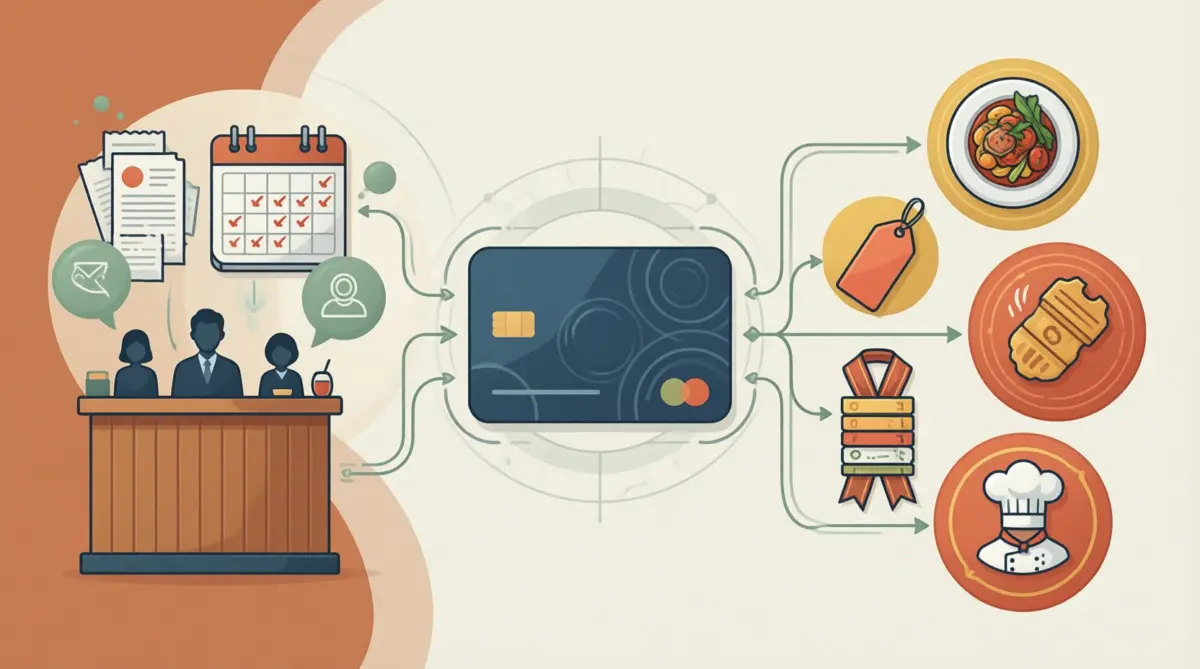
At the heart of this operational evolution is the sophisticated integration of behavioral analytics, zero-party data collection, and multi-channel marketing. No longer viewed as passive punch-card novelties, modern loyalty programs have matured into mission-critical business infrastructure. By syncing point-of-sale (POS) transaction records with explicit guest preferences, restaurant brands can map dining habits, predict visit frequencies, and deliver hyper-targeted incentives. Industry insights from institutions like Rewards Network demonstrate that retention consistently outperforms acquisition on cost-efficiency, yielding superior revenue predictability and insulating operators against market volatility.
This comprehensive analysis explores the mechanics of modern restaurant loyalty. We examine how behavioral data translates into tailored rewards, how operators navigate the complexities of omnichannel engagement, and why transitioning from transactional interactions to relational ecosystems is the ultimate competitive advantage for contemporary dining establishments.
Detailed Chronology: The Evolution of Restaurant Guest Engagement
To understand where the restaurant industry stands today, it is instructive to trace how guest engagement has transformed over the past several decades. The journey from anonymous transactions to data-driven ecosystems reveals a steady shift toward precision, personalization, and technological integration.
Era 1: The Analog Foundation (Pre-2000s)
For generations, restaurant loyalty was tactile and localized. The paper punch card, the stamped coffee sleeve, and the neighborhood diner’s "regular’s table" defined the relationship between establishment and patron. While these systems successfully fostered a sense of belonging, they offered zero data visibility to operators. Management knew a face, but they could not track aggregate spending metrics, predict future visit intervals, or execute scalable marketing campaigns.
Era 2: The Rise of Digital Points and Generic Broadcasts (2000s–2010s)
As point-of-sale systems digitized, early digital loyalty programs emerged. These programs typically relied on broad, one-size-fits-all mechanics: earn 100 points, get a free appetizer. While these platforms captured transactional data, they frequently suffered from two critical flaws. First, they demanded heavy friction—requiring separate native app downloads or cumbersome staff explanations at the register. Second, they treated all customers uniformly. A heavy-spending weekend diner received the same generic Tuesday night coupon as a budget-conscious lunch regular, resulting in wasted marketing spend and diluted brand value.
Era 3: The Omnichannel, Data-Driven Paradigm (Present)
Today, modern loyalty infrastructure bridges the gap between digital ordering, delivery apps, owned web experiences, and physical dine-in interactions. Fueled by behavioral analytics and artificial intelligence, contemporary programs capture both first-party purchase history and zero-party preferences (data deliberately shared by the guest). Operators no longer broadcast broad discounts; instead, they deploy micro-segmented, automated campaigns that recognize specific ordering patterns, celebratory occasions, and preferred dining windows. This evolution transforms the loyalty program from a marketing afterthought into the central operating system of guest relationship management.
Supporting Context & Metrics: The Economics of Retention
The financial argument for prioritizing retention over acquisition is absolute. In an industry where customer acquisition costs (CAC) continue to climb due to saturated digital ad spaces and rising search engine marketing costs, relying purely on first-time visitors is a recipe for compressed margins.
The Cost of Acquisition vs. Retention
Acquiring a new restaurant guest typically requires significant upfront capital investment through digital advertising, promotional discounting, or third-party platform commissions. Conversely, retaining an existing guest is markedly less expensive. Loyal customers do not merely return more frequently; they also tend to spend more per transaction. According to aggregated data from Rewards Network and prominent restaurant tech reports, loyalty program members frequently account for a disproportionately massive share of a restaurant’s total recurring visits and top-line revenue.
Furthermore, loyal patrons function as organic brand ambassadors. In an era where digital peer recommendations and star ratings heavily influence dining decisions, enthusiastic reviews and word-of-mouth endorsements generated by engaged loyalists act as powerful, cost-free trust signals for prospective diners.
Structuring the Mechanics: Spending vs. Frequency vs. Tiers
Designing an effective loyalty program requires matching the earning rule to the specific behavioral outcome the restaurant wishes to drive.
- Points-Based Models: Best suited for environments with variable check averages. They reward the total purchase value, encouraging guests to add an extra side, dessert, or premium beverage to increase their earnings.
- Visit-Based Models: Ideal for quick-service and fast-casual concepts where transaction values remain relatively consistent, but frequency is the primary growth lever.
- Tiered Programs: Designed to gamify the experience for high-engagement guests. By offering progressively better rewards at higher tiers, operators tap into status motivation, encouraging moderate diners to elevate their spending and frequency to unlock exclusive perks.
- Hybrid Models: Combine multiple behaviors to capture diverse audience segments, though operators must take care to keep the rules simple enough for guests to easily follow.
| Structure | Behavior Rewarded | Ideal Operating Environment | Core Design Checkpoint |
|---|---|---|---|
| Points-Based | Customer spending volume | Full-service or fine dining with variable check sizes | Clearly communicate the spending threshold required for redemption. |
| Visit-Based | Transaction frequency | Quick-service and fast-casual concepts | Keep qualifying-visit rules transparent and easy to track. |
| Tiered | Escalating engagement & status | High-volume brands with passionate customer bases | Ensure every tier threshold is realistically attainable for the target audience. |
| Hybrid | Multi-faceted consumer behavior | Diverse customer demographics (lunch vs. dinner crowds) | Verify that combined rules do not create cognitive friction for the guest. |
Official Industry Perspectives and Expert Insights
Industry analysts, tech providers, and network operators agree that the future of restaurant profitability hinges on data utilization and seamless integration.
The Rewards Network Perspective
Insights from Rewards Network emphasize that loyalty programs must transcend simple, transactional reward mechanisms. The strongest platforms weave together personalization, automated data tracking, and integrated marketing to forge an unbroken conversational loop between the restaurant and the diner. When loyalty data flows seamlessly into broader marketing channels—such as email automation, SMS campaigns, and localized social media advertising—the entire operational apparatus becomes more efficient. Marketing dollars are no longer sprayed into the void; they are directed toward proven customer segments based on concrete historical behavior.
AI, Gamification, and Delivery Analytics
Recent industry analysis, including coverage of Paytronix’s loyalty reports by Restaurant Dive, highlights how leading brands like Starbucks leverage AI-targeted messaging, dynamic challenges, and gamification to keep users engaged. For independent operators and mid-sized chains alike, the takeaway is clear: while gamification can spark short-term engagement, it must be paired with genuine value and transparent earning conditions.
Concurrently, operators must navigate the operational hurdle of fragmented data caused by third-party delivery apps. As detailed in restaurant analytics guides from platforms like DoorDash and big-data reviews from ProjectPro, third-party delivery touchpoints can obscure true customer history. Experts caution operators to establish owned enrollment pathways—such as native web ordering or direct loyalty check-ins—and to rigorously separate unlinked delivery orders from verified customer records. Failing to do so risks contaminating customer profiles and misdirecting marketing outreach.
Future Outlook: Building a Sustainable Growth Model
As the restaurant industry looks toward the coming decade, macroeconomic pressures and shifting consumer expectations will only heighten the need for disciplined, data-driven guest relationship management.
Zero-Party Data and Privacy-First Engagement
With tightening privacy regulations and the eventual deprecation of third-party cookies across digital channels, zero-party data—information that customers intentionally and proactively share with a brand—will become the gold standard. Restaurants that build frictionless enrollment funnels, such as simple web-based preference centers that capture favorite dining occasions, dietary preferences, or birthday milestones without demanding an immediate app download, will hold a distinct advantage.
Proactive vs. Reactive Operations
Ultimately, the transition to modern loyalty infrastructure allows operators to shift from a reactive posture—scrambling to fill empty tables with desperate, last-minute discounts—to a proactive strategy anchored in predictable demand. By continuously analyzing transaction histories, monitoring check averages, and refining reward structures to match changing consumer habits, restaurants can insulate themselves against market volatility.
For operators seeking long-term viability, the directive is unequivocal: evaluate your current guest engagement strategy, identify where data silos exist, and embed loyalty into the core operational framework. By doing so, occasional diners transform into dedicated brand advocates, securing the financial foundation of the modern restaurant economy.