Executive Overview
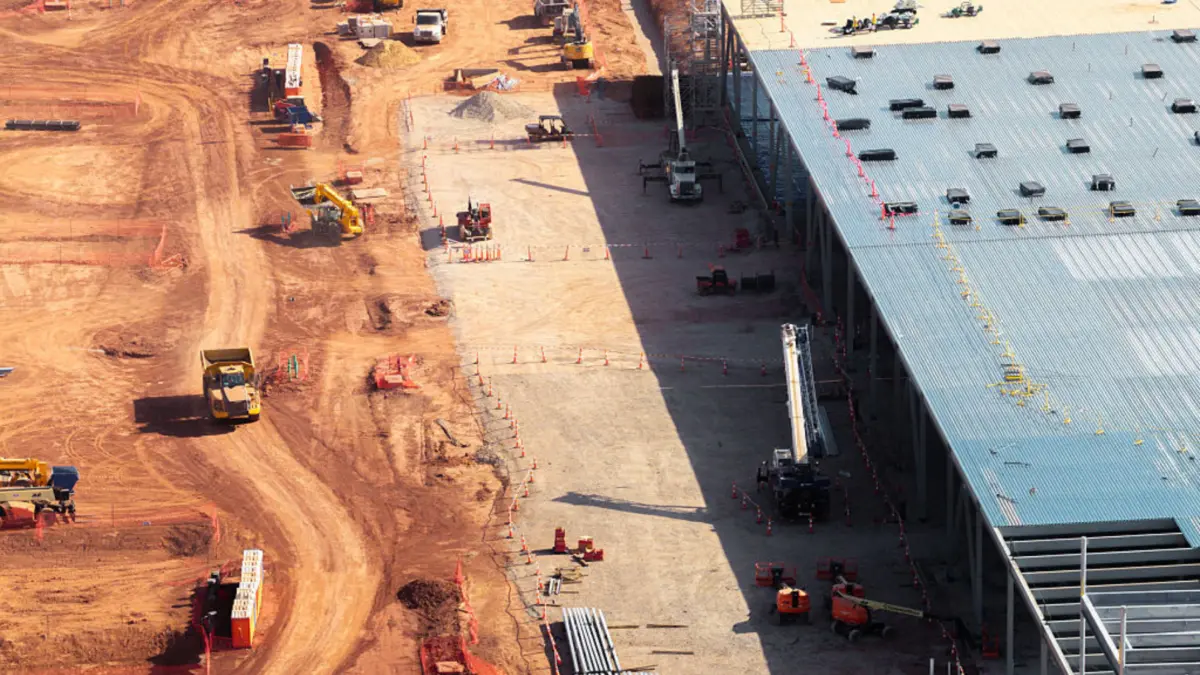
The artificial intelligence boom has ushered in an unprecedented era of digital infrastructure expansion, transforming sleepy rural towns and suburban outskirts across the United States into bustling hubs of heavy construction. From the sun-baked plains of Abilene, Texas, where massive facilities like the Stargate Oracle AI data center rise against the horizon, to traditional tech corridors in Virginia and the Pacific Northwest, billions of dollars are being poured into the physical foundations of the generative AI revolution.
Yet, beneath the glossy architectural renderings and soaring market valuations lies a stark and increasingly urgent reality: the infrastructure pipeline is facing a severe reality check.
As utilities, regulators, and local communities grapple with the staggering energy demands of modern machine learning, a profound recalibration is underway. What began as a gold rush of speculative data center applications is rapidly slamming into the hard boundaries of grid capacity, equipment scarcity, and public resistance. According to energy advisory firm Relae (formerly Carbon Direct), more than $170 billion in proposed AI data center capacity has been blocked, withdrawn, or stalled due to community opposition alone since January 2024.
This staggering figure represents nearly a third of the roughly $581 billion that Goldman Sachs estimates major technology hyperscalers will spend on U.S. AI infrastructure this year. As utilities wise up to speculative filings—adopting rigorous vetting requirements, steep financial penalties, and mandatory capacity deposits—the old era of rubber-stamping grid connection requests is officially dead. The central question facing the tech and energy sectors is no longer how fast data centers can be dreamed up, but whether a fraction of them can actually be built.
Detailed Chronology: From Speculative Gold Rush to Regulatory Reality Check
To understand how the American energy landscape arrived at this critical juncture, it is necessary to trace the rapid escalation of the data center phenomenon and the subsequent regulatory pushback that has defined the sector over the past several years.
The Spark: The Post-ChatGPT Expansion (Late 2022 – 2023)
Following the public debut of generative AI models in late 2022, technology giants—often referred to as hyperscalers—scrambled to secure the computational power necessary to train and deploy increasingly complex large language models. Overnight, tech companies began submitting massive, speculative interconnection requests to regional transmission organizations (RTOs) and local electric utilities. Many of these requests were speculative placeholders, with tech developers reserving grid capacity across multiple sites while they finalized real estate deals, financing, and power purchase agreements.
The Wake-Up Call (May 2025)
By mid-2025, the strain on local utilities became unsustainable. In May 2025, an influential Utility Dive article captured the growing anxiety within the power sector with the headline: "A fraction of proposed data centers will get built. Utilities are wising up." The piece highlighted how utilities were drowning in speculative queues, where hundreds of gigawatts of requested power had little to no backing in terms of signed contracts or shovel-ready construction plans. Regulators began demanding that developers prove their seriousness through non-refundable study deposits and stringent milestone requirements.
The Rise of Grassroots Resistance (2024 – 2026)
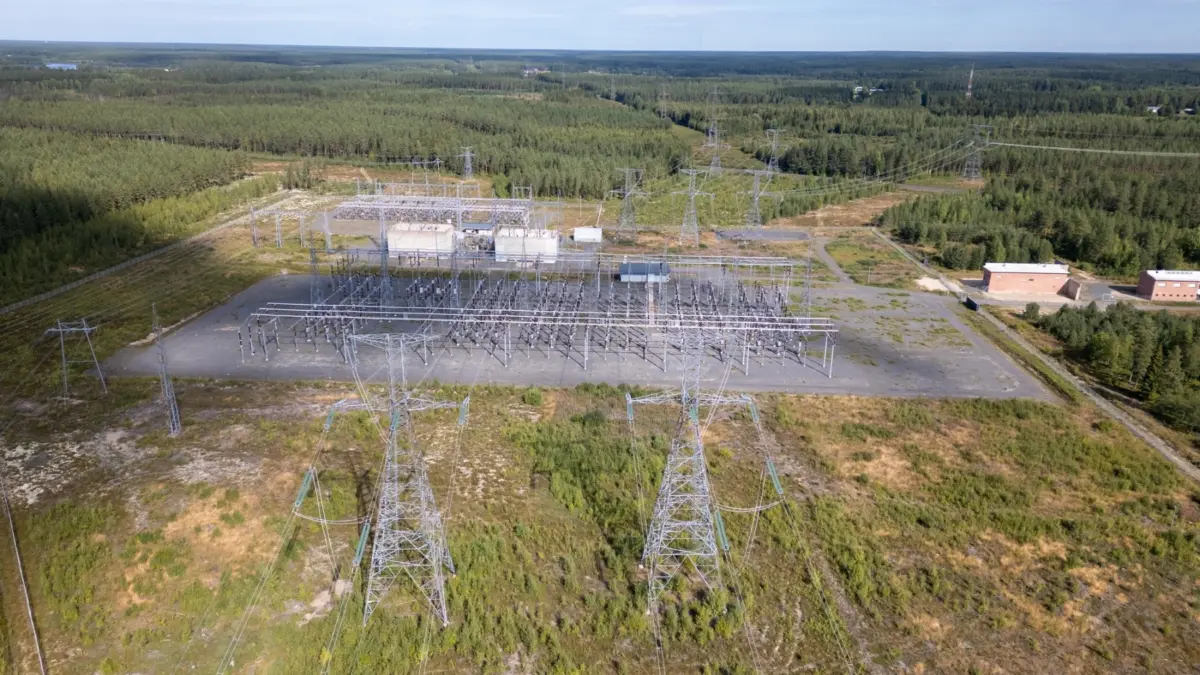
As local planning commissions and utility boards began sorting through legitimate projects from speculative ones, a powerful new counterweight emerged: community opposition. Across states like Texas, Virginia, Ohio, and Georgia, local residents began organizing against proposed data centers. Citizens voiced acute concerns over skyrocketing electricity rates, severe strain on local water supplies used for cooling, the deafening industrial hum of thousands of cooling fans, and the visual blight of massive warehouses surrounded by high-voltage substation yards.
The Mid-2026 Gridlock
By mid-2026, the collision of community pushback, equipment shortages, and tighter utility oversight produced a massive bottleneck. Relae’s June 2026 data revealed that community pushback alone had successfully blocked, stalled, or forced the withdrawal of over $170 billion in planned capacity. Projects that once seemed destined for swift approval found themselves bogged down in multi-year zoning battles, environmental reviews, and bitter legal challenges from local coalitions.
Supporting Context & Metrics: The Anatomy of the Infrastructure Crisis
The friction between hyperscalers and the power grid is governed by a complex matrix of economic, logistical, and social constraints. To fully appreciate the scale of the bottleneck, one must examine the core metrics defining the modern AI infrastructure landscape.
The Capital Investment Gap
The sheer volume of capital flowing into artificial intelligence is historic. Goldman Sachs forecasts that global investment in AI infrastructure will exceed $1 trillion, with U.S. hyperscalers alone pouring roughly $581 billion into domestic data center construction, specialized chips, and supporting energy assets. However, money alone cannot manufacture steel transformers, accelerate high-voltage transmission line permitting, or instantly generate carbon-free baseload power.
[Total Hyperscaler US AI Capex: ~$581B]
 ├── [Stalled/Blocked by Communities: >$170B (~29%)]
 └── [Active/Progressing Pipeline: ~$411B]
As the data shows, nearly 30% of intended domestic infrastructure capital has hit a brick wall due to local opposition. When combined with other systemic hurdles—such as construction labor shortages, multi-year lead times for heavy electrical equipment like step-down transformers, and restricted power availability in primary tech markets—the timeline for deployment continues to stretch outward.
The Grid Capacity Crunch and the "200 GW Moment"
Modern AI data centers are unlike traditional web-hosting facilities. While older centers might have drawn 10 to 20 megawatts, next-generation AI campuses frequently demand hundreds of megawatts—with some multi-gigawatt mega-campuses rivaling the energy consumption of small cities.
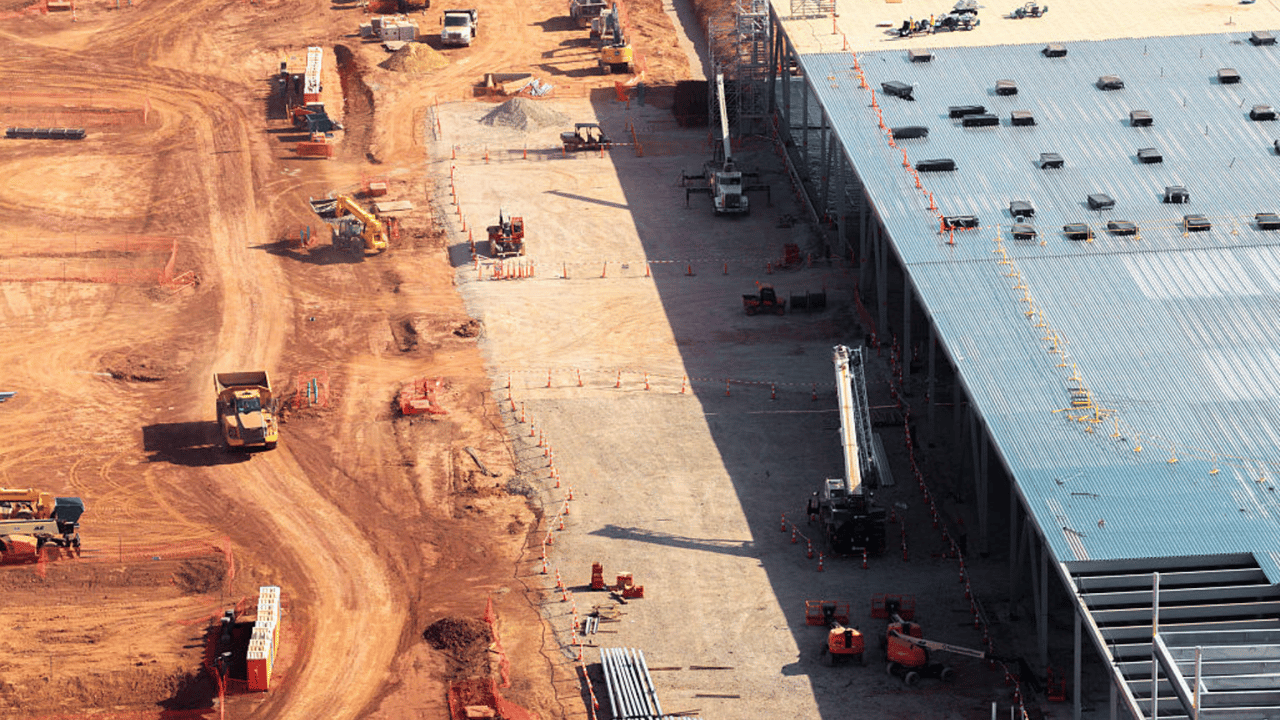
This surge has triggered what energy experts call the "200 GW Moment," forcing grid operators to completely reinvent resource planning. Utilities that spent decades managing modest, predictable load growth are now facing unprecedented spikes in electricity demand just as aging fossil-fuel plants are retired and new renewable generation struggles to interconnect due to saturated transmission queues.
Official Statements and Industry Perspectives
The tension between technological ambition and physical reality has prompted candid admissions from industry leaders, utility executives, and policy advocates alike.
On the Speculative Nature of Early Filings:
Utility executives have increasingly spoken out against developers who clog interconnection queues with speculative projects. A prominent regulatory filing from a major midwestern utility noted last year:
"We welcome economic development and technological innovation, but our primary obligation is to maintain system reliability and protect everyday ratepayers from subsidizing speculative real estate gambles. Developers must demonstrate financial commitment and operational readiness before locking up grid capacity."
On the Power of Community Advocacy:
Energy analysts at Relae emphasized that public sentiment has fundamentally altered the risk calculus for tech investors. In their June 2026 research briefing, analysts observed:
"Community opposition is no longer a localized nuisance; it has become a systemic regulatory barrier. When local stakeholders mobilize against noise, water usage, and aesthetic degradation, even the deepest-pockets tech giants find themselves unable to force projects through hostile municipal frameworks."
On Market Resilience:
Despite the mounting headwinds, financial institutions remain steadfast in their long-term bullish outlook. Wall Street analysts point out that while the screening process has become more brutal, the projects that ultimately survive utility vetting and community negotiations tend to be exceptionally robust, well-capitalized, and strategically sited near abundant energy sources—including nuclear and advanced geothermal power.
Future Outlook: Reinventing the Grid for the AI Economy
As the dust settles on the initial wave of the AI boom, the path forward requires a fundamental restructuring of how technology companies, energy providers, and local communities interact. The era of frictionless, rapid-fire data center deployment is over, replaced by a more deliberate, highly scrutinized development paradigm.
1. Co-Location and Behind-the-Meter Solutions
To bypass congested transmission queues and alleviate public fears about residential rate hikes, hyperscalers are increasingly turning to co-location models. By partnering directly with nuclear power plants, dedicated wind and solar farms, or natural gas facilities behind the meter, data center operators can secure dedicated baseload power without threatening local grid stability.
2. Evolving Regulatory Frameworks
State utility commissions across the country are rewriting the rules of engagement. Future data center developments will face mandatory minimum capacity utilization clauses, stricter financial forfeiture rules for abandoned projects, and early-stage community engagement mandates. These reforms aim to separate serious, long-term infrastructure investments from speculative land grabs.
3. Deepening Community Engagement
Tech companies and developers are learning hard lessons about the cost of ignoring local stakeholders. Moving forward, successful data center projects will require transparent dialogue, tangible community benefit agreements (such as investments in local schools, water infrastructure upgrades, and public parks), and proactive mitigation of noise and environmental impacts.
Conclusion
The collision between the artificial intelligence revolution and the physical limits of the American power grid has created a defining crucible for modern infrastructure. While the journey ahead is fraught with regulatory hurdles, community pushback, and logistical bottlenecks, the ongoing shakeout is ultimately forging a more resilient and sustainable foundation. As utilities wise up and developers adapt to Abilene-scale realities, the data centers that do make it past the finish line will represent the true, durable backbone of the twenty-first-century digital economy.