










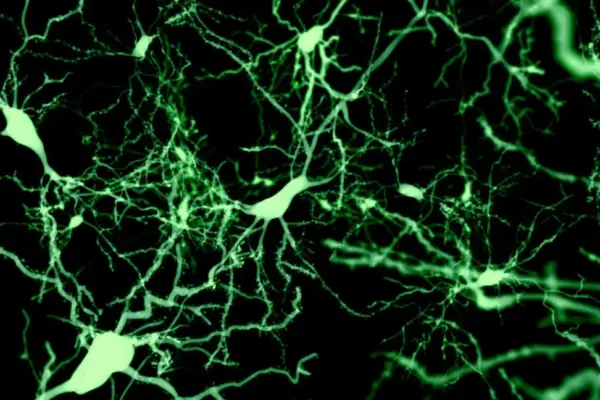
Unlocking the Brain’s Master Switch: How a Rare 1% of Cortical Cells Can Induce Sleep

Executive Overview For generations, sleep research has viewed the cerebral cortex as a passive passenger—a high-level processing organ that merely reacts to deep-seated subcortical directives from the brainstem and hypothalamus. The prevailing neuroscientific dogma held that while the slow rhythms characteristic of deep, restorative sleep are clearly observable in the cortex, the actual master signals…
Read Full News

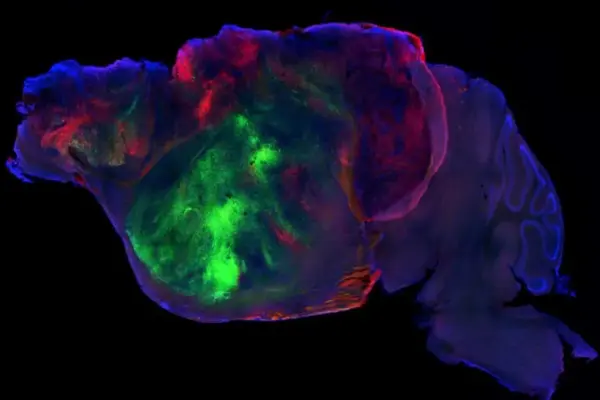
Bridging the Chasm: Stanford Researchers Pioneer Partial Human-Mouse Brain Chimeras Using Cortical Organoid Replacements

Executive Overview In the relentless pursuit of modeling complex human neurological and psychiatric diseases, scientists have long turned to "organoids"—three-dimensional structures grown from stem cells that mimic aspects of actual organ architecture. While cerebral organoids have revolutionized in vitro research by recapitulating specialized human cell types and local organizational cues, they have persistently lacked systemic…

Read Full News