Executive Overview
The video game industry has weathered many crises over the years, but few compare to the structural and psychological shockwaves delivered by the ongoing security breaches surrounding Grand Theft Auto VI. Following weeks of unprecedented, daily leaks that compromised early gameplay footage, narrative beats, and character assets, Rockstar Games and its parent company, Take-Two Interactive, have officially broken their silence.
In a heartfelt and candid public address released on Wednesday, Rockstar admitted that the situation has been "heartbroken" for its development team. The studio expressed deep regret over the premature exposure of a project that has spent the better part of a decade in hyper-secretive development.
At the epicenter of this modern industrial espionage is an entity operating under the moniker "CyberLeek," who has weaponized the stolen footage not merely for internet notoriety, but to push a broader ideological manifesto against modern gaming trends—complete with a promotional push for a custom-branded meme coin.
While Rockstar’s legal teams have aggressively pursued subpoenas against major tech conglomerates like Microsoft and Discord to unmask the perpetrators, the psychological toll on the developers remains palpable. This comprehensive report explores the timeline of the leaks, the motivations driving the bad actors, the legal counter-offensive mounted by Take-Two Interactive, and what this watershed moment means for the future of AAA game development and corporate security.
Detailed Chronology: How the Breach Unfolded
The cascading series of security failures began in earnest on January 18, marking the start of what would become a daily drip-feed of unauthorized media. Unlike isolated, high-profile leaks of the past—such as the massive 2022 early-build leak that exposed raw debugging footage—this wave of disclosures has been calculated, sustained, and leveraged for socio-economic statements.
The Initial Wave (January 18–25)
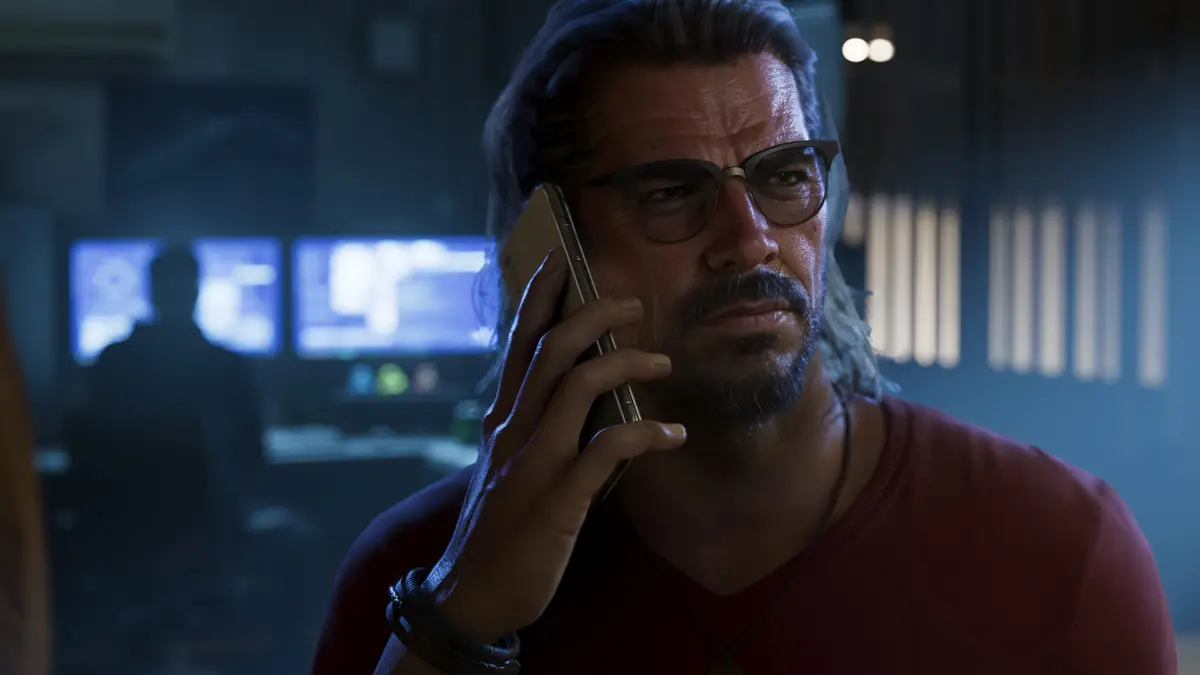
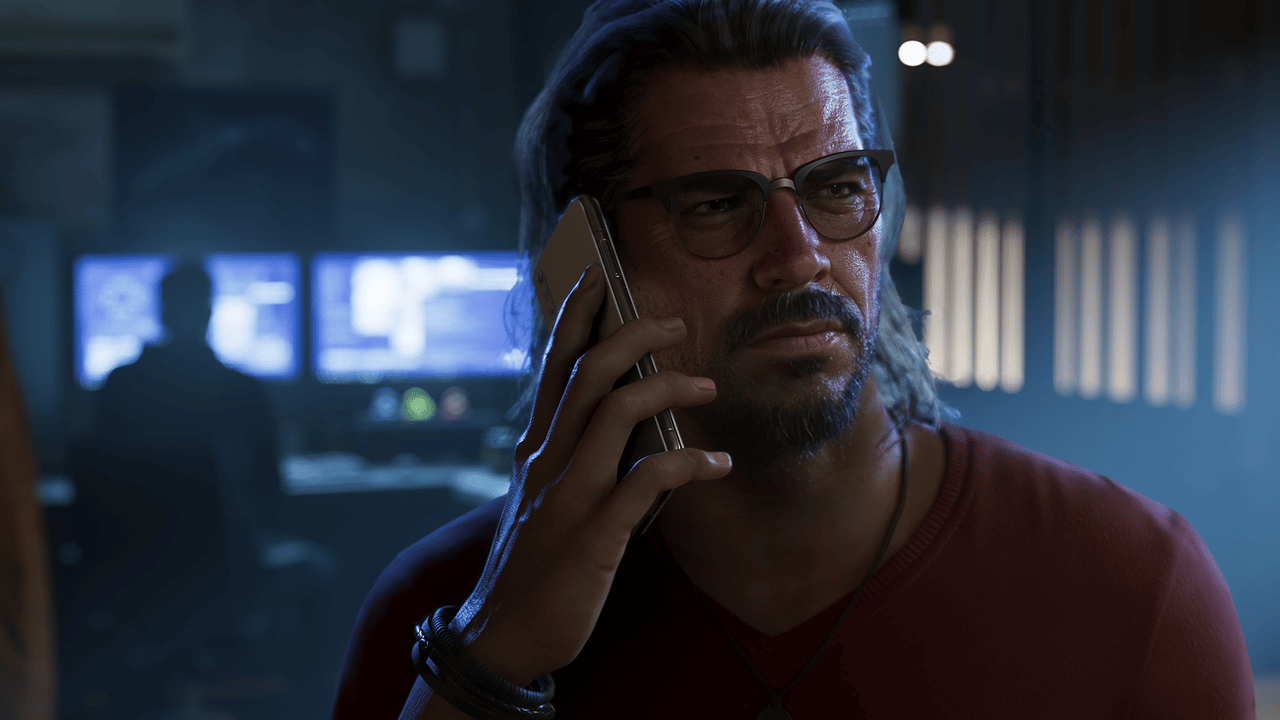
On January 18, the first tranche of assets began appearing on obscure forums before rapidly migrating to mainstream platforms like X (formerly Twitter), Reddit, and Discord. The materials included high-resolution screenshots and short video clips showcasing characters, notably featuring a figure identified as Raul Batista, navigating detailed open-world environments.
Rather than stopping after an initial burst of attention, the leaker—calling themselves CyberLeek—established a daily cadence. Each morning brought new assets, daring Rockstar Games and Take-Two Interactive to respond.
The Legal Counter-Offensive
For the first several weeks, Rockstar Games maintained a strict corporate silence, opting instead to wage war quietly behind closed doors. Legal representatives for Take-Two Interactive moved swiftly through the federal court system, filing multiple subpoenas targeting major communication and cloud storage infrastructure providers, including Microsoft and Discord. The objective was clear: compel these tech giants to hand over IP addresses, server logs, communication histories, and account details linked to the distribution nodes of the leaked Grand Theft Auto VI assets.
Despite these legal maneuvers, the leaks persisted. Even within hours of Rockstar’s official statement on Wednesday morning, additional clips surfaced online, demonstrating a brazen defiance of both corporate authority and legal intimidation.
The "CyberLeek" Manifesto and Motivations
As the leaks continued, CyberLeek expanded their scope beyond simple data dumping, framing their actions as a crusade on behalf of disgruntled gamers. According to statements published alongside the leaked media, the breach serves as a warning shot to the entire video game publishing ecosystem.
CyberLeek’s manifesto outlines a series of strict "commandments" for game developers and publishers. Entities that fail to comply—specifically those utilizing digital-only preorders, shipping games without physical discs, or cutting corners with what the leaker calls "fake single-player DLC"—risk becoming targets for future security breaches.
Furthermore, CyberLeek has capitalized on the massive influx of media attention by actively promoting a meme coin bearing the same name. This blending of anti-corporate activism, digital piracy, and speculative cryptocurrency promotion has introduced a volatile, modern dynamic to traditional intellectual property theft.
Supporting Context & Metrics: The Anatomy of a Modern Leak
To understand the severity of the Grand Theft Auto VI breaches, one must examine the sheer economic scale, anticipation levels, and technological infrastructure surrounding Rockstar’s flagship franchise.
The Economic and Cultural Weight of GTA VI
Grand Theft Auto V, released in 2013, remains one of the most financially lucrative entertainment products in human history, generating billions of dollars in revenue across three console generations. Consequently, the expectations for its successor are stratospheric. Every piece of promotional material, every frame of gameplay, and every whisper of a release date holds massive market-moving potential for Take-Two Interactive’s stock price.
When unauthorized media disrupts this carefully choreographed marketing pipeline, the financial implications are immediate. Investors experience uncertainty, marketing strategies must be hastily rewritten, and the emotional equilibrium of a multi-hundred-person development team is severely disrupted.
The Shift Toward Digital-Only Media
A notable sub-plot of CyberLeek’s grievances touches upon a broader industry trend: the systematic phasing out of physical media. Major publishers, alongside console manufacturers like Microsoft and Sony, have increasingly leaned into all-digital ecosystems. Recent moves—such as Xbox’s disc-to-digital initiatives—have alienated segments of the hardcore gaming community that value physical ownership, preservation, and offline play.
While piracy and data breaches are indefensible, industry analysts note that CyberLeek has tapped into a genuine undercurrent of consumer resentment regarding the steady erosion of physical ownership in modern gaming.
Official Statements: Rockstar’s Full Address
In an unprecedented move of vulnerability, Rockstar Games published a heartfelt open letter to its community. The statement offers a rare glimpse behind the corporate curtain, balancing accountability, empathy, and a plea for patience.
Dear all,
We know that many of you have been waiting to hear from us regarding the events of the past week. It would be an understatement to say that having videos of Grand Theft Auto VI gameplay leak in this way has been heartbreaking for our team, and this is obviously not how we intended for you to see the game after all this time. We are very sorry that everything has taken as long as it has from getting the game finished (nearly there!) to sharing more details and official gameplay, and providing the community with everything you want to know.
We are very excited for everyone to see the extended look tomorrow. It has taken longer than we wanted to get it ready, but as with everything we do, we know we need to exceed your expectations, and we are determined to deliver at the level you expect and deserve. While it is unfortunate that the intended game experience may now be impacted by some spoilers, we hope that everyone will wait a bit longer to experience the game for themselves on November 19.
We want to thank everyone in the community who has reached out with messages of support this past week—your words have meant more to this team than you can imagine. Ultimately, we are making this game for you, and without you, we would not have the privilege of making games.
We look forward to sharing more with you soon.
Future Outlook: What Lies Ahead for Rockstar and the Industry
As the dust settles on this chaotic chapter, the long-term ramifications for both Rockstar Games and the broader interactive entertainment industry are coming into focus.
1. Hardened Cyber Security Protocols
The repeated targeting of major game developers—ranging from the massive 2022 GTA VI source code and video leaks to these recent asset drops—highlights vulnerabilities in remote-work frameworks and internal communications networks. Moving forward, AAA studios will undoubtedly invest heavily in zero-trust security models, air-gapped development environments, and even stricter internal access controls. The era of relaxed studio communication is officially over.
2. The November 19 Horizon
Despite the chaotic interference of spoilers, datamined assets, and opportunistic meme-coin schemes, consumer demand for Grand Theft Auto VI remains fundamentally unbroken. Rockstar’s confirmation that the game is "nearly there," paired with the looming November 19 release date, provides a concrete light at the end of the tunnel.
3. The Legal Precedent
The outcome of Take-Two’s subpoenas against Microsoft, Discord, and other tech entities will set a vital legal precedent. How courts handle the intersection of encrypted messaging platforms, copyright infringement, and malicious data leaks will dictate how aggressively publishers can pursue anonymous actors in the digital age.
Ultimately, while CyberLeek sought to disrupt Rockstar’s grand unveiling, the studio’s transparent response has rallied its loyal community. As the industry marches toward November 19, the true test will be whether the final product can transcend the turbulence of its development cycle and deliver the generational masterpiece fans have waited over a decade to play.