








Executive Overview
In the volatile world of digital piracy, few names have commanded the sheer scale and brand loyalty of YggTorrent. Long reigning as France’s premier torrent sharing community, the platform boasted an impressive membership base exceeding 10 million registered users at its peak. However, the first half of 2027 proved to be an existential nightmare for the site’s operators and user base alike. A catastrophic hack in March gutted the infrastructure, followed swiftly by sweeping law enforcement interventions that saw French authorities arrest a dozen individuals linked to the platform’s operations.
Conventional wisdom dictated that such a double-tap—a devastating technical breach followed by targeted criminal prosecutions—would spell the permanent demise of the ecosystem. Yet, the underground digital economy rarely follows conventional rules. Following a period of uncertainty that included a staggering $700,000 domain portfolio valuation and public listing, YggTorrent is staging an improbable comeback.
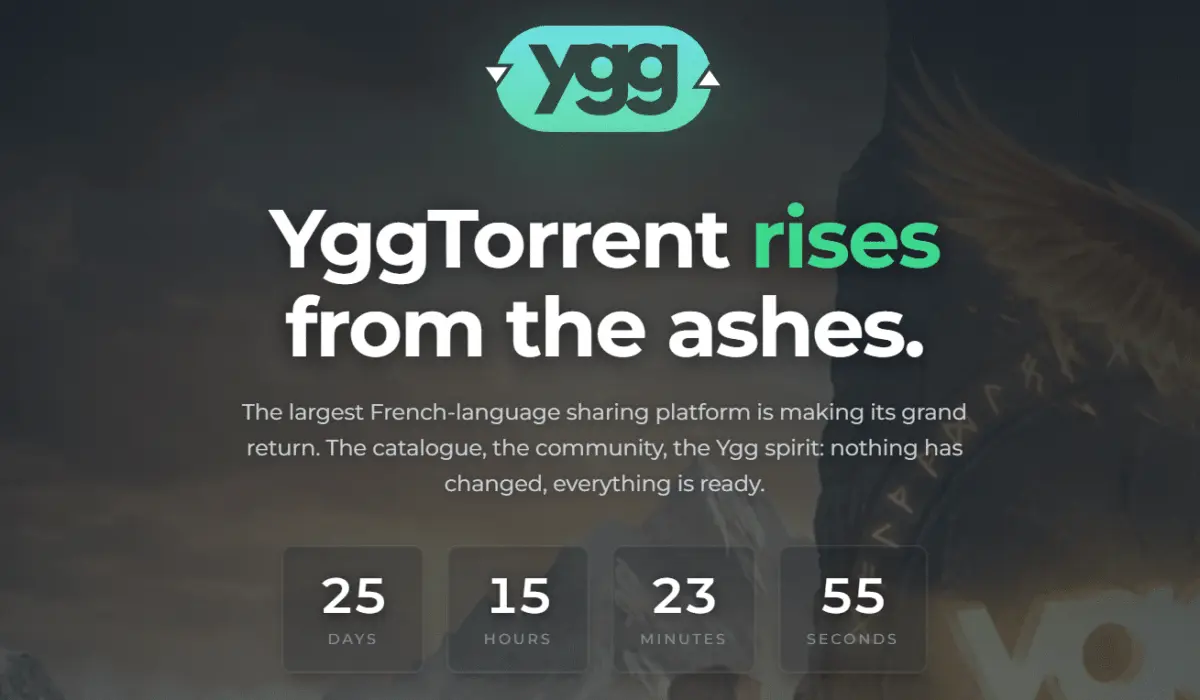
The site’s primary domains have pivoted away from liquidation pitches and are now actively counting down to a grand relaunch scheduled for September 1 under the stewardship of a self-proclaimed "new team." Promising that the catalogue, the community spirit, and the core platform remain intact, this upcoming resurrection raises profound questions regarding the resilience of decentralized file-sharing networks, the elusive identity of the new operators, and the ongoing, uphill battle law enforcement faces when dismantling deeply entrenched piracy brands.
Detailed Chronology: From Dominance to Devastation and Rebirth
To understand the weight of YggTorrent’s impending return, it is essential to trace the dramatic trajectory of events that dismantled the platform in early 2027 and set the stage for its current reincarnation.
The March Catastrophe: Hack, Leak, and Crypto Theft
For years, YggTorrent operated as the undisputed heavyweight of French-language torrent communities. It served as a centralized hub where millions of users exchanged everything from independent media to mainstream copyrighted blockbusters. This centralization, while efficient for community building, proved to be its Achilles’ heel.

In March, the platform suffered a catastrophic security breach. An anonymous hacker (or group of hackers) successfully penetrated YggTorrent’s core architecture, gutting the database, exposing internal operations, and reportedly making off with substantial cryptocurrency holdings accumulated through user donations and site monetization. The psychological and technical blow was immense. Recognizing the gravity of the breach and the exposure of operational security parameters, the original operators threw in the towel, pulling the plug on the platform and leaving millions of digital citizens stranded without their primary archival and sharing nexus.
The Gendarmerie Strikes: July Arrests
While the shutdown temporarily quieted public-facing activity, it did nothing to halt the wheels of justice—or state surveillance. French law enforcement, specifically the specialized cybercrime units of the National Gendarmerie, had long maintained their sights on the platform.
Capitalizing on the chaos and digital footprint left in the wake of the March hack, investigators methodically pieced together the real-world identities behind the digital aliases. In July, the crackdown materialized in dramatic fashion: French police coordinated a series of raids that resulted in the arrest of twelve suspected key operators. These individuals were accused of orchestrating, maintaining, and profiting from the large-scale copyright infringement empire. For all intents and purposes, the legal narrative suggested that YggTorrent was a closed chapter—a textbook case of a piracy giant hunted down, hacked from within, and dismantled by the state.
The Million-Dollar Question: Domain Liquidation
Despite the arrests and the public closure, the digital assets retained immense commercial value. In the ecosystem of web-based platforms, an established brand with millions of historical users represents a rare commodity.
Shortly after the site went dark, visitors to yggtorrent.org were no longer greeted by error codes or memorial notices, but rather by a stark domain sale pitch. The domain name was not offered in isolation; instead, it was bundled alongside 59 other digital properties into what the seller described as a "comprehensive portfolio." Promoted as an "established brand with millions of users," the entire package commanded an eye-watering asking price of $700,000—purely for the domain rights and associated web real estate.

Industry observers widely debated whether a transaction could successfully proceed given the intense police scrutiny surrounding the twelve July arrests. While the absolute specifics of the backend sale remain shrouded in confidentiality, the subsequent behavioral shift on the official web addresses suggests that new hands have indeed gripped the steering wheel.
Supporting Context & Metrics: The Undead Infrastructure
One of the most fascinating aspects of the YggTorrent saga is that while the public-facing web portals were shuttered, sold, or seized, the underlying peer-to-peer infrastructure steadfastly refused to die. BitTorrent technology is fundamentally decentralized, meaning that as long as individual users continue to seed files and maintain tracker connections, the network retains a pulse.
The "Nothing Has Changed" Philosophy
When the countdown timer went live on yggtorrent.to (the new redirection target for the primary domain), the accompanying manifesto boldly claimed that the platform was rising from the ashes and that "nothing has changed." To substantiate this audacious claim, the incoming administration pointed directly toward active tracker status pages—specifically utilizing infrastructure hosted at connect.drago-server.org:8080.
An analysis of these live tracker statistics paints a vivid picture of persistent user loyalty and operational continuity:
- Total Tracked Torrents: At the time of reporting, the tracker maintained an active index of approximately 455,300 distinct torrents.
- Connected Peers: The network boasts over 1.5 million active peers communicating with the trackers simultaneously.
- The Seeder-to-Leecher Ratio: Remarkably, approximately 94% of all connected peers are seeders—users who have completed the downloads and are actively uploading data to keep the files alive.
These numbers reveal a critical technical reality: whoever constitutes the "new team" controlling the domain name also possesses either direct control over a fully functioning BitTorrent tracker or seamless access to the legacy tracker infrastructure that survived the March hack and subsequent police raids. Without this deep technical integration, a simple domain redirect would be nothing more than an empty shell pointing to dead links.

Official Statements and the Mystery of the "New Team"
As the September 1 midnight deadline (Paris time) approaches, the digital underground is rife with speculation regarding who, exactly, is orchestrating this revival.
The messaging splashed across the landing pages attempts to reassure the anxious community that the soul of YggTorrent remains uncorrupted:
"YggTorrent rises from the ashes. The largest French-language sharing platform is making its grand return. The catalogue, the community, the Ygg spirit: nothing has changed, everything is ready."
Despite these comforting assurances of continuity, transparency is conspicuously absent. A forensic examination of the domain name’s WHOIS registration data reveals no recent, publicly verifiable modifications. However, experienced domain brokers note that lack of movement in public WHOIS records does not preclude a change of ownership. Registrar accounts can be transferred or sold in their entirety, complete with privacy shields and corporate proxy arrangements that effectively mask the true beneficiaries from public scrutiny.
Furthermore, the identity of this "new team" remains an impenetrable mystery. Are they former mid-level administrators who managed to evade the French Gendarmerie’s July net? Are they opportunistic international investors who purchased the $700,000 domain portfolio to monetize millions of unsuspecting returning web traffic hits? Or could this entire operation be an elaborate honeypot—either by opportunistic scammers looking to capitalize on crypto-hungry users or, more perilously, by law enforcement agencies seeking to scoop up the remaining remnants of the user base?

Future Outlook: A High-Stakes Gamble
As the countdown clock ticks down toward September 1, the digital landscape is holding its collective breath. The return of YggTorrent represents a major stress test for both the resilience of digital piracy networks and the evolving tactics of European cybercrime investigators.
What Lies Ahead?
- User Adoption vs. Paranoia: The platform historically commanded a base of roughly 6 million active participants. However, in the wake of a catastrophic security breach that leaked user data and a wave of arrests that netted twelve suspected operators, the psychological barrier to returning is exceptionally high. Users must weigh the convenience of their favorite French-language repository against the very real risk of targeted surveillance.
- The Law Enforcement Response: The French Gendarmerie has demonstrated that it possesses the investigative prowess and international reach required to dismantle the administrative core of major piracy rings. By visibly launching a comeback under the same banner, the new operators are flying a massive flag that is virtually guaranteed to attract the immediate attention of the authorities. Law enforcement officials have not ruled out further arrests, making the new administrative team prime targets from day one.
- The Risk of Monetization and Scams: Whenever a prominent defunct brand is resurrected by anonymous parties, the risk of malicious intent skyrockets. Whether through malicious advertisements, credential harvesting, or fraudulent cryptocurrency donation schemes, returning users face threats that extend far beyond traditional copyright enforcement.
Conclusion
YggTorrent’s journey from the heights of French digital sharing to an internal hack, a dramatic police sweep, a million-dollar domain listing, and now an imminent resurrection reads like a modern-day cyber thriller. Whether the September 1 relaunch marks a triumphant return for a beloved community or a tragic trap for unsuspecting users remains to be seen. One thing is certain: the digital underworld is watching closely, and the saga of YggTorrent is far from over.