Executive Overview
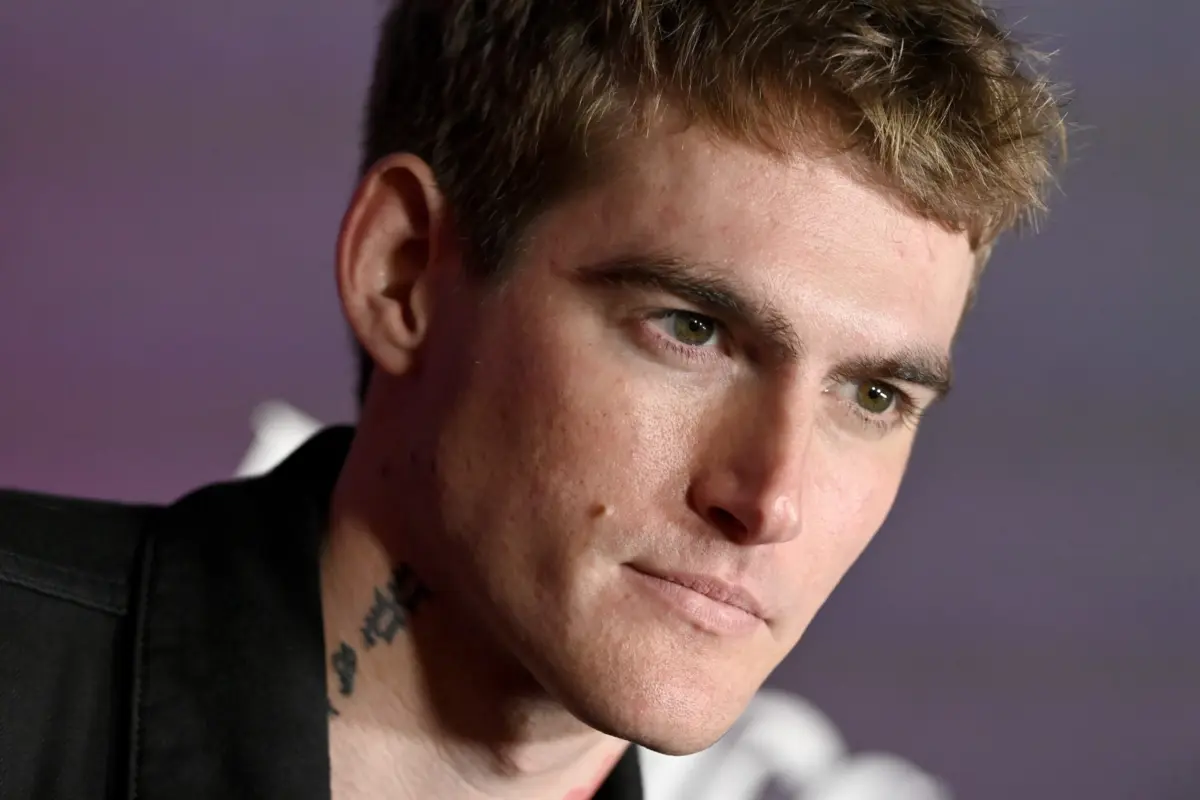
The global fashion community and the entertainment industry were struck by profound grief following the sudden and tragic passing of Presley Gerber, the model, entrepreneur, and prominent mental health advocate, who died on Sunday at a rehabilitation facility in Los Angeles. According to official Los Angeles County Medical Examiner records, Gerber was 27 years old. As the son of iconic supermodel Cindy Crawford and legendary nightlife entrepreneur and model Rande Gerber, Presley grew up in the intense, often unforgiving glare of the international spotlight. Yet, in his brief time, he sought to redefine his legacy not merely through high-fashion campaigns and runway appearances, but through radical transparency concerning his personal demons, substance use disorders, and mental health struggles.
At the time of his passing, an immediate cause of death had not been publicly disclosed, with local authorities and medical examiners pending further investigation and toxicology reports. A representative for the grieving family released a brief, poignant statement to the press: "The family is asking for privacy during this very difficult and painful time."
While Presley’s lineage ensured him a permanent place in pop culture history—appearing alongside his mother in high-profile advertisements and sharing the runway with fashion’s elite—his final years were defined by a courageous, public battle for sobriety. Rather than concealing his vulnerabilities behind the pristine veneer typically demanded of celebrity offspring, Presley chose to use his platform to destigmatize addiction. He spoke candidly about the exhausting realities of recovery, giving a voice to thousands of individuals navigating similar paths. His untimely death has sent shockwaves through the industry, reigniting urgent conversations surrounding the mental health crises plaguing young adults, the immense pressures of growing up in high-profile dynasties, and the complex, often volatile nature of addiction treatment.
Detailed Chronology: From Runway Success to the Path of Recovery
Early Life and the Rise of a Fashion Prodigy
Born July 2, 1999, in Los Angeles, California, Presley Walker Gerber was immersed in the epicenter of fashion and celebrity culture from birth. Alongside his younger sister, Kaia Gerber—who would also achieve international supermodel status—Presley grew up surrounded by legendary photographers, designers, and cultural tastemakers. Despite the privilege of his upbringing, Presley’s entry into the professional world was marked by his own distinct presence and striking, brooding aesthetic.
At just 15 years old, Presley officially launched his professional career when he signed with IMG Models, one of the premier agencies in the world. His introduction to the industry was immediate and high-profile. In 2015, he was photographed alongside his sister Kaia by the legendary Bruce Weber for an editorial spread in CR Fashion Book. This foundational moment signaled that the Gerber siblings were poised to carry the torch of their mother’s monumental modeling legacy.
Throughout the mid-to-late 2010s, Presley’s career steadily accelerated. He starred in major global campaigns, most notably a high-profile 2018 Pepsi advertisement that paid homage to his mother’s iconic 1992 commercial for the brand. He also fronted campaigns for luxury heavyweights like Calvin Klein and made his official runway debut in 2016 at Moschino’s star-studded Los Angeles resort show. With sharp features, classic styling, and an effortless cool, Presley seemed destined for a long-term, dominant presence on international runways.
The Turning Point and Legal Troubles
As is frequently the case with young individuals thrust into high-stress environments, personal complications soon began to intersect with public success. In May 2019, at the age of 19, Presley was arrested in Beverly Hills for driving under the influence (DUI). The incident made immediate headlines across tabloid media, serving as an early public indicator of underlying turbulence.
Following the arrest, Presley faced legal ramifications, ultimately being sentenced to three years of informal probation and ordered to complete a mandatory first-offender alcohol education program. While the DUI conviction was handled within the legal system, it marked a significant pivot in his personal narrative. Observers and insiders close to the family began to recognize that the glamorous exterior masked mounting internal pressures, setting the stage for what would become a prolonged, deeply personal battle with substance abuse.
Advocacy, Relapse, and the Fight for Sobriety
In the years following his legal troubles, Presley made a deliberate choice to shift his public identity. Rather than retreating from the public eye or attempting to sweep his struggles under the rug, he embraced radical honesty. In November 2024, Presley launched a recurring digital series on his Instagram account titled “Mental Health Mondays.”
The initiative was designed to foster unvarnished conversations about topics frequently shrouded in shame. In an accompanying post, he wrote that the series was created "to spark real conversations about the stuff most people hide. It’s been incredible seeing how far that message has spread and how many people it’s helped." Through this digital outreach, Presley connected with a vast community of young people, shedding the untouchable persona often demanded of celebrity descendants and presenting himself as fundamentally human.
By early 2026, Presley’s transparency reached an even deeper level. In March of that year, he shared a visceral, highly vulnerable video on social media captioned "Pre Ibogaine Flood Dose." The post referenced ibogaine, a naturally occurring psychoactive alkaloid derived from the root bark of the West African Tabernanthe iboga shrub, which has gained increasing attention in alternative medicine circles for its purported efficacy in interrupting severe opioid and substance use addictions.
In the candid post, Presley detailed his emotional state prior to undergoing the intensive therapeutic intervention: "Quiet moment before everything changed. I was absolutely terrified, and I knew I would be again if I ever had to face something like this (helps to not go into the situations you do that get ya there but that’s life sometimes.)"
He continued, offering a window into the psychological toll of chronic addiction and the arduous journey of spiritual and mental reclamation: "Letting go of control didn’t come easy, but I trusted there was something bigger than me guiding it. I knew why I was there. I faced what I had been running from, and somewhere in all of it, I started finding my way back to myself…. We shall see…. Praying it’s the last time I have to come back."
Supporting Context & Metrics: The Broader Landscape of Youth Addiction and Alternative Treatments
Presley Gerber’s passing occurs against a sobering backdrop of rising mental health challenges and substance use disorders among young adults globally. According to data from the Substance Abuse and Mental Health Services Administration (SAMHSA) and the Centers for Disease Control and Prevention (CDC), substance use disorders among individuals aged 18 to 29 have seen notable shifts over the past decade, heavily exacerbated by systemic stressors, social media pressures, and the lingering psychological impacts of the post-pandemic era.
The Stigma of Celebrity Addiction
The intersection of fame, generational wealth, and addiction creates a uniquely isolated environment for young adults. Unlike individuals navigating recovery away from the public eye, children of A-list celebrities must endure public scrutiny, tabloid speculation, and digital harassment during their most vulnerable moments.
Sociologists and addiction specialists frequently note that public shaming acts as a primary barrier to successful long-term recovery. When high-profile figures experience a relapse or legal infraction, it is often broadcasted as entertainment rather than treated as a symptom of a chronic, relapsing medical condition. Presley’s choice to document his struggles openly was seen by mental health advocates as a direct counter-offensive against this toxic dynamic.
The Rise of Alternative Therapies: Examining Ibogaine
Presley’s public discussion of his "Ibogaine flood dose" brought significant mainstream attention to a controversial and increasingly sought-after alternative treatment protocol. Ibogaine is classified as a Schedule I controlled substance in the United States, driving many patients to travel to specialized clinics in Mexico, Costa Rica, or parts of Europe where the compound is legally administered.
- Mechanisms of Action: Proponents of ibogaine therapy argue that the psychoactive compound acts as a psychological "reset button," drastically reducing physical withdrawal symptoms and interrupting psychological cravings by resetting neurotransmitter pathways, particularly serotonin and dopamine receptors.
- Risks and Medical Concerns: Despite anecdotal success stories and growing clinical interest, mainstream medical institutions—including the National Institute on Drug Abuse (NIDA)—caution that ibogaine carries severe cardiovascular risks, including dangerous arrhythmias and QT-interval prolongation, which can prove fatal if administered without rigorous cardiac monitoring.
- The Complexity of Recovery: Experts consistently emphasize that psychoactive compounds are not a standalone "cure" for addiction. Rather, medical professionals view them as intensive catalysts that must be followed by comprehensive, long-term behavioral therapy, psychological counseling, and structured aftercare. Presley’s admission that he was praying it would be "the last time I have to come back" underscores the exhausting, non-linear cycle that chronic substance dependency inflicts upon individuals and their support systems.
Official Statements and Family Reactions
The weight of Presley’s journey was shared deeply by his tight-knit family, who maintained a public front of unwavering support throughout his battles with addiction.
Following his vulnerable March Instagram post regarding his ibogaine treatment, both of his parents publicly validated his courage. His father, Rande Gerber, commented: "I’m so proud of you and your courage. Facing what’s hard takes real strength and watching you find your way back to yourself is everything." His mother, Cindy Crawford, echoed this sentiment, writing: "You are a warrior! Walked thru the fire to find yourself! So proud!"
Just weeks prior to his passing, Presley’s sister, Kaia Gerber, provided a deeply moving, unfiltered account of her brother’s health struggles in a landmark interview with Vogue magazine published in September 2026. Discussing what she characterized as a "decade-long struggle with drug addiction," Kaia illuminated the devastating impact chronic substance abuse has on an entire family unit.
"When something like that happens in a family, it kind of levels everyone," Kaia told Vogue.
She praised Presley for his unprecedented willingness to break the generational mold of privacy that typically shields elite families from public scrutiny: "My parents for most of our lives were very, very private and didn’t share anything—and now we have this absolute teacher, my brother, who says, ‘I’m gonna be very human for everyone.’ There’s only so much you can hide from the world. And trying to put a lid on something just makes the person feel like you’re ashamed of them."
These statements highlight a profound shift within the Gerber family dynamic—moving away from the protective, silent enclosure typical of old-school Hollywood and modeling dynasties toward an era of radical, empathetic transparency. Following the news of his death, tributes poured in from across the fashion and entertainment industries, with colleagues, designers, and friends praising Presley’s innate kindness, artistic sensitivity, and his bravery in confronting his darkest moments in the public sphere.
Future Outlook: The Legacy of Presley Gerber
As the Gerber family, friends, and the global fashion community process the immense loss of Presley Gerber, conversations surrounding his legacy are already crystallizing around two distinct pillars: his contributions to the world of fashion and, more importantly, his courageous crusade to normalize mental health and addiction recovery conversations.
Redefining the Narrative Around Celebrity Youth
Presley’s life serves as a stark reminder of the hidden human costs behind glossy magazine covers and curated social media grids. The pressures placed upon the children of celebrities—often expected to seamlessly inherit their parents’ grace, perfection, and marketability—can create a crushing psychological burden. By rejecting the mandate of perfection and openly displaying his scars, Presley carved out a unique space for himself as an advocate. His "Mental Health Mondays" and his unfiltered reflections on treatment will likely serve as enduring reference points for young people navigating similar vulnerabilities.
The Ongoing Battle Against the Addiction Crisis
In the wake of his passing, public health advocates are calling for renewed investments in accessible, evidence-based addiction treatment and a destigmatization of relapse. Experts emphasize that addiction is a chronic medical disease requiring compassionate, long-term multidisciplinary care rather than moral condemnation or tabloid sensationalism.
Presley Gerber is survived by his grieving parents, Cindy Crawford and Rande Gerber, and his sister, Kaia Gerber. While his time in the spotlight was tragically cut short, the profound honesty with which he addressed his struggles ensures that his impact will extend far beyond the runways he once walked. In dismantling the walls of celebrity silence, Presley offered a lasting gift to the public: permission to be imperfect, human, and resilient in the face of insurmountable odds.