By Shane Snider | Senior News Writer, Data Center Knowledge
August 17, 2026
Executive Overview
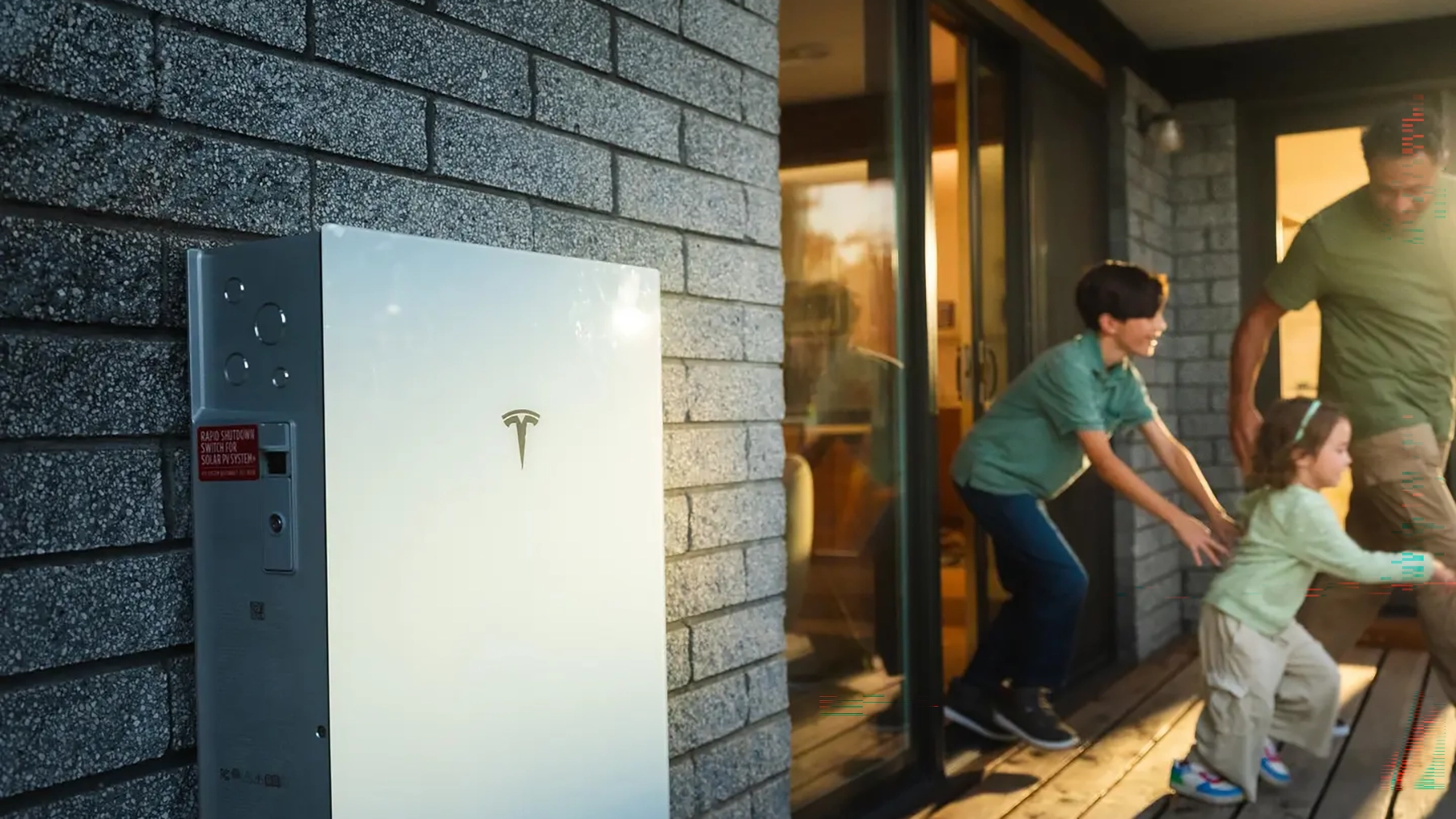
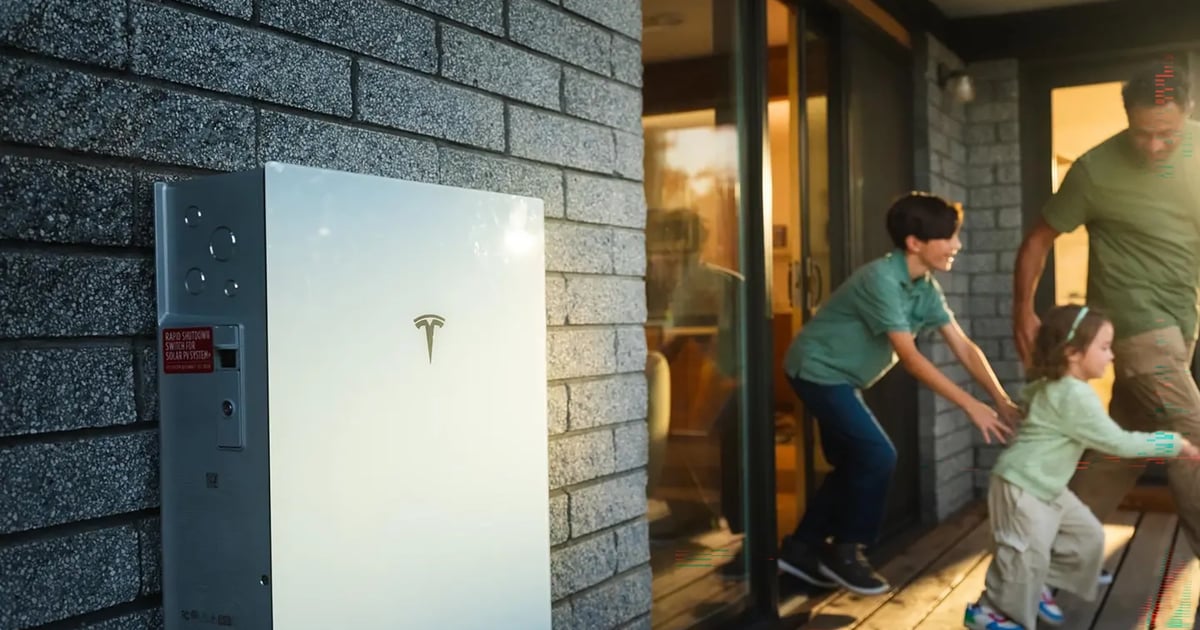
As the explosive growth of artificial intelligence (AI) and cloud computing strains power grids across the United States, major technology companies—known as hyperscalers—are increasingly looking outside traditional utility models to secure electricity. In a strategic development reflecting this paradigm shift, residential solar and energy storage giant Sunrun has announced a major agreement to supply Voltus with capacity from thousands of residential solar-plus-storage systems.
Under the partnership, finalized on August 17, 2026, Sunrun will funnel localized clean energy capacity directly into Voltus’s innovative "Bring Your Own Capacity" (BYOC) programs. These programs are specifically designed to feed firm, flexible energy resources to AI hyperscale data centers operating within the PJM Interconnection and Midcontinent Independent System Operator (MISO) grid territories.
While the exact capacity metrics, number of participating households, and specific tech giants tied to the underlying infrastructure projects remain undisclosed, the alliance highlights a rapidly evolving energy procurement landscape. Hyperscalers are no longer treating distributed energy resources (DERs) as mere incidental utility offsets; instead, they are actively funding and integrating virtual power plants (VPPs) into their core procurement stack.
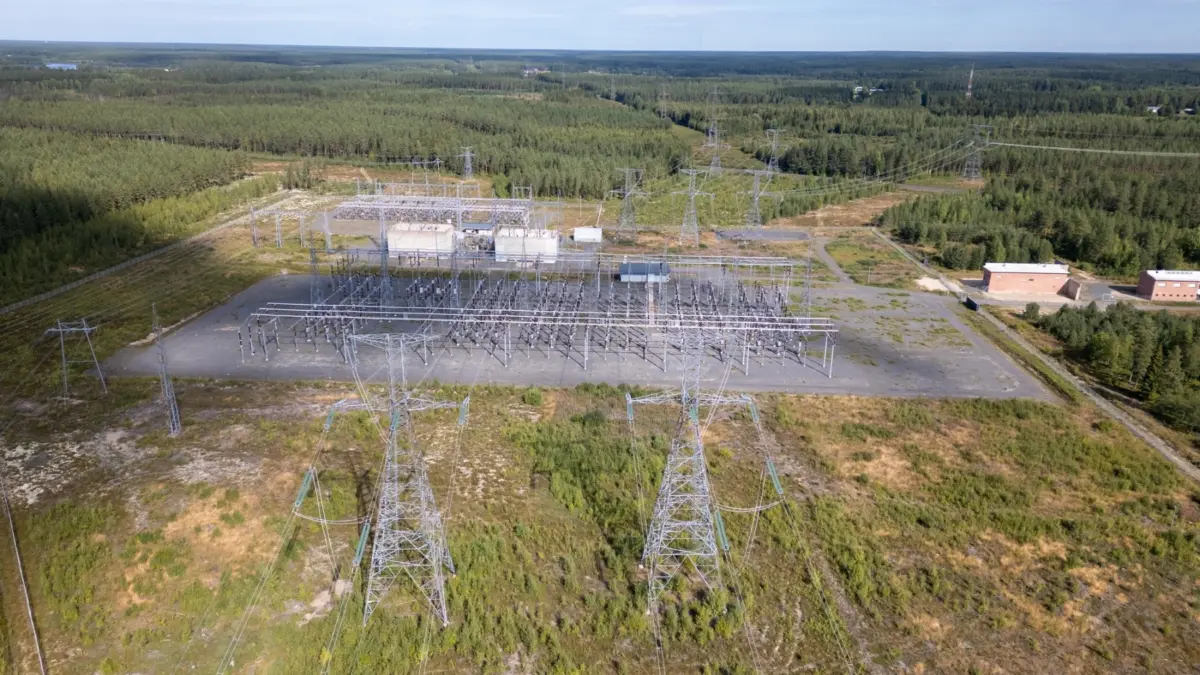
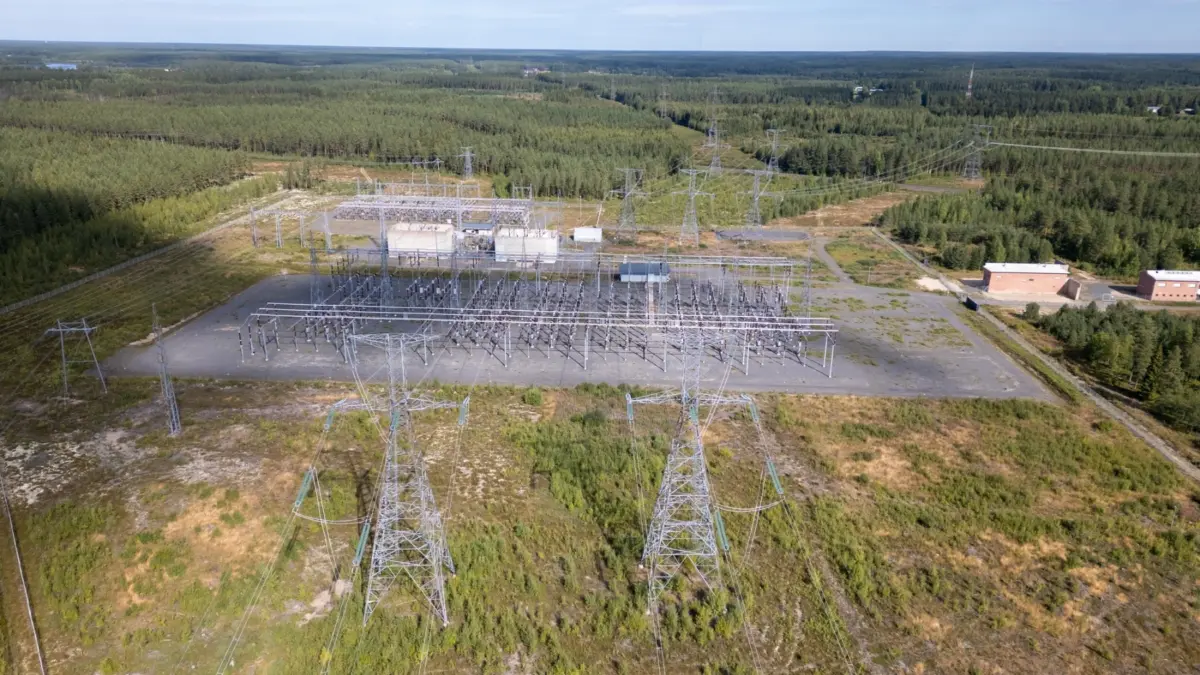
However, industry experts urge caution. While VPPs offer a powerful mechanism to clear market-level resource adequacy hurdles, energy analysts emphasize a critical operational reality: capacity is not deliverability. Without direct alignment with local transmission and substation infrastructure, distributed batteries hundreds of miles away cannot magically resolve the physical interconnection bottlenecks choking modern AI data center campuses.
Detailed Chronology: The Evolution of the VPP-Hyperscaler Nexus
The convergence of distributed residential assets and hyperscale data center energy demands represents one of the fastest-moving trends in modern utility infrastructure.
The Strategic Blueprint (June 2026)
The groundwork for this announcement was laid earlier this summer when Voltus established a major precedent by securing a landmark agreement with Google. Under that June arrangement, Voltus committed to aggregating up to 100 megawatts (MW) of accredited distributed capacity annually across the PJM footprint for a three-year term. Funded directly by Google, that virtual power plant model proved that big tech could successfully harness portfolios of residential batteries, smart thermostats, and other flexible assets to satisfy regional grid obligations.
The Sunrun-Voltus Partnership (August 17, 2026)
Building directly on the Google blueprint, Sunrun and Voltus formalized their broader regional agreement. By integrating Sunrun’s expansive network of residential solar-plus-storage arrays into the BYOC ecosystem, Voltus significantly broadens its operational pool across the two largest and most strategically vital grid regions in the central and eastern United States.
The announcement follows a series of aggressive moves by residential solar leaders to capture enterprise-scale capital. Notably, in a separate June initiative, Sunrun announced a massive collaborative effort alongside Renew Home and Tesla to deliver more than 16 gigawatts (GW) of flexible energy capacity to utilities and hyperscalers alike. While distinct from the Voltus agreement, these cascading announcements paint a clear picture: residential rooftop batteries are rapidly being institutionalized as industrial-grade grid assets.
Supporting Context & Metrics: Navigating the Grid Landscape
To understand the weight of the Sunrun-Voltus pact, one must examine the geographic and regulatory scale of the grid operators involved.
The PJM and MISO Supergrids
- PJM Interconnection: Serving all or parts of 13 states and the District of Columbia, PJM is the largest wholesale electricity market and grid operator in the United States. It forms the backbone of the booming "Data Center Alley" corridor in Northern Virginia and surrounding mid-Atlantic markets, where AI cluster demands have triggered unprecedented capacity auction clearing prices and multi-year interconnection delays.
- MISO (Midcontinent Independent System Operator): Spanning a massive geographic footprint from the Gulf of Mexico to the Canadian border across central North America, MISO manages critical power flows for millions of customers. Like PJM, MISO is grappling with an influx of massive industrial loads seeking fast-track power availability.
Capacity vs. Deliverability: The Technical Caveat
Despite the enthusiasm surrounding virtual power plants, veteran energy market observers emphasize the crucial gap between financial capacity and physical grid engineering.
"The important distinction is between installed battery nameplate and accredited capacity," notes Neil Osnato, founder of the Persistence Analytics Group.
Osnato explains that while residential batteries can be successfully aggregated into dispatchable market resources, their actual capacity value depends strictly on rigorous market rules and the dependable output the aggregation can commit during peak stress events.
Furthermore, Osnato highlights the geographical disconnect that often plagues distributed portfolios:
"If the purpose is purely to establish an aggregate capacity obligation at the market level, the geographic relationship may be broader. But if someone is claiming that the VPP also relieves the infrastructure constraint preventing a specific data center from connecting, location becomes much more consequential. A battery located hundreds of miles from a data center could contribute to regional resource adequacy while doing little to address a local transformer, substation, transmission interface, or voltage constraint serving the facility."
Echoing these regulatory and infrastructural nuances, Rob Gramlich, founder and president of Grid Strategies, points out that policy frameworks are still struggling to catch up with market innovations.
"Yes, distributed resources can enable speed-to-power as long as the state and federal market rules are aligned to enable it," Gramlich stated. He noted that while states like New Jersey have recently passed progressive legislation incentivizing large industrial loads to bring their own generation to the table, transmission access remains rigidly bifurcated under independent grid operator rules.
Official Statements & Industry Perspectives
The structural shift toward enterprise-funded VPPs has prompted commentary from top executives across the energy and tech sectors.
Highlighting the existential race to power next-generation digital infrastructure, Sunrun CEO Mary Powell emphasized the necessity of extracting maximum efficiency from existing energy assets:
"Meeting growing energy demand requires us to maximize every single electron available across the country," Powell said in an official statement. "In collaboration with Voltus, we are providing critical capacity from home batteries supported by funding from hyperscalers."
Industry analysts point out that this framework marks a fundamental evolution in corporate power procurement. Historically, residential demand-response programs were treated as minor load-shedding tools managed by local public utilities to prevent rolling blackouts during summer heatwaves. Today, hyperscalers are leveraging private capital to build out dedicated, flexible resource stacks that actively bypass traditional utility red tape.
However, caution remains the watchword among engineering consultants. As Osnato bluntly summarized: "Capacity is not deliverability." While aggregated residential batteries can successfully defer utility-scale capital expenditures and satisfy resource adequacy metrics, they cannot physically construct missing transmission lines, upgrade overloaded substation transformers, or single-handedly solve local voltage stability issues.
Future Outlook: The Road Ahead for AI and Grid Integration
As the AI infrastructure arms race accelerates through the late 2020s, the intersection of residential storage and hyperscale data centers will likely redefine the American energy economy.
Several critical trends will dictate the success or failure of models like the Sunrun-Voltus BYOC program:
- Regulatory Harmonization: Federal and state regulators must continue adapting market rules to recognize the true capacity value of distributed assets. Programs that streamline the accreditation of home batteries will determine how rapidly VPPs can scale.
- State-Level Legislative Push: Following New Jersey’s legislative lead, more states within the PJM and MISO footprints are expected to introduce frameworks that mandate or encourage large power users—such as data center operators—to co-locate or independently finance flexible generation assets.
- The Limits of Decentralization: While VPPs will unquestionably play a vital role in balancing regional loads against the voracious energy appetite of AI compute factories, they cannot substitute for fundamental grid expansion. True long-term stability will require a dual-track approach: aggressive deployment of localized flexibility alongside massive investments in high-voltage transmission and substation infrastructure.
For now, the Sunrun-Voltus alliance stands as a pioneering blueprint for how distributed residential tech can be mobilized to keep the servers of the artificial intelligence revolution humming—even as the grid strains to keep pace.