








By Diego Nicolás Argüello
Contributing Editor, News
Executive Overview
Nintendo’s fiscal health for the first quarter ending June 30, 2026, presents a complex narrative of resilient software demand set against a backdrop of declining hardware uptake. According to the company’s latest financial report, the Nintendo Switch 2 moved 3.82 million units during the quarter—a notable 34.4 percent decrease compared to the 5.82 million units sold during the same period last year, which benefited heavily from launch-window momentum.
This downturn in hardware distribution directly impacted Nintendo’s top-line figures. Sales revenue across the company’s dedicated video game platform business contracted by 13.1 percent year-on-year, dropping to 483 billion yen. Yet, despite the softening hardware market and a tumultuous macroeconomic landscape defined by component shortages and recent global price hikes, Nintendo has chosen to hold the line on its forward-looking projections.
The Japanese gaming giant maintains its consolidated financial forecast, expecting to sell 16.5 million Switch 2 units by the close of the fiscal year on March 30, 2027. If realized, this target would represent a 16.9 percent decline from the 19.86 million units sold throughout fiscal year 2026. Behind these raw shipment numbers lies a multifaceted corporate reality involving surging software sales, international supply chain volatility, controversial global price increases, and a high-stakes class-action lawsuit concerning import tariffs.
Detailed Chronology: Navigating an Eventful Quarter
To fully understand Nintendo’s current financial footing, one must examine the chain of events that has defined the company’s operations over the past several months. The first quarter of fiscal year 2026 did not occur in a vacuum; it was preceded by strategic policy adjustments and legal confrontations that continue to cast a long shadow over the corporate boardroom.
Spring 2026: The Tariff Controversy and Price Adjustments
The friction began early in the spring when consumer advocacy met corporate policy. In April 2026, disgruntled consumers initiated legal action against Nintendo. The core of the complaint alleged that the company had unfairly benefited from import tariffs imposed by the United States government. According to the plaintiffs, Nintendo preemptively passed the financial burden of these tariffs onto consumers via localized price hikes before eventually securing a substantial government refund.
By May 2026, Nintendo compounded these consumer relations hurdles by formally announcing a widespread global price increase for the Switch 2. Company leadership attributed the adjustment to external macroeconomic pressures—specifically citing regional conflicts, such as the war on Iran, and an ongoing, artificial intelligence-driven memory chip crisis that drastically inflated component acquisition costs.
Nintendo President Shuntaro Furukawa defended the price hike as a necessary measure to preserve a "healthy earnings structure" for the company. However, Furukawa openly conceded that raising the cost of entry for the hardware would inherently create a financial barrier for a segment of prospective consumers.
June to July 2026: Legal Pushback and Q1 Reporting
As the fiscal quarter drew to a close on June 30, 2026, Nintendo’s legal team moved to dismantle the consumer class-action lawsuit. In July, Nintendo officially requested the dismissal of the proposed suit. The defense argued that consumers "received exactly what they bargained and paid for" at the point of purchase, asserting that buyers are "not entitled to a rebate simply because of intervening legal developments related to tariffs."
Concurrently, Nintendo acknowledged in its financial disclosures the receipt of a $300 million tariff refund from the U.S. government. However, the company pushed back against the narrative that consumers funded those tariffs, maintaining that the costs associated with the refunded duties were "primarily borne by the company rather than passed on to consumers through product prices." It was against this backdrop of courtroom maneuvering and pricing strategy fallout that the Q1 fiscal results were compiled and published.
Supporting Context & Metrics: Hardware Slumps and Software Surges
A granular look at Nintendo’s Q1 financial report reveals a stark divergence between hardware momentum and software engagement. While the hardware bottleneck remains a primary concern for analysts, software sales continue to demonstrate the enduring strength of Nintendo’s intellectual property ecosystem.
Hardware Performance Breakdown
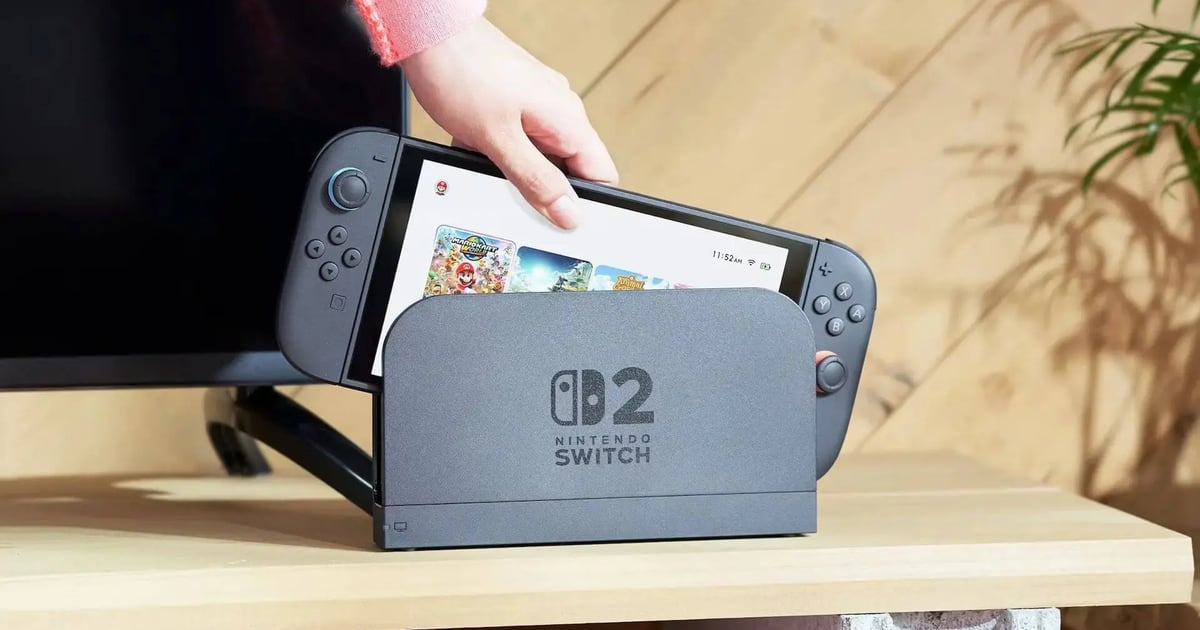
- Q1 FY27 Switch 2 Sales: 3.82 million units
- Q1 FY26 Switch 2 Sales: 5.82 million units
- Year-on-Year Change: -34.4 percent
- Dedicated Platform Revenue: 483 billion yen (-13.1 percent year-on-year)
The 34.4 percent drop in hardware distribution is largely attributable to the inevitable cooling off after the Switch 2’s blockbuster launch window in the previous fiscal year. Nintendo addressed this in its report, noting, "Although Nintendo Switch 2 sales volume declined compared to the same quarter when it launched last fiscal year, many consumers continued to adopt the system, encouraged by the release of new titles and other factors."
Software Metrics and Ecosystem Growth
Paradoxically, while fewer consoles were flying off retail shelves, software engagement experienced a robust upswing across both current and legacy generations of hardware:
- Nintendo Switch 2 Software Sales: 9.46 million units sold in Q1 (a 9.2 percent increase year-on-year).
- Original Nintendo Switch Software Sales: 33.81 million units sold in Q1 (a staggering 33.6 percent surge year-on-year).
This remarkable longevity of the original Nintendo Switch library highlights a massive, highly active installed base that continues to purchase games at high volumes, cushioning the company against short-term hardware deceleration.
Standout Software Releases
Nintendo highlighted two major titles driving software engagement during the quarter:
- Tomodachi Life: Living the Dream: Shipped an impressive 7.94 million units. Notably, this title is cross-generational, remaining playable across all existing Nintendo Switch hardware iterations, which significantly expanded its addressable market.
- Pokémon Pokopia: Moved 1.27 million units. Unlike Tomodachi Life, Pokopia launched as a dedicated Switch 2 exclusive, acting as an early software catalyst to drive system adoption among franchise loyalists.
Official Statements and Corporate Strategy
Nintendo’s official communications strike a calculated balance between pragmatic realism regarding market conditions and unwavering optimism regarding their long-term ecosystem strategy.
When addressing the year-over-year revenue decline—which saw dedicated platform earnings fall by 13.1 percent to 483 billion yen—executive leadership repeatedly pointed to the semiconductor and component shortages as the primary structural hurdle. The artificial intelligence boom has placed unprecedented demand on global memory production lines, driving up the baseline cost of silicon and specialty components required to manufacture modern gaming hardware.
Furthermore, President Shuntaro Furukawa’s previous admissions regarding the global price hikes indicate that Nintendo is prioritizing long-term margin protection over aggressive volume chasing. By keeping the annual fiscal shipment forecast steady at 16.5 million units, Nintendo is signaling to investors that it expects the holiday shopping season and upcoming software pipelines to normalize demand, even in the face of increased consumer acquisition costs.
Regarding the ongoing legal battles over the U.S. tariff refunds, Nintendo’s official stance remains legally rigid. By maintaining that the $300 million refund offset internal corporate absorbed costs rather than consumer-funded surcharges, Nintendo aims to protect itself from multi-million-dollar payout liabilities while neutralizing reputational damage among its core consumer base.
Future Outlook: The Road to March 2027
As Nintendo navigates the remainder of fiscal year 2027, the company faces a delicate balancing act. The overarching objective is clear: achieve the targeted 16.5 million hardware sales milestone while managing the fallout of higher price points and navigating complex international trade regulations.
Several key factors will dictate whether Nintendo achieves its annual forecast:
- Component Cost Stabilization: The trajectory of the AI-fueled memory crisis will heavily influence hardware production margins. If component costs stabilize or decrease, Nintendo will find greater flexibility in regional pricing strategies or promotional bundles.
- Holiday Software Lineup: Sustaining the momentum of software sales—which saw original Switch titles spike by over 33 percent—will be critical. Nintendo will need to lean heavily on upcoming tentpole releases to incentivize holdouts on the original Switch to finally make the hardware jump to the Switch 2.
- Legal Resolution: The ultimate disposition of the class-action tariff lawsuit will also play a role in corporate governance and investor confidence. A favorable dismissal would clear Nintendo of financial liabilities tied to the import duties, allowing the company to fully internalize the fiscal benefits of the $300 million rebate.
Ultimately, while the 34.4 percent hardware dip in Q1 underscores the formidable challenges of post-launch normalization and macroeconomic pressure, Nintendo’s entrenched intellectual property portfolio and resilient software attach rates suggest the company remains well-equipped to weather the storm through the close of March 2027.