Executive Overview
As the fourth quarter reaches its critical holiday crescendo, ecommerce content marketers face a perennial challenge: breaking through the deafening noise of seasonal promotional campaigns. In an era dominated by algorithmic search engines, generative AI product discovery, and saturated inboxes, conventional listicles and generic holiday gift guides are no longer enough to capture consumer attention. To truly attract, engage, and retain shoppers, brands must pivot toward high-utility, entertaining, and narrative-driven content.
November 2026 offers a uniquely rich calendar of cultural milestones, anniversaries, and thematic hooks that savvy digital marketers can leverage. From the centennial celebration of America’s most iconic highway to the intersection of everyday consumer goods and fundamental science, this month provides fertile ground for differentiated storytelling. Furthermore, major historic retrospectives—such as a 50-year lookback at 1976 and the commemoration of World Television Day—allow brands to contextualize their modern catalogs through the lens of cultural evolution. Finally, by flipping the script on traditional holiday promotions with the "Anti-Gift Guide," merchants can build unprecedented trust through radical transparency.
This report provides an in-depth strategic blueprint for ecommerce content marketers aiming to maximize engagement, optimize for generative AI discovery, and drive sustainable revenue during November 2026.
Detailed Chronology: Key Historical Milestones Shaping November 2026
To craft resonant, historically grounded campaigns, content marketers must understand the historical milestones anchoring the month of November 2026. Each date offers a direct link between past cultural phenomena and contemporary consumer products.
November 8 & 10: International STEM Day and World Science Day
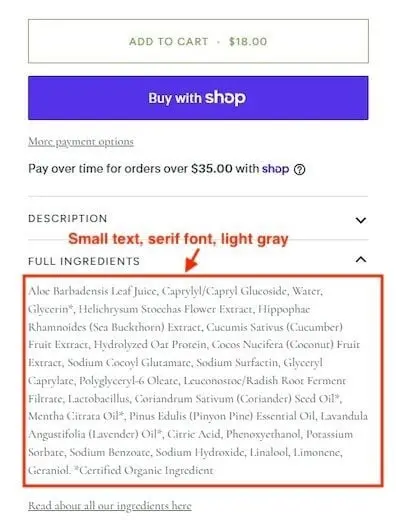
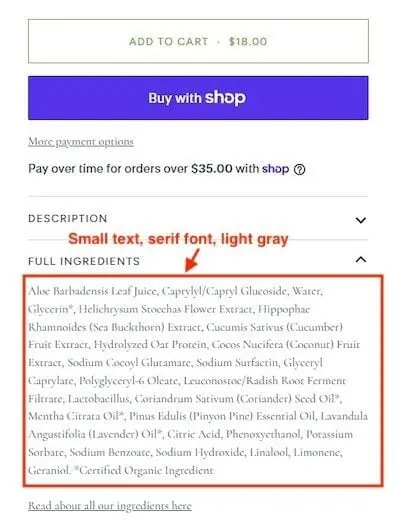
Bridging the gap between empirical research and everyday consumerism, International STEM Day (November 8) followed immediately by World Science Day for Peace and Development (November 10) establishes a multi-day global window dedicated to celebrating science, technology, engineering, and mathematics. For digital brands, this window provides an authoritative platform to demystify the material science, physics, and chemistry embedded in ordinary products—from cast-iron skillets to technical outerwear.
November 11, 1926: The Birth of Route 66
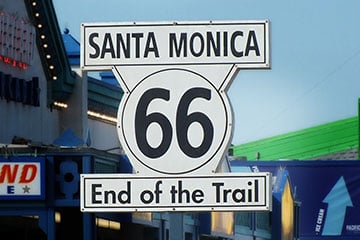
One hundred years ago, on November 11, 1926, the official designation of Route 66 was born. Formed from a patchwork of existing state and local roads, this legendary 2,400-mile corridor stretching from Chicago to Santa Monica, California, transformed the American landscape. Though not fully paved until 1938, the highway birthed an entirely new commercial ecosystem: motels, roadside diners, filling stations, and regional attractions. Marking its centennial in November 2026, Route 66 serves as a powerful thematic vehicle for lifestyle, automotive, apparel, and travel retailers.
The Year 1976: A 50-Year Retrospective
Looking back precisely half a century brings ecommerce brands to the culturally distinct and visually bold landscape of 1976. Characterized by the birth of Apple Computer, massive shifts in consumer electronics, disco culture, groundbreaking fashion statements, and distinct interior design aesthetics, 1976 provides an ideal baseline for comparative storytelling. By analyzing how tastes, technologies, and consumer expectations have transformed over the last 50 years, brands can authentically position their current offerings within a broader historical continuum.
November 21, 1996: The First World Television Forum
Marking the three-decade anniversary of a pivotal media milestone, November 21 and 22, 1996, saw the United Nations host its inaugural World Television Forum. This gathering united international broadcasters, policymakers, and media experts to examine television’s profound influence on globalization and public discourse. Shortly thereafter, the UN General Assembly formally designated November 21 as World Television Day. For ecommerce marketers, this anniversary unlocks endless possibilities to explore how television has historically shaped—and continues to drive—consumer trends in fashion, home decor, toys, and popular culture.

Supporting Context & Metrics: The Science of Content in the AI Era
Content marketing is fundamentally defined as the strategic act of creating, publishing, and promoting valuable, relevant content to attract and retain a clearly defined audience. However, the operational environment for content marketers has shifted dramatically. With the proliferation of generative AI engines acting as intermediaries between brands and consumers, the criteria for "good" content have evolved.
The Generative AI Discovery Imperative
Modern consumers increasingly rely on conversational AI platforms for product research and recommendations. Generative AI models do not merely scan for keyword density; they evaluate content for contextual depth, unique perspectives, and factual nuance.
- Contextual Fit: AI platforms favor content that answers complex, niche questions rather than broad, top-of-funnel queries. Articles that explore why an espresso machine suits a specific lifestyle or how a cast-iron skillet retains thermal energy provide generative models with structured, highly relevant parameters to match user intent.
- Search Differentiation: Traditional search engine results pages (SERPs) are routinely flooded with homogenized, AI-generated listicles. Brands that invest in original reporting, historical retrospectives, and contrarian buying guides create unique data signatures that stand out to both human readers and algorithmic crawlers.
Consumer Behavior and Cognitive Load in Q4
According to retail analytics data, consumer cognitive fatigue peaks during November as shoppers are bombarded by thousands of competing advertisements, flash sales, and generic gift guides.
- The Trust Deficit: Modern buyers—particularly Millennials and Gen Z—exhibit high skepticism toward promotional superlatives ("best gifts," "ultimate deals").
- The Utility Premium: Content that reduces decision fatigue by offering genuine transparency, educational value, or humorous counter-programming consistently outperforms standard promotional copy in terms of time-on-site, email open rates, and conversion longevity.
Official Industry Perspectives and Strategic Insights
Industry leaders and content strategists emphasize that the future of ecommerce storytelling lies in authenticity, depth, and cross-disciplinary inspiration.

Bridging Heritage and Modernity
Commenting on the strategic value of milestone anniversaries, digital brand strategists note that consumers are naturally drawn to narratives of endurance and change. Whether examining the 100-year legacy of Route 66 or a 50-year retrospective of 1976, heritage storytelling grounds digital commerce in tangible human history.
"When brands tie their current catalog to historical centennials or half-century milestones, they stop selling commodities and start selling a piece of a shared cultural narrative," explains a leading retail brand consultant. "It transforms a transactional relationship into an emotional alignment."
The Power of Educational Transparency
The intersection of commerce and science—highlighted by International STEM Day and World Science Day—underscores a growing consumer desire for radical product transparency. Modern shoppers want to know the why behind their purchases. When an outdoor apparel brand details the chemistry of a hydrophobic membrane, or a kitchenware merchant explains the metallurgy of carbon steel versus cast iron, they elevate consumer literacy. This educational approach builds undeniable brand authority and directly addresses consumer objections regarding product quality and value.
Future Outlook: Five Execution Playbooks for November 2026
To capitalize on these insights, ecommerce businesses should deploy five specialized content marketing playbooks tailored for November 2026.

+-----------------------------------------------------------------------------------+
|                         NOVEMBER 2026 CONTENT PLAYBOOKS                           |
+--------------------------+--------------------------------------------------------+
| 1. Route 66 Centennial   | Connect regional history, road-trip culture, and       |
|                          | travel gear to modern ecommerce product lines.         |
+--------------------------+--------------------------------------------------------+
| 2. STEM & Science Focus  | Demystify everyday products by explaining the physics  |
|                          | and chemistry behind common household items.           |
+--------------------------+--------------------------------------------------------+
| 3. 50-Year Retrospective | Compare 1976 aesthetics, technology, and lifestyles    |
|                          | with modern equivalents to showcase evolution.         |
+--------------------------+--------------------------------------------------------+
| 4. World Television Day  | Explore how iconic television shows and eras have      |
|                          | historically influenced fashion, toys, and home decor. |
+--------------------------+--------------------------------------------------------+
| 5. The Anti-Gift Guide   | Publish contrarian buying advice focused on product    |
|                          | fit rather than aggressive holiday sales pushes.       |
+--------------------------+--------------------------------------------------------+
1. The Route 66 Centennial Playbook: Mapping Commerce to Culture
As the "Main Street of America" marks its 100th anniversary on November 11, 2026, brands across diverse verticals have an opportunity to tap into the enduring romance of the open road.
- Execution Strategy: Apparel retailers can release capsule collections inspired by mid-century roadside culture. Travel gear and outdoor brands can publish comprehensive itineraries of surviving Route 66 landmarks paired with essential gear roundups.
- Content Formats: Interactive digital maps, long-form photo essays featuring vintage neon signage, and multi-part blog series exploring the economic history of the highway.
2. The Science of Everyday Goods: Capitalizing on STEM Days
Leveraging International STEM Day (Nov. 8) and World Science Day (Nov. 10), brands can transform routine product pages into masterclasses in material science.
- Execution Strategy: Select foundational products from your catalog—such as running shoes, espresso beans, rain jackets, or cast-iron pans—and break down the engineering principles that make them effective. Answer specific consumer questions: Why does grind size alter coffee extraction? How do waterproof breathable membranes manage thermodynamic vapor transfer?
- Content Formats: Explainer videos featuring microscopic product shots, infographics detailing thermal conductivity, and deep-dive technical articles written in accessible, engaging language.
3. The 1976 Retrospective: A Half-Century Lookback
A 50-year retrospective provides an ideal framework for examining how consumer tastes and technologies have evolved since 1976.
- Execution Strategy: Curate side-by-side comparisons of 1976 technology, fashion, or kitchen appliances alongside their 2026 iterations. Fashion brands can analyze the resurgence of retro silhouettes; electronics stores can juxtapose vintage computing or audio gear with sleek modern equivalents.
- Content Formats: "Then and Now" photo galleries, nostalgic video reviews, and interviews with longtime industry veterans or artisan craftspeople who remember the design ethos of the 1970s.
4. World Television Day: Decoding Cultural Influence
Commemorating the legacy of the World Television Forum on November 21 offers a unique entry point for brands whose products have been shaped by the silver screen.
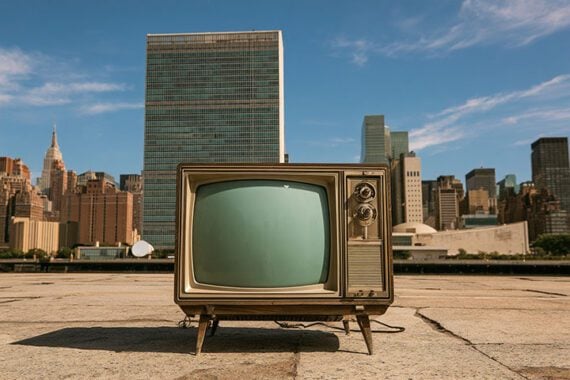
- Execution Strategy: Examine how iconic television eras have dictated trends in home interior design, automotive desires, children’s toys, and fashion. Create curated guides highlighting products inspired by legendary television milestones.
- Content Formats: Cultural commentary articles, throwback style guides, and social media carousels exploring television’s most memorable product placements and aesthetic movements.
5. The Anti-Gift Guide: Championing Product-Fit Over Promotion
In a sea of uniform holiday gift guides, the "Anti-Gift Guide" offers a refreshing, contrarian approach that prioritizes consumer satisfaction and honesty.
- Execution Strategy: Instead of publishing generic roundups like "10 Best Gifts for Coffee Lovers," publish hyper-specific, cautionary guides such as "Why You Should Not Buy Your In-Laws an Espresso Machine." Detail the exact learning curve, counter-space requirements, maintenance routines, and daily habits necessary to truly enjoy a complex product.
- Content Formats: Candid review essays, buyer persona matching quizzes, and transparent pros-and-cons breakdowns designed to steer inappropriate buyers away while cementing fierce loyalty among the right customers.
Conclusion
November 2026 presents ecommerce content marketers with a distinct strategic choice: blend into the background noise of generic holiday discounting, or stand out through intelligent, culturally resonant storytelling. By embracing the centennial of Route 66, demystifying the science behind everyday goods, reflecting on 50 years of change since 1976, exploring the cultural footprint of television, and championing radical honesty through anti-gift guides, brands can build lasting consumer trust. In an era shaped by generative AI and fatigued by digital saturation, utility, authenticity, and narrative depth remain the ultimate conversion drivers.