Executive Overview
Japanese media conglomerate Kadokawa Corporation has long maintained a reputation for its aggressive enforcement of intellectual property rights. From targeting independent creators who post unauthorized manga scans to going after creators of reaction and recap videos on YouTube, the publishing giant leaves little room for ambiguity regarding its copyright stance.
In a recent legal escalation with global implications for the creator economy, Kadokawa set its sights on three major South Korean YouTube creators. Together, these channels command nearly 1.4 million collective subscribers and generate millions of views by producing narrative recaps, analytical breakdowns, and commentary centered on popular anime titles.
Seeking to unmask the real identities behind these channels, Kadokawa filed a Digital Millennium Copyright Act (DMCA) subpoena in a U.S. federal court earlier this year. While such subpoenas are frequently treated as administrative formalities requiring little more than a clerk’s signature, this case quickly devolved into a fiercely contested legal battle.
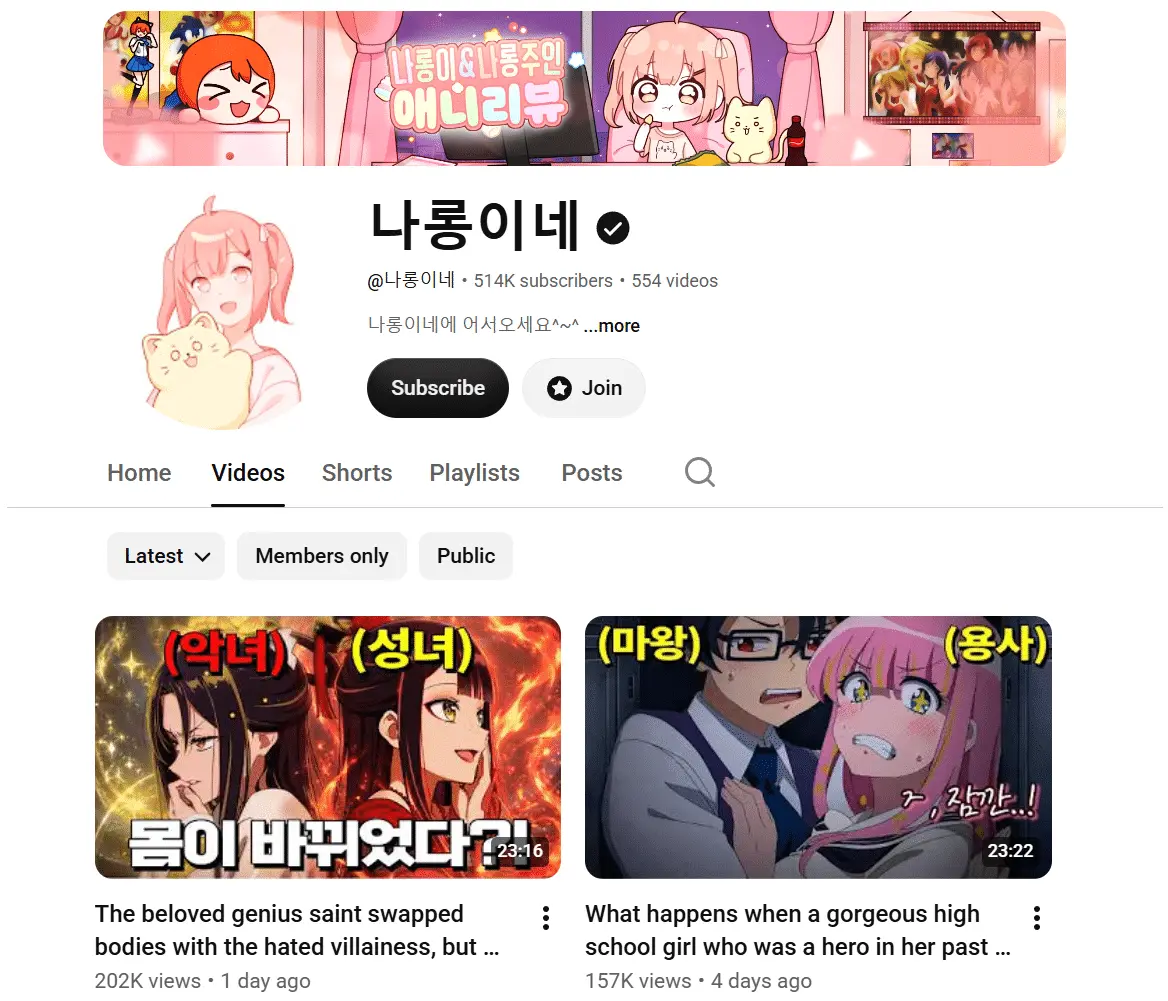
Three targeted creators—Bongseop Kim, Woohyuk Yang, and Youngyoon Ko—chose to fight back, filing a motion to quash the subpoena. They argued that their channels did not constitute digital piracy, but rather fell under the protective umbrella of fair use, serving as transformative commentary while actively driving paying traffic to licensed streaming services.
However, in a pivotal July ruling, U.S. District Judge Trina L. Thompson sided with Kadokawa, dealing a blow to the popular "anime recap and narration" genre. Refusing to let the matter rest, the YouTubers have since escalated the dispute to the Ninth Circuit Court of Appeals. This high-stakes legal clash highlights an escalating global war over fair use, transformation, and how copyright law applies to modern digital commentary formats.
Detailed Chronology of a Cross-Border Copyright Battle
Phase 1: The Initial Subpoena and the Pushback
In January, Kadokawa Corporation utilized Section 512(h) of the DMCA to compel YouTube’s parent company, Google, to hand over the personally identifiable information of three prominent Korean-language creators: Bongseop Kim, Woohyuk Yang, and Youngyoon Ko.
Under standard DMCA protocol, copyright holders can request a subpoena directly from a court clerk without needing to file a formal copyright infringement lawsuit first. The intended goal is usually to identify infringers for direct settlement demands, cease-and-desist notices, or eventual litigation.
However, the three YouTubers mobilized legal defense teams to fight the subpoena before YouTube could hand over their credentials. They filed a Motion to Quash, arguing that the court lacked proper grounds to expose their identities because their video content was not pirated material, but rather legally protected commentary and review.
Phase 2: A Procedural Curveball and Supplemental Briefing
In April, the case veered away from standard DMCA procedure. U.S. District Judge Trina L. Thompson ordered both parties to submit supplemental briefings specifically addressing the complex nuances of fair use. This move caught legal observers by surprise, as DMCA subpoena proceedings rarely delve deeply into substantive copyright defenses prior to the filing of a formal infringement lawsuit.

Seizing the opportunity, the creators submitted detailed defenses explaining how their videos incorporated only minor snippets of copyrighted works alongside heavy doses of original creative effort. Bongseop Kim, for instance, noted that his video analyzing episode 4 of A Ninja and an Assassin Under One Roof utilized only about 15 percent of the underlying material.
Kadokawa’s legal counsel countered by pointing out procedural errors in the creators’ filings. They highlighted that two of the three contested videos had already been made private or removed, leaving only a skeletal record for the court to evaluate. Furthermore, Kadokawa’s attorneys pulled no punches regarding the quality of the creators’ pro se arguments, dismissing a portion of their defense as reading "like an AI hallucination, because it is wholly unsupported by the statute or case law."
Phase 3: The July 17 Ruling and Court Logic
On July 17, Judge Thompson issued a definitive order denying the motion to quash. The court found the evidentiary record "sparse"—largely due to the removal of the videos—and concluded that the channels’ outputs leaned heavily toward summarizing and narrating the plot rather than engaging in transformative critique, parody, or structural alteration.
Quoting the court’s stance:
"Unlike criticizing, parodying, or otherwise altering copyrighted work, Movants’ treatment of Petitioner’s work is not the sort of creative and transformative use of a copyrighted work that the law permits."
Judge Thompson also leaned on precedent established earlier in the year within the same court—specifically Barnes v. YouTube (February)—which denied fair use protections to a channel that narrated chapters of copyrighted books.
Regarding market impact, the court held that even if a creator’s video does not actively cannibalize sales or directly compete with the original material, a copyright owner’s exclusive right to reproduce and adapt their work remains paramount. Consequently, the scale of reproduction weighed heavily against a finding of fair use at this stage.
Phase 4: Current Status and Ninth Circuit Appeal
Rather than conceding defeat, Bongseop Kim, Woohyuk Yang, and Youngyoon Ko filed a formal notice of appeal with the Ninth Circuit Court of Appeals. Simultaneously, they filed a motion seeking to stay the enforcement of the subpoena—meaning they want to block YouTube from releasing their personal details while the appellate court reviews the lower court’s decision. As of now, that motion remains pending.
Supporting Context & Metrics
To fully understand why these creators are fighting so aggressively, one must examine the scale of their operations and the commercial mechanics of the anime recap ecosystem.

These channels are substantial digital enterprises rather than fly-by-night piracy rings. They invest significant time, labor, and creative resources into scripting, editing, and packaging their videos.
| Creator (Channel) | Subscriber Count | Targeted Anime Title | Content Format & Production Style |
|---|---|---|---|
| Bongseop Kim | ~500,000+ | A Ninja and an Assassin Under One Roof | Utilized an original mascot character ("Narong") featuring Text-to-Speech (TTS) dialogue and custom scripts. Used roughly 15% of the source episode. |
| Woohyuk Yang | ~500,000+ | Oshi no Ko | Korean-language anime review and media analysis featuring professional voiceover narration. |
| Youngyoon Ko | ~350,000 | Once Upon a Witch’s Death | Review/recap format featuring custom Korean subtitles, localized reactions, sound effects, and structural plot commentary. |
The Traffic-Driving Defense vs. Piracy Accusations
A cornerstone of the creators’ defense was the argument that their content does not steal potential customers from Kadokawa; instead, it acts as a powerful marketing funnel.
To support this claim, the YouTubers pointed to explicit transactional links placed within their video descriptions and pinned comments, routing viewers directly to Laftel, South Korea’s licensed anime streaming platform.
Analytics data submitted by Bongseop Kim demonstrated remarkable promotional success:
- Total Click-Throughs to Laftel: 114,494 visitors.
- User Engagement Rate: 82 percent.
The creators argued that this symbiotic relationship benefits copyright holders by introducing mainstream and casual audiences to titles they might otherwise ignore. Furthermore, they pointed out a history of bad faith enforcement by Kadokawa: the publisher had previously issued standard takedown notices, only to quietly back down and let YouTube restore the videos when the creators filed legal counter-notifications.
The defendants argued that this pattern suggests Kadokawa is using the threat of U.S. federal subpoenas not to pursue legitimate copyright litigation, but rather as an overbroad, coercive pressure tactic to suppress commentary it dislikes.
Official Statements and Legal Arguments
The legal arguments submitted in this case offer a fascinating window into how traditional entertainment titans and digital-native content creators view copyright in the streaming era.
Kadokawa’s Perspective
Kadokawa’s legal representation maintained that the core utility of the targeted videos is narrative delivery, not artistic critique. By transcribing, summarizing, and playing continuous segments of anime episodes with voiceover narration, the channels effectively provide a "substitutable" experience.
In the eyes of the publisher’s attorneys, walking viewers through the entirety of a plot—even if abridged or modified with custom avatars and subtitles—infringes upon the exclusive derivative and reproductive rights granted under copyright law. They argued that procedural loopholes raised by the defendants ignored established statutory frameworks, framing the creators’ defense strategy as fundamentally ungrounded in jurisprudence.

The Creators’ Counter-Perspective
Conversely, the creators emphasized the distinct, transformative nature of their work. They argued that their videos function as independent pieces of cultural criticism and media literacy within the South Korean digital landscape.
By inserting unique commentary, localized humor, original mascots, and structural analysis, they claimed their creations transcend mere reproduction. Moreover, they contended that unmasking their private identities via a DMCA subpoena creates a chilling effect on international commentary, forcing overseas critics into legal exposure without the benefit of a full trial on the merits.
Future Outlook & Global Repercussions
While the immediate battle centers on whether YouTube must disclose three creators’ personal information to a Japanese conglomerate, the broader implications stretch far across the global creator economy.
1. Pressure on Narration and Recap Channels
The genre of anime recaps, book summaries, and movie breakdown channels is a massive industry across YouTube, TikTok, and other video-sharing platforms. With U.S. courts in this district signaling deep skepticism toward narration-heavy formats—citing both Barnes v. YouTube and the Kadokawa ruling—creators operating in this space face a hostile legal climate. Courts are increasingly drawing a hard line: summarizing and narrating a plot step-by-step is not inherently transformative enough to guarantee fair use protection.
2. Kadokawa’s Global Crusade
This U.S. subpoena is merely one front in Kadokawa’s comprehensive international enforcement strategy. In April, the Tokyo District Court handed down a stark reminder of the publisher’s domestic reach, convicting 39-year-old Wataru Takeuchi for operating a monetized website that published detailed written plot summaries of popular films and anime, including Godzilla Minus One and Overlord.
Takeuchi received a suspended 18-month prison sentence alongside a 1 million yen fine, following revelations that his text-based summary site had generated roughly 36 million yen (~$225,000 USD) in advertising revenue during 2023 alone.
3. What Lies Ahead
For Bongseop Kim, Woohyuk Yang, and Youngyoon Ko, the immediate fight shifts to the Ninth Circuit Court of Appeals. If the appellate court upholds Judge Thompson’s ruling, YouTube will be legally obligated to release their identifying details, opening the door for Kadokawa to file full-scale copyright infringement lawsuits seeking substantial financial damages.
Regardless of the final outcome, this case serves as a watershed moment for digital creators worldwide. It underscores the reality that cross-border copyright enforcement is growing increasingly aggressive, and that reliance on informal "fair use" assumptions within transformative commentary genres can carry immense legal and financial risks.