Executive Overview
In a massive announcement that has sent shockwaves through the global gaming and animation communities, The Walt Disney Company and Square Enix have officially greenlit an anime television series based on the legendary crossover video game franchise, Kingdom Hearts. Revealed during the high-profile Disney Entertainment Showcase panel at the D23 fan event on Friday, the project—currently operating under the working title Kingdom Hearts—is slated to debut across both Disney+ and Disney Channel.
Developed in close collaboration with visionary game creator Tetsuya Nomura and the development powerhouse Square Enix, the newly ordered adaptation is not merely a shot-for-shot retelling of the original source material. Instead, official descriptions confirm that the series will boldly "reimagine the iconic adventure with a brand-new story that will expand on the universe of Kingdom Hearts while celebrating the characters that have captured the hearts of millions of fans around the world."
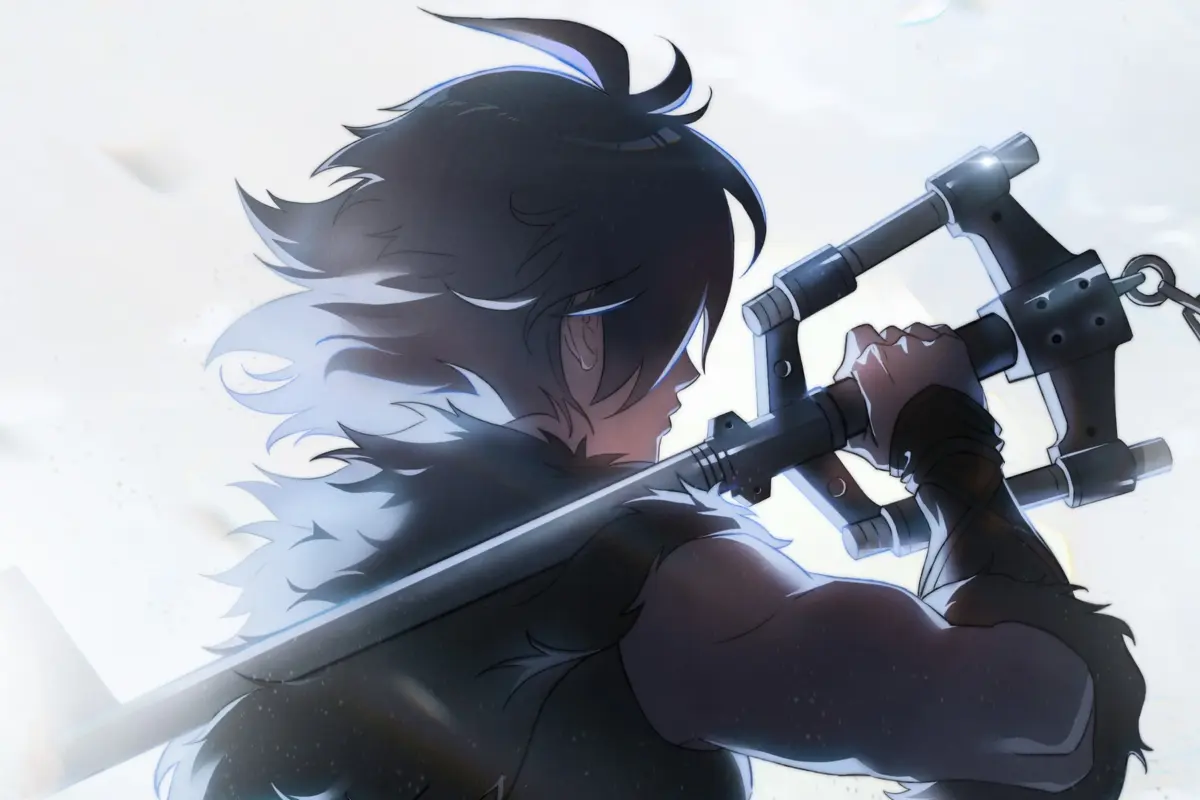
Accompanying the series greenlight was the unveiling of a breathtaking first-look promotional image featuring the beloved protagonist, Sora, clutching his iconic Keyblade, bathed in the signature blend of magical illumination and shadowed mystery that has defined the franchise for over two decades.
The blockbuster news did not stop at the small screen. Actor Benjamin Bratt, who took the stage during the D23 panel, electrified the audience by announcing his return to the franchise. Bratt confirmed he will reprise his role as the smooth-talking musician Ernesto de la Cruz from Pixar’s Academy Award-winning film Coco, who is officially slated to appear in the highly anticipated Kingdom Hearts IV video game, which Square Enix announced will launch in late 2027.
The addition of the Kingdom Hearts anime to the Disney+ roster cements the streaming platform’s aggressive expansion into prestige, globally recognized IP-driven animation. It joins a burgeoning slate of high-profile originals, including Messi and the Giants, Warrior Cats, and Journey. As Disney and Square Enix prepare to bridge the gap between interactive gaming and serialized television, this article explores the history of the franchise, the strategic implications of the new series, the creative vision behind the adaptation, and what the future holds for Keyblade wielders worldwide.
Detailed Chronology: From Concept to D23 Revelation
To understand the magnitude of the Kingdom Hearts anime greenlight, one must trace the winding, emotionally resonant history of a franchise that started as an impossible pitch in a Disney elevator.
The Genesis (2002)
When the original Kingdom Hearts launched on the PlayStation 2 in March 2002, skeptics viewed it as a corporate fever dream. Conceived out of a fortuitous encounter in a Tokyo elevator where executives from Disney and Square (now Square Enix) shared office space, director Tetsuya Nomura championed the idea of merging Square’s deep, melancholic narrative sensibilities and original character designs with the timeless, universally beloved animated worlds of Disney.
The gamble paid off spectacularly. Merging original protagonists like Sora, Riku, and Kairi with Final Fantasy aesthetics and traversing realms populated by Mickey Mouse, Donald Duck, Goofy, and classic Disney villains, the game became a critical and commercial phenomenon. It laid the foundation for one of the most complex, lore-heavy, and passionate fandoms in entertainment history.
The Expansion Era (2002–2019)
Over the next two decades, the franchise expanded far beyond a singular narrative arc. More than a dozen titles followed across multiple console generations—including Kingdom Hearts Chain of Memories, Kingdom Hearts II, Kingdom Hearts 358/2 Days, Kingdom Hearts Birth by Sleep, and Kingdom Hearts Dream Drop Distance. Each title added intricate layers to a sprawling mythology involving the Heartless, Nobodies, Keyblade Graveyards, and the overarching machinations of the overarching antagonist, Xehanort.
Despite numerous narrative spin-offs and side games, the core numerical progression remained dormant for years, leaving fans waiting thirteen agonizing years between the release of Kingdom Hearts II in 2005 and the eventual arrival of Kingdom Hearts III in 2019. Kingdom Hearts III shattered expectations by resolving the sprawling "Seeker of Darkness" saga, setting up an entirely new phase for the franchise.
The D23 Breakthrough (Friday)
Fast forward to Friday’s Disney Entertainment Showcase at D23, where actor Benjamin Bratt took the microphone to deliver a double-feature update that dominated entertainment headlines. First, Bratt dropped the bombshell regarding Kingdom Hearts IV, confirming his involvement and giving fans a definitive release window of late 2027 for the next major installment of the video game saga.
Moments later, the focus shifted to television. The announcement of the Kingdom Hearts anime series marked a historic milestone: the first-ever episodic television adaptation of the video game franchise. While rumors of a Disney television adaptation had circulated for years—most notably following leaked pitch decks from the mid-2000s for a canceled CGI-animated series by Jetix—this marks the official, studio-backed realization of bringing the sprawling universe to traditional television and streaming.
Supporting Context & Metrics: A Global Phenomenon
The greenlighting of the Kingdom Hearts anime is backed by staggering commercial metrics and an enduring cultural footprint that proves the franchise is as relevant today as it was in 2002.
Sales and Market Performance
According to verified figures from Square Enix, the Kingdom Hearts franchise has sold more than 39 million units worldwide across its various iterations, HD remasters, and multi-platform ports. From the original PS2 cartridges to modern PC, Nintendo Switch, and PlayStation 5 collections, the IP remains one of Square Enix’s most lucrative and internationally recognized properties outside of the Final Fantasy and Dragon Quest universes.
Demographic Reach and Transmedia Viability
The demographic footprint of Kingdom Hearts is uniquely broad. It bridges the gap between older millennials who grew up playing the original PlayStation 2 titles and younger generations introduced to the series through subsequent HD collections and crossover events.
By placing the anime adaptation on both Disney+ and Disney Channel, Disney is executing a dual-pronged distribution strategy:
- Disney+ will capture the mature, core gaming demographic—the nostalgic adults who demand high-stakes storytelling, intricate lore continuity, and premium production values.
- Disney Channel will introduce a brand-new generation of younger viewers to the magical worlds of Sora, Donald, and Goofy, ensuring the perpetuity of the franchise’s multi-generational appeal.
The Transmedia Ecosystem
The anime project also reflects a broader industry trend where major entertainment conglomerates leverage their existing video game portfolios to fuel streaming platforms. Following the massive successes of adaptations like HBO’s The Last of Us, Netflix’s Arcane, and Paramount+’s Halo, Disney is strategically positioning Kingdom Hearts to capture the lucrative intersection of gaming culture and prestige streaming animation.
Official Statements and Creative Vision
The partnership between Disney and Square Enix hinges on a delicate balance: honoring the complex lore established by Tetsuya Nomura while crafting a narrative accessible to viewers who may never have picked up a controller.
Ayo Davis on Expanding the Horizon
Ayo Davis, President of Disney Kids & Family, emphasized the delicate creative tightrope the production team is walking to ensure authenticity:
“‘Kingdom Hearts’ has captivated gamers everywhere with its unique blend of adventure and imagination. There’s something really exciting about taking a world fans have spent years exploring through the games and bringing it to life in a completely new way. And with a creative team that is working closely with the legendary Tetsuya Nomura, our new series will be unmistakably ‘Kingdom Hearts,’ while giving fans a whole new way to experience the world they love.”
Tetsuya Nomura’s Direct Involvement
The involvement of Tetsuya Nomura as a foundational collaborator is arguably the most critical detail for anxious fans. Nomura’s distinct visual style, penchant for philosophical subtexts, and complex narrative frameworks (often involving time travel, alternate dimensions, and deeply emotional character arcs) are the beating heart of the franchise. By maintaining direct ties to Nomura and Square Enix, Disney ensures that the anime will retain the distinct emotional resonance, signature character designs, and thematic depth that fans expect.
Benjamin Bratt and Kingdom Hearts IV
Adding star power to the D23 presentation, Benjamin Bratt spoke passionately about his continued involvement with the franchise. Following his acclaimed vocal performance as Ernesto de la Cruz in Coco, Bratt’s return in Kingdom Hearts IV underscores the franchise’s ongoing commitment to integrating cinematic Hollywood talent into its rich, multi-dimensional storytelling framework. With Kingdom Hearts IV officially targeting a late 2027 release window, the anime series serves as the ideal narrative bridge and promotional powerhouse to maintain fan momentum over the coming years.
Future Outlook: What Lies Ahead for Keyblade Wielders
As the dust settles on the D23 announcements, the entertainment industry and fan communities are left to ponder the myriad possibilities opened up by the Kingdom Hearts anime series.
Narrative Possibilities and Lore Expansion
Because Disney has described the anime as a "brand-new story that will expand on the universe," speculation is running wild across forums like Reddit and ResetEra. Will the series explore the enigmatic "Lost Masters" and the events leading up to the Keyblade War? Will it delve into the untold histories of Organization XIII members before their transformations? Or will it follow Sora, Donald, and Goofy on an episodic journey through unexplored Disney dimensions that were cut from the video games?
Given Nomura’s penchant for weaving hidden lore into every piece of peripheral media—much like the mobile games Kingdom Hearts Union χ and Dark Road—fans should expect the anime to drop crucial canonical hints that connect directly to the overarching plot of Kingdom Hearts IV.
Production Timeline and Animation Style
While production details remain tightly under wraps and no official animation studio has been publicly named yet, industry insiders are eagerly debating which anime production houses possess the technical prowess required to handle the ambitious scope of Kingdom Hearts. Studios renowned for blending fluid 2D character animation with complex 3D backgrounds—such as ufotable, Wit Studio, or MAPPA—are frequently cited by fans as dream collaborators for bringing Sora’s acrobatic Keyblade combat and magical spells to the screen.
Conclusion
The announcement of the Kingdom Hearts anime series marks a watershed moment for a franchise that has spent over two decades defining what artistic collaboration between East and West can achieve. By uniting the imaginative storytelling power of Disney with the visionary depth of Tetsuya Nomura and Square Enix, the upcoming series promises to illuminate screens worldwide.
As we look toward the horizon—anticipating further casting announcements, teaser trailers, and the eventual arrival of Kingdom Hearts IV in late 2027—one thing is certain: the light within the hearts of fans burns brighter than ever. May your heart be your guiding key.