Executive Overview
The entertainment community and fans worldwide are mourning the tragic passing of Fiona Hepler Lowe, the thirteen-year-old daughter of acclaimed actor, director, and producer Chad Lowe and producer Kim Painter. Fiona, a vibrant teenager known by her loved ones for her intellect, creativity, and passion for dance, passed away under devastating circumstances that have sent shockwaves through the industry. Her family confirmed the heartbreaking news in a public statement released on Tuesday, sparking an outpouring of grief, condolences, and tributes from across the entertainment landscape.
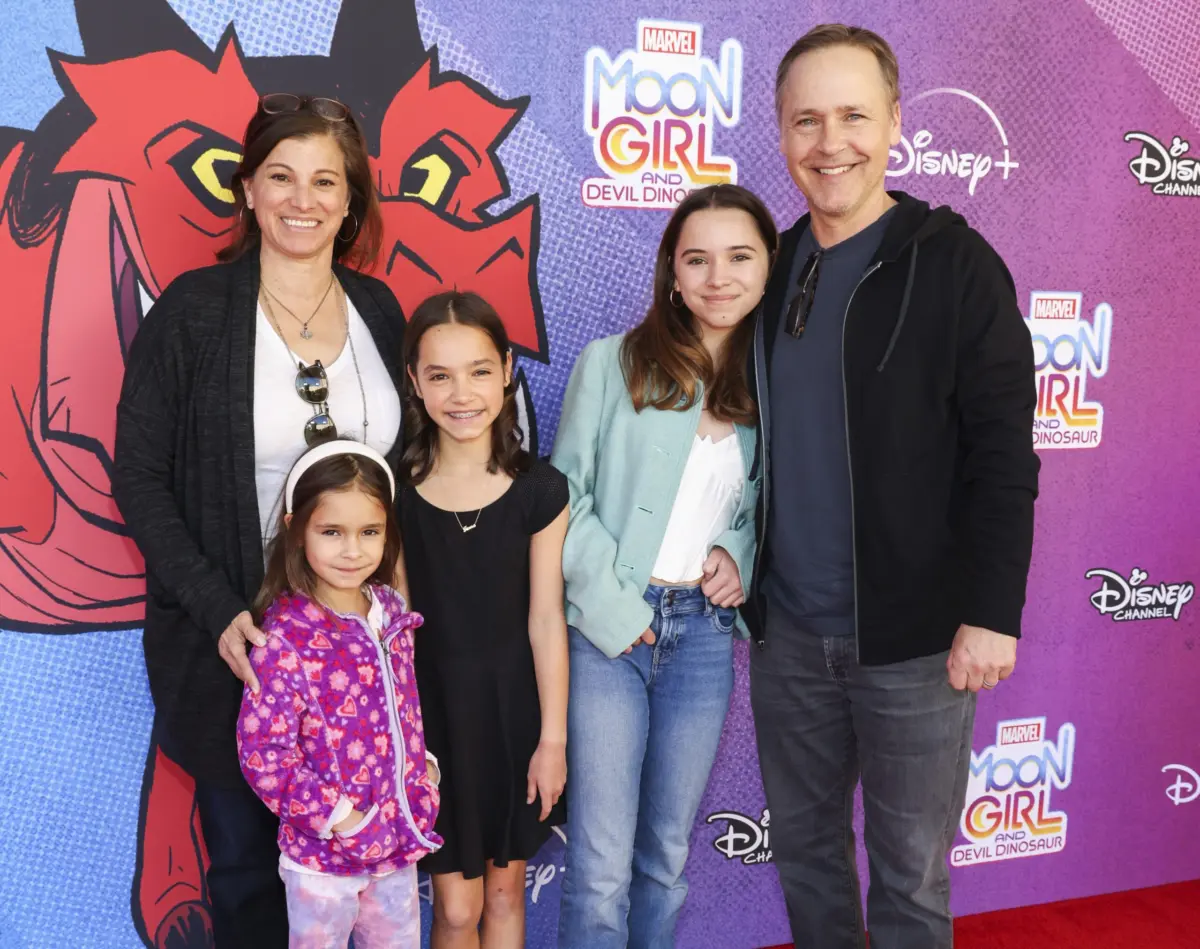
Fiona was the middle child of Chad Lowe and Kim Painter, who welcomed her into the world on November 16, 2012. Within her family, she was cherished as a bright, guiding presence—a young girl whose light illuminated the lives of her parents and her two sisters, Mabel and Nixie. Carrying a middle name rich with familial heritage—Hepler, honoring her late grandmother and shared with her uncle, celebrated actor Rob Lowe—Fiona was deeply rooted in a legacy of artistic dedication.
Yet, beneath the glamour of the entertainment industry, the Lowe family’s tragedy highlights a deeply human and urgent crisis. In their official statement, the grieving parents chose to leverage their unimaginable pain to advocate for others, explicitly directing public attention toward mental health resources and the 988 Suicide & Crisis Lifeline. This editorial explores the life and legacy of Fiona Hepler Lowe, details the timeline of the family’s announcements, provides vital context regarding the Lowe family’s prominent place in Hollywood, and examines the broader societal implications of youth mental health crises in the modern digital age.
Detailed Chronology
Early Life and Family Integration
Fiona Hepler Lowe was born on November 16, 2012, expanding the family established by Chad Lowe and Kim Painter, who officially married in 2010 after years of partnership. As the second of three daughters, Fiona occupied a unique and dynamic role within the household. Her birth followed that of her older sister, Mabel Painter Lowe, born in 2009, and preceded the arrival of her younger sister, Nixie Barbara Lowe, born in 2016.
From her earliest years, Fiona was raised away from the most intrusive elements of the public eye, though her parents occasionally shared glimpses of their domestic happiness and milestones through media interviews and family announcements. Her middle name, Hepler, served as a poignant tribute to her late grandmother, Barbara Hepler, and aligned her name with that of her uncle, Rob Lowe, who also carries the middle name.
As she transitioned from childhood into her early teens, Fiona developed a distinct personality characterized by intellectual curiosity, artistic flair, and an unbridled love for movement. According to those closest to her, she found immense joy in dance, utilizing creative expression as an outlet for her energetic and imaginative spirit.
The Tragedy and Public Confirmation
The sequence of events leading to Fiona’s passing unfolded privately within the Lowe household before becoming public knowledge. On Tuesday, facing an unimaginable reality, Chad Lowe and Kim Painter authorized a formal statement to be shared with People magazine and distributed to major news outlets.
The announcement immediately arrested the attention of the media, transitioning rapidly from an entertainment industry brief into a broader discussion on adolescent mental health and family grief. The family requested privacy to navigate the immediate aftermath of their loss while concurrently issuing a compassionate plea for public awareness surrounding youth psychological distress.
Supporting Context & Metrics: The Broader Landscape of Youth Mental Health
The tragic passing of a thirteen-year-old child brings into sharp focus the alarming escalation of mental health challenges facing contemporary youth. While the Lowe family’s loss is deeply personal, it unfolds against a backdrop of mounting clinical data concerning adolescent psychological distress, anxiety, and depression in the post-pandemic era.
The Adolescent Mental Health Crisis
Public health organizations, including the Centers for Disease Control and Prevention (CDC) and the American Academy of Pediatrics (AAP), have repeatedly classified contemporary youth mental health as an unprecedented national emergency. Studies over the past half-decade indicate a staggering rise in persistent feelings of sadness, hopelessness, and psychological vulnerability among middle-school-aged children and teenagers.
- Statistical Trends: According to federal health metrics, rates of anxiety and depressive disorders among adolescents aged 12 to 17 have climbed steadily over the last decade. The pressures of modern socialization, exacerbated by ubiquitous digital connectivity, academic pressures, and societal disruptions, have left young people uniquely vulnerable to emotional crises.
- The Vulnerability of Early Teens: Early adolescence—specifically the transition period between ages 12 and 14—represents a critical neurological and developmental window. During this phase, youth undergo rapid brain maturation, heightened emotional sensitivity, and complex identity formation, making timely psychological intervention and supportive domestic environments paramount.
The Crucial Role of Intervention Resources
By proactively sharing the contact details for the 988 Suicide & Crisis Lifeline in their official statement, Chad Lowe and Kim Painter joined a growing cohort of public figures who utilize their platforms to dismantle stigmas surrounding mental health care.
- The 988 Lifeline Framework: Operating 24/7, the 988 Suicide & Crisis Lifeline provides free and confidential support to individuals experiencing emotional distress or suicidal crisis. Since its nationwide transition to a three-digit dialing code, the service has handled millions of calls, texts, and chats, serving as an indispensable frontline resource.
- Breaking the Stigma: Mental health professionals emphasize that public transparency from high-profile families regarding the realities of mental health struggles can save lives. When grieving families normalize discussions around crisis intervention, it encourages struggling individuals—particularly teenagers who may feel isolated in their pain—to seek professional assistance before a crisis escalates.
Official Statements and Tributes
The official statement released by the Lowe family captured both the boundless love they held for Fiona and the profound devastation left in the wake of her passing.
"We are deeply heartbroken by the loss of our beloved Fiona. Fiona was a loving young girl who was smart, creative, and loved to dance. She was adored by her sisters and she was deeply loved by her parents. In fact, she was the light of our lives.
Her passing is devastating for our entire family, and we ask for prayers and privacy at this time. If you or someone you know is struggling with mental health, please reach out to the 988 Suicide & Crisis Lifeline by calling or texting 988."
Following the publication of the statement, an outpouring of condolences echoed across the entertainment industry. Colleagues, directors, actors, and long-time fans of both Chad and Rob Lowe flooded social media platforms and official fan forums with messages of solidarity. Industry guilds and peer organizations extended private and public support to the family, acknowledging the immense grief of losing a child.
The Lowe Family Legacy in Entertainment
To understand the context in which Fiona grew up, one must examine the deep-seated legacy of the Lowe family within American television and cinema.
Chad Lowe: A Versatile Career
Fiona’s father, Chad Lowe, has maintained a prolific and respected presence in Hollywood for decades. Born in Dayton, Ohio, in 1968, Lowe rose to prominence as an actor in the 1980s before carving out a celebrated career across television drama and directing.
- Critical Acclaim: In 1993, Lowe achieved major critical recognition by winning a Primetime Emmy Award for Outstanding Supporting Actor in a Drama Series for his poignant portrayal of Jesse McKenna, a young man battling HIV, in the groundbreaking ABC series Life Goes On.
- Prolific Television Work: Over the subsequent decades, Lowe became a television staple, starring in and recurring on major hit series including Pretty Little Liars (where he also directed multiple episodes), Supergirl, Melrose Place, ER, and 24. Beyond acting, he has established a successful career behind the camera as an episodic television director.
Kim Painter: Artistic Background
Kim Painter, Fiona’s mother, has built a successful career in the entertainment and creative industries as a producer and artist. Maintaining a balance between professional endeavors and family life, Painter has consistently been recognized by peers for her dedication to raising her three daughters alongside Chad Lowe.
The Extended Lowe Family Dynasty
Fiona was part of a remarkably prominent entertainment dynasty. Her uncle, Rob Lowe, stands as one of the definitive cultural icons of his generation, having achieved global fame as a member of the legendary "Brat Pack" in seminal 1980s films such as The Outsiders and St. Elmo’s Fire, later cementing his status through acclaimed television work in The West Wing and Parks and Recreation. Despite the high-profile nature of the extended family, Chad and Kim carefully cultivated a grounded, nurturing home environment for Mabel, Fiona, and Nixie.
Future Outlook: Legacy, Advocacy, and Remembrance
As the Lowe family, friends, and the broader community begin the arduous process of healing, the legacy of Fiona Hepler Lowe will endure not only through the cherished memories of those who knew her best, but also through the vital conversations her family has catalyzed.
Navigating Grief in the Public Eye
For public figures, experiencing personal tragedy under the unyielding gaze of the media presents a unique psychological challenge. The ability of Chad Lowe and Kim Painter to channel their acute grief into a constructive, life-saving message speaks to their resilience and devotion as parents. Industry observers anticipate that the family will continue to maintain strict privacy in the coming months as they support their remaining daughters, Mabel and Nixie, through this profound transition.
A Lasting Commitment to Mental Health Advocacy
Fiona’s passing serves as an enduring reminder of the critical need for vigilance, compassion, and open dialogue regarding youth mental health. Moving forward, advocacy groups and public health advocates hope that the tragic circumstances surrounding her death will prompt renewed institutional investments in school-based mental health programs, pediatric psychological support networks, and accessible community crisis intervention services.
In remembering Fiona Hepler Lowe—a smart, creative young girl who loved to dance and illuminated the lives of everyone around her—the entertainment community honors a life cut far too short. Her light, as her parents noted, will continue to shine in the hearts of those who loved her, while her story remains a powerful catalyst for empathy, healing, and the urgent protection of vulnerable youth everywhere.
If you or someone you know is struggling with mental health, emotional distress, or thoughts of self-harm, please know that support is available. You can reach the Suicide & Crisis Lifeline by calling or texting 988 (available 24 hours a day, 7 days a week in the United States and Canada), or visit 988lifeline.org for confidential online chat services.