Executive Overview
In an era where smartphone manufacturers have largely transitioned from iterative performance leaps to platform-deep software integrations, Google’s hardware announcements for 2026 solidify a definitive corporate pivot. Rather than engaging in raw specification wars—such as chasing multi-gigahertz clock speeds or packing excessive, underutilized memory—Google’s latest hardware cycle focuses on ambient artificial intelligence, streamlined hardware curation, and deeply contextual experiences.
The unveiling of the Pixel 11 series, the Pixel Watch 5, and the debut of the company’s first proprietary item finder, the Pixel Tag, signals a mature hardware division. Google is no longer merely attempting to match Apple and Samsung spec-for-spec; instead, it is leaning entirely into its proprietary ecosystem strengths: on-device generative AI via Gemini, deeply integrated camera software pipelines, and seamless ambient computing.
However, this transition is not without compromise. Curiously reversing years of industry trends toward larger energy reservoirs, Google has marginally shrunk the battery capacities across its flat-screen smartphone lineup, relying on the efficiency gains of the new Tensor G6 chipset to maintain baseline longevity. Furthermore, a general $100 across-the-board price increase reflects both global supply chain realities and the growing cost of embedding advanced machine learning accelerators directly into consumer pockets.
Detailed Chronology & Product Lineup Breakdown
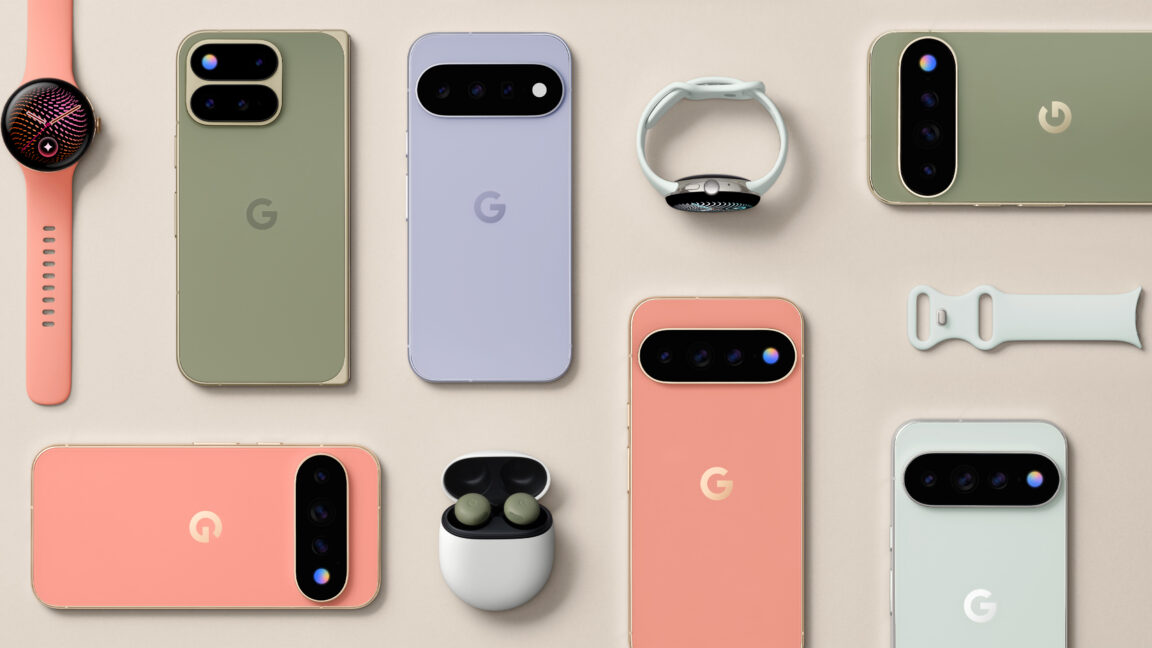
Google’s 2026 hardware drop maintains a familiar aesthetic vocabulary, echoing the design language first established by the Pixel 9 generation. Yet, beneath the familiar glass and aluminum chassis lies a series of deliberate hardware and software refinements designed to make interacting with mobile technology more conversational and less visually intrusive.
The Pixel 11 Series: Refined Glass, Smaller Batteries, and "HiLight"
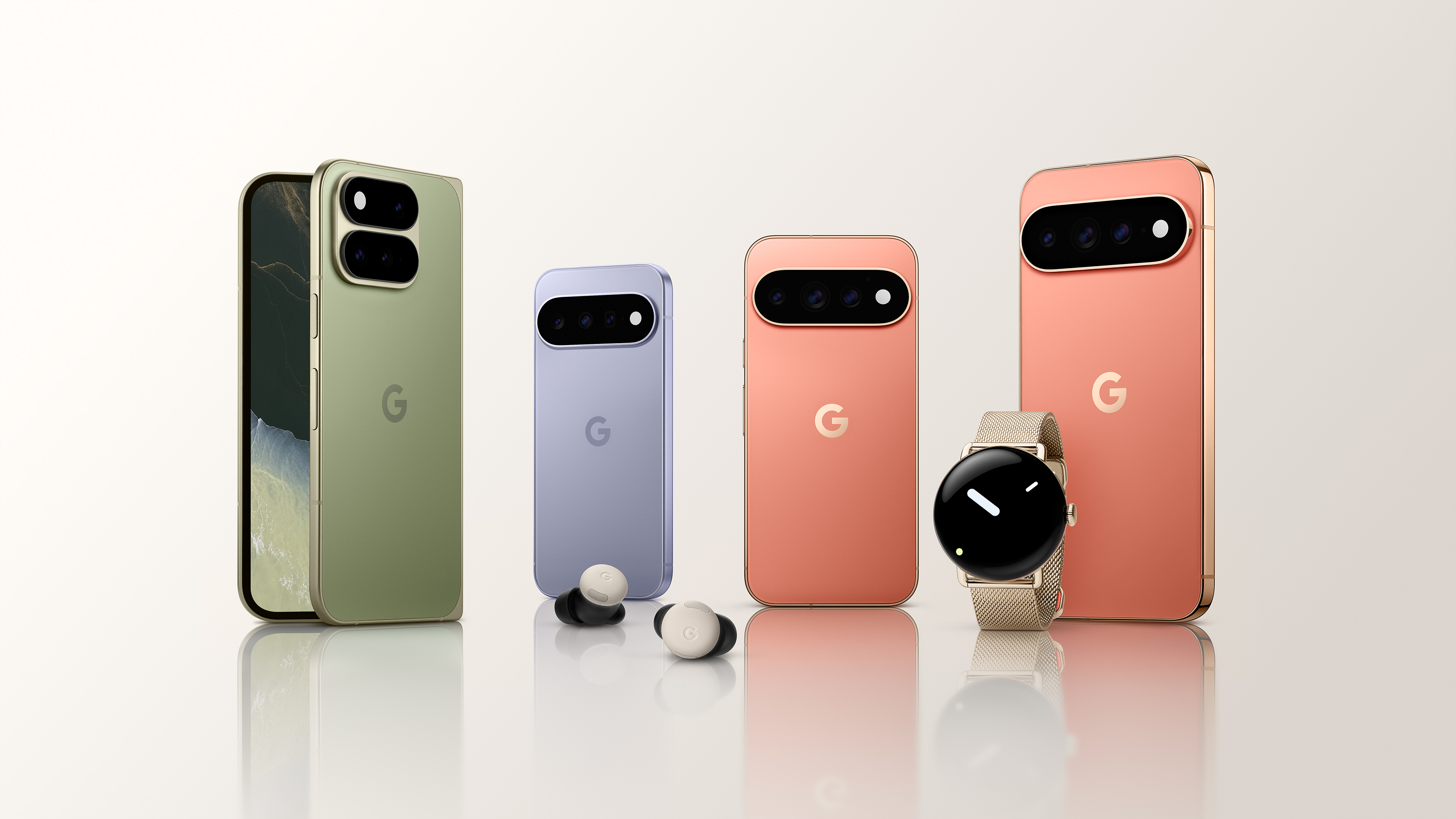
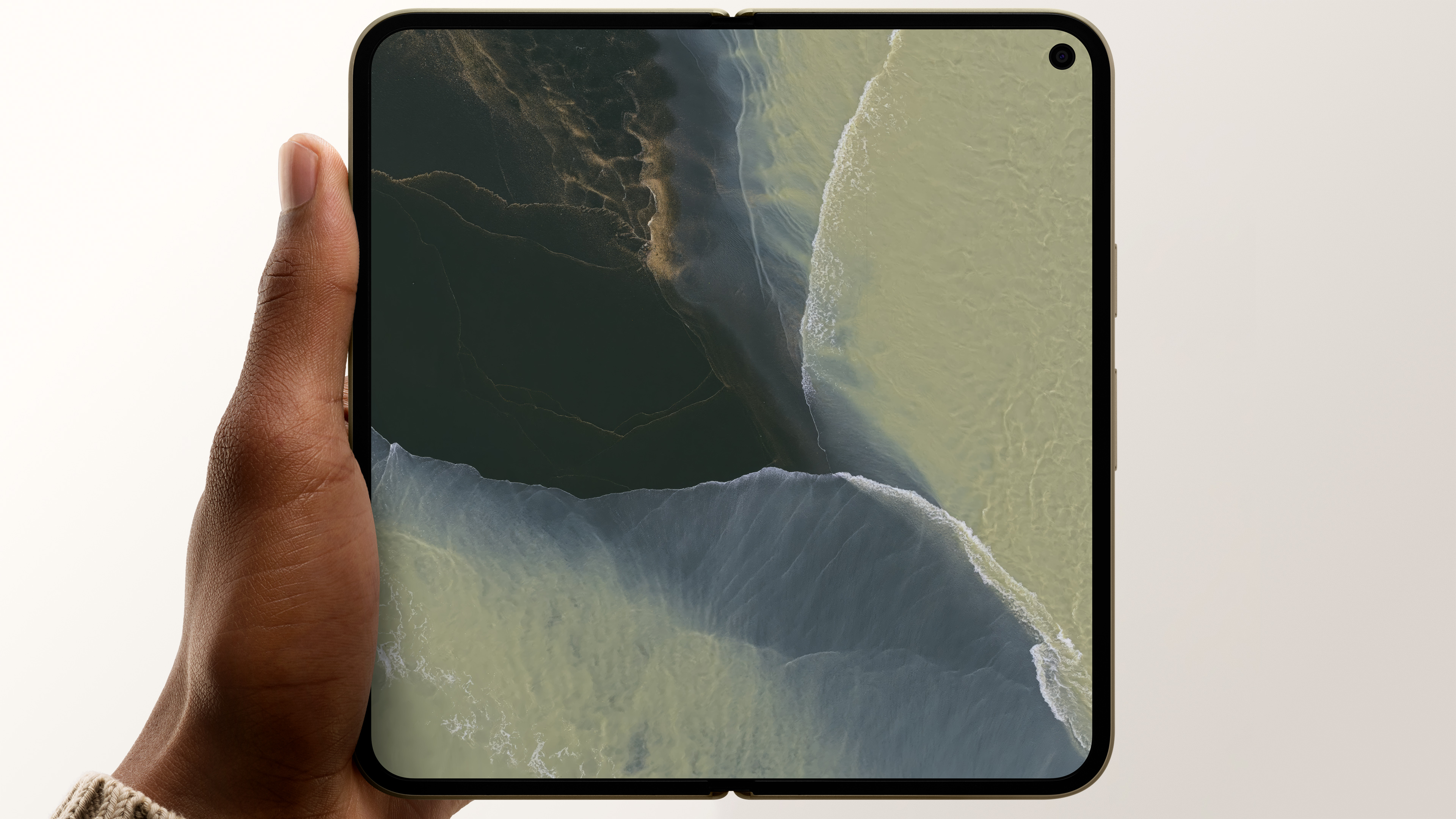
The core of Google’s mobile strategy centers on the four models comprising the Pixel 11 family: the base Pixel 11, the Pixel 11 Pro, the Pixel 11 Pro XL, and the foldable flagship, the Pixel 11 Pro Fold.
1. Design and Ergonomics
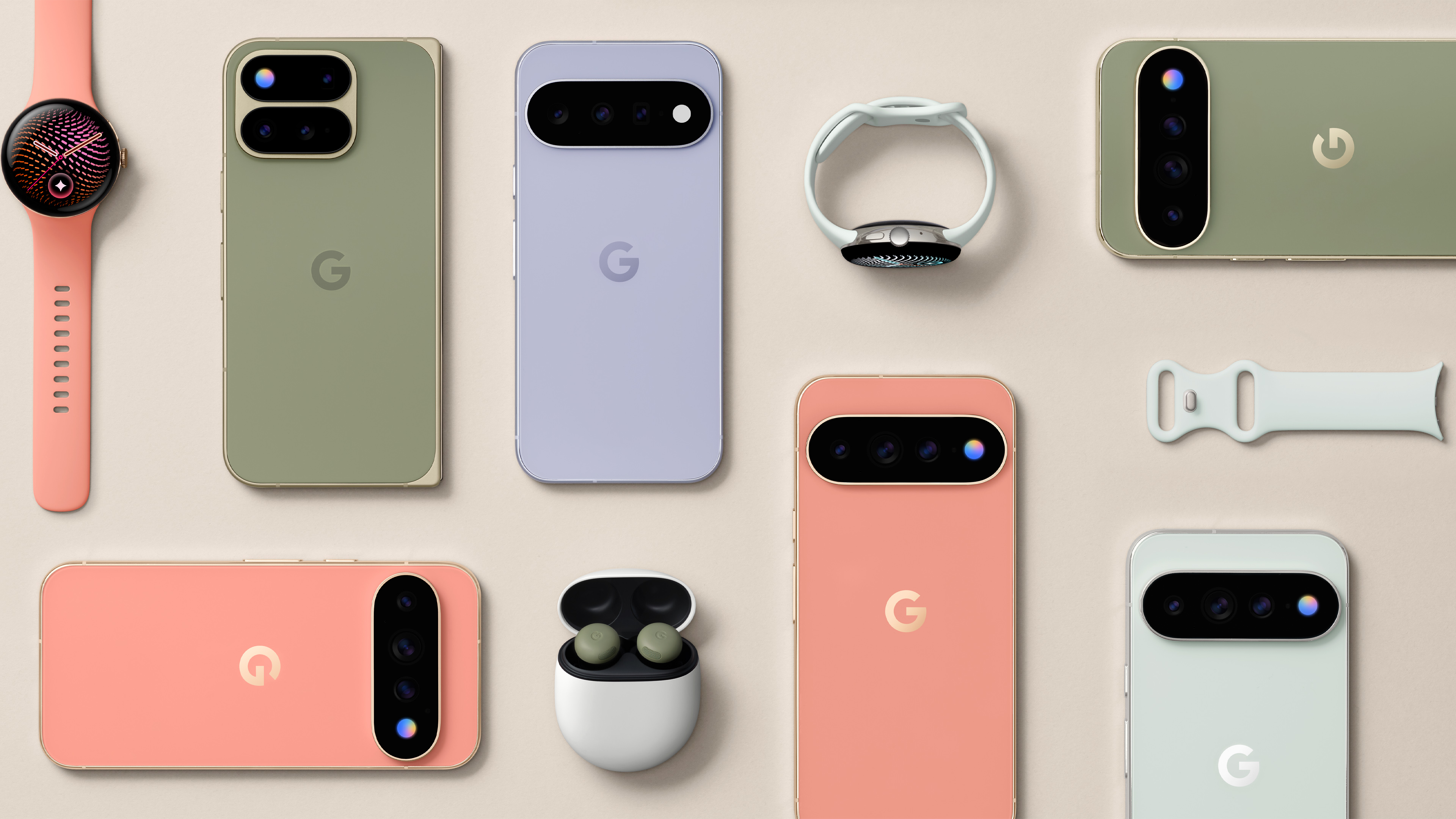
Google has smoothed out its iconic camera bar. On the entry-level Pixel 11, the camera protrusion has been slimmed down significantly, rising a mere couple of millimeters from the rear glass to prevent the awkward tilting and pocket-snagging of previous iterations. Across all models, the camera bars now feature edge-to-edge glass, entirely omitting the metal inlays that previously housed secondary sensors. Notably, the skin-temperature sensor introduced in past Pro models has been permanently retired.
2. The Return of the Notification Light: HiLight
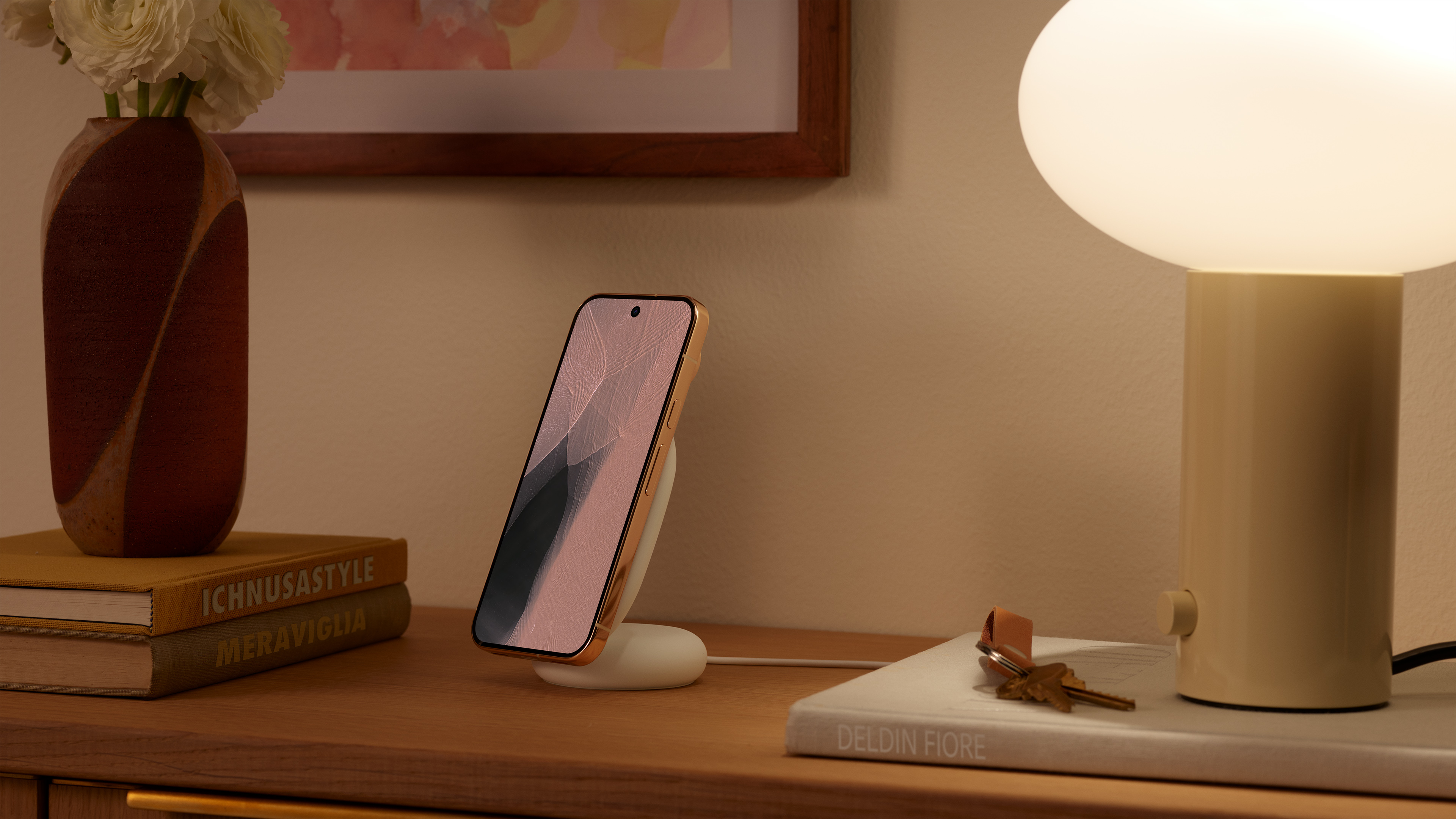
Arguably the most idiosyncratic physical addition to the Pro lineup is HiLight. Leakers correctly predicted the revival of the notification LED, though Google has re-imagined the concept. Consisting of a ring of customizable RGB LEDs embedded within the rear camera flash assembly, HiLight illuminates when a user speaks to the Gemini assistant, providing visual confirmation that the AI is actively listening and processing without requiring the user to stare down at the display.
Additionally, HiLight can be configured to pulse for incoming calls from designated contacts on standard phone lines and WhatsApp. However, its current implementation is notably locked down: third-party app notifications—even standard text messages within Google Messages—cannot trigger the light. Whether Google will expand HiLight’s configuration options in future Pixel Drops remains to be seen.
3. Tensor G6 and the Curious Case of Shrinking Batteries
Powering the lineup is the new Google Tensor G6 system-on-chip. Built on advanced process nodes, Google claims a 20 percent boost in power efficiency, a 25 percent increase in browsing speeds, and a 15 percent faster app loading metric. The chip is rumored to utilize a custom seven-core Arm architecture, dropping one core compared to its predecessor.
Google apparently relied on these efficiency gains to justify a baffling design choice: trimming battery capacities across the non-folding lineup. The base and Pro flat phones feature marginally smaller batteries (reductions of under 100 mAh), while the Pixel 11 Pro Fold drops a full 200 mAh down to 4,806 mAh—though it achieves a slightly lighter and thinner profile in exchange. To mitigate potential user anxiety, Google has introduced an "Extreme Charging Mode" that sustains higher wattage charging over longer intervals, managed dynamically by thermal-throttling algorithms within the Tensor G6.
4. Display and Imaging Enhancements
Displays are brighter and tougher. While the base Pixel 11 tops out at 3,000 nits, the Pro variants reach a blinding 3,600 nits peak brightness. Google has also incorporated a proprietary cover glass touted as being twice as resistant to micro-scratching.
On the camera front, the Pixel 11 and Pixel 11 Pro Fold inherit a larger primary 48 MP sensor designed to capture superior low-light detail. Digital zoom capabilities have also been aggressively expanded: standard models now support up to 30x digital zoom, while Pro variants stretch to a staggering 120x.
Software imaging gains include Magic Capture, an automated mode that captures a simultaneous video and high-resolution still, utilizing machine learning to select the exact micro-second of shutter release while eliminating motion blur. Furthermore, Camera Looks allows users to bake personalized aesthetic styles directly into the HDR+ processing pipeline rather than applying superficial post-shot filters, all while maintaining Google’s color-accurate Real Tone processing.
Supporting Context & Metrics: Specifications at a Glance
To fully contextualize Google’s 2026 hardware offerings, the following matrix outlines the foundational technical specifications, pricing tiers, and configuration options across the entire Pixel 11 and Pixel Watch 5 ecosystems:
| Feature / Metric | Google Pixel 11 | Google Pixel 11 Pro | Google Pixel 11 Pro XL | Google Pixel 11 Pro Fold | Pixel Watch 5 (41mm / 45mm) |
|---|---|---|---|---|---|
| Launch Price | $899 | $1,099 | $1,299 | $1,899 | $399 / $429 (+ $100 for LTE) |
| Processor (SoC) | Google Tensor G6 | Google Tensor G6 | Google Tensor G6 | Google Tensor G6 | Qualcomm Snapdragon W5 Gen 2 |
| Memory (RAM) | 12 GB | 12 / 16 GB | 12 / 16 GB | 16 GB | Standard Wear OS configuration |
| Storage Options | 256 GB / 512 GB | 256 GB / 512 GB / 1 TB | 256 GB / 512 GB / 1 TB | 256 GB / 512 GB / 1 TB | Integrated flash storage |
| Display Specs | 6.3" 1080p OLED (60–120Hz, 3,000 nits) | 6.3" 1280p LTPO OLED (1–120Hz, 3,600 nits) | 6.8" 1344p LTPO OLED (1–120Hz, 3,600 nits) | Outer: 6.5" OLED Inner: 8.0" OLED (1–120Hz, 3,600 nits) |
Domed "Actual 360" OLED |
| Primary Camera | 48 MP Wide (Macro Focus) | 50 MP Wide | 50 MP Wide | 48 MP Wide | N/A |
| Battery Capacity | 4,985 mAh | 4,850 mAh | 5,115 mAh | 4,806 mAh | Incremental bump over Gen 4 |
| Connectivity | Wi-Fi 6E, BT v6, Sub-6/mmWave | Wi-Fi 7, UWB, BT v6, Sub-6/mmWave | Wi-Fi 7, UWB, BT v6, Sub-6/mmWave | Wi-Fi 7, UWB, BT v6, Sub-6/mmWave | Wi-Fi, Bluetooth, Optional LTE |
Expanding the Ecosystem: Pixel Tag and Pixel Watch 5
Beyond the smartphone segment, Google is working to fortify its broader consumer hardware umbrella with targeted device updates and new product categories.
Pixel Tag: Entering the Item Finder Market
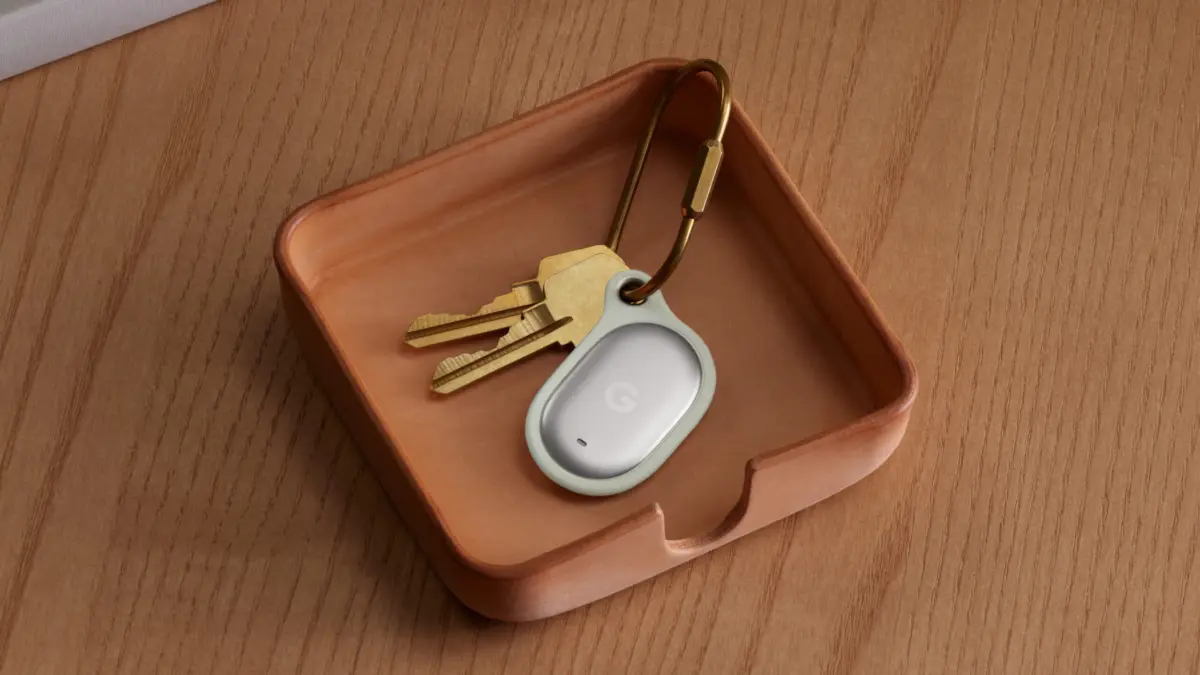
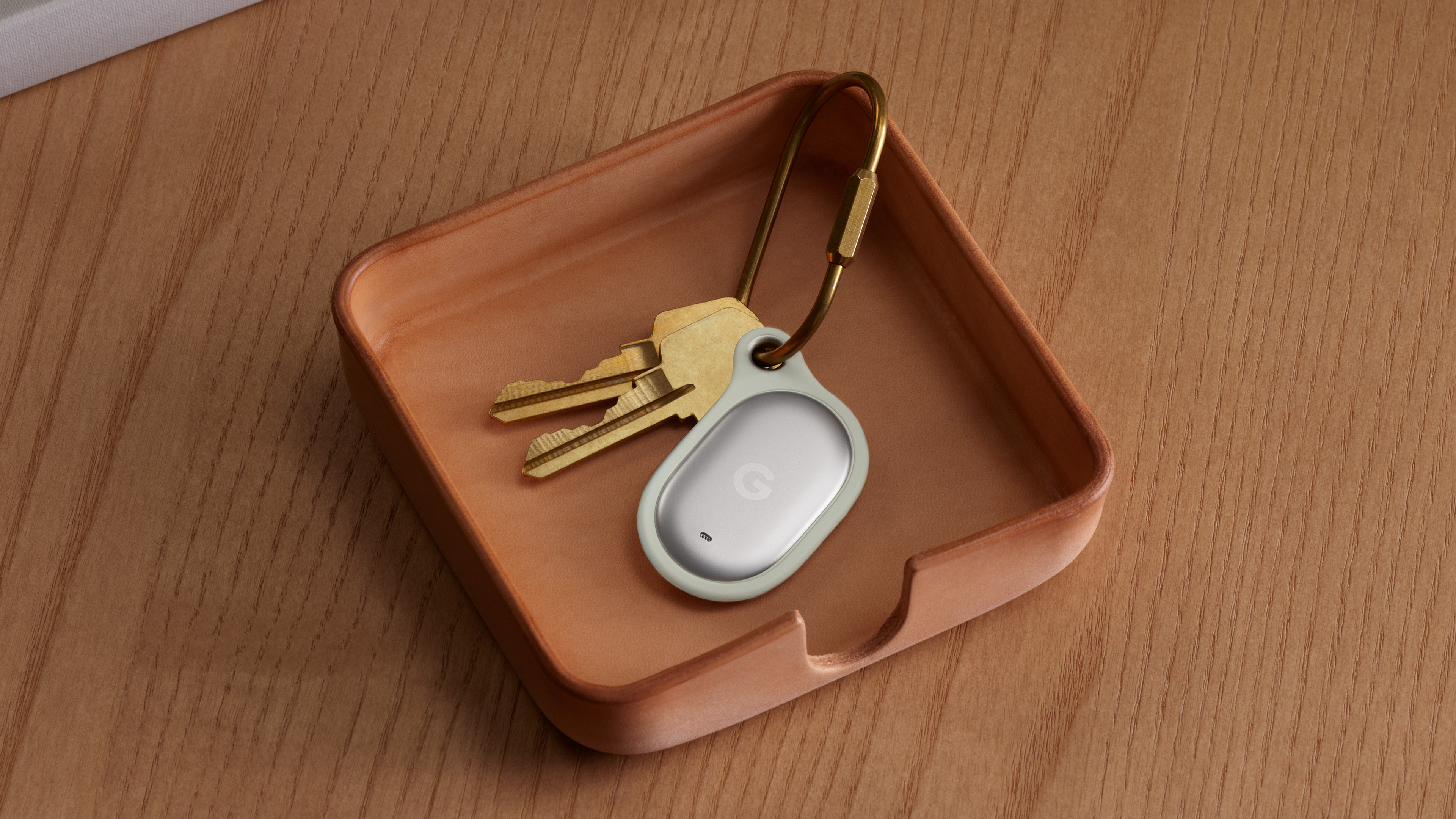
After years of ecosystem lag behind Apple’s AirTag network, Google is finally utilizing the Ultra-Wideband (UWB) radios embedded in its Pro smartphone tiers by introducing the Pixel Tag. Priced at $29 and scheduled for release on November 11, this Bluetooth beacon relies on the Android "Find Hub" network to report item locations. While the crowd-sourced Android tracking network has historically lagged behind Apple’s massive deployment scale, the integration of UWB hardware ensures pinpoint directional accuracy when users are searching for lost items in their immediate vicinities.
Pixel Watch 5: Health Insights and On-Device AI
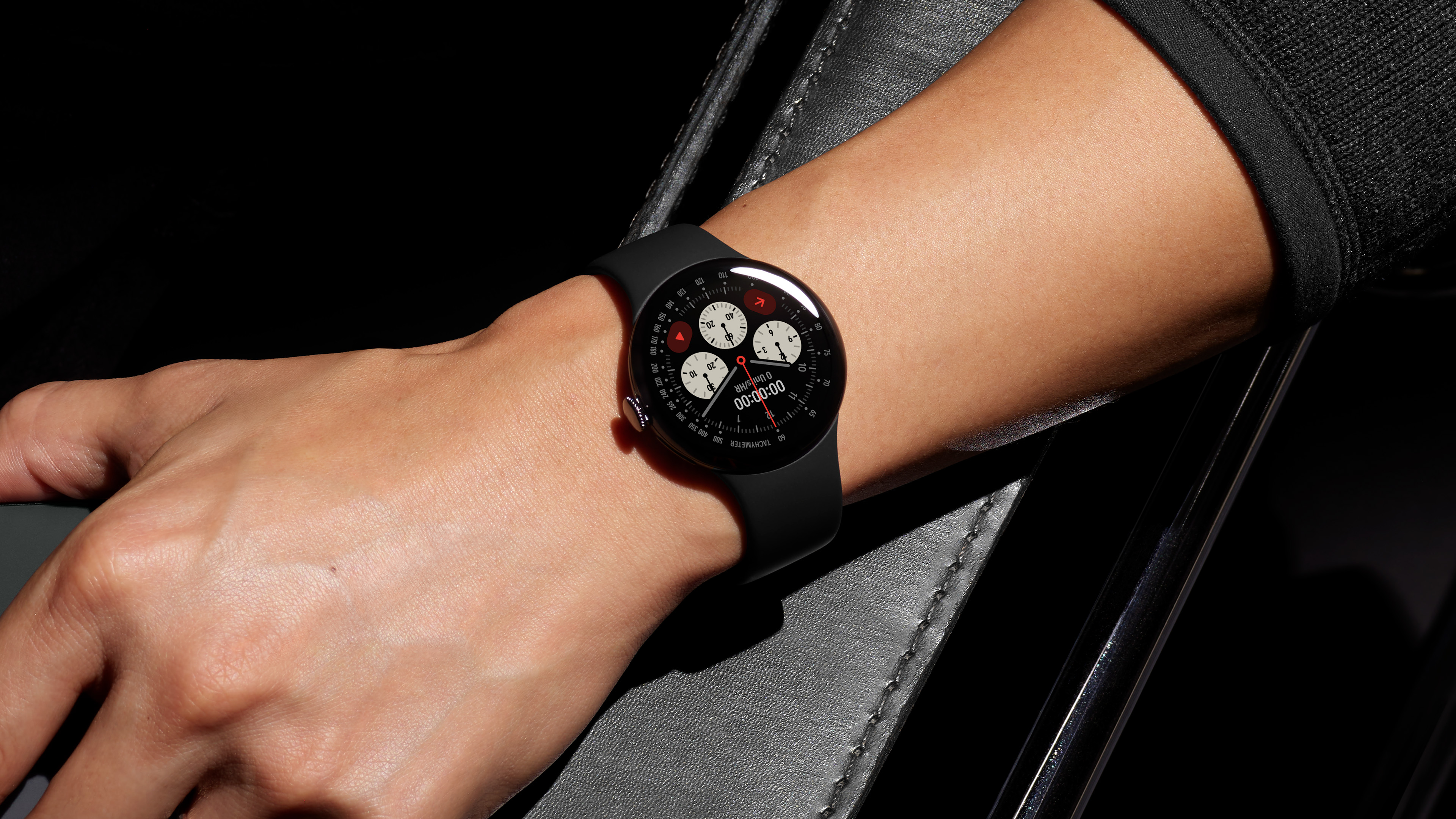
The Pixel Watch 5 arrives in familiar 41 mm and 45 mm form factors utilizing domed "Actual 360" OLED displays. Retaining its predecessor’s physical architecture and charging puck, the wearable is powered by the Qualcomm Snapdragon W5 Gen 2 Accelerated platform. Google reports a 20 percent performance increase, dedicating this overhead entirely to local machine learning workloads.
Proactive intelligence defines the software experience: the watch can surface contextual reminders and travel itineraries based on incoming text notifications. Furthermore, Gemini operates offline for basic utility management like timers and workout logging.
On the health and wellness front, Google has eschewed adding new hardware sensors, instead deploying advanced machine learning models to extract deeper diagnostic utility from existing hardware. By analyzing pulse and movement metrics over time, the Pixel Watch 5 can estimate blood pressure trends and calculate monthly insulin sensitivity indicators. Google has confirmed that these advanced health software models will not remain exclusive to the new watch; they will roll out via firmware updates to the Pixel Watch 3, Pixel Watch 4, and Fitbit Air in the fall.
Future Outlook: The AI-First Paradigm Shift
Google’s 2026 hardware blueprint paints a clear picture of the company’s long-term trajectory. By stabilizing the physical design language of the Pixel hardware ecosystem, Google is signaling that the era of annual, revolutionary physical redesigns has plateaued. Consumers should no longer expect radical shifts in industrial form factor or massive year-over-year leaps in raw silicon benchmarks.
Instead, the true battleground has shifted entirely to software curation, ambient AI task execution, and predictive utility. Features like Rambler—which utilizes generative models to intelligently clean up voice-to-text dictations by stripping away verbal fillers—and automated app execution (allowing Gemini to independently book rides or conduct complex online shopping tasks) represent the new frontier of mobile value proposition.
As hardware parity flattens the smartphone industry, Google’s willingness to experiment with ambient indicators like HiLight, combined with aggressive pricing adjustments and deep Gemini integration, positions the Pixel ecosystem as a distinct alternative to Apple and Samsung. Whether consumers are willing to embrace a future defined by AI automation—and accept minor concessions in battery metrics—will determine if Google’s bet on software-led differentiation pays off in the years to come.