By Chris Kerr
Senior Editor, News, GameDeveloper.com
August 5, 2026
Executive Overview
As the global video game industry continues to expand into a multi-hundred-billion-dollar juggernaut, regional disparities in governmental support are threatening to leave European developers behind. The German Games Industry Association (Game) has issued an urgent, comprehensive call to action aimed at policymakers across Germany and the broader European Union. The organization warns that without immediate structural, financial, and regulatory interventions, the domestic development landscape risks stagnation on the international stage.
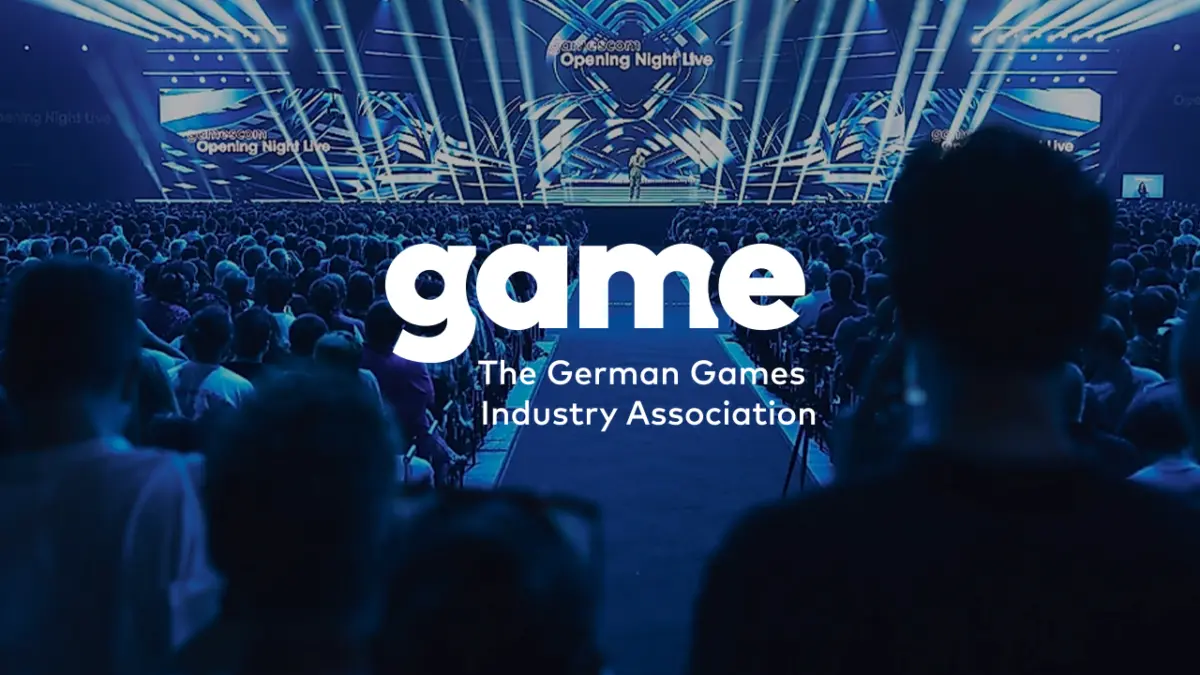
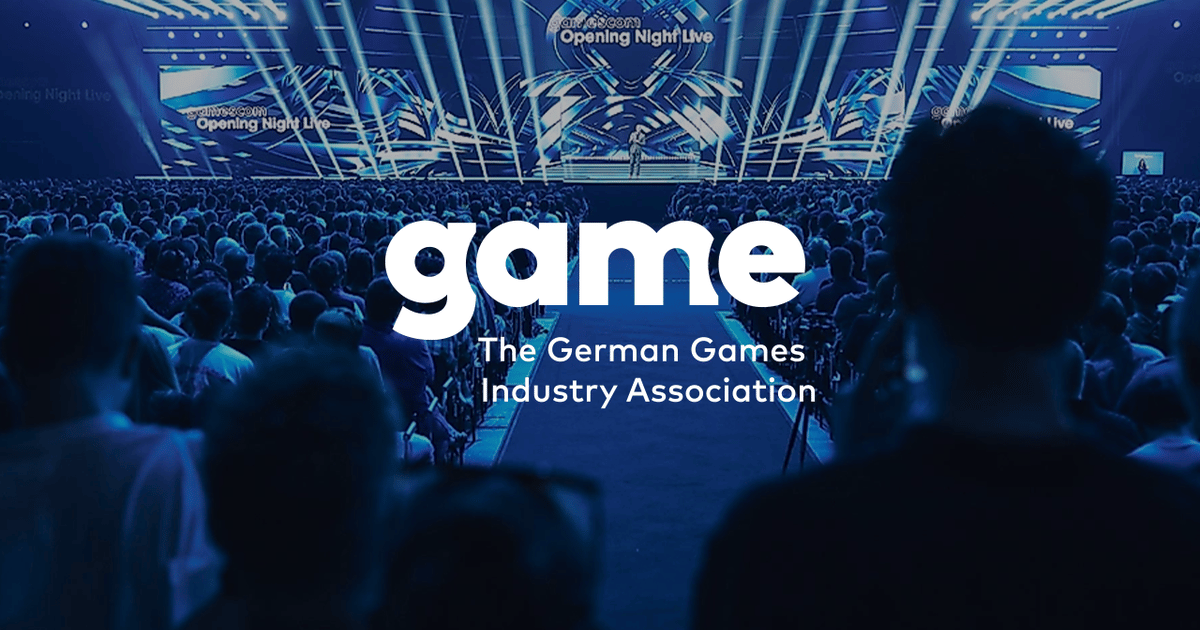
Published ahead of the upcoming Gamescom 2026 convention in Cologne—scheduled to kick off on August 24—the manifesto underscores a stark reality: despite the medium’s immense cultural and economic footprint, European and German video game production capabilities remain critically underpowered compared to North American and Asian counterparts. Game is demanding a radical overhaul of existing support systems, calling for targeted start-up funding, streamlined tax incentives, specialized talent acquisition initiatives, and a dismantling of the bureaucratic "regulatory jungle" that currently burdens local studios.
Detailed Chronology & Background
The release of Game’s policy statement marks the latest escalation in a multi-year effort by European developers to lobby governments for competitive parity. For over a decade, European studios have watched major global markets—such as Canada, the United Kingdom, France, and various states within the U.S.—implement robust, reliable tax credits and governmental subsidies that naturally draw capital, talent, and major publishers away from Central Europe.
The Evolution of the German Funding Landscape
In recent years, the German federal government has attempted to bridge this gap through localized funding programs. However, these initiatives have frequently suffered from administrative bottlenecks, inconsistent funding pools, and a lack of long-term strategic vision.
The cornerstone of Game’s current grievance revolves around unfulfilled promises made within the Federal Government’s coalition agreement. Specifically, the association is pressing authorities to finally deliver a competitive, tax-based funding system on par with global standards. While previous grant systems provided temporary relief for select projects, they lacked the predictability and scalability required to anchor multinational studios or nurture homegrown AAA and AA operations over a decade-long development cycle.
As Gamescom 2026 approaches, industry stakeholders are utilizing the event’s massive global platform to push these demands into the legislative spotlight, hoping to force lawmakers to move beyond rhetoric and enact binding structural reforms.
Supporting Context & Metrics: The Stakes for Europe
To understand the urgency of Game’s demands, one must look at the staggering scale of the modern video game economy and the unique strategic value the sector provides to digital democracies.
Economic and Cultural Dominance
Globally, the video game industry generates more than $200 billion in revenue annually, outpacing the film and music industries combined. Game describes this cultural art form as "integral" to modern life, touching billions of people daily. However, Europe’s slice of this financial pie does not accurately reflect its consumption habits or creative talent pool.
Without a thriving domestic production sector, European nations risk losing their digital sovereignty. Relying entirely on foreign software publishers and external cloud infrastructure leaves local markets vulnerable to shifts in geopolitical trade policies, foreign economic downturns, and external corporate consolidation.
Cultivating Digital Skills Across Sectors
A robust games industry is no longer just about entertainment; it serves as the bleeding edge for technological innovation. The advanced tools, engines, and methodologies pioneered by game developers—such as real-time 3D rendering, simulation modeling, artificial intelligence, and complex human-computer interaction—spill over directly into critical industries:
- Education: Gamified learning modules and interactive simulations.
- Science & Research: Complex data visualization and collaborative virtual spaces.
- Industrial Manufacturing: Digital twins, robotics training, and advanced engineering workflows.
The Intersection of Games and Democratic Engagement
Perhaps one of the most compelling arguments put forward in Game’s manifesto is the unexpected correlation between gaming and civic health. Citing contemporary sociological and political studies, the association points out that video game players frequently exhibit a higher degree of trust in democratic institutions and demonstrate a greater willingness to participate in civic life than the general population.
"A confident games culture that stands for openness, diversity, inclusion and togetherness therefore also brings gains for social cohesion," the statement argues. Because interactive entertainment naturally fosters teamwork, cross-cultural communication, and shared problem-solving, games are uniquely positioned to reinforce societal resilience against polarization. Game asserts that policymakers are leaving a powerful democratic tool underutilized by failing to integrate interactive media more deeply into civic, educational, and scientific frameworks.
Official Statements & Core Demands
Game’s exhaustive policy platform outlines four foundational pillars required to secure the future of the German and European games industries:
1. Financial Predictability and Tax-Based Funding
The primary block in the foundation is the immediate implementation of a dependable, tax-based funding system. Unlike discretionary grants that run out of funding mid-fiscal year, tax incentives offer companies a reliable framework to forecast budgets years in advance. This stability is vital for securing private investment and convincing multinational publishers to greenlight projects within German borders.
2. Infrastructure, Education, and Talent Acquisition
The shortage of skilled professionals remains a bottleneck for European studios. Game is calling for:
- Specialized academic curricula tailored to the demands of modern game development.
- Streamlined immigration pathways to attract top-tier global talent to Germany.
- Targeted location campaigns that position German cities as premier hubs for interactive arts on par with Montreal, Tokyo, or London.
3. Cutting Through the "Regulatory Jungle"
European businesses are famously subject to dense layers of regulation. Game insists that lawmakers must prioritize "targeted regulation" that builds upon systems that are already proven to work.
Crucially, the German games industry has spent years refining a unique model of effective self- and co-regulation. This homegrown model successfully balances high standards for consumer protection and minor safety with commercial innovation and creative freedom. Game warns regulators against layering redundant, overly restrictive laws on top of an already functioning ecosystem, which would only drive developers toward less regulated international jurisdictions.
Future Outlook: Looking Ahead to Gamescom 2026 and Beyond
As the countdown to Gamescom 2026 enters its final weeks, the political pressure is mounting. The event—which draws hundreds of thousands of attendees, international press, and industry leaders to Cologne—will serve as a high-stakes litmus test for how seriously European politicians are taking the warnings issued by Game.
If policymakers respond with concrete commitments to overhaul tax policies and streamline regulatory burdens, Europe could experience a renaissance in game development, anchoring high-paying tech jobs and cultural projects on home soil for decades to come. Conversely, if these calls continue to fall on deaf ears, the region risks seeing its brightest studios and most brilliant minds migrate permanently to more hospitable global markets.
The full political statement and position papers from the German Games Industry Association are currently available to read online via the official Game website.