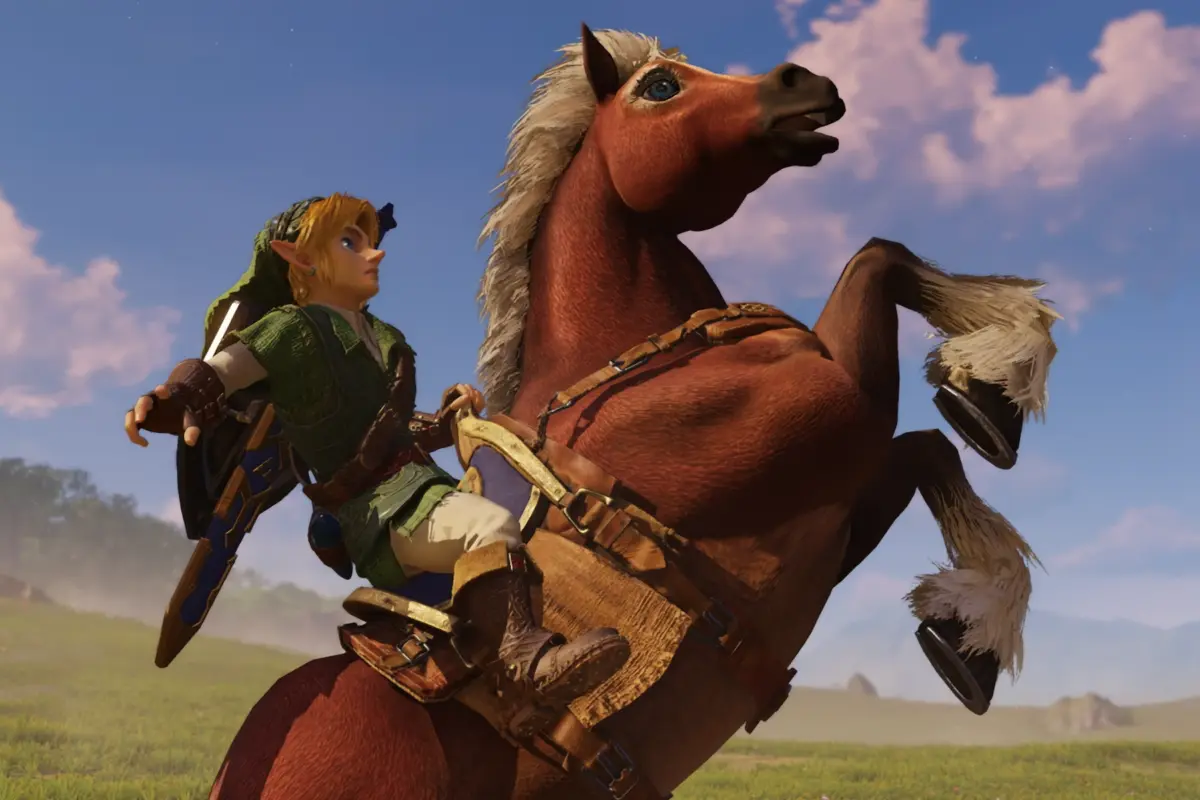
As The Legend of Zelda approaches its monumental 40th anniversary, Nintendo’s crown jewel fantasy franchise remains as vibrant and culturally ubiquitous as ever. While the titular princess herself seems impervious to the passage of time—shifting effortlessly across eras, art styles, and narrative iterations—the voice that has brought her to life in the modern era has a very human story behind it.
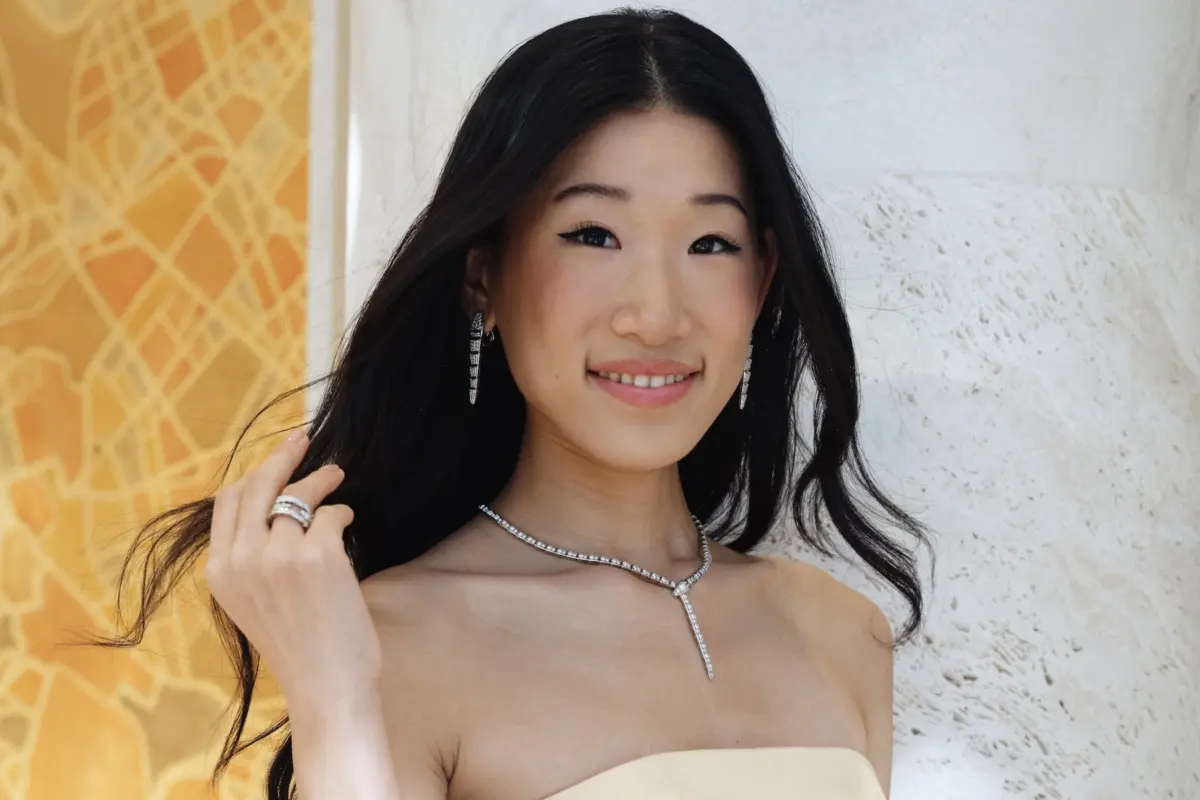
Actress Patricia Summersett has anchored the English-language persona of Princess Zelda since 2017’s critically acclaimed The Legend of Zelda: Breath of the Wild, subsequently reprising the role in Hyrule Warriors: Age of Calamity, The Legend of Zelda: Tears of the Kingdom, and Hyrule Warriors: Age of Imprisonment. Yet, in a twist fit for a video game secret, Summersett originally landed the most iconic voice-acting role of her career without ever knowing she was auditioning for Hyrule’s royal heir.
In a wide-ranging, exclusive interview, Summersett reflects on her decade-long journey with Nintendo’s flagship intellectual property, the organic and accidental genesis of her royal vocal performance, the visceral physical experience of portraying the character, and her perspective on the franchise’s expanding multimedia future—from upcoming remakes to the highly anticipated live-action feature film.
Detailed Chronology: The Accidental Birth of Modern Royalty
The journey of Patricia Summersett into the halls of Hyrule Castle began at a pivotal crossroads in her professional life. After spending a decade cementing her craft across theatrical and voice-acting stages in Canada and London, Summersett made the bold decision to relocate to Los Angeles.
Freshly arrived in Southern California with a newly assembled slate of audition packages, she found herself staring at an open casting call for a top-secret fantasy role. Like many major role-playing game (RPG) projects, the production was heavily guarded under code names and strict Non-Disclosure Agreements (NDAs).
[2017: Relocation to L.A.] ➔ [The Blind Audition (Secret RPG)] ➔ [Vocal Pitching & Archetype Selection] ➔ [Breath of the Wild Launch]Navigating the Blind Audition
"One of the funny things about how that voice was created was that I based it on the specs in the script — but not knowing that it was Zelda because it was secret," Summersett recalls.
Without knowledge of the character’s true identity, Summersett relied entirely on her acting instincts and the character breakdown provided in the casting brief. Reviewing her options across multiple character archetypes, she selected a foundational tone that felt naturally resonant within her physical frame.
Recognizing that her conversational speaking voice was too low to authentically convey a youthful princess, she carefully elevated her register. "I found the place that it sat right on my vocal cords," she explains. Factoring in the open-ended fantasy descriptions and a subtle nod toward a classic English cadence, she shaped a performance designed to impress casting directors, driven less by grand ambition and more by the practical need to secure work in a new city.
The Revelation and the Adrenaline Rush
Summersett admits that ignorance may have been her greatest asset during the process. "I’m glad I didn’t know what it was because that might have changed the outcome and I might have tried too hard on something," she reflects.
Upon signing the NDAs and discovering that she had officially secured the role of Princess Zelda, the reality of the situation hit her like a lightning bolt. Having grown up playing Nintendo consoles—famously bonding with her sister over the original Super Mario Bros. and Super Mario Bros. 3 on the NES, while also experiencing early entries like the original Zelda and Ocarina of Time—unveiling the truth felt, in her own words, "like drinking five Red Bulls or something. Skydiving. I knew it was powerful."
Supporting Context & Metrics: A Quarter-Century of Fandom and Physicality
As The Legend of Zelda franchise celebrates its landmark 40th anniversary, Summersett finds herself in the unique position of having lent her voice to a full 25% of the IP’s lifespan. This longevity has placed her at the intersection of a massive, multigenerational global fandom.
The Physicality of the Performance
While voice acting is often perceived as high-stress or vocally taxing—particularly when portraying distressed or battle-weary characters in epic fantasy wars—Summersett reports that voicing Zelda is surprisingly therapeutic.
- Vocal Warm-Ups: Requires focused preparation to hit the precise high-mid register.
- Post-Session Recovery: Induces a state of "deep relaxation" due to the soft, gentle constraints of the vocal placement.
- Energetic Center: Demands that the actor hold their core energy at a youthful, wide-eyed, open-hearted frequency, leaving the performer feeling warm and grounded.
"Even if she’s a thoughtful, heady character, the voice itself has to remain relaxed," Summersett notes. "So you get a sense of feeling very, very nice and warm afterward. Not all characters get to be like that."
Connecting with the Global Fandom
For nearly a decade, Summersett has traveled the globe attending comic conventions and fan gatherings. These interactions have reframed her understanding of the franchise’s cultural footprint. Fans frequently approach her to perform "Zelda’s Lullaby" on pocket ocarinas, demonstrating a universal emotional attachment to the lore.
Rather than feeling intimidated by the immense weight of the character’s legacy—which spans decades of silent text boxes before fully voiced iterations—Summersett learned to drop the heavy research during actual recording sessions. Though she initially dove into canonical texts like Hyrule Historia and even taught herself Twilight Princess Hylian upon landing the role, she stresses that execution requires pure presence. "You’ve got to just let all that go. Take the direction that is in front of you, and trust that they cast you because you have the essence of what they’re looking for."
Official Statements & Industry Perspectives
The interview sheds light on Summersett’s thoughts regarding the broader multimedia expansion of the Zelda universe, addressing persistent rumors surrounding upcoming interactive and cinematic projects.
The Upcoming "Ocarina of Time" Remake Rumors
Amid industry whispers regarding potential franchise revivals and a heavily discussed upcoming Ocarina of Time remake slated for release, Summersett remains tight-lipped within the bounds of standard industry confidentiality. When asked whether she is reprising her role for the classic title, she maintains professional diplomacy:
"I have no idea for Ocarina of Time. I wouldn’t be able to speak to that. It’s not a released game, so whether or not I was a part of it, I wouldn’t be able to say anyway. What I could say… is that I’m excited for people who are Zelda fans because they’ve been waiting for that for a long time."
The Live-Action "Zelda" Feature Film Adaptation
With Sony Pictures and Nintendo advancing their live-action The Legend of Zelda movie adaptation—starring Bo Bragason as Princess Zelda and scheduled for an April 2027 theatrical release—industry watchers have questioned how video game voice actors might factor into cinematic storytelling.
Summersett expresses genuine curiosity rather than protective ownership over the character’s cinematic shift: "In a way, I’d be the last person to weigh in on how I think it would be best adapted, because I’m not that kind of filmmaker or expert that they’ve assembled… I just leave a lot of room open for all sorts of different interpretations that different people bring to it."
When asked if she has been approached for a cameo or minor role in the film to honor the game’s vocal history, Summersett responds with practiced agility: "I couldn’t answer that one way or another. Of course, I’m a walking NDA… I love it when they do that for voice actors for sure and I hope that becomes a thing that is always implemented in the future as all the technologies sort of meld."
Future Outlook: Artistic Evolution and Independent Horizons
As both the Zelda franchise and Patricia Summersett mark milestones in their forties, the actress is channeling her accumulated experience into a diverse array of fresh creative endeavors.
While she continues her core work in undisclosed interactive video game projects, Summersett is concurrently returning to her early artistic roots established during her twenties:
- Musical Renaissance: Re-entering the recording studio with her band under a brand-new moniker and a completely reimagined sonic identity.
- Literary Pursuits: Commencing an essay-writing journey focused on long-form prose and introspection.
- Interactive Technology Experiments: Exploring the intersection of analog nature retreats—unplugging completely from modern devices—and cutting-edge interactive technology, including the integration of wearable musical controllers like Imogen Heap’s Mi.Mu gloves.
Navigating a Fractured Digital Landscape
Summersett views her current artistic trajectory as a direct reflection of the modern human condition. She observes that today’s creative landscape offers unprecedented tools at our fingertips, balanced against a distinct sense of fractured societal energy. By blending indie writing, experimental electronic music, and her enduring legacy as the voice of Hyrule’s princess, she continues to map out a remarkably dynamic career.
As The Legend of Zelda looks forward to its next forty years of innovation, storytelling, and adventure, fans can take comfort in knowing that the heart of Princess Zelda—both in the recording booth and within the passionate global community—remains in exceptionally warm and dedicated hands.