BRUSSELS — The European Union’s legislative approach to intellectual property enforcement may be on the cusp of a radical transformation. For years, sports leagues, broadcasting conglomerates, and content creators have accused Brussels of dragging its feet against the high-speed, highly lucrative underworld of live-streaming piracy. While the European Commission attempted to appease rightsholders in 2023 with non-binding recommendations—urging member states to streamline anti-piracy operations—the reality on the ground has remained starkly fragmented.
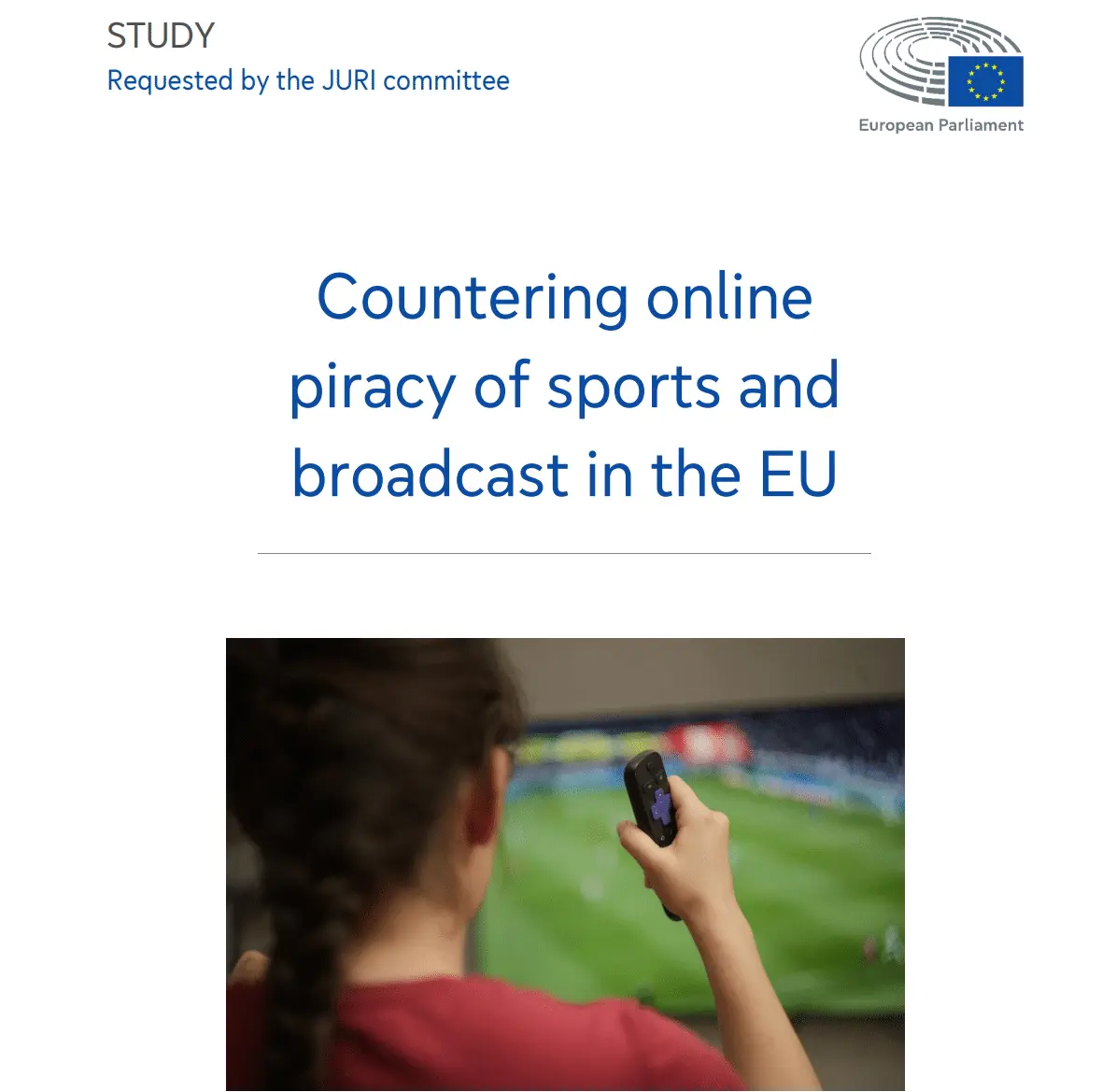
Now, a newly published policy study commissioned by the European Parliament’s Committee on Legal Affairs (JURI) threatens to upend the status quo. Authored by Professor Giovanni Maria Riccio of the University of Salerno and titled “Countering online piracy of sports and broadcast in the EU,” the report proposes replacing voluntary guidelines with strict, EU-wide binding regulations. At the heart of the proposal is a controversial mechanism: a mandatory 30-minute takedown window for live streams, modeled closely after Italy’s polarizing "Piracy Shield" system.
Yet, as lawmakers prepare to debate these sweeping measures, the report itself acknowledges a glaring paradox. Even as it champions the Italian model of rapid site and IP blocking, the study candidly details the severe collateral damage and "overblocking" phenomena that have plagued these very enforcement tools across Europe.
Executive Overview: A Paradigm Shift for EU Intellectual Property Enforcement
The commercial stakes surrounding live sports and major broadcast events have never been higher. Billions of euros in media rights hang in the balance, fueling an escalating digital arms race between rightsholders and pirate syndicates capable of spinning up ephemeral, multi-platform streaming networks within seconds.
For the past several years, rightsholders have lobbied Brussels for swift, centralized, and standardized remedies. They argue that the European Union’s current patchwork of national laws is too slow, bureaucratic, and technically ill-equipped to handle broadcasts that vanish or migrate domains before a standard court injunction can even be drafted.
The JURI-commissioned study directly echoes these frustrations, concluding that the current EU response is "fragmented and not fully adapted to the speed and technical complexity of live broadcasts." To bridge this gap, Professor Riccio’s report outlines three core pillars for a potential legislative overhaul:
- Binding Regulation: Transitioning away from voluntary, toothless member-state recommendations toward a unified EU-wide regulation targeted squarely at live-streaming piracy.
- The 30-Minute Clock: Enforcing a rapid takedown window—similar to Italy’s 30-minute threshold—that compels digital intermediaries to act immediately upon receiving validated piracy alerts.
- An "AGCOM" in Every State: Mandating that each EU member state establish or empower an independent administrative oversight authority to handle dynamic blocking orders without traditional, slow-moving judicial bottlenecks.
Despite these aggressive enforcement mechanisms, the report acknowledges deep fissures within the digital rights community. Privacy advocates, civil liberties groups, and technical experts have raised persistent alarms regarding the collateral damage of automated IP and DNS blocking, pointing to a trail of unintended casualties that includes human rights organizations, cloud infrastructure providers, and innocent web users.
Detailed Chronology: From Voluntary Advice to Binding Proposals
Understanding how Europe arrived at this legislative crossroads requires tracing the evolution of EU copyright policy and enforcement over the past half-decade.
The 2023 Recommendation: A Missed Opportunity
In May 2023, following mounting pressure from the sports and entertainment industries, the European Commission published a targeted recommendation concerning the fight against online piracy of sports and other live events. The document encouraged member states to empower rightsholders, facilitate dynamic injunctions, and ensure that intermediaries cooperated swiftly to remove unauthorized streams.
However, because the document was structured as a non-binding recommendation rather than a directive or a regulation, its implementation was left entirely to the discretion of national governments. The results were predictably uneven:
- The Italian Exception: Italy seized the momentum, rapidly developing and deploying its automated "Piracy Shield" platform, designed to block infringing IP addresses and domain names within minutes of a complaint.
- The Legislative Vacuum: Conversely, many other EU member states took little to no notable action, leaving rightsholders to rely on traditional, slow-moving court procedures that proved utterly ineffective against ephemeral live streams.
The Rise of Broad Injunctions (2024–2025)
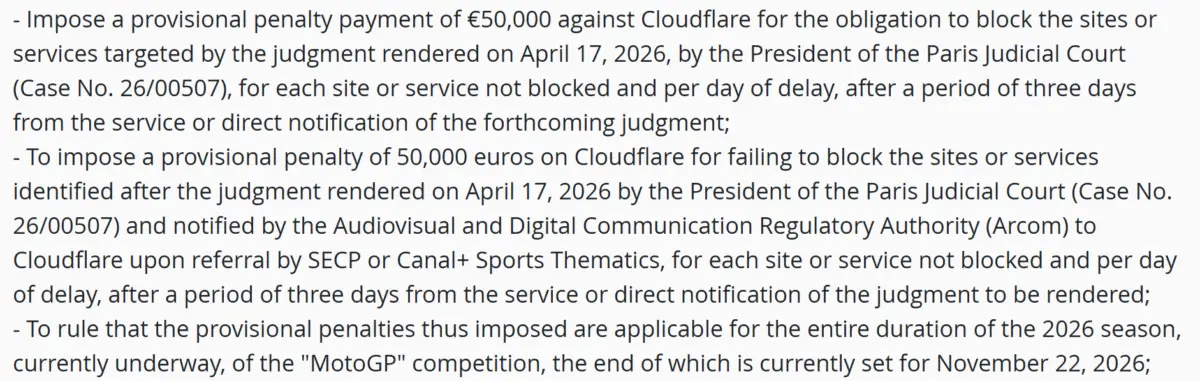
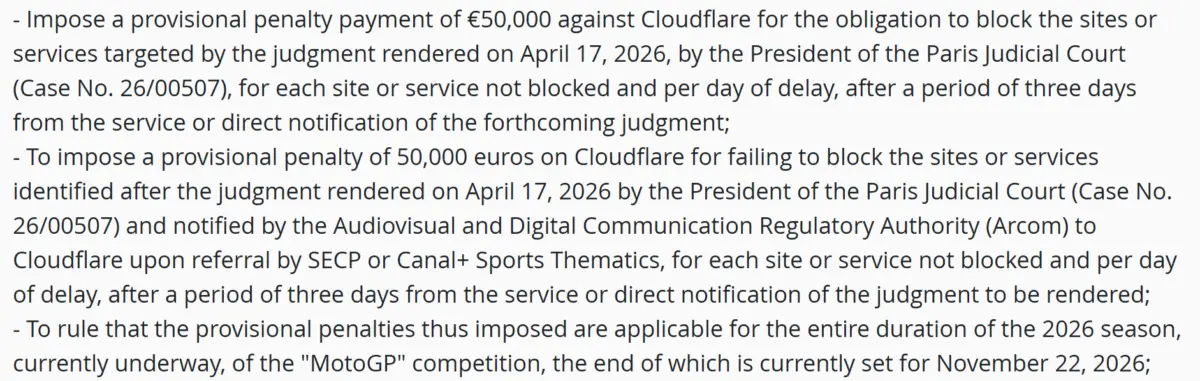
As national governments struggled to formulate unified policies, European courts began interpreting existing legal frameworks more aggressively. A notable precedent was set by the Paris Judicial Court, which issued simultaneous site-blocking orders not traditional internet service providers (ISPs), but also targeting third-party DNS resolvers and Virtual Private Network (VPN) providers.

This judicial expansion signaled a growing judicial appetite to hold the entire technological ecosystem accountable for copyright infringement—a philosophy that Professor Riccio’s new report seeks to codify into formal European law.
The JURI Study and Future Horizon (2026 and Beyond)
Commissioned to evaluate the efficacy of current European frameworks, Professor Riccio’s report arrives while the European Commission is actively reviewing the implementation of the Copyright in the Digital Single Market Directive.
The release of the study transforms what was once an isolated debate among industry lobbyists into a formal legislative talking point within the European Parliament. While the report currently stands as independent advisory research rather than an official bill, it provides pro-enforcement lawmakers with a concrete blueprint to push for a binding European regulation during the ongoing digital policy reviews.
Supporting Context & Metrics: The Mechanics and Perils of Dynamic Blocking
To appreciate why the JURI report’s recommendations are simultaneously hailed by rightsholders and feared by civil rights advocates, one must examine the technical mechanisms of modern live-streaming piracy and the tools deployed to fight it.
Expanding the Net: Intermediaries in the Crosshairs
Traditional anti-piracy efforts focused primarily on local ISPs, forcing them to block specific URLs or domain names. However, pirate networks have long since adapted, utilizing dynamic DNS routing, encrypted proxy services, and fast-flux hosting to evade basic ISP-level blocks.
The JURI report argues that an effective anti-piracy framework must cast a much wider net. It recommends that statutory obligations extend across the entire technical chain of content distribution. This includes:
- Content Delivery Networks (CDNs): Infrastructure providers like Cloudflare that cache and distribute web traffic globally.
- Third-Party DNS Resolvers: Services like Google Public DNS and OpenDNS that translate domain names into machine-readable IP addresses.
- VPN Providers: Commercial services that route user traffic through encrypted tunnels, frequently used to bypass geographical restrictions and simple regional blocks.
- Dedicated Hosting Providers and Server Renters: Companies that supply the backend computing power for illicit streaming panels.
The Collateral Damage Dilemma: Overblocking Metrics
The most contentious element of the report is its reliance on the Italian "Piracy Shield" model, which enforces automated blocks within a strict 30-minute timeframe. While this speed is lauded by sports leagues losing viewership revenue during live matches, empirical data reveals a terrifying downside: overblocking.
Because live pirate streams frequently share commercial cloud infrastructure, content delivery networks, and shared IP spaces with legitimate platforms, blunt IP and DNS blocks inevitably sweep up innocent digital real estate. The JURI report itself cites alarming empirical data that underscores this danger:
- The LaLiga Blocking Orders in Spain: Research published by the Open Observatory of Network Interference (OONI) analyzed the fallout from a sweeping blocking order issued during a LaLiga football match broadcast. The study revealed that more than 554,000 domains were blocked at least once during matches.
- Collateral Casualties: Among the innocent domains caught in the crossfire were high-profile humanitarian, international, and civic organizations, including UNICEF, the United Nations High Commissioner for Refugees (UNHCR), Amnesty International, the American Civil Liberties Union (ACLU), the Australian Senate, and critical cloud infrastructure endpoints such as Amazon S3.
Furthermore, the report references a comprehensive evaluation conducted by the Centre for European Policy Studies (CEPS). Earlier this year, CEPS published findings arguing that EU pirate site blocking is fundamentally broken, going so far as to call for an outright ban on IP-based blocking and advocating that rightsholders be held legally liable for the collateral damage inflicted on innocent businesses and organizations.
Despite quoting these warnings verbatim, Professor Riccio’s report paradoxically recommends rolling out the Piracy Shield approach across the entire European Union. To reconcile this contradiction, the study suggests implementing strict procedural safeguards: limiting blocks strictly to the duration of the live event, maintaining robust judicial or administrative oversight, and adhering strictly to the proportionality principles established by the Court of Justice of the European Union (CJEU).
Official Statements and Industry Perspectives
The release of the JURI study has intensified an already polarized debate between intellectual property advocates, technology giants, and digital rights organizations.

The Rightsholder Perspective: Urgency Over Perfection
Major sports bodies—including UEFA, the English Premier League, and European broadcasting alliances—have long maintained that speed is the single most critical factor in combating live sports piracy. From their perspective, the economic value of a live football match or tennis final depreciates to zero the moment the final whistle blows.
Proponents of the 30-minute takedown rule argue that while overblocking is regrettable, it represents an acceptable margin of error in a fast-moving war against organized digital crime. They contend that administrative bodies like Italy’s AGCOM provide a vital middle ground, offering a streamlined alternative to sluggish court systems without entirely stripping away regulatory oversight.
The Tech and Civil Society Pushback
Conversely, technology giants and privacy advocates view mandatory 30-minute automated blocking regimes as a direct threat to an open and stable internet.
Tech heavyweights, including Google, have repeatedly warned European policymakers against broad, automated site-blocking mandates, arguing they undermine network reliability, encourage systemic censorship, and force infrastructure providers to act as unaccountable private police forces.
Civil liberties groups point out that even if a block is lifted after a live match concludes, the temporary suppression of a legitimate news site, human rights portal, or cloud storage bucket can cause catastrophic operational and reputational damage. They argue that rushing legislation based on the flawed Italian model will institutionalize systemic collateral damage across the digital single market.
Future Outlook: Navigating the Legislative Labyrinth
As the European Commission continues its review of the Copyright in the Digital Single Market Directive, the JURI study serves as a potent focal point for future legislative battles.
For the time being, Professor Riccio’s recommendations remain advisory. Transforming a third-party academic study into a binding European Regulation requires navigating a labyrinthine legislative process involving the European Commission, the European Parliament, and the Council of the European Union.
Both pro-blocking rightsholder lobbies and anti-blocking technology coalitions are aggressively mobilizing their resources in Brussels. Rightsholders will continue to push for harmonized, pan-European blacklist mechanisms and swift intermediary liability laws. Meanwhile, digital rights defenders and infrastructure providers will fight tooth and nail to protect the integrity of the internet’s routing architecture, demanding that any future legislation prioritizes accuracy and accountability over reckless speed.
One reality remains indisputable: as long as live-streaming piracy remains a multi-billion-euro grey market, the tension between protecting copyright holder revenues and preserving digital collateral integrity will remain one of the most fiercely contested battlegrounds in European law.