By Diego Nicolás Argüello | Contributing Editor, News
Published: September
Executive Overview
In what is easily one of the most unexpected yet monumental alliances in modern gaming history, Polish powerhouse CD Projekt Red and American industry veteran Blizzard Entertainment have officially announced a long-term strategic business partnership. The collaboration, described by both studios as a cooperative effort "three decades in the making," promises to bridge two distinct ecosystems of massive online and single-player RPG storytelling.
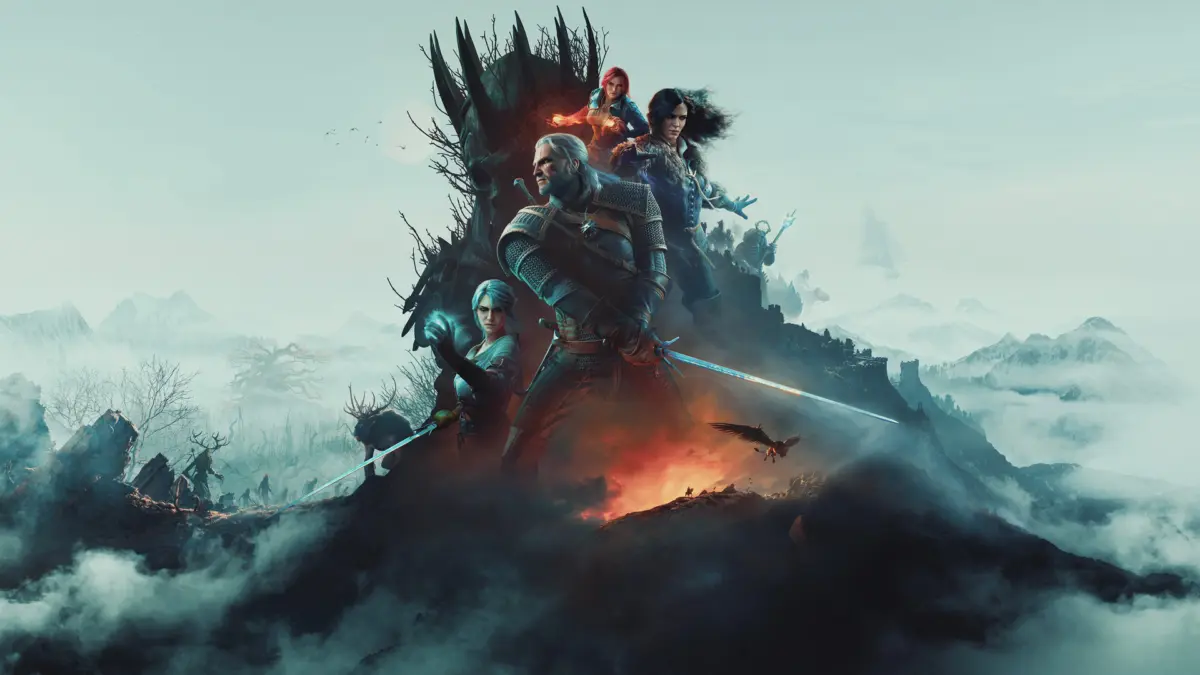
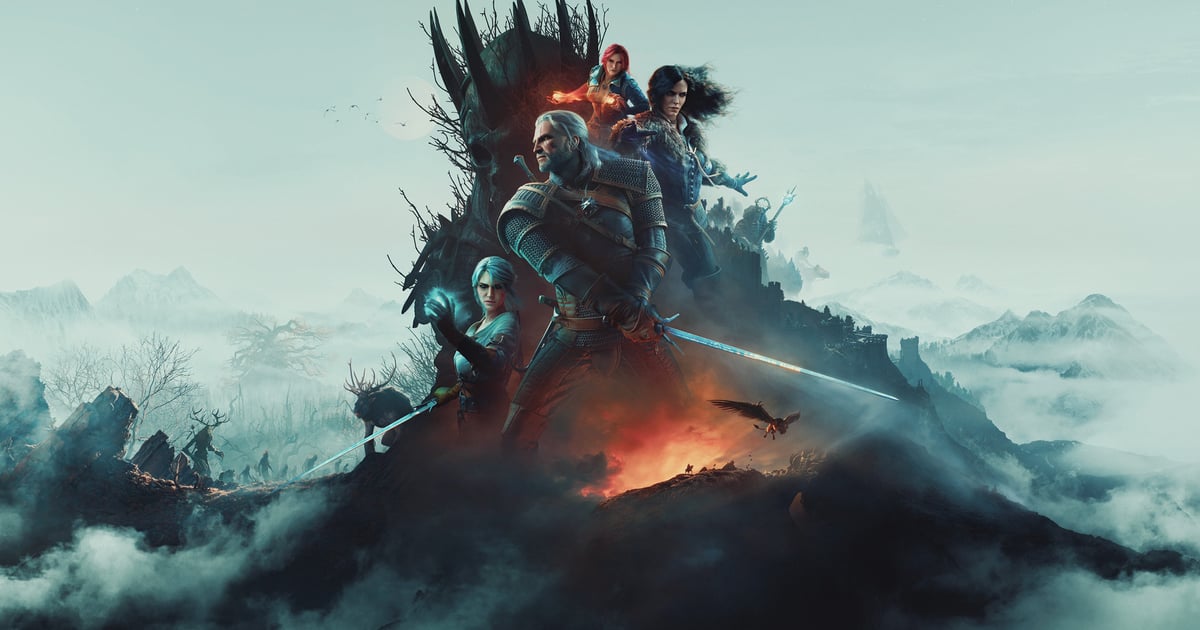
The partnership kicks off next month with the launch of The Witcher 3: Wild Hunt – Remastered on Blizzard’s proprietary PC platform, Battle.net, scheduled for release on September 29. The remastered rendition of the globally acclaimed open-world RPG will not arrive alone; it will be accompanied next year by an all-new expansion titled Songs of the Past.
As part of this cross-pollination of intellectual properties, Blizzard is also introducing cross-promotional incentives within its own ecosystem. Players who purchase the upcoming expansion via the Battle.net store will unlock an exclusive, meticulously crafted cosmetic skin for Diablo IV styled after Geralt of Rivia, the iconic protagonist of The Witcher franchise.
While the immediate focus remains on bringing one of the defining RPGs of the last decade to a new digital storefront, representatives from both CD Projekt Red and Blizzard have teased that this is merely the tip of the iceberg. Further details regarding the scope of the collaboration are slated to be revealed during BlizzCon 2026. However, the partnership also arrives against a backdrop of corporate restructuring, recent layoffs, and ongoing development cycles for major tentpole sequels at CD Projekt Red, injecting both excitement and critical industry scrutiny into the timing of the announcement.
Detailed Chronology of the Partnership
Rumors and whispers of an impending crossover between the creators of The Witcher and the architects of Diablo had circulated within industry circles for weeks, but the official confirmation arrived in tandem via official blog posts from both CD Projekt Red and Blizzard Entertainment.
The rollout of the partnership is structured in precise phases, beginning with digital distribution and scaling into cross-platform content integration:
- September 29: The Witcher 3: Wild Hunt – Remastered launches globally on Battle.net. This marks the first time a core CD Projekt Red title will be natively accessible through Blizzard’s launcher, opening up the title to millions of PC users who historically utilized Steam, Epic Games Store, or GOG (which, notably, is CD Projekt’s own sister company).
- Late Next Year: The release of Songs of the Past, a brand-new expansion for The Witcher 3: Wild Hunt – Remastered, will debut simultaneously across platforms, with special integration and purchasing incentives housed within the Battle.net ecosystem.
- BlizzCon 2026: Executives and developers from both companies are scheduled to take the stage to outline the next phases of the partnership, which may or may not encompass future intellectual properties.
Crucially, the synergy is not a one-way street. Blizzard’s flagship dark fantasy action-RPG, Diablo IV, is slated to receive a high-profile crossover event. Players who secure Songs of the Past or purchase The Witcher 3: Wild Hunt – Remastered directly through the Battle.net store will be granted an exclusive cosmetic armor and weapon skin set that transforms Diablo IV characters into a visual homage to the White Wolf himself, Geralt of Rivia.
This blending of Sanctuary and the Continent represents a fascinating cultural exchange between two distinct schools of Western role-playing game design: Blizzard’s emphasis on isometric, loot-driven action and endgame loops, contrasted with CD Projekt Red’s cinematic, narrative-first, third-person open-world ethos.
Supporting Context & Metrics: CDPR’s Post-Cyberpunk 2077 Era
To fully understand the weight of this partnership, one must examine the current corporate and operational climate at CD Projekt Red. The Polish developer is navigating a complex transitional period following the tumultuous launch, redemption arc, and eventual commercial triumph of Cyberpunk 2077.
The Cyberpunk 2077 Milestone and Structural Shifts
Launched in December 2020 amid severe technical instability—particularly on last-generation consoles—Cyberpunk 2077 endured a punishing initial reception that forced CD Projekt Red into years of intensive remediation. Through steady patch updates, the critically acclaimed Phantom Liberty expansion, and the comprehensive 2.0 overhaul, the futuristic sci-fi RPG successfully rehabilitated its public image and commercial viability.
Earlier this year, CD Projekt Red confirmed a monumental milestone: Cyberpunk 2077 has officially sold over 40 million copies worldwide. This cements the title as a modern financial success, validating the studio’s long-term commitment to fixing and expanding the game.
Internal Restructuring and Project Adjustments
Despite these robust sales figures, the studio has not been immune to the broader economic contractions and strategic realignments affecting the global video game industry. Earlier this month, CD Projekt Red implemented a round of layoffs affecting nine developers. These employees had been working on a multiplayer-focused Witcher spin-off project codenamed Project Sirius.
In an effort to mitigate the impact of these layoffs, management confirmed that nine of the affected personnel were successfully retained and invited to apply for open roles across other active development pipelines within the company. This delicate balancing act—pivoting human resources away from experimental satellite projects while doubling down on core franchises—explains why partnering with an established infrastructure like Blizzard’s Battle.net makes strategic sense. By leveraging external distribution networks and cross-promotional marketing muscle, CD Projekt Red can optimize its operational reach without overextending its internal development bandwidth.
Official Statements and Industry Reactions
The joint announcement has elicited widespread commentary from analysts, developers, and fans alike, largely due to the unexpected nature of two historically independent giants joining forces.
In their official joint release, CD Projekt Red emphasized the long-term potential of the alliance:
"Bringing these games to Battle.net is just the beginning of our partnership with Blizzard. For three decades, both of our studios have shaped what players expect from expansive fantasy and sci-fi worlds. Uniting our communities represents a natural evolution in how we deliver memorable experiences to gamers worldwide."
Blizzard Entertainment echoed these sentiments, pointing to the thematic harmony between their respective dark fantasy universes. While Diablo has long defined the gothic, visceral end of the Western ARPG spectrum, The Witcher has dominated the narrative-driven fantasy space. Integrating Geralt of Rivia into the gritty underworld of Sanctuary via Diablo IV is viewed by marketing experts as a masterclass in audience cross-pollination.
Industry analysts have noted that Battle.net has slowly evolved from a walled garden exclusively reserved for Blizzard-published titles—such as World of Warcraft, Diablo, Overwatch, and StarCraft—into a more selective third-party storefront. Hosting a heavyweight external title like The Witcher 3 signals a strategic shift for Activision-Blizzard (under Microsoft’s broader corporate umbrella), transforming Battle.net into a more versatile PC gaming hub.
Future Outlook: What Lies Ahead for CDPR and Blizzard?
As the gaming community looks toward the September 29 release of The Witcher 3: Wild Hunt – Remastered on Battle.net and anticipates the arrival of Songs of the Past next year, larger questions loom regarding the long-term trajectory of this partnership.
Expanding Beyond The Witcher 3
At present, CD Projekt Red has remained tight-lipped regarding whether this collaboration will extend to its upcoming slate of mega-projects currently deep in development. Among these are:
- The Witcher IV (Codename Polaris): The next AAA installment in the flagship franchise, intended to kick off an entirely new trilogy built in Unreal Engine 5.
- Project Orion: The official sequel to Cyberpunk 2077, being spearheaded by CD Projekt Red’s newly established North American studios in Boston and Vancouver.
While leadership has not confirmed if Polaris or Orion will find their way to Battle.net alongside Steam and other storefronts, the phrasing used in their initial announcements—describing the current agreement as "just the beginning"—leaves the door wide open for deeper distribution ties.
All Eyes on BlizzCon 2026
With future roadmaps shrouded in mystery, all speculative momentum is now directed toward BlizzCon 2026. As the event approaches, both companies are expected to pull back the curtain on the broader roadmap of their alliance. Whether this partnership evolves into joint technological initiatives, deeper cross-overs, or simply a robust distribution pipeline for future software, the CD Projekt Red and Blizzard collaboration has indelibly altered the landscape of contemporary game publishing partnerships.