Executive Overview
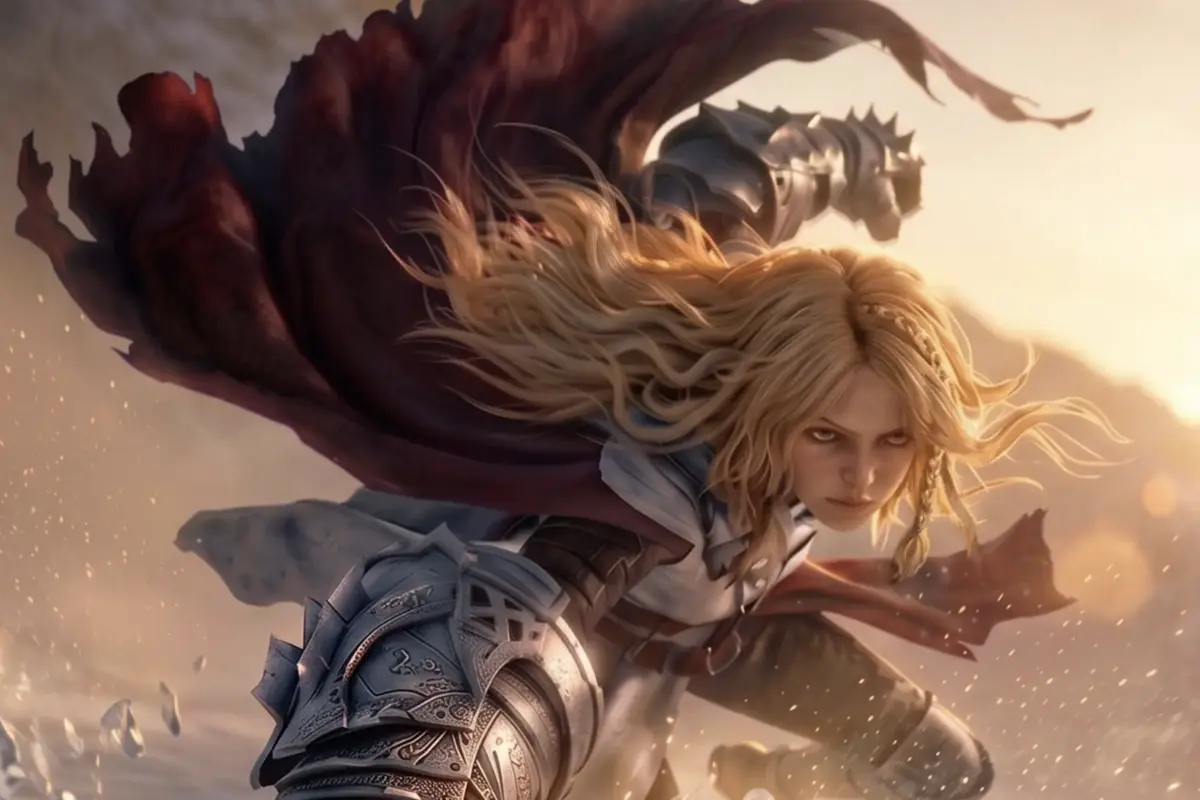
In a sweeping realignment of its interactive entertainment division, Amazon Game Studios has officially announced that it will hand Western territory publishing responsibilities for two of its most prominent massively multiplayer online (MMO) titles back to their original creators. Publishing duties and live-operations control for Throne and Liberty will return to developer NC (operating through its subsidiary FirstSpark Games), while Lost Ark will be transitioned back to its developer, Smilegate.
This decisive maneuver represents a profound strategic pivot away from the heavily saturated and resource-intensive MMO marketplace—a sector that Amazon had heavily targeted in its initial bid to become a dominant force in modern video game publishing. The decision follows a turbulent period of corporate restructuring across the broader Amazon enterprise, which included profound layoffs impacting thousands of corporate workers and hitting the games division hard.
Moving forward, Amazon Game Studios is reallocating its internal capital and development resources toward high-profile AAA single-player and cooperative franchises—such as the highly anticipated upcoming Tomb Raider titles—as well as expanding its cloud-based ecosystem via Amazon Luna, casual party-game initiatives, and licensed-title commercial ventures.
While Amazon has assured the millions of players invested in Lost Ark and Throne and Liberty that account data migrations will be handled automatically, the handoff is not without friction. Certain user-generated data points, such as internal chat histories, social memos, and guild nicknames in Lost Ark, will not survive the technical migration. As Smilegate and NC prepare to resume direct oversight of their respective intellectual properties in the West, the gaming industry watches closely to see how this impacts the global operational health of these massive online ecosystems.
Detailed Chronology: The Rise and Retraction of Amazon’s MMO Empire
To understand the magnitude of Amazon’s recent announcement, it is necessary to examine how the tech giant positioned itself as a major Western gateway for Korean massively multiplayer online role-playing games (MMORPGs).
The Ambition to Conquer the MMO Market
When Amazon Game Studios first launched its publishing arm with serious intent, the strategy relied on identifying critically acclaimed, established foreign MMOs that lacked a robust Western infrastructure, and leveraging Amazon’s world-class cloud computing architecture (Amazon Web Services, or AWS) and global logistics network to bring them to North American and European audiences.
Lost Ark, developed by Smilegate RPG, originally launched in South Korea in 2019 and quickly became a global phenomenon. Recognizing its potential, Amazon partnered with Smilegate to bring the isometric action-RPG to Western audiences in February 2022. The launch was an unprecedented success for Amazon Game Studios, shattering concurrent player records on Steam and cementing Amazon as a viable, heavyweight publishing entity. Buoyed by this triumph, Amazon doubled down on the strategy, securing publishing rights for NC’s Throne and Liberty, a sprawling fantasy MMORPG that underwent years of iterative development before its eventual Western release under Amazon’s banner.
Cracks in the Foundation and Corporate Retrenchment
Despite the initial high-water marks of Lost Ark and the steady performance of Throne and Liberty, the financial and operational realities of maintaining live-service MMOs at scale began to take their toll. Running a live-service MMO requires massive, continuous investments in customer support, localization, community management, server infrastructure, and rapid content updates.
Concurrently, the broader macroeconomic climate caught up with Amazon. Amid enterprise-wide cost-cutting measures that saw the elimination of tens of thousands of corporate jobs, the gaming division faced a reckoning. Last October, Amazon’s games division suffered a significant wave of layoffs. These cuts signaled an end to the era of unchecked experimentation and growth, forcing leadership to ruthlessly evaluate which projects offered the highest return on investment.
The Official Handover Announcement
The culmination of these internal pressures arrived on a Wednesday, when Amazon Game Studios published its formal statement detailing the return of publishing rights.
"As part of our continued strategic evolution, we have made the decision to transition live operations of ‘Lost Ark’ and ‘Throne and Liberty’ back to their respective development studios," Amazon Game Studios stated. "We have tremendous respect for the teams at Smilegate and NC, the worlds they’ve built and the passionate communities that have grown around these games. We’re proud of what we accomplished together and are committed to ensuring a smooth transition for players."
With this announcement, Amazon officially closes the book on its aggressive external MMO publishing experiment, returning the custody of these virtual worlds to the very developers who birthed them.
Supporting Context & Metrics: What the Transition Means for Players
For the millions of active players who log into Lost Ark and Throne and Liberty daily, transitions of this scale inevitably breed anxiety regarding account security, asset retention, and service continuity. Amazon, Smilegate, and NC have released detailed roadmaps to mitigate player concerns, though technical limitations mean some data loss is unavoidable.
Account Migration Timelines and Mechanics
The handovers will occur in distinct phases to ensure technical stability:
- Throne and Liberty: Account migrations are slated to begin later this year.
- Lost Ark: Account migrations are scheduled for early 2027.
For the vast majority of players, the migration process will be fully automated. Accounts, progress, purchased cosmetic items, and core inventories will transfer directly from Amazon’s servers to the respective developer infrastructure.
Financial and Subscription Adjustments
To prevent billing complications and double-charges during the handoff, all active recurring subscriptions will be systematically canceled prior to the transition date. However, players can rest assured that any existing, unused in-game currency balances or pre-paid subscription credit will carry over seamlessly into the new publisher systems.
Inevitable Casualties: What Will Not Transfer
While core character progression and inventories are protected, technical incompatibilities between Amazon’s database architectures and those of Smilegate and NC mean certain legacy data points cannot be preserved.
For Lost Ark players, the transition will scrub several non-essential social and historical data records. Specifically, the following information will not be transferred:
- In-game mail messages
- Friends list memos and notes
- Blacklist memos
- Guild member nicknames and custom internal rankings
- Stronghold gift history and messages
- Comprehensive personal chat histories
Players who wish to preserve historical chat logs or contact details of friends outside the game’s native systems are advised to take screenshots or manual records ahead of the migration window. Furthermore, both Smilegate and NC have warned that brief periods of server downtime will be necessary as the technical baton is passed, with exact schedules to be communicated via official community channels.
Official Statements and Industry Impact
The decision by Amazon to step back from Western MMO publishing sends shockwaves through the video game industry, illustrating the immense pressure major tech companies face when managing complex, long-term live-service titles.
The Perspective from Amazon Game Studios
Internally, Amazon leadership has framed this pivot not as a retreat from gaming, but as a deliberate narrowing of focus. By shedding the external publishing burdens of games they did not natively create, Amazon Game Studios can concentrate its financial muscle and engineering talent on proprietary intellectual property.
By offloading Lost Ark and Throne and Liberty, Amazon removes the operational drag of customer support loops, continuous patch localization, and publisher-developer friction. This allows the studio to streamline its organizational chart in the wake of last year’s layoffs, stabilizing its workforce around core strategic pillars.
The Response from Smilegate and NC
For Smilegate and NC, taking direct control of Western operations represents both a challenge and an opportunity. Operating a game globally requires localized marketing, dedicated community management, and infrastructure management that foreign studios often outsource precisely because of the logistical hurdles involved.
However, both companies have expressed confidence in their ability to manage their respective communities directly. Operating under its subsidiary FirstSpark Games, NC is well-positioned to integrate Throne and Liberty into its broader global publishing pipeline. Similarly, Smilegate—which has continued to expand its international footprint with titles like Crossfire and various RPG projects—brings deep institutional knowledge to the direct management of Lost Ark. Industry analysts note that while establishing a direct Western publishing arm requires upfront investment, it ultimately allows developers to capture 100% of regional revenues without splitting margins with a third-party intermediary like Amazon.
Future Outlook: Amazon’s Refocused Gaming Strategy
With the external MMO publishing chapter closed, what does the future hold for Amazon Game Studios? The company’s roadmap reveals a diversified strategy centered on three distinct pillars: AAA franchise development, cloud-gaming ecosystem expansion, and casual/licensed entertainment.
1. High-End AAA Franchises
Amazon has committed its premier internal development studios to massive, globally recognized intellectual properties. Chief among these is the ongoing collaboration with Crystal Dynamics to develop the next major entries in the iconic Tomb Raider franchise. By focusing internal talent on world-class, single-player and story-driven cooperative experiences, Amazon aims to capture the prestige and critical acclaim associated with top-tier console gaming, steering clear of the volatile live-service MMO rat race.
2. Expanding Amazon Luna and Cloud Gaming
Rather than relying solely on traditional client-based PC and console sales, Amazon is aggressively leveraging its cloud infrastructure to position Amazon Luna as a versatile gaming hub. The studio is investing heavily in "game night"-style party games designed for instant access, low friction, and broad demographic appeal. By integrating Luna more tightly into Amazon Prime Video and Prime ecosystems, the company aims to turn cloud streaming into a seamless, ubiquitous entertainment option for households worldwide.
3. Licensed-Title Ventures and Agile Publishing
Amazon is not entirely abandoning third-party publishing, but it is fundamentally changing its approach. Instead of managing sprawling, decade-long live-service MMOs that demand endless content treadmills, Amazon’s future publishing efforts are expected to focus on targeted, finite, or licensed-title businesses where the resource commitment is predictable and manageable.
Conclusion
Amazon Game Studios’ decision to return Lost Ark to Smilegate and Throne and Liberty to NC marks the end of an ambitious, yet ultimately unsustainable, chapter of MMO publishing for the retail and tech giant. While the transition will cause minor disruptions for loyal players—particularly those losing chat histories and social memos in Lost Ark—the long-term impact points toward a more stable, focused Amazon Games. By redirecting its considerable resources toward AAA powerhouses like Tomb Raider and expanding the horizons of Amazon Luna, Amazon is charting a pragmatic path forward in an increasingly competitive interactive entertainment landscape.