





Executive Overview
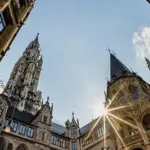
As the digital ecosystem expands at a breakneck pace, the intersection of content creation, artificial intelligence, and Digital Asset Management (DAM) has never been more critical to enterprise success. This week, the global marketing and media technology community turns its attention to Munich, Germany, as the city prepares to host the highly anticipated Content Creation Conference. Scheduled for October 27, 2026, this premier international event is set to convene over 100 senior-level marketing executives, Chief Marketing Officers (CMOs), Vice Presidents, and Content Directors primarily from the DACH region (Germany, Austria, and Switzerland).
The conference arrives at a pivotal juncture for the industry. Organizations are grappling with an unprecedented deluge of digital content, mounting pressures to personalize customer experiences at scale, and the transformative—yet disruptive—rise of generative artificial intelligence. Against this backdrop, the Munich summit offers an authoritative forum designed to dissect how modern enterprises can harness next-generation technologies to streamline workflows, govern brand compliance, and elevate storytelling.
Simultaneously, the digital curation community is gearing up for another major global gathering: the upcoming DLF Forum 2026, taking place virtually on October 14th and 15th. Together, these two landmark events underscore a broader industry-wide realization: whether in corporate marketing or within the galleries, libraries, archives, and museums (GLAM) sectors, the efficient organization, storage, and deployment of digital assets are the bedrock of operational resilience and strategic growth.
Detailed Chronology and Event Landscape
The lead-up to the October 27 conference has been marked by intense preparation from organizers, sponsors, and attendees alike. Below is a detailed timeline and structural overview of the events shaping the digital asset management and content creation calendar for October 2026:
- Early October 2026: Finalization of the speaker roster and sponsorship alignment, featuring industry heavyweights such as leading DAM vendors Bynder and Papirfly. Early-bird registration closes, with final tier pricing established at €1,400 for content marketing professionals and €2,500 for vendors and solution providers.
- October 14–15, 2026 (Upcoming): The virtual DLF Forum 2026 commences. This specialized gathering brings together GLAM practitioners from around the globe to discuss digital library federation, metadata standards, archival preservation, and emerging technological trends within cultural heritage institutions.
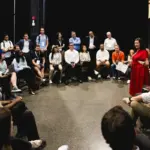
- October 27, 2026 (Main Event): The Content Creation Conference opens its doors in Munich, Germany. The single-day intensive summit features keynote presentations, panel discussions, and interactive workshops centered on AI-driven content ecosystems, CMS modernization, and brand governance.
- Post-Conference (Late October 2026 Onward): Continued engagement via digital networking channels, publication of whitepapers derived from conference findings, and the integration of session takeaways into enterprise marketing strategies heading into the final quarter of the fiscal year.
Supporting Context, Core Themes, and Financial Metrics
The financial investment required to attend the Content Creation Conference reflects its high-level target audience. With ticket prices pegged at €1,400 for corporate content marketing professionals and €2,500 for vendors and technology solution providers, the summit is explicitly curated for decision-makers who hold budgetary control and strategic influence within their respective organizations.
Key Pillars of the Munich Conference
- AI-Powered Content and Automation:
With generative AI rapidly evolving from a novelty into an enterprise standard, attendees will explore how machine learning algorithms can be embedded into content pipelines. Discussions will focus on automating repetitive tasks, scaling localized content production, and maintaining quality control without sacrificing brand voice. - DAM and CMS Technologies Integration:
Siloed systems remain one of the greatest bottlenecks to productivity. Industry experts will demonstrate how tightly integrated Digital Asset Management (DAM) and Content Management Systems (CMS) eliminate friction, allowing marketing teams to unearth, repurpose, and distribute digital assets seamlessly across omnichannel touchpoints. - Advanced Storytelling and Visual Content Strategy:
In an era of shrinking human attention spans, compelling visual narratives are paramount. Sessions will dissect how brands can leverage high-impact imagery, interactive media, and dynamic video assets to capture market share. - Brand Compliance and Governance:
As organizations decentralize content creation, the risk of brand dilution or legal non-compliance skyrockets. The conference will highlight how robust DAM frameworks enforce usage rights, license tracking, and visual identity guidelines globally. - Social Media Marketing and Personalization:
Data-driven social strategies will be unpacked, offering attendees actionable insights into audience segmentation, real-time engagement metrics, and cross-channel campaign orchestration.
Official Statements and Industry Insights
The philosophy underpinning the Munich conference was powerfully articulated in the event’s official manifesto. Organizers emphasized the transformative power of structured digital operations, noting:
“Attend our conference to stay informed on the latest marketing and content creation trends, network with peers and experts, boost your creativity, and build your personal brand recognition. Enhance your skills and stay ahead of the curve. Learn how efficiently organizing your digital assets can boost productivity and streamline workflows. Experience the benefits of seamless collaboration and get ahead in the game by learning about digital asset management from experts.”
This sentiment resonates deeply with enterprise leaders who have watched digital asset volumes grow exponentially over the past decade. Without sophisticated cataloging, metadata tagging, and automated categorization, terabytes of valuable media quickly degrade into digital dark matter—inaccessible, underutilized, and costly to store.
Furthermore, the involvement of prominent industry sponsors such as Bynder and Papirfly signals a strong commercial backing for the event. These market-leading DAM vendors are expected to showcase their latest cloud-native architectures, demonstrating how modern software-as-a-service (SaaS) platforms empower globally distributed teams to collaborate in real-time while maintaining absolute control over master assets.
Future Outlook: The Convergence of DAM, AI, and Enterprise Strategy
As we look beyond the events of October 2026, the trajectory of content creation and digital asset management points toward total ecosystem integration. Several key trends are projected to dominate the corporate landscape over the next three to five years:
1. Autonomous Asset Lifecycle Management
Future DAM platforms will increasingly rely on autonomous AI agents to manage the entire lifecycle of a digital asset—from ingestion and intelligent auto-tagging to performance tracking and automated archival or deletion. Human intervention will shift from manual curation to high-level strategic governance.
2. Hyper-Personalization at Scale
Driven by advanced analytics and modular content repositories, brands will move away from monolithic campaigns. Instead, they will deploy dynamic, AI-assembled creative assets tailored in real time to individual consumer profiles, geographic locations, and behavioral triggers.
3. Cross-Sector Collaboration (Corporate Meets Cultural Heritage)
While corporate DAM focuses heavily on ROI, conversion rates, and brand compliance, lessons learned from the GLAM sector (highlighted at events like the DLF Forum) regarding long-term digital preservation, metadata standardization, and ethical curation are increasingly bleeding over into enterprise boardrooms. Forward-thinking corporations are beginning to view their digital assets not merely as marketing collateral, but as permanent corporate heritage that requires institutional-grade archiving.
4. Open Ecosystems and Interoperability
The days of proprietary, closed-loop software stacks are numbered. The market is demanding open APIs and headless architectures that allow DAM systems to communicate fluidly with emerging AI models, enterprise resource planning (ERP) software, and customer data platforms (CDPs).
Conclusion
The convergence of senior marketing leaders in Munich this October—alongside the virtual assembly of archival and library experts—highlights a profound truth: the modern world runs on digital content, and the organizations that master its management will dominate the next era of commerce and culture.
For professionals attending the Content Creation Conference, the investment of time and resources promises immediate returns in the form of cutting-edge strategies, invaluable peer networks, and a clearer roadmap for navigating the AI-driven future. Meanwhile, for those utilizing platforms like Digital Asset Management News to track these developments—including the ability for all registered subscribers to contribute events to the community calendar—the message is clear: staying informed, adaptable, and technologically agile is no longer optional; it is the ultimate prerequisite for sustained professional and organizational survival.