






Executive Overview
The meteoric rise of generative artificial intelligence has fundamentally altered the global technological and industrial landscape. Over the past two years, massive AI data centers—vast facilities humming with hundreds of thousands of specialized accelerators—have dominated corporate boardrooms, real estate markets, and financial headlines. However, as the industry charges through the final quarter of 2026, a profound socio-political reckoning has arrived.
What began a year ago as low-level murmurings of discontent among local residents has crystallized into a vociferous, highly organized cacophony of public opposition. Communities across North America and Europe are pushing back against the unprecedented resource demands of hyperscale computing facilities. Concerns over spiking electricity rates, strained municipal water supplies, unrelenting industrial noise, and the visual blight of sprawling server farms have transformed local zoning boards and town hall meetings into battlegrounds.
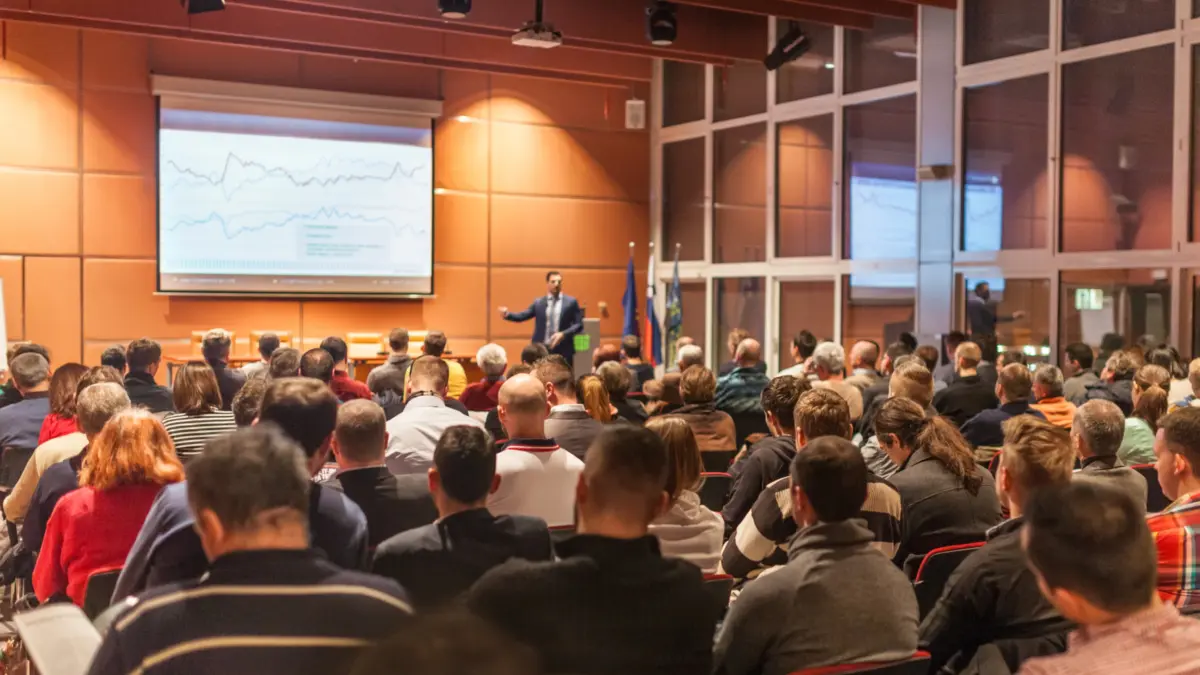
This growing friction came to a head at the recent Data Center World Power event in Dallas, held September 21–23, 2026. Rather than focusing solely on hardware densities, cooling efficiencies, or chip architectures, industry leaders dedicated numerous marquee sessions to an existential challenge: social license to operate. As executives from premier firms like QTS Data Centers, Hecate Energy, and Switch candidly discussed, the traditional playbook of secretive site selection and non-disclosure agreements (NDAs) is dead. To survive the AI infrastructure boom, developers must abandon archaic operational models, embrace radical transparency, co-develop power solutions directly with utilities, and offer tangible, long-term economic benefits to the neighborhoods that host them.
Detailed Chronology: From Quiet Expansion to Public Outcry
To understand the current crisis of public confidence, one must examine the rapid trajectory of the data center industry over the past three years.
The 2024 Inflection Point: The Gold Rush Era
In 2024, the debut of next-generation large language models sparked a corporate land grab. Technology giants and specialized real estate investment trusts (REITs) scrambled to secure land parcels with robust fiber connectivity and immediate access to transmission lines. During this phase, secrecy was the currency of the realm. Developers frequently utilized shell companies, secured land options quietly, and leveraged non-disclosure agreements with municipal officials to push projects through zoning committees before local residents fully grasped the scale of the impending developments.
For smaller enterprise data centers or traditional cloud facilities, this covert approach typically encountered minimal resistance. These legacy facilities exerted modest loads on municipal utilities, blended discreetly into industrial parks, and generated quiet local tax revenues without alarming nearby neighborhoods.
The 2025 Reality Check: Cracks in the Infrastructure
By 2025, the sheer scale of AI infrastructure began to overwhelm local grids. Hyperscale campuses that once consumed 10 to 30 megawatts rapidly ballooned into gigawatt-scale developments requiring power blocks equivalent to small cities. Residents in states like Virginia, Ohio, and Texas began noticing unexpected anomalies: flickering lights, warnings of grid instability, and, most alarmingly, noticeable upward spikes in residential and commercial electricity rates.
Municipal water boards simultaneously raised red flags. Massive evaporative cooling towers required millions of gallons of water daily in regions already grappling with drought conditions. The murmurings of discontent transformed into localized grassroots movements, environmental petitions, and political lobbying campaigns aimed at halting new construction.
The 2026 Reckoning: Institutional Pushback and Moratoria
As 2026 enters its final quarter, public pushback has achieved critical mass. Municipalities and state governments are no longer just listening to constituent complaints; they are enacting formal moratoriums, sweeping zoning bans, and strict environmental ordinances. Regulators in high-demand states are re-evaluating interconnection queues to shield everyday ratepayers from absorbing the massive transmission upgrade costs driven by private tech firms.
It was against this volatile backdrop that industry stakeholders convened in Dallas for Data Center World Power. The prevailing consensus at the conference was unequivocal: technical feasibility and financial backing are no longer enough to guarantee a project’s success. Without community alignment, even a multi-billion-dollar hyperscale project is dead on arrival.
Supporting Context & Metrics: The Anatomy of Local Friction
The friction between AI infrastructure developers and local communities boils down to three primary pressure points: power availability, financial equity, and environmental impact.
The Power Paradigm and Ratepayer Anxiety
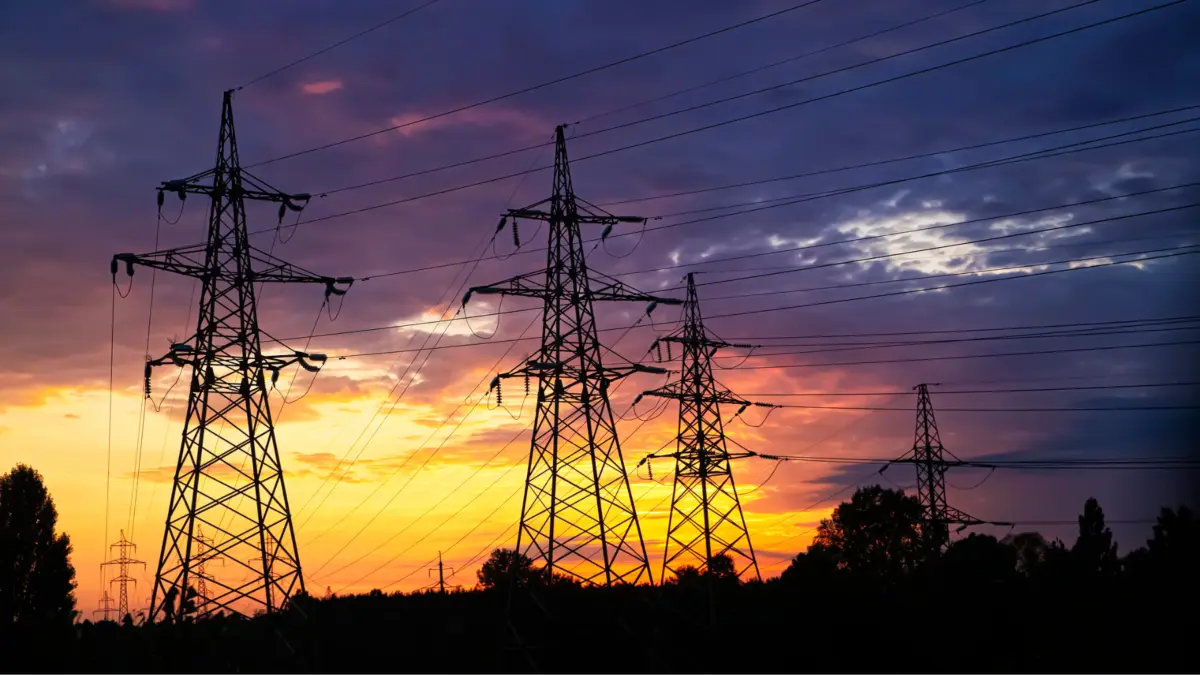
The single largest point of contention is electricity. AI workloads require continuous, uninterrupted power (baseload energy) combined with immense instantaneous capacity. When data centers connect to local distribution or transmission networks, utilities often must build new substations, upgrade high-voltage lines, and procure additional generation assets.
Historically, these capital expenditures were socialized across the utility’s entire customer base, leading to rising monthly bills for residential ratepayers. Recognizing this fatal flaw, forward-thinking developers are altering their financial models. Rather than passing infrastructure costs down to local citizens, progressive data center operators are now funding grid upgrades upfront.
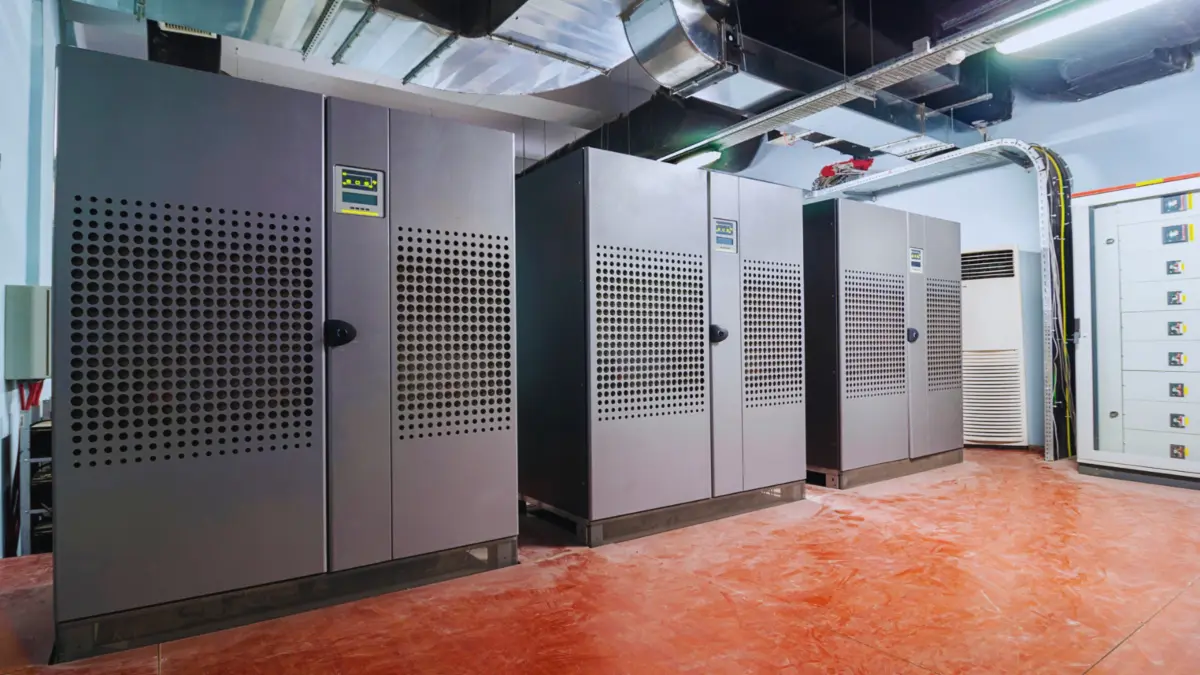
Industry data indicates a significant rise in developer-funded Battery Energy Storage Systems (BESS), which not only buffer intermittent renewable energy for the data center but also provide ancillary stability services to the local grid during peak demand windows. Furthermore, developers are aggressively purchasing heavy transformers, high-voltage switchgear, and advanced power electronics infrastructure to ensure that local grid integrity is enhanced, rather than compromised, by their presence.
The Water and Noise Equation
Beyond electricity, water consumption and acoustic pollution remain persistent flashpoints. Traditional hyperscale facilities rely heavily on evaporative cooling systems that consume vast quantities of water. Even though modern closed-loop chilled-water systems recirculate fluid without continuous consumption, public skepticism remains high.
Acoustic disruption is another tangible grievance. The relentless roar of hundreds of industrial-grade cooling fans and emergency diesel generators running routine test cycles can degrade the quality of life for residents living adjacent to industrial zones. Mitigating these factors requires significant capital expenditure on noise-abatement architecture, sound-wall installation, and advanced acoustic engineering—investments that are now non-negotiable for project approval.
Official Statements & Industry Insights: Lessons from Dallas
At Data Center World Power, industry leaders offered blunt assessments of past missteps and charted a pragmatic course forward. Their insights highlight a fundamental evolution in corporate strategy.

The Death of the NDA Playbook
Diane Sullivan, Chief Development Officer of Hecate Energy—a prominent Chicago-based developer of utility-scale energy parks—did not mince words regarding historical industry practices.
"In the past, developers would sometimes obtain permits before informing the public about a data center project, which is a terrible idea," Sullivan stated during a panel session. "We must become open and be fully transparent about our plans."
Sullivan argued that the current wave of severe regulatory backlash is a direct karmic consequence of the industry’s past reliance on secretive maneuvering and binding non-disclosure agreements with municipal officials. While that strategy once expedited smaller projects, the staggering physical footprint of AI infrastructure demands total transparency from day one.
Community Support Trumps Pure Power Availability
For decades, site selection was governed by a simple holy trinity: proximity to dense metropolitan fiber hubs, tax incentives, and readily available power. Dado Slezak, Executive Vice President of Energy Capital and Strategy at QTS Data Centers, emphasized that a fourth, infinitely more complex pillar has overtaken the rest: community validation.
"You could have a perfectly executable project that’s real, it’s commercial, and has well-allocated risk, but the community shows up and doesn’t want you there," Slezak remarked.
To circumvent this roadblock, QTS has pioneered aggressive community benefit agreements. In one notable project in Iowa, QTS negotiated an arrangement with the local utility to directly subsidize and fix community electricity rates for five consecutive years, ensuring that local residents directly profited from the industrial presence in their backyard. Other developers are channeling capital into local school districts, public infrastructure repairs, and comprehensive regional water restoration initiatives.
Alise Porto, Vice President of Sustainability and Strategic Initiatives at Switch, emphasized the importance of framing employment opportunities correctly. While the construction phase of a data center generates massive temporary employment, permanent operational roles require specialized technical skills. Switch and other forward-thinking operators are partnering with local technical colleges to establish on-site retraining programs, converting local construction workers and tradespeople into permanent, high-paying data center technicians.
Debunking Myths Through Direct Experience
Combating misinformation with slide decks and whitepapers rarely satisfies an agitated public meeting. To counter persistent myths regarding water depletion and noise pollution, developers are increasingly turning to experiential diplomacy.
Dado Slezak noted that verbal assurances regarding low water consumption often fall on deaf ears. Instead, QTS has adopted a policy of hosting guided public tours of operational hyperscale facilities. By walking skeptical community members directly through a facility and demonstrating closed-loop cooling systems that consume virtually zero process water, developers can dismantle unfounded fears through undeniable visual evidence.
Strategic Regionalism: Where the Industry is Welcomed
While traditional tech hubs in Northern Virginia and Silicon Valley face intense pushback and saturated grid queues, other jurisdictions are actively rolling out the red carpet for AI infrastructure. Developers are increasingly pivoting toward pro-data center regions that possess both hospitable regulatory environments and abundant, accessible power.
The Rise of Northeast Louisiana (NELA)
Regions such as Northeast Louisiana have positioned themselves as premier destinations for digital infrastructure investment. Rob Cleveland, President and CEO of Grow NELA (Northeast Louisiana Regional Economic Development Authority), noted that the region is experiencing an unprecedented surge in developer interest.
The secret to NELA’s success lies in administrative agility. While municipal permitting processes in legacy markets can drag on for twelve to eighteen months—or stall out entirely amidst public protests—Grow NELA has aggressively streamlined its regulatory framework, reducing standard permitting timelines down to a lightning-fast 15 days.
Texas: Balancing Grid Expansion and Strict Oversight
Texas remains a titan in the data center real estate market, driven by cheap land, supportive state leadership, and an independent grid. However, the state is acutely aware of capacity constraints.
Despite lengthening interconnection queues, Texas is scrambling to rapidly deploy both grid-scale renewables and on-site generation (including natural gas peaker plants and emerging nuclear options). To protect everyday consumers, the Electric Reliability Council of Texas (ERCOT) alongside the Governor’s Office have implemented rigorous oversight measures. Executive directives, such as those instructing the Texas Commission on Environmental Quality (TCEQ) to closely monitor and regulate data center permitting, ensure that grid stability is maintained and that surging energy loads do not result in unfair cost burdens on residential ratepayers.
Future Outlook: The Survival Strategy for AI Infrastructure
As the data center industry matures through the latter half of the decade, the rules of engagement have fundamentally changed. The era of quietly sliding a hyperscale campus through a sleepy rural zoning board using shell corporations and closed-door agreements is officially over.
Industry leaders exiting the Data Center World Power conference share a unified vision for the future:
- Upfront Co-Development: Developers must bring their own power generation portfolio—incorporating wind, solar, geothermal, advanced nuclear, or localized storage—rather than treating the local grid as an infinite, free-flowing spigot.
- Tangible Economic Reciprocity: Host communities must see immediate, measurable benefits, whether through subsidized electricity rates, funded educational programs, or permanent, high-skill job pipelines.
- Radical Transparency: Proactive community engagement must begin long before a single shovel touches dirt, replacing the defensive NDA playbook with open dialogues and site tours.
Ultimately, developers facing entrenched, unrelenting, and hostile community opposition are learning when to cut their losses and walk away. With vast swathes of the country—from parts of the Gulf Coast to the industrial heartland—actively courting digital infrastructure, companies that respect local sentiment and invest heavily in grid and community health will thrive. Those that cling to outdated, secretive development models will find themselves permanently locked out of the AI economy.