









Executive Overview
The gaming industry is enduring a seismic shift, and few corporate transformations match the sheer scale of the ongoing restructuring at Microsoft’s Xbox division. In an internal memo sent to staff on Tuesday, Xbox Chief Content Officer Matt Booty confirmed that the company has eliminated an additional 268 positions. This latest round of cuts primarily impacts Halo Studios (formerly 343 Industries), various first-party development teams, and the Xbox Game Studios (XGS) management and central operational layers.
These layoffs are part of a broader, highly aggressive corporate turnaround strategy initially unveiled in July by newly appointed Xbox CEO Asha Sharma. The overarching initiative aims to slash the division’s workforce by up to 3,200 employees—representing approximately 20% of its total staff—over a one-year period. According to leadership, the cumulative actions taken since July, including studio divestitures and workforce reductions, bring Xbox roughly three-quarters of the way through its historic restructuring roadmap.
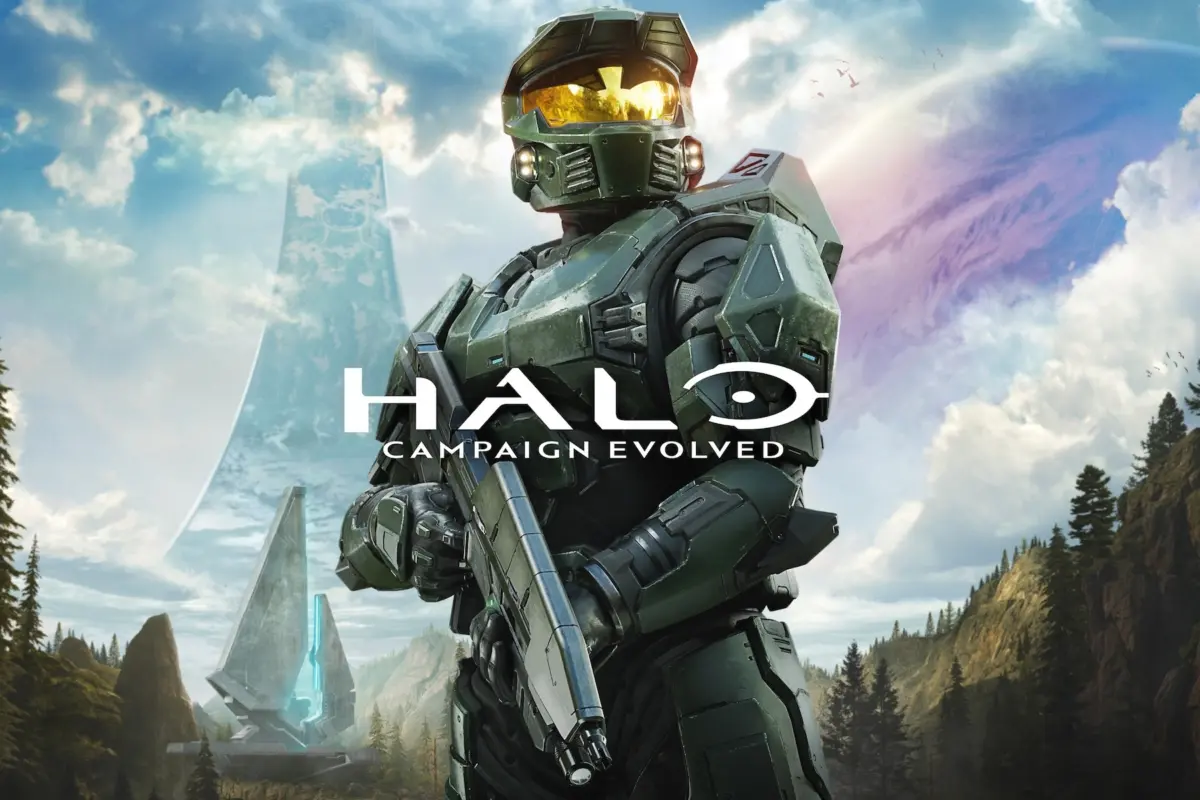
Beyond job cuts, the corporate overhaul has triggered a massive reorganization of Xbox’s stable of developers. In a stunning strategic pivot, Activision is expanding its administrative and creative footprint to absorb several legendary Microsoft-owned properties, including Rare and World’s Edge. Most controversially, Activision has been tasked with developing the next mainline Halo title via a newly minted, dedicated team operating independently from the Call of Duty franchise.
Meanwhile, other long-standing internal divisions are colliding. Bethesda is absorbing Obsidian Entertainment, King is merging with Microsoft Casual Games, and racing giants Playground Games and Turn 10 Studios are officially combining forces under a single banner to manage the Forza and Fable franchises. As Xbox attempts to weather what leadership describes as a necessary "reset," the future of several beloved studios—including Ninja Theory and Arkane—hangs in a delicate balance.
Detailed Chronology: Anatomy of a Restructuring
To understand the current state of Xbox, one must trace the timeline of events that have reshaped the division over the past several months. The foundation for this corporate upheaval was laid in July, when CEO Asha Sharma announced what would become the most significant restructure in the history of the Microsoft gaming division. Facing mounting economic pressures, changing player habits, and a shifting subscription landscape, leadership determined that drastic measures were required to streamline operations.
July: The Opening Salvo and Divestiture Announcements
The initial wave of announcements in July sent shockwaves through the video game community. Sharma revealed plans to cut up to 3,200 roles over the next year. Alongside these layoffs, Xbox announced an unexpected strategy: divesting several high-profile studios rather than keeping them entirely in-house or shutting them down outright.
The first wave of this strategy saw boutique developers Compulsion Games and Double Fine Productions return to independent management, taking their respective intellectual properties, back catalogs, and runway funding with them. At the time, Xbox also initiated evaluations for Undead Labs, Ninja Theory, and Arkane.
August and September: Transitions and Falling Through
As the summer progressed, the restructuring mechanisms began to turn. In August, Undead Labs successfully negotiated a transition similar to Compulsion and Double Fine. Partnering with a new, outside publisher, the studio secured the future of its flagship survival franchise, ensuring that State of Decay 3 will launch day-one on Xbox Game Pass despite the studio’s changing relationship with Microsoft.
However, not all studio transitions went according to plan. In Tuesday’s memo, Booty delivered sobering news regarding Ninja Theory. According to Xbox leadership, two separate agreements to divest or spin off the studio ultimately fell through. Consequently, Xbox has initiated formal consultations with Ninja Theory employees concerning a proposed studio closure while simultaneously exploring alternative paths forward. Meanwhile, consultation processes regarding the French studio Arkane remain ongoing, with discussions expected to stretch through the end of the calendar year.
Tuesday: The 268 Cuts and Studio Consolidation
The latest phase of the reset materialized this week with the elimination of 268 jobs. Unlike previous cuts that targeted isolated teams, this wave hit the operational core of Xbox, striking at central functions, management layers, and first-party mainstays like Halo Studios. Simultaneously, Xbox enacted a massive consolidation of its surviving studios, reducing the number of distinct business units to foster tighter collaboration and sharper publishing focus.
Supporting Context & Metrics: The Numbers Behind the Reset
The numbers framing Xbox’s current strategy paint a vivid picture of an enterprise attempting to correct course after years of rapid, aggressive expansion through multi-billion-dollar acquisitions.
- Total Planned Layoffs: Up to 3,200 employees.
- Percentage of Workforce: Approximately 20% of total Xbox staff.
- Current Progress: Roughly 75% of the total restructuring plan has been executed, inclusive of recent layoffs and studio divestitures.
- Latest Reductions: 268 positions eliminated in this week’s wave, primarily hitting Halo Studios, first-party developers, and XGS central management.
- Timeline: A rolling 12-month process initiated in July under CEO Asha Sharma, culminating in an upcoming all-company town hall scheduled for October 6.
The restructuring marks a definitive end to the "growth at all costs" era that characterized Xbox’s strategy during the late 2010s and early 2020s. By acquiring giants like Bethesda (ZeniMax Media) and Activision Blizzard, Microsoft amassed an unprecedented portfolio of intellectual property and developer talent. However, maintaining such a sprawling network of studios proved financially unsustainable in a cooling global market, forcing executive leadership to pivot toward centralization, shared resources, and streamlined publishing lines.
Official Statements and Industry Reactions
The sweeping nature of the reorganization has elicited strong reactions from corporate leadership, setting ambitious expectations for the future while acknowledging the immediate human cost of the restructuring.
Xbox Chief Content Officer Matt Booty emphasized the necessity of operating fewer business units to strengthen core franchises:
"The actions completed since July, inclusive of the studio divestitures, bring us roughly three-quarters of the way through previously announced restructuring. I am deeply grateful for what our colleagues have built, and I know how difficult today will be for those leaving and the teams around them… The goal is to strengthen our franchises and games by operating fewer business units, aligning groups that already work closely together, and focusing our publishing expertise."
The most radical development—Activision taking over the Halo franchise—was addressed directly by Activision President Rob Kostich. In a statement emphasizing the weight of the assignment, Kostich confirmed that a dedicated, standalone team has been assembled:
"We’re thrilled to welcome Halo, Rare and World’s Edge to Activision. It’s an honor and a responsibility that we do not take lightly. These teams and their games have inspired fans around the world for decades. For Halo, our goal is clear: make the greatest Halo game ever, worthy of its universe and legacy, while staying true to what made players love it in the first place. It is a bold ambition, one that this franchise deserves. We have already begun assembling a purpose-built team, unique in capability and talent, ready and excited to deliver this next chapter with the community. To the World’s Edge and Rare teams, we can’t wait to get to work together."
Breakdown of Studio Realignment Matrix
To achieve its goal of operational efficiency, Xbox has mapped out a brand-new internal hierarchy:
- Activision Expansion: Absorbs World’s Edge, Rare, and takes over development of the next mainline Halo game via a purpose-built, standalone team.
- Bethesda Expansion: Absorbs Obsidian Entertainment, which will continue ongoing projects like Grounded alongside a collaborative Fallout project with Bethesda Game Studios.
- King Expansion: Absorbs Microsoft Casual Games, uniting casual design and live-ops powerhouses under one roof.
- Playground & Turn 10 Merger: Formally merges two longtime technological partners into a single studio focused squarely on the Forza and Fable franchises.
Future Outlook: What Lies Ahead for Xbox?
As the dust settles on this week’s announcements, the gaming community and industry analysts are left parsing what this means for the future of the Xbox ecosystem.
The decision to hand Halo—Microsoft’s historic mascot and flagship franchise—over to Activision represents a tectonic shift in corporate culture. For over two decades, Halo was synonymous with Bungie and, later, the internal Microsoft studio 343 Industries (subsequently rebranded as Halo Studios). Entrusting the property to Activision, alongside legendary developers like Rare and World’s Edge, signals that Microsoft is willing to break down traditional internal silos in pursuit of higher quality control and commercial performance. With a small support team remaining at Halo Studios to manage active community needs, the future of the Master Chief now rests in the hands of the Call of Duty publisher’s management structure.
Concurrently, the fate of studios like Ninja Theory serves as a stark reminder of the volatility within modern AAA game development. While Undead Labs found a lifeline for State of Decay 3, the potential closure of Ninja Theory—creators of critically acclaimed titles like Senua’s Saga: Hellblade II—highlights the harsh economic realities facing narrative-driven, mid-to-high-tier production houses.
Looking forward, Xbox leadership faces immense pressure to prove that this radical contraction will yield creative dividends. Matt Booty noted in his memo that the company will gather for an all-Xbox town hall on October 6 to reflect on progress and look toward what management promises will be "one of the strongest game lineups in our history."
Whether this streamlined, consolidated giant can revitalize its iconic franchises and restore stability to its workforce remains the defining question for Microsoft’s gaming division as it navigates the remainder of 2026 and beyond.