






Executive Overview
In an era defined by rapid technological innovation, algorithmic search engines, and artificial intelligence-driven diagnostic tools, the modern healthcare consumer is rarely satisfied with a sterile, one-size-fits-all clinical summary. While search bars and medical databases can provide rapid definitions of symptoms, they often fail to capture the human element of medicine: the fear, the confusion, the day-to-day management of chronic illness, and the lived reality of recovery. To bridge this gap, millions of individuals are turning away from traditional portals and toward a platform once known primarily for internet culture, gaming memes, and niche hobbies: Reddit.
According to groundbreaking data released following Reddit’s inaugural Health Summit held in New York City, the platform has quietly evolved into one of the world’s largest peer-to-peer health ecosystems. Over the past year alone, healthcare-related conversations on the platform generated an astonishing 36 billion views. Even more surprising to medical traditionalists is the professional presence within these digital corridors: nearly half—46%—of all practicing physicians in the United States are active on the application, engaging with content, monitoring trends, and observing patient perspectives firsthand.
This convergence of everyday patients, chronic illness survivors, curious seekers, and licensed medical professionals underscores a profound shift in how health information is consumed, verified, and contextualized. Reddit is no longer merely a digital watercooler; it has transformed into a massive, crowdsourced repository of lived medical experiences. From individuals attempting to map obscure symptoms to a possible diagnosis—accounting for roughly 473 million symptom-matching posts—to sprawling cross-disciplinary conversations about breakthrough treatments like GLP-1 weight-loss and diabetes medications, Reddit occupies a unique space in the contemporary health landscape.
This comprehensive report examines the data, implications, and strategic takeaways from Reddit’s first Health Summit. We will explore how peer-to-peer communities are reshaping medical research, why healthcare marketers are recalibrating their outreach strategies to meet patients where they actually converse, and the complex ethical, clinical, and practical implications of a society increasingly turning to online forums for health guidance.
Detailed Chronology: From Niche Forums to the Inaugural Health Summit
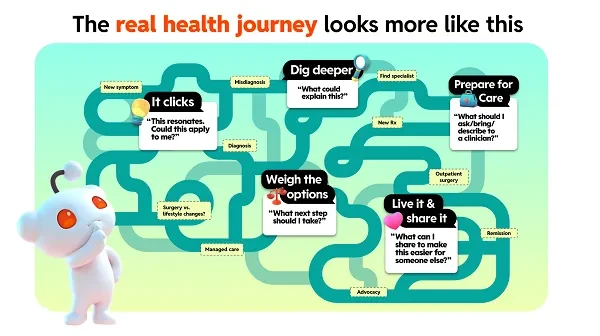
To understand how Reddit became a central hub for health discourse, one must trace the evolution of online medical communities from the early days of internet message boards to the hyper-targeted, algorithmically curated subreddits of today. For decades, patients diagnosed with rare or chronic conditions felt isolated. Traditional medical appointments are notoriously brief—often lasting a mere 15 minutes—leaving patients with a barrage of unanswered questions, lifestyle adjustments they feel unequipped to handle, and emotional burdens that clinical settings rarely address.
Early web forums and listservs attempted to fill this void, but they were often fragmented, difficult to navigate, and lacking in scale. Reddit, with its upvote/downvote architecture and dedicated community-led subreddits (such as r/AskDocs, r/cancer, r/diabetes, and countless rare disease support groups), provided a structured yet organic environment where individuals could find communities tailored to their exact medical circumstances. Over time, these communities grew from minor digital support groups into colossal, active knowledge bases.
The culmination of this quiet revolution arrived on September 4, when Reddit hosted its very first Health Summit in New York City. The event brought together digital health strategists, pharmaceutical executives, patient advocates, and marketing leaders to analyze a staggering reality: Reddit is no longer just a place where people talk about health; it is a primary environment where health decisions are actively shaped, debated, and refined.
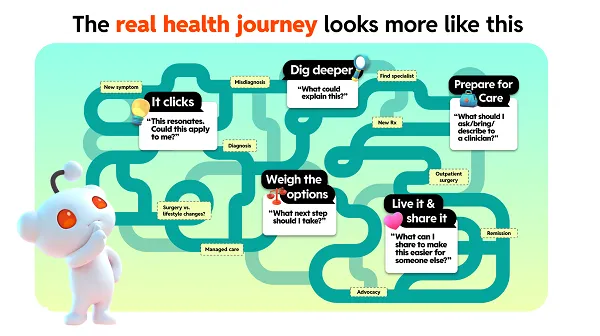
Following the summit, Reddit published a comprehensive overview of the key insights and data points presented during the event. The narrative was clear: while search engines and generative AI models can retrieve clinical definitions in milliseconds, Reddit provides the contextual tissue that helps patients understand what those definitions mean in real life. By facilitating candid conversations among people who share identical diagnoses, care plans, and treatment side effects, Reddit has established itself as an indispensable resource for experiential medical knowledge.
Supporting Context & Metrics: The Scale of Online Health Discourse
The data released by Reddit during and after its Health Summit paints a vivid picture of a platform operating at an unprecedented scale within the healthcare sector. The numbers do not merely suggest casual interest; they point to a fundamental restructuring of how health information flows through society.
1. 36 Billion Views and Counting
Over the past twelve years of expanding digital engagement, and specifically culminating in the metrics shared for the past year, healthcare-related conversations on Reddit accumulated over 36 billion views. This immense volume indicates that millions of people are not only posting their own queries but are also passively consuming the medical journeys of others to inform their own health decisions, evaluate treatment options, and prepare for upcoming doctor appointments.
2. The Professional Presence: 46% of U.S. Physicians
Perhaps the most eye-opening statistic revealed by the platform is that 46% of active doctors in the United States maintain a presence on Reddit. While many of these medical professionals participate anonymously or strictly within peer-led professional subreddits (such as rMedicine), their presence shatters the notion that online health forums exist entirely in a vacuum divorced from clinical reality. Physicians are increasingly aware of the narratives their patients are encountering online, recognizing that understanding internet health discourse is essential for effective patient communication in the exam room.
3. 473 Million Symptom-to-Condition Posts
In a single year, users contributed approximately 473 million posts connecting specific bodily symptoms to potential medical conditions. This metric highlights the persistent anxiety surrounding undiagnosed ailments and the human impulse to crowdsource diagnostic possibilities when conventional pathways feel sluggish, expensive, or inconclusive. Users turn to the collective wisdom—and past experiences—of millions of global peers to find potential explanations for everything from chronic fatigue and strange rashes to neurological anomalies.
4. The GLP-1 Phenomenon Across Diverse Sectors
One of the most revealing case studies presented at the summit involved the surging public discussion surrounding GLP-1 receptor agonists (medications widely prescribed for type 2 diabetes and chronic weight management). Rather than remaining siloed within dedicated weight-loss or diabetes subreddits, Reddit’s data revealed that discussions regarding GLP-1 usage heavily bleed into seemingly unrelated interest groups, including:
- Healthy Living
- Family & Relationships
- Entertainment
- Career Advice
- Travel
- Business & Finance
This cross-pollination of topics underscores a critical marketing and communication insight: health decisions do not happen in isolation. A person contemplating or undergoing a significant medical treatment like a GLP-1 regimen is simultaneously navigating career shifts, relationship dynamics, travel logistics, and financial planning. Healthcare brands and pharmaceutical marketers can no longer afford to segment their outreach strictly along traditional medical lines.
Official Statements and Industry Perspectives
The revelations from the Reddit Health Summit have sparked significant dialogue across the digital health and marketing communities. Industry leaders are grappling with the reality that modern patient behavior has outpaced legacy communication channels.
In an official statement released alongside the summit insights, Reddit articulated the core value proposition of its platform in the healthcare ecosystem:

"Search and AI may help people find answers quickly, but online communities help them understand what those answers mean in real life. People turn to Reddit for lived experiences, nuanced perspectives, and candid conversations that can add context to clinical information."
This distinction is vital. A search engine can inform a patient that a certain chemotherapy drug causes hair loss and nausea. However, a Reddit thread within an oncology community can tell that same patient precisely how to manage the nausea with specific ginger teas, which scalp-cooling caps are most comfortable during long infusion sessions, and how to talk to young children about physical changes resulting from treatment. It is this granular, peer-verified empathy that clinical summaries cannot replicate.
Marketers and healthcare communications agencies are taking note. For years, pharmaceutical and health-tech brands viewed user-generated forums with apprehension due to regulatory hurdles, misinformation risks, and the unpredictable nature of open internet discourse. However, the data presented in New York suggests a strategic pivot. Rather than avoiding these spaces, forward-thinking brands are learning to listen to authentic consumer sentiment, identify unmet patient needs, and craft educational campaigns that respect the intelligence and nuance of community-driven spaces.
Future Outlook: Navigating the Opportunities and Risks of Digital Health Communities
As we look toward the future of digital health, the intersection of crowdsourced peer support, professional medicine, and artificial intelligence will continue to evolve in complex ways. The data from Reddit’s Health Summit points toward several key trends and challenges that will shape the coming years:
1. The Complementary Role of AI and Lived Experience
As generative artificial intelligence becomes ubiquitous in healthcare search queries, the need for human validation will only grow. While AI can synthesize medical literature at lightning speed, patients ultimately seek reassurance from humans who have walked the same path. The future will likely see a symbiotic relationship where AI tools help users navigate complex medical data, which they then cross-reference and contextualize within lived-experience communities like Reddit.
2. The Evolution of Healthcare Marketing
Healthcare brands must transition from top-down broadcasting to active listening and participatory engagement. Understanding that health discussions permeate categories as diverse as career advice, travel, and personal finance means that wellness marketing must become holistic. Brands that fail to recognize the multidimensional nature of patient experiences risk sounding tone-deaf and disconnected from modern consumer realities.
3. Addressing Misinformation and Maintaining Clinical Integrity
While peer support offers invaluable emotional and experiential benefits, the vast scale of symptom-matching (nearly half a billion posts in a year) carries inherent risks. Misinformation, misdiagnosis, and the propagation of unverified medical advice remain persistent challenges within open digital ecosystems. With nearly half of U.S. physicians active on the platform, there is an unprecedented opportunity—and a growing ethical imperative—for medical professionals, platform moderators, and health organizations to champion verified science while honoring the empathetic power of patient narratives.
Conclusion
Reddit’s inaugural Health Summit has pulled back the curtain on a massive, parallel healthcare system that operates entirely through human connection. With 36 billion views, hundreds of millions of symptom discussions, and a substantial presence of practicing physicians, the platform has cemented its status as an indispensable pillar of modern health discovery. For patients, it offers a sanctuary of shared empathy; for physicians, it provides an unfiltered window into the patient psyche; and for the healthcare industry at large, it serves as a stark reminder that when people face medical uncertainty, they do not just look for answers—they look for each other.