








By Global Environmental Desk
Published in partnership with environmental policy monitors and investigative energy analysts.
Executive Overview
In a sweeping, structural overhaul of American environmental governance, the Environmental Protection Agency (EPA) under the returning Trump administration has initiated what policy experts are calling a systematic dismantling of the nation’s climate regulatory framework. Rather than merely rolling back individual rules—a familiar political pendulum swing where successive administrations undo their predecessors’ work—the current strategy aims to structurally incapacitate the federal government’s ability to regulate greenhouse gas emissions altogether.
Critics, legal scholars, and environmental scientists describe the ongoing deregulatory push not as a rollback, but as a scorched-earth campaign designed to make future regulatory remediation nearly impossible. By aggressively targeting the foundational metrics used to value human health and environmental protection, the administration is pushing through an energy agenda centered on fossil fuel expansion while sidelining established climate science.
At the center of this controversy is the targeted repeal of the Biden administration’s landmark Carbon Pollution Standards for the power sector. The EPA has justified these sweeping rollbacks by pointing to immediate, short-term savings for energy producers and consumers—estimating hundreds of billions of dollars in direct compliance relief by unleashing domestic coal and natural gas. However, independent research, nonpartisan economic analyses, and health advocates warn that these calculations present a deeply distorted picture. According to comprehensive assessments by organizations such as Resources for the Future (RFF), the hidden costs of elevated toxic emissions and unchecked climate pollution could soar as high as $476 billion, far eclipsing any immediate financial savings claimed by the administration.
With the power sector and transportation systems representing the two largest sources of greenhouse gas emissions in the United States, the completion of these rollbacks signifies the closing of a major chapter in American climate policy. As legal challenges loom and scientific communities demand accountability, the nation stands at a critical crossroads between immediate economic deregulation and long-term ecological and public health stability.
Detailed Chronology: The Regulatory Pendulum and the Pivot to Structural Destruction
To understand the gravity of the current regulatory shift, one must examine the shifting landscape of federal environmental policy over the past decade.
The First Trump Term and the Obama-Era Rollbacks
During the initial Trump administration, federal environmental policy was characterized by a concerted effort to curb Obama-era climate initiatives. The administration systematically targeted the Clean Power Plan and various vehicle emission standards, arguing that heavy-handed federal oversight was strangling American manufacturing and energy independence. However, these initial deregulatory actions relied on traditional administrative rulemaking processes—processes that, while damaging to environmental advocates, left open the possibility for a future administration to rebuild the legal architecture and re-impose standards.
The Biden Restoration
When Joe Biden assumed the presidency in January 2021, his administration immediately signaled a return to aggressive climate action. Rejoining the Paris Climate Agreement on day one, the administration set in motion a multi-agency strategy to restore, modernize, and strengthen public health regulations.
The culmination of this effort arrived in June 2024, when the EPA finalized a comprehensive suite of standards designed to drastically reduce carbon pollution from fossil-fuel-fired power plants. Backed by extensive regulatory impact analyses, the Biden EPA framed the rules not merely as environmental mandates, but as a net-positive economic engine that would yield monumental public health dividends by curbing respiratory illness, cardiovascular disease, and premature death linked to air pollution.
The Current Administration: "Burning It to the Ground"
Rather than executing a standard regulatory review, the current Trump administration has adopted an aggressive, structural dismantling posture. According to policy experts monitoring the transition, the objective has shifted from policy disagreement to institutional neutralization.
"The first Trump administration repealed a bunch of public health regulations, then Trump lost his re-election bid, and the Biden administration reinstated many of them," notes environmental policy expert Hoover. "Now, they are not just repealing them—‘but burning them to the ground,’ in an effort to make it incredibly hard for a future administration to come back in and re-regulate public health pollution. It’s really quite pernicious."
By embedding structural legal vulnerabilities, altering the baseline assumptions of regulatory cost-benefit analyses, and removing the foundational justifications for greenhouse gas oversight, the administration is constructing a formidable barrier against future climate governance.
Supporting Context & Metrics: Quantifying the Stakes
The debate over the EPA’s latest regulatory shift hinges on two vastly divergent economic and scientific models: one that prioritizes immediate compliance cost-reductions for fossil fuel industries, and another that accounts for the long-term, systemic costs of climate change and toxic air pollution.
The Biden EPA Projections (June 2024)
When the Biden administration finalized its Carbon Pollution Standards, it did so backed by rigorous econometric modeling. The agency’s regulatory impact analysis demonstrated that the climate and health benefits of the standards "substantially outweighed the compliance costs."
Key projections from the 2024 analysis included:
- Carbon Reductions: A projected reduction of 1.38 billion metric tons of carbon pollution through 2047.
- Equivalencies: This reduction is roughly equivalent to preventing nearly an entire year of greenhouse gas emissions from the entire U.S. electric power sector, or avoiding the annual emissions of 328 million gas-powered cars.
- Net Benefits: Tens of billions of dollars in avoided health damages, driven by reductions in fine particulate matter ($PM_2.5$) and toxic air contaminants.
The Trump Administration’s Economic Justification
In announcing the latest power plant regulation repeals, the Trump EPA framed its actions as a massive win for American affordability and energy dominance:
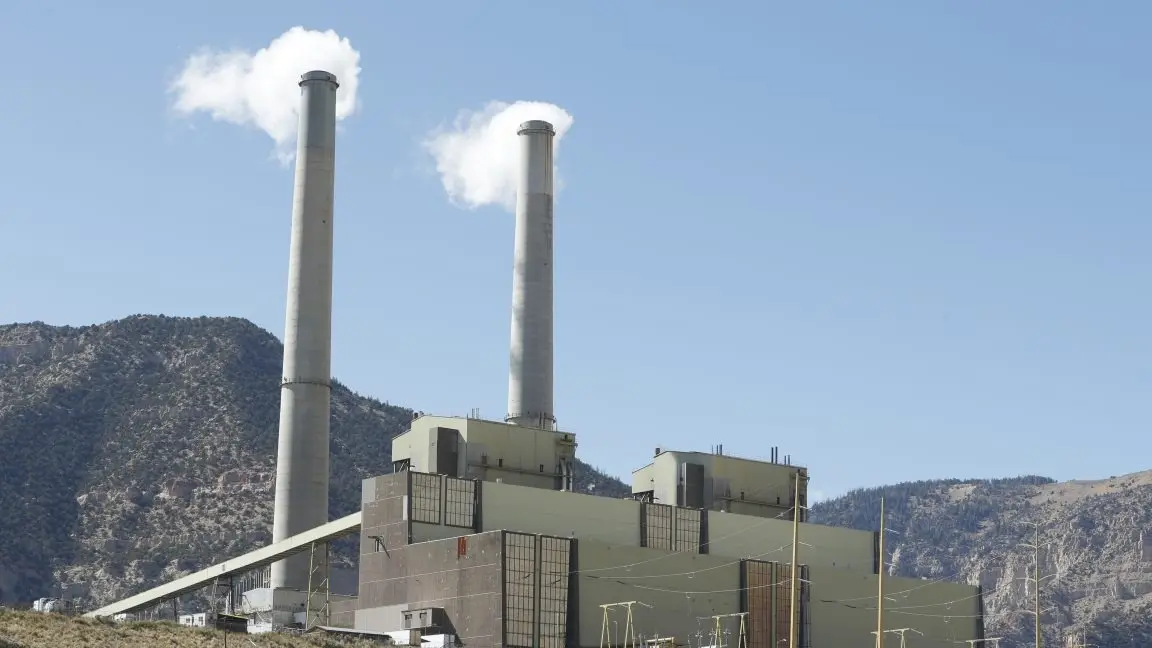
- Fossil Fuel Unleashing: The agency asserted that unleashing coal and natural gas through its new rules will save $310 billion.
- Standard Rescissions: A specific proposal to rescind "every remaining greenhouse gas standard for the power sector" was projected to save an additional $370 million in direct compliance costs.
- Consumer Savings: The administration argued that these measures would directly translate into billions of dollars in savings for American families and businesses grappling with high inflation and energy costs.
Independent Analysis: The Hidden Costs of Deregulation
Despite the administration’s promises of broad financial relief, independent energy and economic researchers challenge the foundational premise that fossil fuel deregulation lowers consumer costs.
- Utility Costs: Independent studies, including research from Energy Innovation, have reported that aging coal power infrastructure is actually driving higher utility costs for consumers, making coal significantly more expensive in the modern energy market compared to renewables and modern natural gas combined.
- Health Damages: A comprehensive cost-benefit analysis conducted by the nonpartisan think tank Resources for the Future (RFF) revealed a startling counter-metric: elevated emissions of toxic air contaminants triggered by the repeal of the EPA’s standards would lead to dramatic increases in health damages, costing society up to $476 billion.
Official Statements and the Battle over Scientific Integrity
As the regulatory overhaul accelerates, the silence and friction between federal agencies, independent watchdogs, and scientific communities have grown increasingly pronounced.
When pressed for comment regarding the scientific basis supporting the administration’s claims—specifically the assertion that greenhouse gas emissions do not contribute significantly to dangerous air pollution—EPA spokespersons failed to respond to media inquiries. This reticence has fueled concerns among career scientists and public health advocates that the agency is bypassing established scientific consensus in favor of pre-determined political outcomes.
According to policy analysts, the most insidious aspect of the current deregulatory wave lies in the subversion of regulatory economics. Federal rulemaking has historically relied on standardized cost-benefit analyses that weigh compliance burdens against quantifiable benefits, such as lives saved, hospital visits avoided, and agricultural yields protected.
However, Hoover points out that the current administration is "heavily discounting, if not completely refusing" to quantify public health benefits in its regulatory assessments. By assigning zero or negligible value to human health and environmental protection, the administration can easily manufacture paper justifications showing that deregulation yields exclusively positive outcomes.
Future Outlook: The End of Federal Climate Regulation?
The implications of the Trump administration’s actions extend far beyond the energy sector, marking a definitive shift in the federal government’s posture toward environmental stewardship.
With the power generation and transportation sectors representing the two largest sources of climate-warming emissions in the United States, the completion of these rollbacks represents a watershed moment.
"With today’s regulatory rollback, the Trump administration has now finished its work to end the climate regulations on both [sectors]," Hoover observed.
What Lies Ahead?
- Legal Battles: Environmental coalitions, multi-state attorney general alliances, and public health advocacy groups are preparing a barrage of legal challenges. These lawsuits will likely argue that the EPA’s refusal to account for established climate science and public health damages violates the Administrative Procedure Act (APA) and statutory obligations under the Clean Air Act.
- State-Level Divergence: As federal oversight recedes, a growing divide is expected between states committed to clean energy transitions (such as California, New York, and Washington) and those doubling down on fossil fuel extraction. This patchwork regulatory environment could create severe operational complexities for national energy companies and manufacturers.
- Long-Term Institutional Resilience: The ultimate test will be whether the structural barriers erected by the current administration can withstand future judicial scrutiny and whether subsequent administrations can find innovative legal pathways to restore federal protections.
For now, the American landscape enters an era of heightened environmental deregulation—one where the long-term costs to human health and climate stability are being traded for short-term fossil fuel relief, leaving the nation’s environmental future hanging in a delicate, contentious balance.