The meteoric rise of artificial intelligence is more than a software revolution; it is a physical and structural transformation reshaping the foundational infrastructure of the modern digital economy. As machine learning models scale in complexity—training on massive datasets and executing billions of real-time inferences for tools like ChatGPT—they demand computational power and electrical capacity on an unprecedented scale. Traditional data center models, which relied on predictable utility grids, standardized server racks, and conventional cooling systems, are no longer sufficient.
To prevent catastrophic power bottlenecks, developers, architects, and engineers are entirely rethinking how data centers are planned, powered, and positioned. Meeting the immense energy appetite of modern AI requires a radical departure from business-as-usual frameworks. Industry leaders are now pioneering forward-thinking engineering solutions that integrate alternative energy sources, completely redesign floor plans for ultra-high rack densities, and deploy strategic site-selection methodologies.
This comprehensive report explores how the mission-critical sector is tackling grid instability, redefining facility footprints, and future-proofing infrastructure for the next wave of technological expansion.
Detailed Chronology: The Evolution of AI Infrastructure Constraints
The collision between artificial intelligence workloads and legacy power grids has accelerated rapidly over the past several years, transforming how infrastructure developers approach every phase of a project lifecycle.
Phase I: The Traditional Era (Pre-2020)
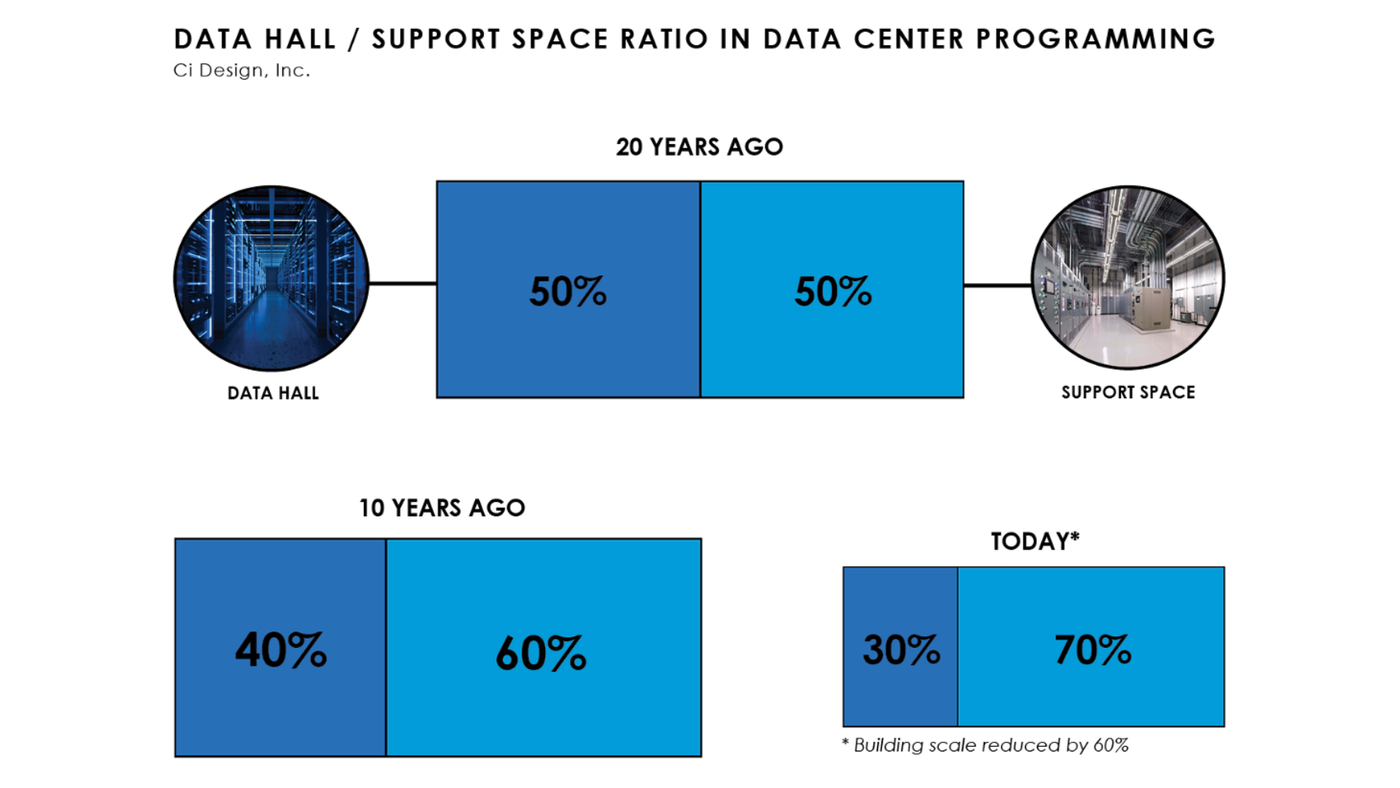
For decades, data centers followed a relatively standardized blueprint. Rack densities hovered comfortably between 5 kW and 10 kW, occasionally pushing to 25 kW. Power and cooling infrastructure were straightforward: standard rooftop cooling units managed heat, and local municipal power grids provided reliable, uninterrupted electricity. The spatial ratio of data halls to mechanical support space was typically balanced at a 50/50 split, keeping footprints compact and predictable.
Phase II: The Hyperscale Turning Point (2020–2023)
As generative AI models transitioned from academic concepts to commercial mainstays, compute clusters expanded exponentially. Hyperscalers—including Amazon, Meta, Microsoft, and Google—began commissioning facilities designed to handle workloads vastly larger than standard cloud computing operations. Rack densities surged past 30 kW, and the limitations of traditional municipal grids became glaringly apparent. Power delivery timelines stretched from months to years, causing widespread development delays.
Phase III: The Off-Grid and High-Density Paradigm (2024–Present)
Today, the industry faces an unprecedented paradigm shift. Rack densities have skyrocketed to a staggering 600 kW per rack, rendering traditional cooling topologies obsolete. Concurrently, power demand from AI data centers in the United States is projected to grow more than thirtyfold by 2035.
To circumvent grid instability, developers are no longer waiting for utility companies to upgrade regional infrastructure. Instead, the current era is defined by behind-the-meter generation, nuclear integration, and holistic site planning that treats the data center not as a passive consumer of electricity, but as an active, self-contained energy hub.
Supporting Context & Metrics: The Scale of the AI Power Crunch
The numbers underlying the AI infrastructure boom underscore the urgency facing architects, engineers, and utility providers alike.
Explosive Power Demand: According to Deloitte’s 2025 AI Infrastructure Survey, power demand from AI data centers in the U.S. could skyrocket more than thirtyfold by 2035, reaching an astonishing 123 GW.
Hyperscale Expansion: Leading hyperscale clients are currently designing and constructing data centers with capacities double or quadruple those of their previously completed projects.
The Nuclear Alternative: Driven by the need for continuous, low-carbon baseload power, major technology companies have signed new contracts securing more than 10 GW of prospective nuclear energy capacity over the past year, as reported by Goldman Sachs.
The Density Leap: Standard rack densities have leapt from historical norms of 25–30 kW to peaks of up to 600 kW per rack. This twentyfold increase has upended standard mechanical and electrical system designs.
Strategies to Meet AI’s Energy Demand
Training sophisticated neural networks and maintaining low-latency inference engines require massive, uninterrupted streams of power. Because existing utility infrastructure is buckling under this pressure, developers are increasingly turning to alternative, on-site energy generation systems.
Relying solely on natural gas or coal-fired plants is incompatible with corporate sustainability mandates and carbon reduction targets. Consequently, the tech sector is embracing zero-carbon baseload technologies, most notably nuclear power. The implementation of Small Modular Reactors (SMRs) offers a dual advantage: they drastically cut greenhouse gas emissions and significantly reduce the water consumption typically required for cooling towers.
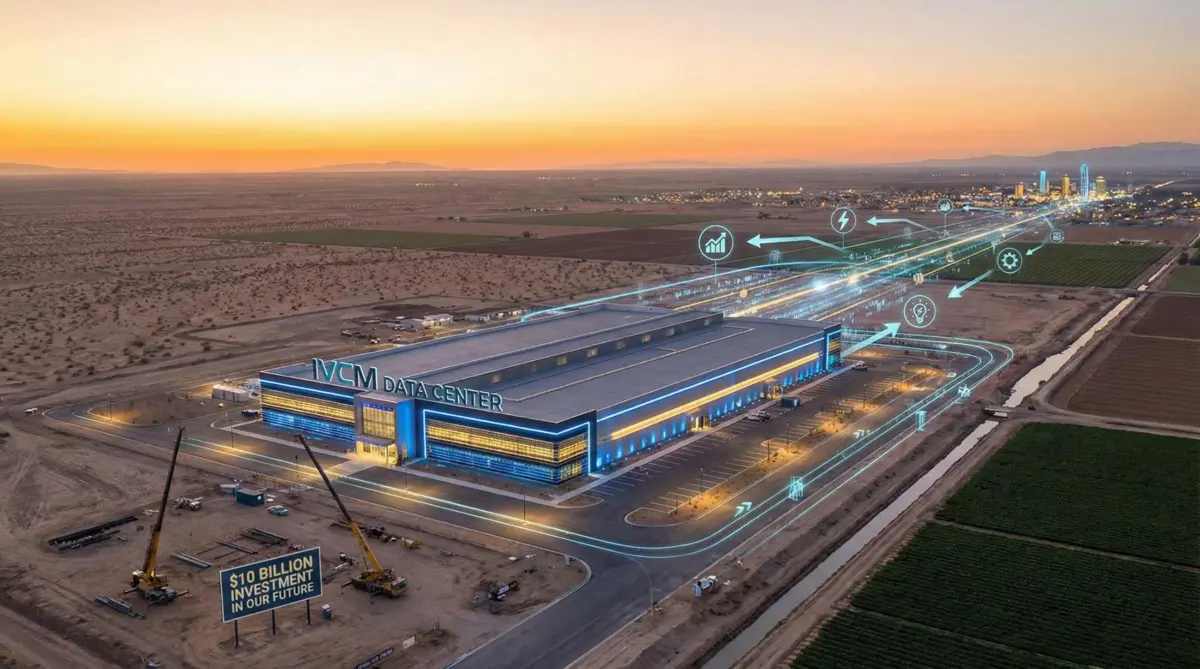
Furthermore, data centers are increasingly operating "behind the meter." By co-locating energy generation directly next to the computational load, facilities can bypass congested transmission lines, eliminate costly grid upgrade delays, and shield themselves from localized power failures.
Official Statements and Industry Insights
Top executives and technical leaders across structural engineering, architecture, and mission-critical development emphasize that standard industry rulebooks no longer apply.
"By planning beyond the boundaries of traditional utility service, facilities can meet customers’ needs without being bottlenecked by local grid capacity or reliability issues — a critical differentiator as AI adoption accelerates." — Chris Hastings, Vanderweil Engineers’ Power Group Managing Principal
Hastings highlights that modern power engineering must extend past traditional boundary lines. Rather than waiting for utility upgrades, engineers are designing localized power plants, central heating and cooling systems, and advanced emissions control frameworks right onto the data center campus.
The architectural challenges are equally formidable. According to Dutch Wickes of Ci Design, the intersection of thermal management, electrical distribution, and site planning has grown immensely complex.
"The challenges of site and building planning are tied to the mechanical and electrical system design now more than ever," noted Dutch Wickes, Principal and Global Mission Critical Practice Leader at Ci Design, Inc."All the variables make a Rubik’s Cube look easy! Especially when you throw in on-site power generation, whether it is bridging power or permanent power. The typical rules of thumb are moot."
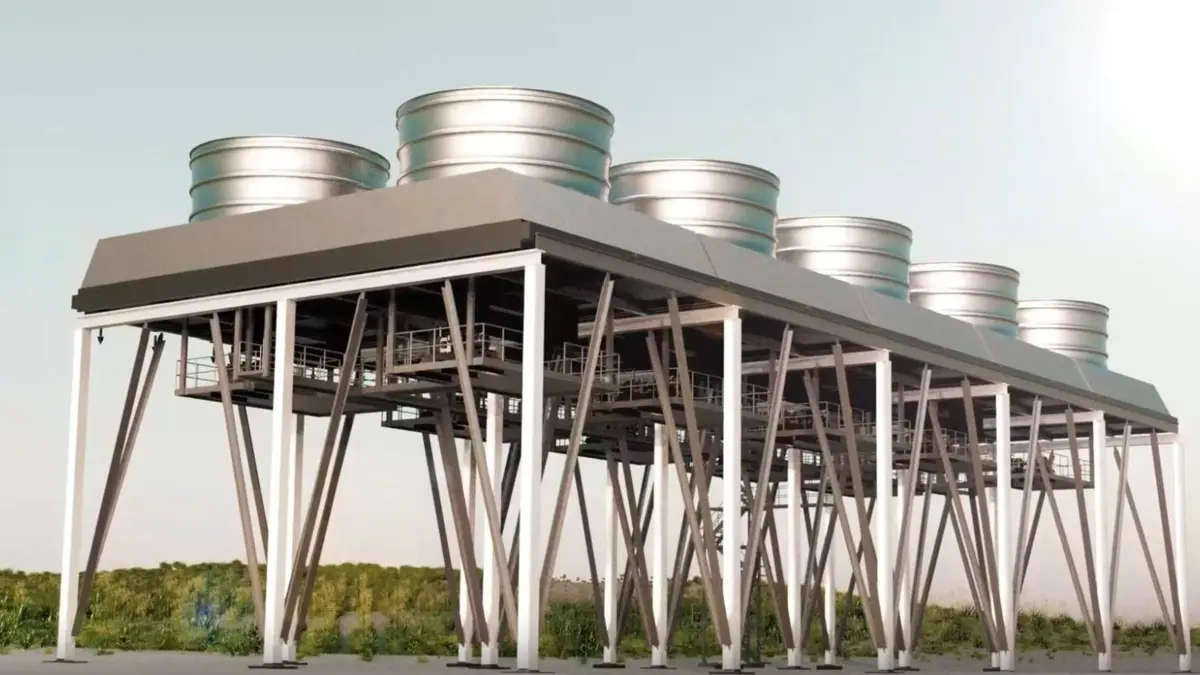
This complexity is visibly altering the physical layout of modern facilities. While data hall spaces have shrunk relative to the total facility footprint due to denser server configurations, the overall site area has expanded dramatically. This extra space is necessary to house expansive on-site power generation equipment, fuel cells, battery banks, and advanced liquid-cooling infrastructure that can no longer fit solely on facility roofs.
Site selection has similarly evolved from a simple calculation of fiber-optic connectivity and user proximity into a complex geopolitical and utility negotiation.
"Utilities significantly impact data center site selection decisions," explained Mason McPike, Executive Director of Vertical Development & Delivery at Provident Data Centers. "We’re seeing data centers emerge in more remote locations that have access to less strained grids, but the lack of adequate power interconnection and infrastructure can pose issues. Finding a successful data center site starts with building strong relationships between the end user, government entities, utility companies, and the local community."
Future Outlook: The Next Generation of Mission-Critical Infrastructure
Looking toward the horizon, the successful data centers of tomorrow will be defined by deep cross-disciplinary collaboration. The traditional silos separating real estate acquisition, architectural design, electrical engineering, and end-user deployment are rapidly dissolving.
To remain competitive in an AI-dominated landscape, stakeholders must embrace several core imperatives:
Integrated Co-Location and Off-Grid Resilience: Future facilities will increasingly incorporate microgrids utilizing advanced battery storage, hydrogen fuel cells, and next-generation nuclear options like SMRs. This ensures 24/7 uptime immune to public grid failures.
Dynamic Spatial Architecture: Architects must design modular, scalable floor plans that can adapt to sudden technological shifts. As rack densities continue to push boundaries, buildings must easily accommodate retrofits in cooling distribution—transitioning fluidly between air, liquid, and hybrid cooling methodologies.
Proactive Stakeholder Partnerships: Developers can no longer operate in isolation. Success requires early, transparent engagement with local municipalities, community groups, and utility regulators to secure long-term social licenses and regulatory approvals for alternative energy generation.
Adaptive Lifecycles: As McPike notes, everything must work in tandem. The market demands an adaptive perspective where site discovery, power sourcing, and thermal engineering evolve simultaneously in response to rapid technological advancement.
Ultimately, the unprecedented computational demands of artificial intelligence are acting as a crucible for the engineering and construction sectors. By confronting energy constraints head-on, redefining facility footprints, and embracing bold, off-grid visions, the mission-critical industry is establishing a resilient, sustainable blueprint for the digital infrastructure of the 21st century.