








By Shane Snider | Senior News Writer, Data Center Knowledge
August 31, 2026
Executive Overview
In a blockbuster transaction that underscores the relentless pressures of artificial intelligence on global digital infrastructure, energy technology titan SLB has announced a definitive agreement to acquire thermal management specialist Kelvion for $4.1 billion.
The deal—comprising $3.4 billion in cash and the assumption of approximately $700 million in debt—marks a profound strategic evolution for SLB. Historically recognized as an oilfield services pioneer and a relatively niche player in prefabricated modular data centers, SLB is now pivoting aggressively into an Original Equipment Manufacturer (OEM) within one of the most critical and rapidly repricing segments of the digital infrastructure supply chain: data center cooling and heat rejection.
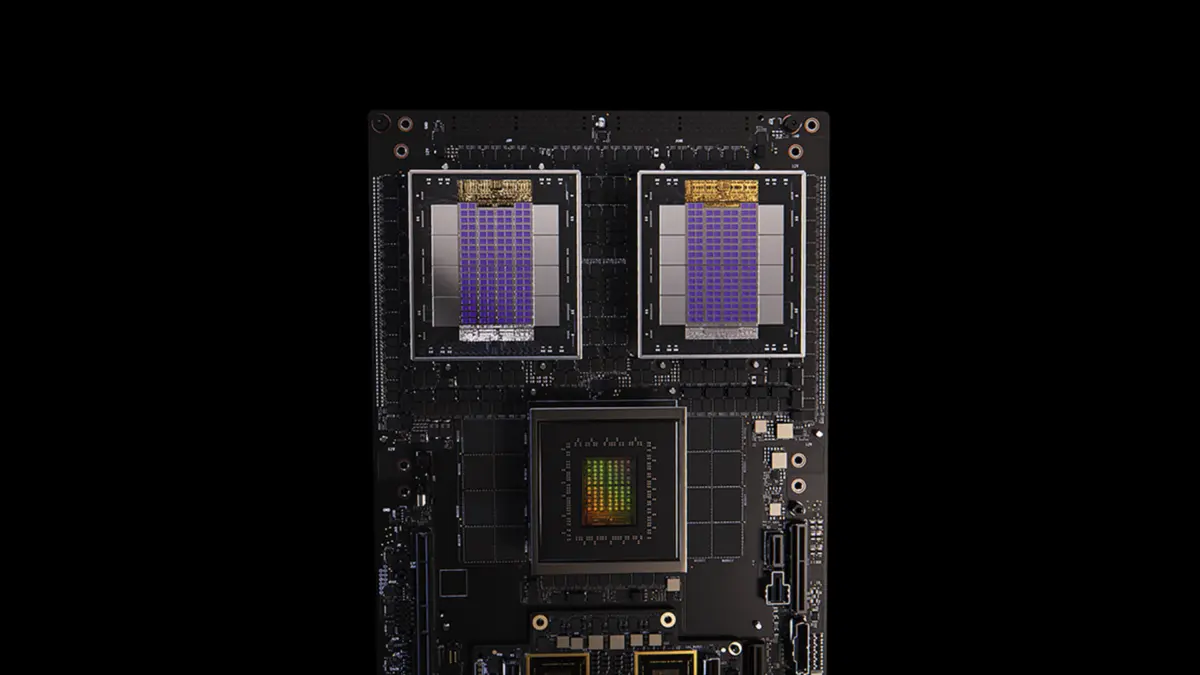
Driven by the astronomical rise of generative AI workloads, modern graphics processing units (GPUs) are pushing rack power densities well past 100 kilowatts (kW), with next-generation chip architectures threatening to breach the 1-megawatt (MW) threshold per rack. To manage the immense thermal loads generated by these compute-dense environments, data center operators are fundamentally redesigning facility-level cooling loops.
By integrating Kelvion’s robust portfolio of heat exchangers, dry coolers, and adiabatic systems, SLB is positioning itself to capture more than double its previous revenue opportunity per gigawatt of delivered data center capacity. The combined entity anticipates generating over $2 billion in revenue in 2026, with aggressive targets scaling to $4.5 billion to $5 billion by 2028, and adjusted EBITDA expected to reach $700 million to $800 million over the same period.
Detailed Chronology & Transaction Mechanics
The journey toward this landmark acquisition reflects SLB’s methodical expansion into the data center market, catalyzed by exponential demand for high-performance computing (HPC) and AI factories.
The Growth Trajectory (2024–2026)
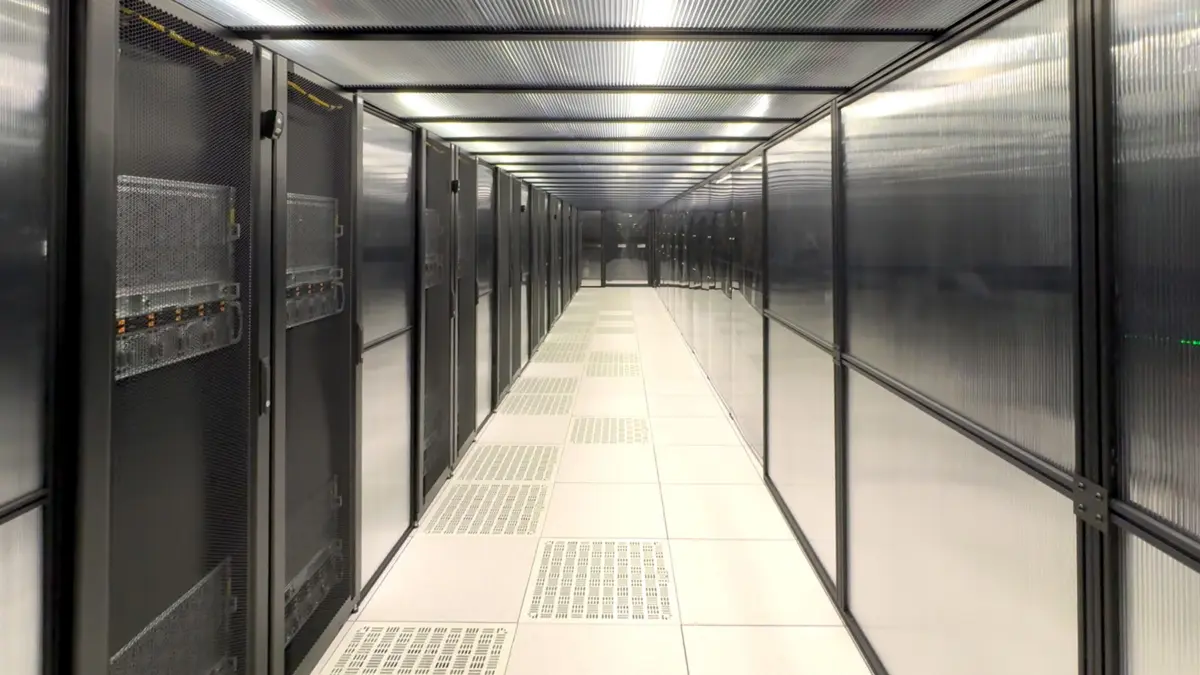
SLB’s Data Center Solutions division has experienced a blistering compound annual growth rate (CAGR) exceeding 90% between 2024 and 2026. Leveraging its core competencies in engineering, modular manufacturing, and offsite construction, the company built a reputation for delivering prefabricated modular capacity and integrating third-party equipment into turnkey facilities. By the end of 2026, SLB’s cumulative delivered data center capacity is projected to surpass 2 gigawatts (GW).
However, management recognized that relying entirely on third-party thermal components limited long-term margins and strategic control. The acquisition of Kelvion bridges that gap, transforming SLB from a modular integrator into a vertically integrated OEM capable of orchestrating the entire thermal loop from chip to atmosphere.
Deal Structure and Financial Breakdown
- Purchase Price: $4.1 billion total enterprise value.
- Cash Consideration: Approximately $3.4 billion in cash.
- Debt Assumption: Approximately $700 million of Kelvion debt.
- Valuation Multiples: Values Kelvion at roughly 11x estimated 2026 adjusted EBITDA pre-synergies, dropping to approximately 8.5x post-synergies.
- Synergy Targets: SLB expects to capture $120 million in annual EBITDA synergies within three years of closing. This comprises $70 million in cost savings (achieved via supply chain efficiencies, manufacturing optimization, logistics network consolidation, and G&A streamlining) and $50 million in revenue opportunities driven by cross-selling Kelvion technologies into SLB’s global customer base.
- Expected Closure: The transaction is slated to close in the first half of 2027, pending customary regulatory clearances and closing conditions.
Supporting Context & Metrics: The Thermal Crisis in AI
To understand the strategic brilliance—and execution risk—of SLB’s acquisition, one must examine the macro-level pressures transforming data center thermal architectures.
Moving Beyond the Chip: The Heat Rejection Bottleneck
Industry discourse surrounding AI cooling has been heavily dominated by direct-to-chip technologies, such as cold plates and coolant distribution units (CDUs). While these components are vital for capturing heat directly off high-powered silicon, they represent only the first phase of the thermal chain.
Once heat is captured at the chip level, it must be circulated through an internal cooling loop and ultimately expelled into the outside environment. According to Alex Cordovil, research director at Dell’Oro Group, heat rejection is currently the fastest-repricing segment in the data center thermal market.
"Most of the attention has gone to cold plates and CDUs, but the segment repricing fastest right now is heat rejection," noted Alex Cordovil. "Kelvion turns SLB into an OEM in one of the fastest growing corners of the thermal chain."
Water Scarcity and Dry Cooling Innovations
Escalating rack densities have exacerbated public scrutiny regarding data center water consumption. Traditional evaporative cooling towers consume millions of gallons of water daily, drawing fierce local opposition in drought-prone regions and data center hubs like Northern Virginia, Dublin, and Phoenix.
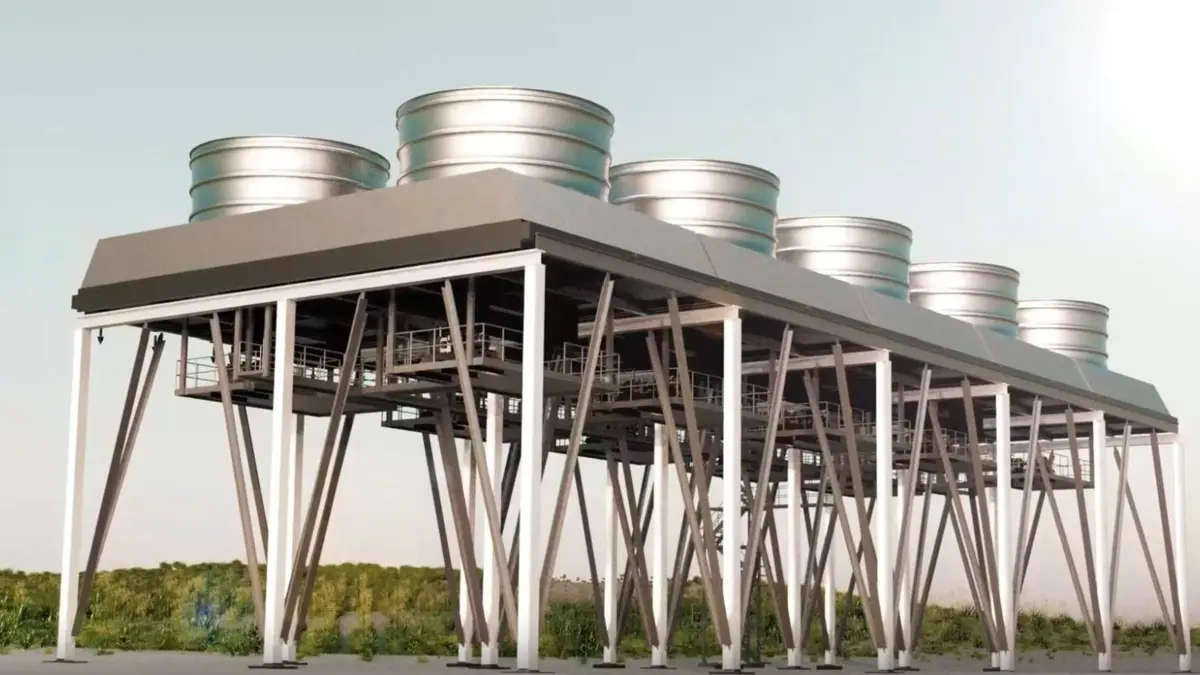
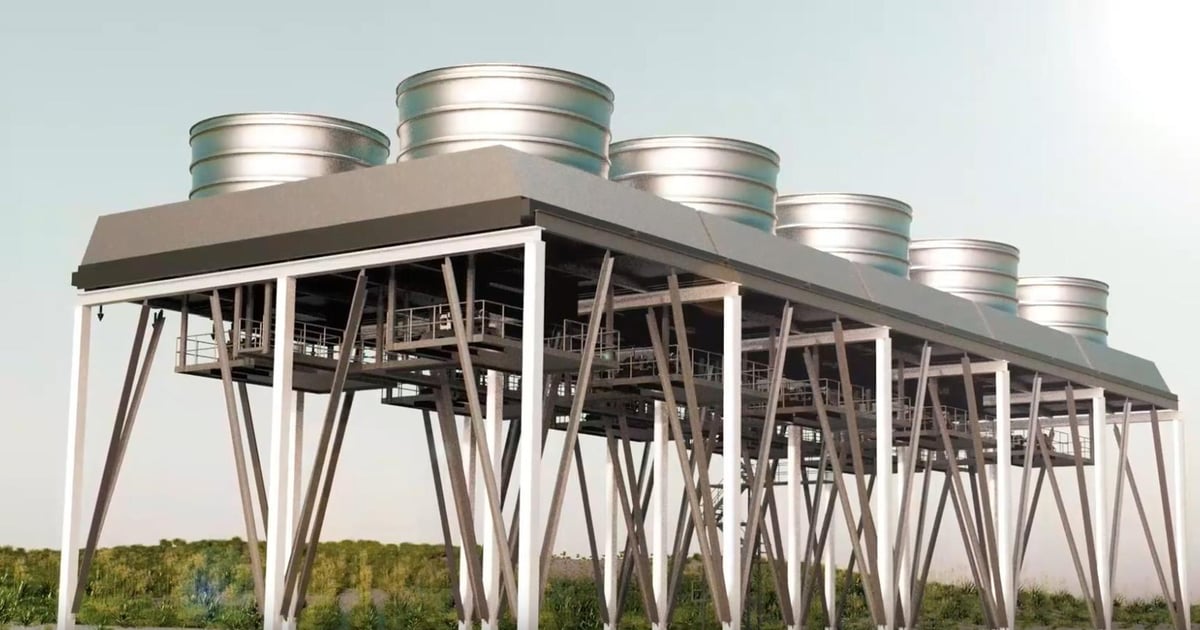
Kelvion brings to SLB an advanced portfolio of dry coolers and hybrid/adiabatic systems designed to minimize or entirely eliminate water usage. These technologies provide hyperscalers with essential optionality, allowing them to deploy high-density AI clusters in water-scarce jurisdictions without running afoul of regulatory limits or community pushback.
Market Size and Geographic Expansion
SLB estimates that the addressable global data center physical infrastructure market—excluding IT hardware and silicon—will swell to exceed $150 billion by 2030. Even under Dell’Oro Group’s more conservative definitions, the physical infrastructure market is projected to surpass $80 billion by the end of the decade.
Geographically, the acquisition provides immediate international diversification. While SLB’s existing data center footprint is heavily concentrated in the United States, Kelvion boasts deeply entrenched operations, manufacturing facilities, and customer relationships across Europe, Asia, and the Middle East. SLB CEO Olivier Le Peuch noted that while the US will remain the foundational anchor for the combined business, European and Asian-Middle Eastern markets represent critical vectors for international growth.
Furthermore, Kelvion’s non-data center divisions provide SLB with immediate diversification into industrial and energy transition markets, including large-scale heat pumps, renewable energy processing, and carbon capture applications.
Official Statements & Industry Perspectives
Leadership from both organizations, alongside independent market analysts, have weighed in on the transformative nature of the agreement.
SLB’s Strategic Vision
SLB management emphasizes that the acquisition is less about bolting on a product line and more about reimagining how data center infrastructure is conceived, engineered, and deployed.
"This creates a more integrated infrastructure architecture with better alignment across performance requirements, configuration choices, and deployment timing for customers," said Gavin Rennick, president of SLB’s New Energy and Industrial business.
SLB highlighted its ongoing role as a modular design partner for Nvidia AI factories as a prime showcase for Kelvion’s integration. By baking thermal management expertise directly into the early design and fabrication phases, SLB can eliminate inefficiencies inherent in retrofitting cooling systems into pre-engineered shells.
The Integration Challenge
Despite the bullish outlook, industry analysts point out that execution will be the ultimate arbiter of success.
"Durable differentiation sits in system design and controls rather than in individual components," Cordovil cautioned. "So the test is whether SLB can integrate, not whether it can manufacture."
Additionally, because Kelvion historically supplies thermal components to a wide array of third-party cooling competitors, SLB now finds itself in a delicate coopetition dynamic. The company is simultaneously an OEM supplier to, and a direct competitor of, various firms within the thermal management ecosystem.
Future Outlook: The Convergence of Power and Cooling
Perhaps the most provocative angle of the SLB-Kelvion merger lies beyond cooling altogether. As hyperscalers race to secure reliable gigawatt-scale electricity for AI factories—often in the face of congested public power grids—data center operators are increasingly forced to become energy generators.
SLB’s corporate DNA is rooted in heavy energy infrastructure, subsurface engineering, power integration, and digital subsurface characterization. CEO Olivier Le Peuch has already hinted at future synergies that could merge SLB’s modular and thermal capabilities with behind-the-meter power generation solutions, including natural gas microturbines, fuel cells, geothermal energy, and carbon capture integration.
+-------------------------------------------------------------------+
                   SLB'S EXPANDED INFRASTRUCTURE STACK
+-------------------------------------------------------------------+
|  [IT & Silicon] -> Managed by Hyperscalers (Nvidia, AMD, etc.)    |
+-------------------------------------------------------------------+
|  [Modular Architecture & Offsite Construction] -> SLB Core        |
+-------------------------------------------------------------------+
|  [Advanced Thermal Management & Heat Rejection] -> Kelvion Integration|
+-------------------------------------------------------------------+
|  [Behind-the-Meter Power, Geothermal & Carbon Capture] -> SLB Core|
+-------------------------------------------------------------------+
By unifying power generation, modular construction, and advanced thermal management under a single corporate umbrella, SLB is attempting to build a singular value proposition for hyperscale operators.
As the digital infrastructure landscape races toward 2030, the question is no longer whether cooling can keep up with silicon, but whether integrated conglomerates like SLB can successfully bridge the widening chasm between compute demand and planetary energy constraints. If the Kelvion acquisition achieves its ambitious financial and operational milestones, SLB will have successfully transformed itself from an oilfield services stalwart into an indispensable architect of the global AI revolution.