








Executive Overview
The consumer health technology landscape is entering a new paradigm. For well over a decade, the market has been saturated with screen-bound smartwatches and fitness trackers designed strictly for personal optimization—counting steps, measuring VO2 max, and pinging wearers with notifications to close their activity rings.
However, a glaring gap has long persisted in the digital health ecosystem: holistic family-oriented care that bridges the chasm between personal wellness data and the peace of mind required by family caregivers, aging parents, and independent adults.
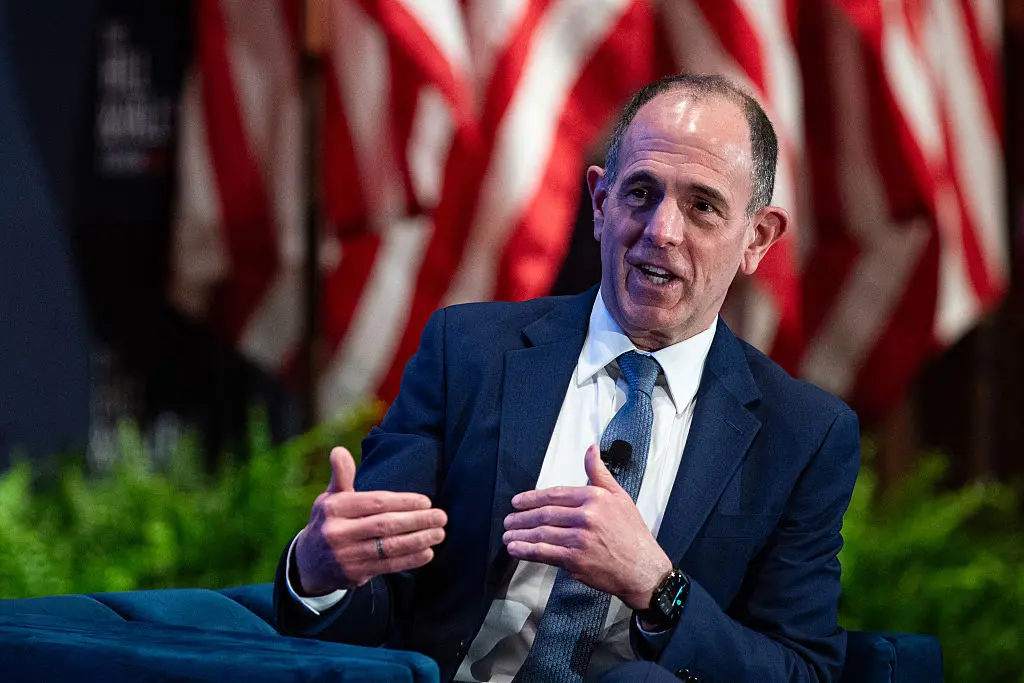
Enter Luffu, an innovative health-tech startup founded by Fitbit veterans James Park and Eric Friedman. Breaking cover with a distinct vision for ambient health technology, Luffu has officially announced its flagship hardware device: the Luffu Link.
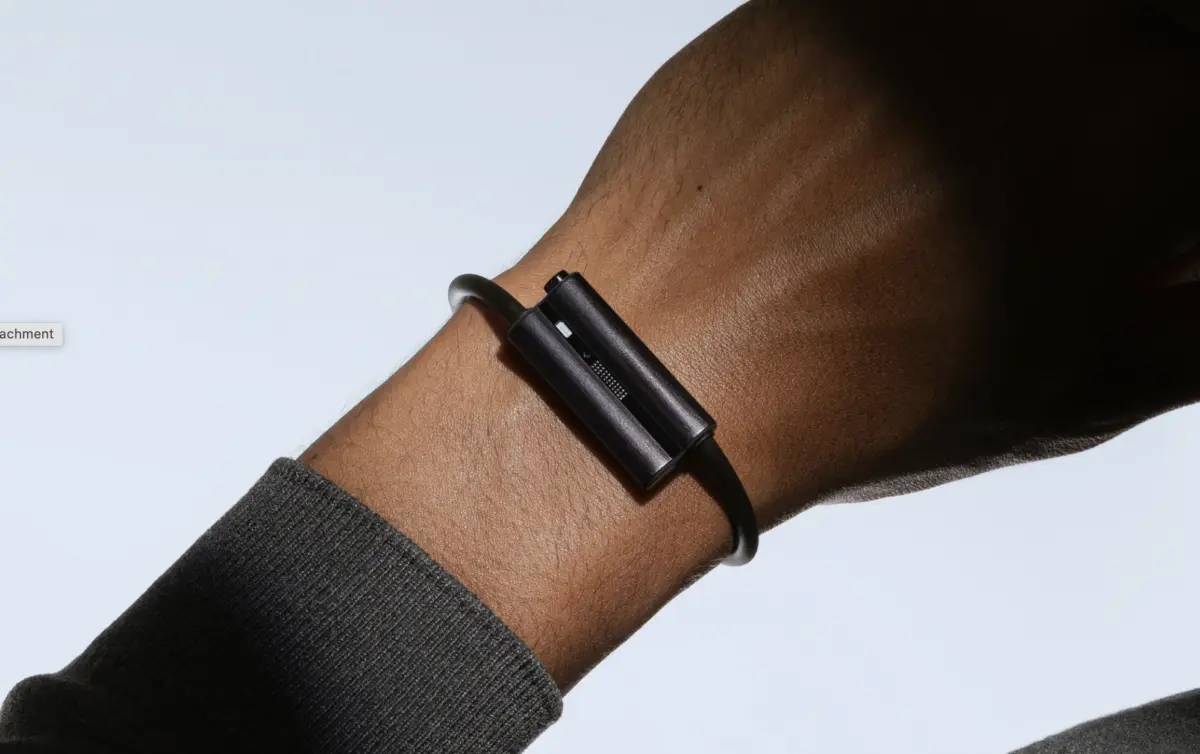
Positioned as an LTE-enabled health and safety band, the Link is engineered to seamlessly monitor a wearer’s physical and mental well-being while operating entirely in the background. Dispensing with the traditional LCD or OLED screen, the $250 wearable combines continuous biometrics, voice logging, GPS location awareness, and direct emergency communication into a sleek, jewelry-inspired aesthetic.
Expected to ship in early 2027 and currently available for preorder in three striking finishes—halo gold, onyx black, and sterling blue—the Luffu Link represents the physical anchor of a broader intelligent family care ecosystem. It directly complements the Luffu health-monitoring app launched earlier this year.
By leveraging artificial intelligence to process background data, parse behavioral patterns, and translate raw biometrics into actionable family insights, Park and Friedman are attempting to solve one of modern society’s most exhausting burdens: family caregiving.
Detailed Chronology: From Fitbit to the Birth of Luffu
To understand the strategic significance of the Luffu Link, one must examine the journey of its creators. James Park and Eric Friedman are household names in the wearables industry, having co-founded Fitbit in 2007. Under their leadership, Fitbit pioneered the consumer fitness tracker market, transforming how millions of people conceptualize physical activity and personal health data. Following Fitbit’s acquisition by Google, Park and Friedman eventually stepped away, taking with them a deep, institutional understanding of hardware manufacturing, sensor integration, and consumer software design.
The genesis of Luffu, however, did not stem from a desire to build another corporate fitness tracker. Instead, it was born out of deeply personal trials. As Park and Friedman navigated the complexities of caring for their own aging parents and growing families, they confronted a frustrating reality: the tools available for modern family caregivers are profoundly fragmented, inefficient, and emotionally taxing.
+-----------------------------------------------------------------+
                 THE EVOLUTION OF LUFFU'S ECOSYSTEM
+-----------------------------------------------------------------+

  [Early 2026]           [August 2026]              [Early 2027]
  Luffu App Launch ----> Luffu Link Unveiled ----> Expected Shipping
  (AI Family Insights)   (Jewelry-Grade Wearable)   (Consumer Rollout)
The Caregiver Crisis and the Spark of Luffu
According to public health research cited by Park, family caregivers spend an astonishing 27 hours per week on average managing the health, safety, and logistical needs of their loved ones. It is a grueling, invisible labor market that acts essentially as a second job—often referred to by Park as acting as the "CEO of the family."
"When you become a family caregiver, or the CEO of the family, these people are spending an enormous amount of time doing it… a crazy amount of time," Park explained in an exclusive interview. "I think technology can play a big role in helping reduce this load, but as we found out, the tools to help them are pretty fragmented."
This realization catalyzed the foundation of Luffu. The duo set out to design a system that could eliminate the friction of caregiving. Rather than forcing aging parents or busy adults to constantly check in, manually log medications, or wear clinical, stigmatizing medical-alert pendants, Luffu was envisioned as a quiet, ambient guardian.

The strategy began unfolding earlier this year with the debut of the Luffu health-monitoring app. Powered by background artificial intelligence, the app was designed to quietly aggregate family health information, map out daily routines, and flag anomalous shifts in behavior.
Now, with the August launch of the Luffu Link hardware, the ecosystem finally has its physical touchpoint, bridging the gap between passive biometric tracking and active familial communication.
Supporting Context & Metrics: Redefining Biometric Intelligence
While the market is crowded with screenless fitness bands—ranging from minimalist sleep rings to basic step counters—the Luffu Link occupies a fundamentally different category. It is not designed to turn the wearer into an elite athlete; rather, it is built to protect, inform, and connect.
Under the Hood: Comprehensive Health Sensing
Despite its jewelry-like exterior, the Luffu Link is packed with enterprise-grade health-monitoring sensors. It continuously records traditional wellness metrics that users have come to expect from top-tier wearables:
- Daily Activity & Calorie Burn: Tracking movement patterns to gauge physical vitality.
- Sleep Architecture: Analyzing sleep duration, stages, and consistency over time.
- Cardiovascular Metrics: Monitoring resting heart rate and heart-rate variability (HRV), which serve as key indicators of stress, fatigue, and recovery.
- Respiratory Data: Tracking breathing rate during sleep and waking hours.
Moving Beyond the Dashboard
For Park, who spent years architecting the dashboards and graphical interfaces that defined the early days of Fitbit, designing the Luffu Link required a philosophical pivot. The goal was not to dump endless graphs and data tables onto a stressed-out caregiver’s phone screen.
"Link does a lot of what a typical health tracker would do, but it’s not just about tracking," Park noted. "It’s about what Luffu does with that data. It’s looking for patterns, so maybe your activity has been unusually low… Maybe your sleep patterns have changed. Maybe that change happened after a new medication."
Instead of forcing families to decipher raw metrics, the Luffu system is programmed to answer three fundamental questions:
- What changed?
- Does it matter?
- Does somebody need to know?
By filtering out the noise and presenting only context-driven insights, the Luffu app ensures that families stay aligned without requiring intrusive, hourly check-ins that can make aging adults feel stripped of their autonomy and privacy.
Official Statements & Design Philosophy: The "Quiet Guardian"
One of the most striking aspects of the Luffu Link is its deliberate lack of a screen. In an era where tech companies constantly vie for our attention with high-refresh-rate displays and endless notification banners, Luffu has deliberately chosen digital minimalism.
The Purposeful Absence of a Screen
"There’s a trend to have no screens on this new class of wearables, but here, it’s very purposeful," Park emphasized. "We want to be in the background. Link is designed to be on your wrist as a quiet guardian throughout your day."
This philosophy extends directly to the physical design of the hardware. Traditional medical alert pendants or emergency medical buttons are universally stigmatized; they look clinical, bulky, and explicitly broadcast vulnerability. Similarly, many fitness bands look overly sporty or aggressively utilitarian.

Luffu approached the Link’s industrial design from the perspective of high-end jewelry. Available in three sophisticated colorways—halo gold, onyx black, and sterling blue—the device is meant to complement daily attire rather than clash with it. Whether worn by a busy professional, an independent senior, or a safety-conscious traveler, the Link blends seamlessly into everyday life.
Standalone Connectivity and Voice Logging
The Luffu Link addresses a major flaw in many contemporary safety wearables: the dependency on a nearby smartphone. Equipped with built-in LTE and GPS, the band functions entirely independently.
Critically, Luffu has structured the product offering so that the LTE data service is included in the baseline experience, sparing consumers from having to purchase an expensive, separate cellular carrier plan for the band.
This standalone connectivity enables several vital safety and logging features:
- Voice Logging: Wearers can press a button on the band to instantly capture voice notes in the moment. Whether noting a sudden shift in mood, recording a meal, logging a medication update, or setting a reminder, the voice snippet is instantly transmitted to the Luffu app, which transcribes, organizes, and contextualizes the data.
- Discreet Check-Ins: A quick double-press on the band allows the wearer to send a silent check-in to trusted family members, confirming their well-being without needing to draft a text message or place a phone call.
- Real-Time Location Awareness: Trusted contacts can view the wearer’s location history, ensuring peace of mind regarding travel and daily routines, complete with custom geofencing alerts for entering or leaving designated areas.
- Emergency Assistance: In the event of an accident, a wearer can issue a voice-activated help request—for instance, saying, "I fell and hurt my wrist. Can someone come get me?" The Link instantly dispatches the voice message alongside real-time GPS coordinates, current battery levels, and vital biometric data (such as heart rate and recent activity metrics) directly to designated family members.
Future Outlook: Expanding the Ecosystem
While the launch of the Luffu Link marks a massive milestone for the startup, Park and Friedman are clear that the hardware band is merely a single node in a much larger vision.
During the product unveiling, company executives heavily teased that they are already deep into the development of a complementary home device. This upcoming ambient hardware will extend the Luffu ecosystem from the user’s wrist directly into the living space, creating a truly omnipresent intelligent family care network.
Market Positioning and Pricing Strategy
The Luffu Link is positioned as a premium consumer health product. While it carries an expected retail price point of $300, the startup is currently taking preorders at a discounted introductory price of $250. Given the included LTE connectivity and the sophisticated AI backend provided by the Luffu app, the pricing model positions the device competitively against standalone medical alert systems and high-end fitness ecosystems alike.
As shipments ramp up toward early 2027, Luffu is targeting a diverse demographic:
- Family Caregivers: Looking to alleviate the immense cognitive and physical load of managing elderly or vulnerable relatives.
- Independent Older Adults: Seeking safety, security, and health monitoring without sacrificing their dignity or independence.
- Health-Conscious Individuals: Tech-savvy adults who want deep, passive insights into their physical and mental well-being without the distraction of an interactive smartwatch screen.
Conclusion: A New Chapter in Digital Health
With the introduction of the Luffu Link, James Park and Eric Friedman are proving that their impact on the wearables industry was only the beginning. By moving past the obsession with step counts and workout metrics, Luffu is reframing consumer technology as a vehicle for empathy, connection, and peace of mind.
By treating data not as a dashboard full of intimidating graphs, but as a narrative tool that answers the most important questions about our loved ones’ health, Luffu is poised to redefine what it means to care in the digital age.